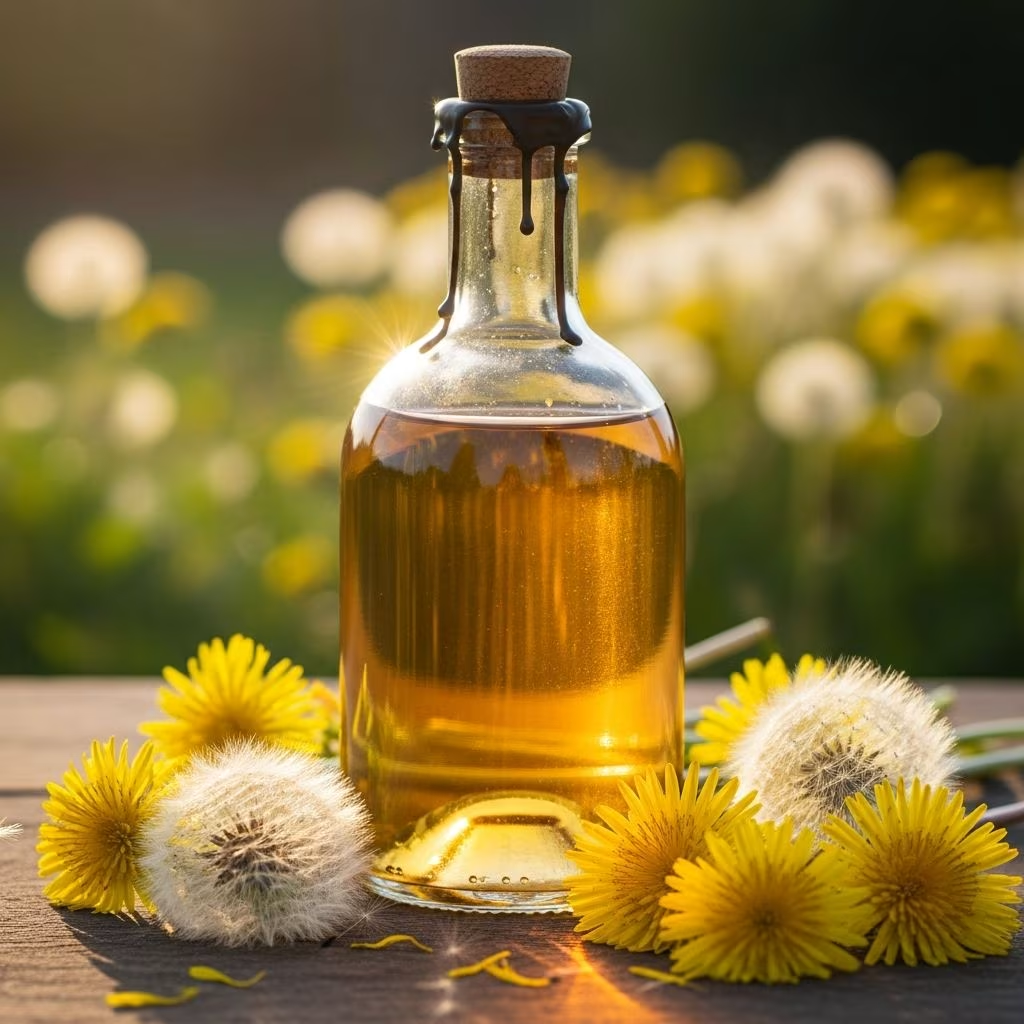
Transform abundant spring dandelions into a shimmering, floral wine that evokes the warmth of sunny meadows. This traditional beverage ferments wild-harvested petals with citrus and sugar, yielding a light, honey-like elixir ideal for celebrations or quiet evenings.
The Heritage of Dandelion Wine Making
Dandelion wine traces its roots to ancient foraging traditions across Europe and North America, where communities turned common weeds into treasured drinks. For centuries, people have celebrated the plant’s arrival by brewing batches that capture its subtle sweetness and earthy notes. Unlike grape wines, this floral variety relies on the plant’s natural sugars unlocked through fermentation, creating a beverage around 12-14% alcohol by volume when using proper wine yeast.
Historical accounts highlight its use as a tonic, believed to support digestion and vitality due to the dandelion’s nutrient profile. Modern homebrewers revive these methods, adapting them for small-scale production with everyday equipment like glass jars and airlocks.
Why Choose Dandelion Wine?
- Accessibility: Dandelions grow prolifically in lawns, fields, and roadsides, making ingredients free and abundant in spring.
- Unique Flavor: Expect notes of mead, honey, and citrus, distinct from fruit wines.
- Skill-Building: Perfect for learning fermentation basics without expensive starters.
- Sustainability: Forages a sustainable “weed” while reducing yard chemicals.
Foraging Dandelions Safely and Effectively
Timing is crucial: harvest fully open flowers on dry, sunny days after morning dew evaporates, typically late April to early June. Avoid rainy weather to prevent diluted flavors or contaminants. Select bright yellow blooms free from pesticides, traffic pollution, or animal waste—opt for rural fields or untreated lawns.
Aim for 3-4 quarts of whole flowers to yield 1 quart of petals, the only part used. Pinch off green sepals and stems meticulously; these impart bitterness that ruins the batch. A neighbor’s error in including greens led to a discarded brew, underscoring this step’s importance.
| Harvest Checklist | Details |
|---|---|
| Best Time | Sunny midday, peak bloom |
| Quantity Needed | 3 quarts petals (from 3-4 quarts flowers) |
| Avoid | Sprayed areas, roadsides, wilted blooms |
| Tools | Basket, scissors, gloves |
Process petals immediately: spread on sheets to dry slightly, removing insects, then pack loosely into measures. This yields about 3 quarts petals for a standard gallon recipe.
Essential Ingredients for Success
A classic recipe balances petals’ delicacy with citrus acidity and sugar for yeast fuel. Core components include:
- Dandelion Petals: 3 quarts loosely packed, providing floral essence.
- Sugar: 3 pounds (5-6 cups), white granulated for clarity and fermentable sugars.
- Citrus: Juice and zest from 2-3 oranges plus 1 lemon, adding brightness and pectin.
- Yeast: 1 packet champagne or wine yeast for reliable 12-14% ABV; wild yeast from raisins as alternative.
- Additives: 1 pound raisins for nutrients, yeast nutrient (1/4 tsp) optional.
- Water: 1 gallon, filtered or boiled to avoid chlorine inhibiting yeast.
Organic citrus is preferable to minimize wax and chemicals. Raisins boost micronutrients, hastening fermentation.
Step-by-Step Brewing Guide
Prepare sanitized glass carboys, crocks, or jars—avoid metal reacting with acids. Yields 4-5 bottles from one gallon.
- Prepare Petals: Pack 3 quarts petals into primary fermenter.
- Citrus Prep: Zest half the peels finely, slice fruits thinly, minimizing white pith for less bitterness.
- Sugar Syrup: Boil 1 gallon water with 3 pounds sugar until dissolved; cool to lukewarm (under 110°F to protect yeast).
- Combine: Add citrus juice/zest to petals, pour syrup over. Include raisins or nutrient.
- Pitch Yeast: Rehydrate yeast in 2-3 oz warm water (103-109°F) for 5 minutes, then stir in. Top with water, leaving 1-2 inches headspace.
- Primary Fermentation: Cover with airlock or cloth; ferment 2-3 weeks at 65-75°F until bubbling slows. Stir daily initially.
- Rack to Secondary: Strain petals/sediment via siphon or mesh into clean vessel. Ferment 6-8 weeks more, racking as needed.
- Bottle: When clear and stable (taste sweet-tart), siphon into sterilized bottles. Cork and age 6 months minimum for smoothness.
Cold infusion methods preserve more floral notes by avoiding heat on petals. Hot steep variants (boil water over petals, steep 3 days) intensify flavor but risk bitterness.
Equipment Essentials for Homebrewers
- 1-2 gallon glass carboy or crock.
- Airlocks and bungs.
- Siphon hose or auto-siphon.
- Fine mesh strainer.
- Hydrometer (optional, for ABV check).
- Sterilized bottles and corks.
Beginners can use mason jars with water locks. Sanitize everything with no-rinse solutions.
Troubleshooting Common Issues
| Problem | Cause | Solution |
|---|---|---|
| No Fermentation | Dead yeast, cold temps | Repitch yeast, warm to 70°F |
| Bitter Taste | Green parts included | Strain thoroughly next time |
| Cloudy Wine | Excess sediment | |
| Stuck Ferment | Nutrient lack | Add raisins, yeast nutrient |
Monitor airlock water; top off if dry. Wild yeast may yield lower ABV (under 10%).
Flavor Profile and Pairings
Fresh, it’s floral and citrusy; aged 1+ year, it deepens to sherry-like richness. Serve chilled with cheeses, salads, or desserts. Alcohol content mirrors table wines.
Health and Safety Considerations
Forage responsibly; dandelions are safe but confirm edibility. Fermentation produces alcohol—consume moderately. Use food-grade gear to prevent contamination.
Variations to Experiment With
- Micro-Batch: Scale to 1 quart petals, 3/4 lb sugar for small jars.
- Dry Finish: Back-sweeten post-ferment with honey.
- Herbal Twist: Add ginger or cloves during secondary.
- Wild Yeast: Skip packet, rely on raisins for natural ferment.
Frequently Asked Questions
Is dandelion wine alcoholic?
Yes, typically 12-14% ABV with wine yeast; lower with wild strains.
How long does it take to make?
Primary: 3 weeks; secondary: 2-3 months; aging: 6+ months.
Can I use whole flowers?
No, only petals—greens cause bitterness.
What’s the alcohol tolerance?
Champagne yeast handles up to 18%, but recipe targets 12-14%.
How do I store it?
Cool, dark place; unopened lasts years, opened 1-2 weeks refrigerated.
Advanced Tips for Perfection
Test specific gravity: start at 1.090-1.100, finish under 1.000. Multiple rackings clarify naturally. For sparkle, add priming sugar before final bottle. Label with harvest date for tracking.
References
- Homemade Dandelion Wine Recipe — Practical Self Reliance. 2023-05-15. https://practicalselfreliance.com/dandelion-wine-recipe/
- Old-Fashioned Dandelion Wine Recipe — Common Sense Home. 2022-04-20. https://commonsensehome.com/dandelion-wine-recipe/
- Micro-Batch Dandelion Wine — My Fermentation. 2021-06-10. https://www.myfermentation.com/wine/micro-batch-dandelion-wine-zb0z1906/