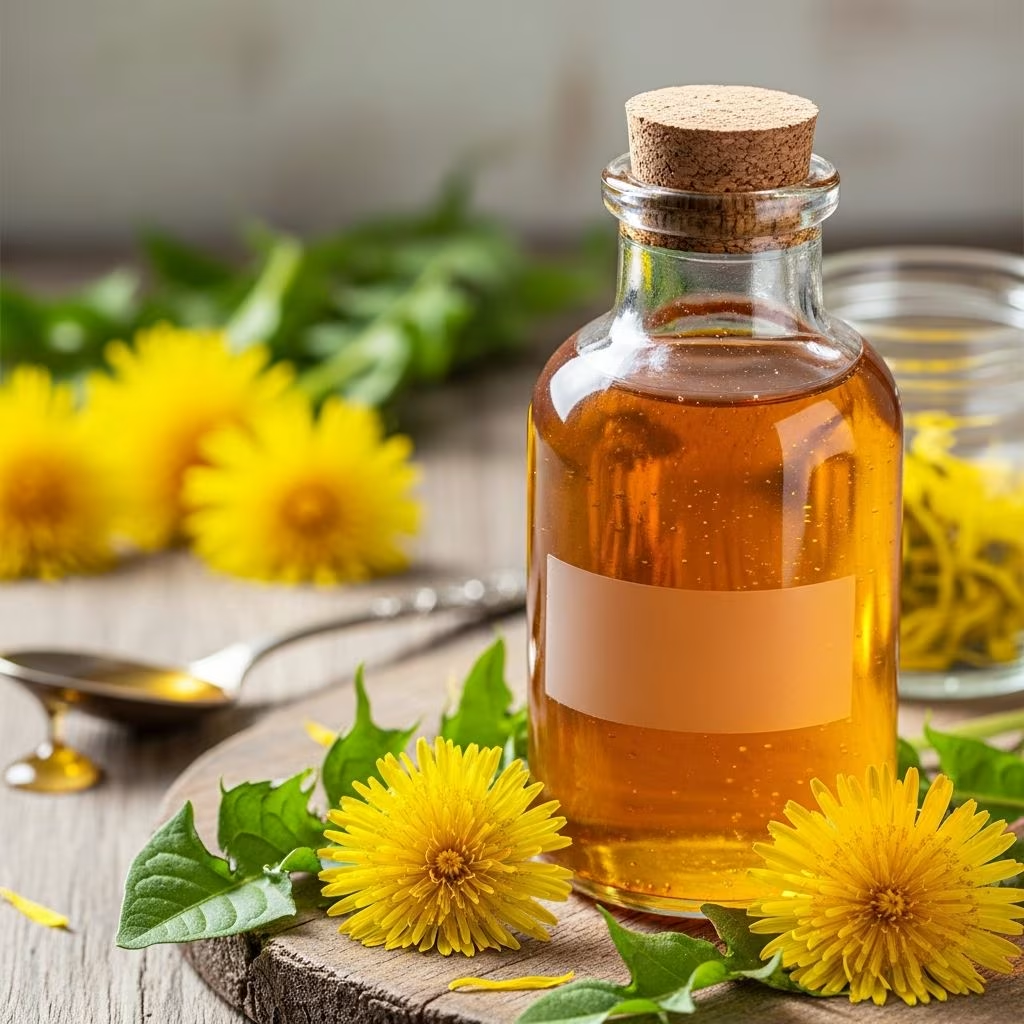
Golden-hued dandelion syrup captures the essence of spring in a versatile sweetener that rivals honey in flavor and utility. Derived from the ubiquitous dandelion flowers, this homemade treat offers a floral sweetness ideal for drizzling over pancakes, enhancing beverages, or glazing baked goods. Foraging these common weeds turns a backyard nuisance into a culinary treasure, providing both nutritional perks and a satisfying DIY project.
The Allure of Dandelion as a Culinary Star
Dandelions, often dismissed as invaders in lawns, boast a rich history in traditional cuisines across Europe and North America. Their petals infuse liquids with a delicate, honey-like nectar that’s mildly tangy and profoundly aromatic. This syrup not only preserves the flower’s fleeting beauty but also concentrates its subtle flavors through simple infusion and reduction techniques.
Nutritionally, dandelion petals contribute antioxidants, vitamins A and C, and minerals like potassium, making the syrup a wholesome alternative to refined sugars when used mindfully. Its natural compounds may support digestion and offer mild anti-inflammatory benefits, though moderation is key due to its sugar content.
Prime Foraging Practices for Optimal Blooms
Success starts with selecting pristine dandelions free from pesticides and road pollution. Target sunny meadows, untended fields, or your own yard during peak bloom from late spring to early summer. Pick on dry, sunny days to ensure flowers are fully open and pollen-rich for maximum flavor extraction.
- Focus on mature, vibrant yellow heads; avoid buds or wilting ones.
- Harvest 100-200 flowers per batch, depending on recipe scale.
- Pluck gently by the stem, shaking off insects immediately.
- Wash lightly in cool water if needed, then pat dry on a towel.
Pro tip: Forage in the morning when petals are at their freshest, yielding the sweetest infusion. Always leave some flowers behind to sustain local populations.
Preparing Petals: The Essential Cleaning Ritual
The green bracts at the flower’s base impart bitterness, so meticulous petal separation is crucial. This labor-intensive step, while tedious, ensures a smooth, golden result without grassy undertones.
- Trim stems with scissors or pinch off green sepals one by one.
- Use fingers or tweezers for precision on stubborn bits.
- Work over a bowl to collect petals loosely packed.
- Aim for 1.5-2 cups petals per standard recipe.
Wear gloves if concerned about petal dye staining hands. This process typically takes 20-30 minutes but profoundly elevates the final syrup’s purity.
Classic Dandelion Syrup Recipe: Step-by-Step
This foundational method yields about 4-5 cups of syrup, scalable for larger batches. It balances simplicity with robust flavor.
Ingredients
| Ingredient | Quantity | Purpose |
|---|---|---|
| Dandelion petals (yellow only) | 2 cups, lightly packed | Flavor base |
| Water | 4 cups | Infusion medium |
| Granulated sugar | 4 cups | Sweetener and thickener |
| Lemon juice (optional) | 1-2 tbsp | Brightness and preservation |
Directions
Day 1: Infusion
Place cleaned petals in a large pot or heatproof jar. Pour boiling water over them, stir gently, cover, and let steep 12-24 hours in the fridge. This extracts floral essences fully.
Day 2: Straining
Line a fine-mesh strainer with cheesecloth over a bowl. Pour the infused liquid through, squeezing petals firmly to extract every drop. Top up to 4 cups with water if short. Discard solids.
Cooking the Syrup
In a wide saucepan, combine liquid and sugar. Heat to a simmer over medium, stirring until sugar dissolves (about 5 minutes). Raise to medium-high for a hard boil of 1 minute, then remove from heat. Skim foam for clarity. Stir in lemon juice if using.
Cool slightly, then funnel into sterilized jars. Seal and refrigerate for up to 3 months, or process in a water bath for longer shelf life.
Recipe Variations for Every Palate
Experiment to customize intensity and profile.
- Rich Honey Blend: Replace half the sugar with raw honey post-simmer for deeper notes. Simmer 45-60 minutes to reduce by half.
- Thick ‘Dandelion Honey’: Use 1:1:2 ratio (petals:water:sugar), cook low and slow 1.5 hours until honey-like.
- Citrus Twist: Add lemon slices during infusion for zesty brightness.
- Herbal Infusion: Steep with mint or ginger for aromatic layers.
Small batches suit testing; double for gifting.
Storage Solutions and Shelf Life
Fresh syrup lasts 2-4 weeks in the fridge. For pantry storage, use sterilized jars and process 10 minutes in boiling water. Properly canned, it keeps 1 year unopened. Freezing in ice cube trays extends usability for months.
Signs of spoilage: Mold, off odors, or fermentation bubbles. Always inspect before use.
Creative Applications in Kitchen and Beyond
This versatile elixir shines in diverse roles:
- Breakfast Boost: Drizzle over waffles, yogurt, or oatmeal.
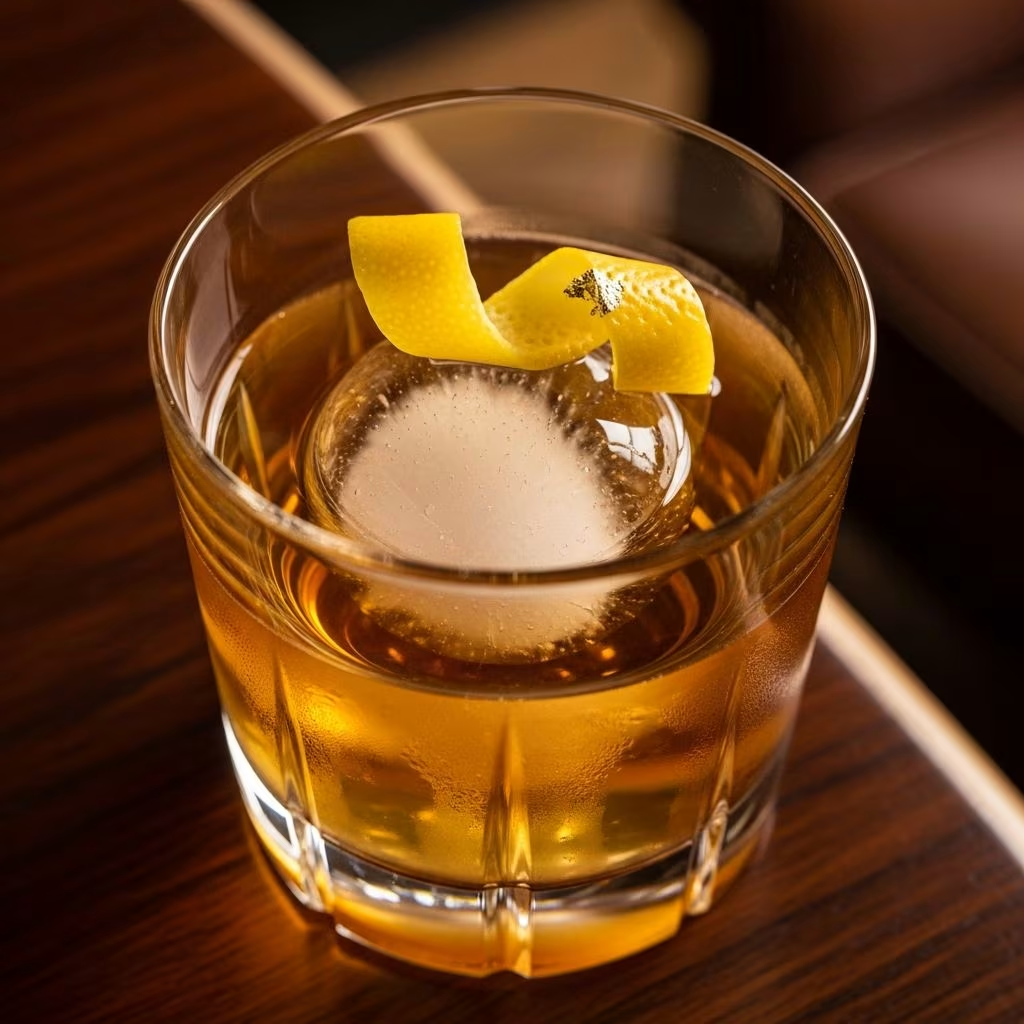
- Beverage Magic: Sweeten tea, lemonade, or cocktails like a dandelion old fashioned.
- Baking Brilliance: Glaze cakes, cookies, or infuse into bread dough.
- Salad Dressings: Whisk with vinegar and oil for floral vinaigrettes.
- Gourmet Gifts: Decant into pretty bottles with ribbons.
In savory dishes, pair with cheese boards or roasted meats for unexpected contrast.
Troubleshooting Common Pitfalls
| Issue | Cause | Solution |
|---|---|---|
| Cloudy syrup | Imperfect straining | Double-strain with fresh cheesecloth |
| Bitter taste | Green parts included | More thorough petal cleaning next time |
| Too thin | Insufficient reduction | Simmer longer, checking every 15 min |
| Crystallization | High sugar concentration | Store cool; stir in corn syrup next batch |
Health Notes and Mindful Enjoyment
While dandelions are edible, consult a doctor if you have allergies or gallbladder issues, as they stimulate bile production. Use as a sugar substitute sparingly. Forage responsibly to avoid contaminated sites near herbicides or exhaust.
Frequently Asked Questions
Can I use store-bought dandelions?
No, they may be treated with chemicals. Wild or home-grown are safest.
How long does infusion take?
Overnight (12-24 hours) yields best flavor without bitterness.
Is canning necessary?
Not for fridge storage, but it enables room-temperature keeping.
Vegetarian/vegan friendly?
Yes, unless using honey variant.
Can I reduce sugar?
Yes, but expect thinner consistency and shorter shelf life.
Scaling Up for Abundance
Spring yields bountiful blooms, so multiply ingredients proportionally. A 4-cup petal batch makes 8-10 cups syrup. Use a stockpot for even heating. Ladle into jars carefully to avoid spills.
References
- How To Make Dandelion Syrup — Homestead Acres. 2023-05-15. https://www.homestead-acres.com/how-to-make-dandelion-syrup/
- DIY Dandelion Simple Syrup — Brandywine Conservancy and Museum. 2022-04-20. https://www.brandywine.org/museum/blog/diy-dandelion-simple-syrup
- Homemade Dandelion Syrup — Nature’s Nurture. 2023-03-10. https://naturesnurture.co/homemade-dandelion-syrup/
- How to make Dandelion Syrup – my Recipe — YouTube (North Wild Kitchen channel). 2021-05-12. https://www.youtube.com/watch?v=ftLGiIbRTwA
- Dandelion Syrup (løvetannsirup) — North Wild Kitchen. 2020-04-25. https://northwildkitchen.com/dandelion-syrup-lovetannsirup/
- Dandelion Honey Recipe (from Flowers) — Adamant Kitchen. 2022-06-08. https://adamantkitchen.com/dandelion-honey/