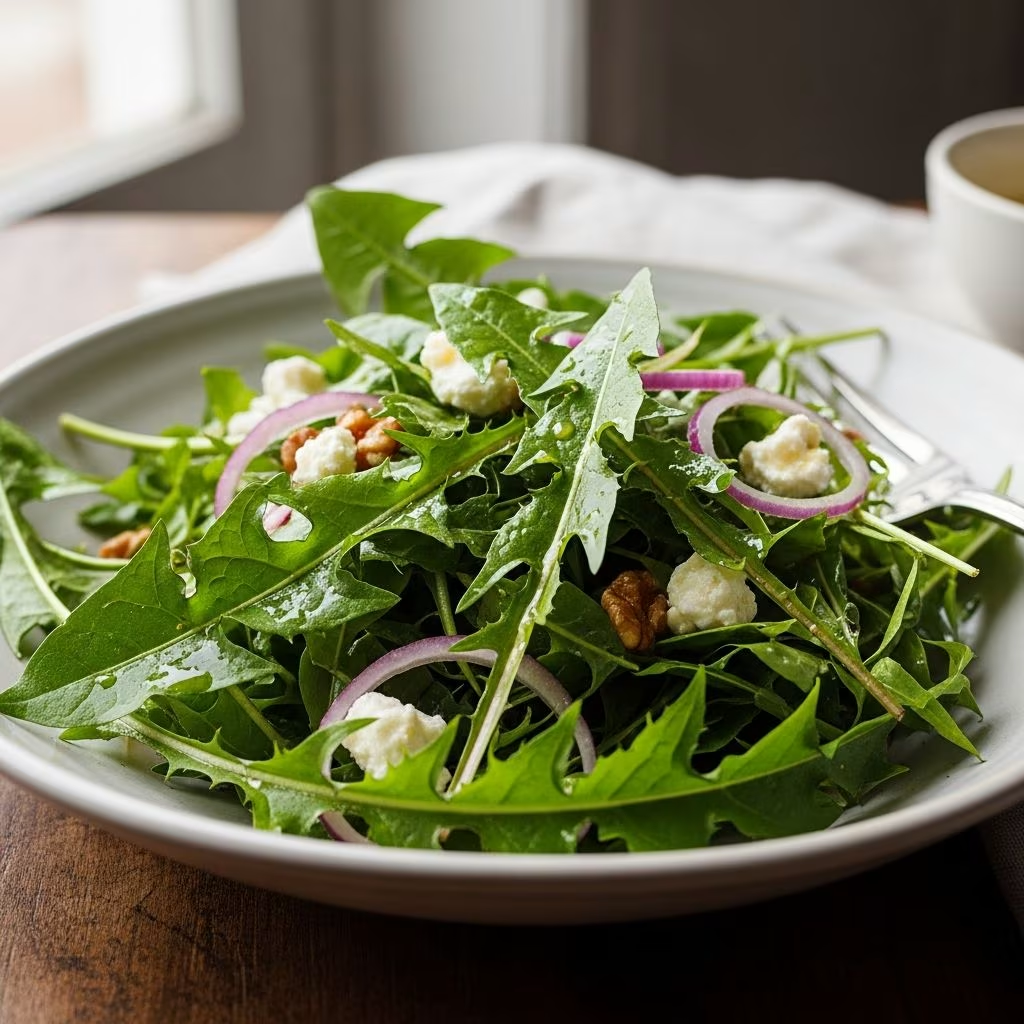
As the weather warms and gardens begin to flourish, dandelion greens emerge as one of nature’s most accessible and nutrient-dense vegetables. Often overlooked as garden weeds, dandelions have been cultivated and enjoyed in cuisines around the world for centuries. This comprehensive guide explores how to select, prepare, and enjoy dandelion salad, transforming this humble green into an elegant dish that celebrates spring’s bounty.
Understanding Dandelion Greens and Their Culinary Potential
Dandelion greens possess a distinctive bitter flavor profile that distinguishes them from conventional salad vegetables. This characteristic bitterness, combined with their tender texture when young, makes them an excellent choice for creating complex, interesting salads. The entire plant offers culinary possibilities—from the tender leaves to the edible flowers and even the roots, which can be roasted and incorporated into dressings or enjoyed as a nutritious addition to the salad itself.
The versatility of dandelions lies in their ability to complement both bold and subtle flavors. Their natural earthiness pairs beautifully with acidic dressings, creamy components, and fresh seasonal vegetables. Whether you forage for wild dandelions or purchase cultivated varieties from farmers’ markets or specialty grocers, these greens provide a nutritious foundation for countless salad creations.
Sourcing Quality Dandelion Greens
Obtaining fresh dandelion greens requires knowing where and how to look. Several reliable sources can provide you with high-quality greens for your culinary projects:
- Foraging from Wild Sources: If you choose to forage, select dandelions from areas known to be free of pesticides, herbicides, and other chemical contaminants. Young plants, typically four to six inches in length, offer the most tender leaves with milder bitterness. Early spring provides the optimal foraging window before plants mature and develop stronger, more fibrous leaves.
- Farmers’ Markets: Local farmers’ markets frequently feature cultivated dandelion greens during spring and early summer months. Vendors at these markets can often provide information about growing practices and recommend optimal preparation methods.
- Specialty Grocery Stores: Health-focused and specialty food retailers increasingly stock fresh dandelion greens, often alongside other bitter greens like arugula and radicchio. These greens are typically grown under controlled conditions and pre-washed for convenience.
- Home Garden Cultivation: Growing dandelions deliberately in a garden plot allows complete control over growing conditions and pesticide use. Many gardeners find that dandelions thrive with minimal intervention, producing abundant leaves throughout the growing season.
Essential Ingredients for Basic Dandelion Salad
Creating a satisfying dandelion salad requires just a few core components. The following ingredients form the foundation upon which countless variations can be built:
| Component | Quantity | Purpose |
|---|---|---|
| Fresh dandelion greens | 3-4 cups | Primary leafy base with bitter flavor |
| Extra virgin olive oil | 1/2 cup | Fat component for richness and absorption of fat-soluble nutrients |
| Acidic component (vinegar or lemon juice) | 2-3 tablespoons | Balances bitterness and brightens overall flavor |
| Garlic | 1-2 cloves | Adds aromatic depth and complexity |
| Sea salt and black pepper | To taste | Enhances and balances all flavors |
Preparation Techniques for Optimal Results
Properly preparing dandelion greens ensures the best texture and flavor in your finished salad. Begin by rinsing the greens thoroughly under cool running water, paying special attention to removing any soil or debris that may be trapped between leaves. For greens obtained through foraging, this step is particularly important.
After rinsing, gently pat the greens dry using paper towels or a salad spinner. Excess moisture can dilute dressing and create a soggy, unappetizing texture. If preparing dandelions ahead of time, store them in the refrigerator wrapped in paper towels to maintain freshness and crispness.
When ready to assemble the salad, tear or chop the greens into bite-sized pieces. This step breaks down the leaves slightly, making them easier to eat and allowing the dressing to penetrate more effectively. Some cooks prefer to blanch younger dandelion greens briefly in salt water before adding them to the salad, a technique that softens their texture and mellows their bitter intensity slightly.
Creating Flavorful Dressings
The dressing represents perhaps the most critical component in creating a successful dandelion salad. The bitter nature of the greens requires a well-balanced dressing that provides richness, acidity, and complementary flavors. Several dressing approaches work particularly well with dandelion greens:
Classic Vinaigrette Approach
A simple vinaigrette combines acid, oil, and seasonings in proportions that complement the greens’ flavor profile. Whisk together fresh lemon juice or apple cider vinegar with minced garlic, Dijon mustard, honey, and dried herbs. Slowly drizzle in extra virgin olive oil while whisking to create an emulsion. This method produces a balanced dressing that brightens the greens without overwhelming their natural character.
Citrus-Forward Variations
Incorporating fresh citrus juices adds brightness and subtle sweetness. Orange juice, combined with vinegar and honey, creates a Mediterranean-inspired dressing that pairs beautifully with dandelion greens. The citrus notes help soften the greens’ bitterness while adding visual appeal and aromatic complexity.
Root-to-Table Dressings
For a truly comprehensive approach, incorporate roasted dandelion root into your dressing. The root imparts a slightly nutty, earthy quality that complements the leaves perfectly. Blend roasted dandelion root with olive oil, acid, garlic, and seasonings to create a unique dressing that celebrates the entire plant.
Complementary Ingredients and Creative Combinations
While dandelion greens stand admirably on their own, combining them with complementary ingredients elevates the salad into a more complex and satisfying dish. The following additions have proven successful in various combinations:
- Vegetables: Cherry or grape tomatoes add juicy sweetness, while Persian cucumbers provide refreshing crunch. Shaved radishes contribute peppery notes and additional textural interest. Thinly sliced red onion adds sharpness that cuts through richness.
- Proteins: Soft-boiled or poached eggs create richness when their yolks break into the salad. Pancetta or bacon bits provide smoky, salty notes that balance the greens’ bitterness. Shaved parmesan cheese adds umami depth and a delicate textural contrast.
- Legumes and Starches: Boiled new potatoes tossed warm with the greens create a hearty, traditional variation. Sugar snap peas offer crisp texture and subtle sweetness. Roasted chickpeas provide protein and interesting textural complexity.
- Edible Flowers: Dandelion flowers themselves serve as beautiful garnishes and add subtle floral notes. Other edible flowers like nasturtiums or pansies complement the salad aesthetically while adding delicate flavoring.
- Nuts and Seeds: Toasted walnuts or sunflower seeds add crunch and richness. Pumpkin seeds provide visual contrast and nutty flavor notes that work particularly well with the greens’ bitterness.
Nutritional Benefits of Dandelion Greens
Beyond their appealing flavor and culinary versatility, dandelion greens provide impressive nutritional value. These vegetables are exceptionally rich in vitamins and minerals essential for human health. High levels of vitamin K support bone health and normal blood clotting, while vitamin A promotes eye health and immune function. The greens also contain calcium, potassium, and iron—minerals that many people struggle to obtain in adequate quantities from typical diets.
The bitter compounds present in dandelion greens, known as sesquiterpenes and polyphenols, contribute to their potential digestive benefits. Traditional herbalists and modern nutritionists alike recognize dandelions for their potential to support healthy digestion and liver function, though additional research continues to explore these connections in greater detail.
Seasonal Variations and Year-Round Enjoyment
While dandelion greens peak in spring, creative cooks can enjoy them throughout the year by adapting recipes to seasonal produce. Spring salads might feature fresh peas and delicate herbs, while summer versions incorporate ripe tomatoes and crisp cucumbers. Fall variations pair dandelions with roasted root vegetables, nuts, and autumn squashes. Even winter preparations remain possible when using stored or preserved ingredients alongside fresh greenhouse-grown greens.
Storage and Make-Ahead Strategies
For maximum freshness, consume prepared dandelion salads immediately. However, component preparation can occur in advance. Dandelion greens keep refrigerated for up to five days when stored in paper towels within a sealed container. Dressings maintain their quality for several days when stored separately in sealed jars. Tossing the salad just before serving ensures optimal texture and flavor delivery.
Frequently Asked Questions
Can I reduce the bitterness of dandelion greens?
Yes, several techniques help mellow the greens’ natural bitterness. Selecting younger plants with smaller leaves produces milder flavor. Blanching greens briefly in salted water softens both texture and taste. Combining dandelion greens with milder salad bases like butter lettuce or arugula provides balance. A slightly sweet dressing component also helps counteract excessive bitterness.
Where should I forage for dandelions safely?
Forage only in areas known to be free of pesticides and herbicides, including roadsides and recently treated lawns. Ask property owners before harvesting from private land. Public parks, gardens, and agricultural areas where chemical-free practices are maintained represent ideal foraging locations.
Are all parts of the dandelion plant edible?
Yes, dandelion leaves, flowers, roots, and even stems offer culinary value. Leaves provide the primary salad component. Flowers serve as garnishes and tea ingredients. Roots can be roasted and ground as a coffee substitute or incorporated into dressings. Stems, when young and tender, offer a crisp texture similar to celery.
How much dandelion salad should I consume?
Dandelion greens represent nutritious additions to a balanced diet. Enjoy them as part of regular salad rotations without concern, though those taking blood thinners or managing certain health conditions should consult healthcare providers about appropriate consumption levels.
Can dandelion salad be served warm?
Absolutely. Tossing young dandelion greens with warm potato cubes, warm vinaigrette, and other warm components creates a comforting warm salad variation. This approach is particularly popular in traditional European cuisine.
Conclusion
Dandelion salad represents far more than a simple side dish—it embodies a connection to seasonal eating, plant-to-table cooking, and nutritious, flavorful cuisine. Whether you forage for wild greens or purchase cultivated varieties, these versatile vegetables deserve a regular place on your dining table. With basic preparation techniques and a well-balanced dressing, dandelion greens transform into an elegant dish that showcases spring’s finest offerings. Experiment with various complementary ingredients, explore traditional and modern recipe variations, and discover how this humble green can elevate your culinary repertoire.
References
- Dandelion Salad: A Recipe from Grandma’s Time — Grow Forage Cook Ferment. 2024. https://www.growforagecookferment.com/dandelion-salad/
- Arugula and Dandelion Greens Salad with Dandelion Root Lemon Vinaigrette — Frolic & Fare. 2024. https://frolicandfare.com/arugula-and-dandelion-greens-salad-with-dandelion-root-lemon-vinaigrette/
- Regrat: A Traditional Dandelion Salad Recipe — Learning Herbs. 2024. https://www.learningherbs.com/blog/dandelion-salad
- Dandelion Salad – Virtual History Westport — Virtual History Westport. 2024. https://virtualhistorywestport.org/recipes/dandelion-salad/
- Bitter is Better Dandelion Salad — Reboot with Joe. 2024. https://www.rebootwithjoe.com/dandelion-greens-salad-recipe/