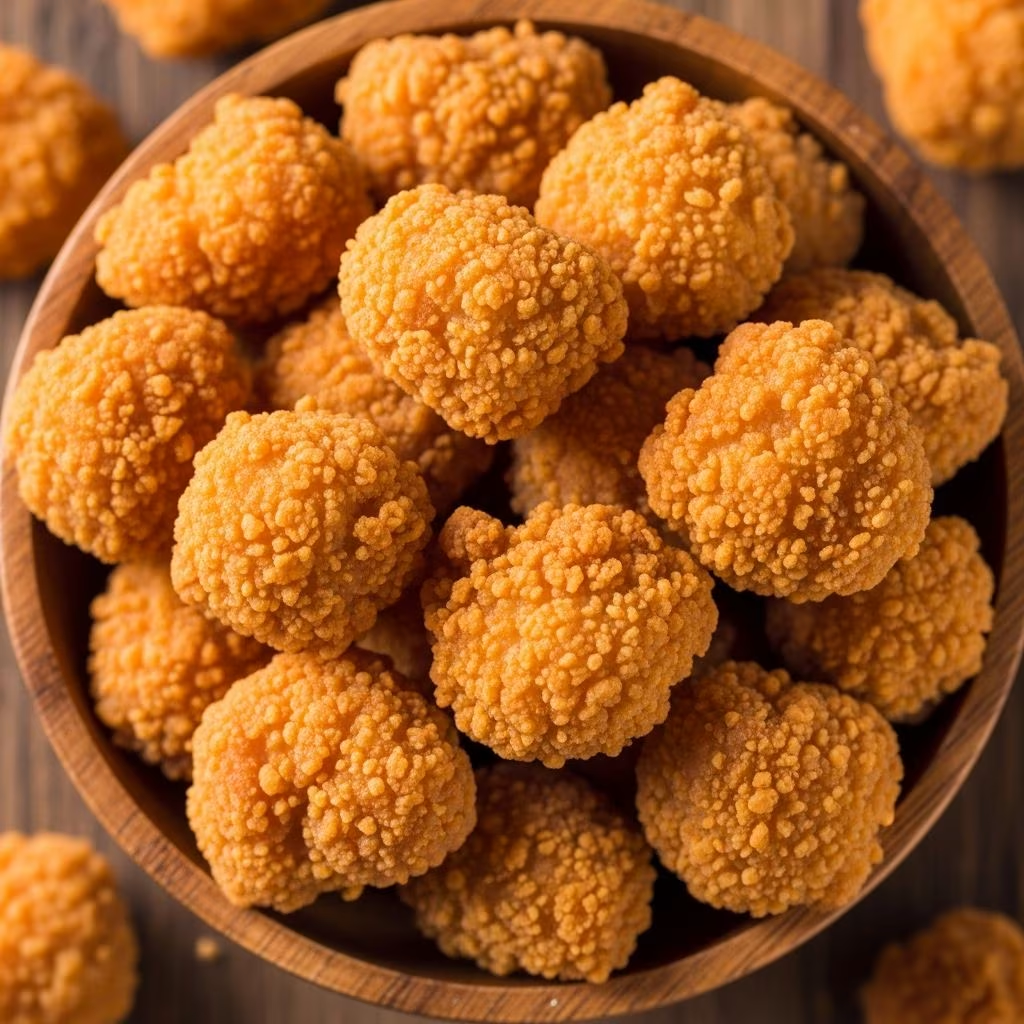
Popcorn chicken represents one of the most versatile and satisfying dishes in modern home cooking. These bite-sized morsels of tender poultry, encased in a golden, crunchy exterior, have become a beloved staple across countless cuisines and dining occasions. Whether served as an appetizer at gatherings, packed into lunch containers, or enjoyed as a casual dinner option, popcorn chicken delivers consistent appeal and remarkable flavor when prepared with attention to technique and ingredient selection.
Understanding the Fundamentals of Popcorn Chicken
At its core, popcorn chicken consists of bite-sized pieces of chicken that undergo a specific preparation process to achieve their signature texture and taste profile. The transformation from raw poultry to the finished product involves three fundamental stages: initial preparation and marination, coating application, and controlled frying. Each stage contributes essential elements that collectively produce the desired result—meat that remains tender and juicy on the interior while developing a satisfying crunch on the exterior.
The appeal of this dish lies not only in its textural contrasts but also in its adaptability. Home cooks can modify seasonings, experiment with different protein cuts, and adjust cooking methods to suit personal preferences and dietary considerations. This flexibility has contributed to popcorn chicken’s enduring popularity across various culinary traditions.
Selecting and Preparing Your Poultry
The foundation of excellent popcorn chicken begins with thoughtful poultry selection. Most recipes utilize boneless, skinless chicken breasts due to their mild flavor profile and consistent texture. However, chicken thighs offer advantages for certain preparations, particularly when seeking enhanced juiciness and richer flavor compounds. Thigh meat contains higher fat content, which can translate to improved moisture retention during cooking.
Cutting technique significantly impacts both the cooking process and final presentation. Chicken pieces should be cut into uniform bite-sized cubes, typically measuring approximately half an inch to one and one-quarter inches. Consistency in sizing ensures even cooking throughout the batch, preventing scenarios where some pieces remain undercooked while others become overdone.
The cutting process itself warrants specific attention:
- Begin with room-temperature poultry for optimal control and cleaner cuts
- Use a sharp knife to minimize meat damage and fiber disruption
- Cut breast meat into uniform cubes by first creating strips, then portioning these strips into individual pieces
- Separate thicker sections from thinner portions to maintain size consistency
- Pat the cut chicken dry with paper towels before marination
The Marination Process: Building Flavor Foundations
Marination represents a critical step that distinguishes exceptional popcorn chicken from mediocre preparations. During this stage, the chicken absorbs flavor compounds while beginning to absorb moisture, which later translates to tender, succulent meat within the crispy coating.
Traditional marination bases typically incorporate buttermilk as the primary liquid component. Buttermilk’s acidic nature gently breaks down muscle fiber structures without rendering meat mushy—a delicate balance that buttermilk achieves effectively. The typical buttermilk mixture combines the dairy product with eggs, creating an emulsified coating base that clings effectively to chicken pieces.
Flavor development occurs through the addition of complementary seasonings. Hot sauce introduces both heat and acidity, while salt enhances natural chicken flavors through osmotic processes. Some preparations incorporate additional elements such as:
- Soy sauce or fish sauce for umami depth
- Rice wine or Chinese cooking wine for subtle sweetness
- Garlic and ginger for aromatic complexity
- Five-spice powder for warm, layered notes
- White pepper for subtle heat without overwhelming brightness
Marination duration significantly affects results. Most preparations benefit from one to three hours of marinating time, during which flavor absorption reaches optimal levels without causing textural degradation. Extended marination beyond twenty-four hours can result in excessively salty chicken, as salt concentration increases over time.
Crafting the Ideal Coating Mixture
The coating represents the textural component that defines popcorn chicken’s appeal. This mixture typically combines flour with cornstarch and various seasonings, creating a coating that fries to crispy perfection while maintaining structural integrity.
The flour-to-cornstarch ratio influences the final texture significantly. Equal parts of each ingredient typically produces optimal results, though some recipes adjust these proportions based on desired crispiness levels. Cornstarch contributes to enhanced crunchiness by frying at higher temperatures than wheat flour alone, producing increased surface area browning and crisping.
Seasoning blends vary widely but commonly include:
| Seasoning | Typical Amount | Flavor Contribution |
|---|---|---|
| Paprika | ½ to 1½ teaspoons | Warm, slightly sweet undertones |
| Garlic Powder | 1 to 1½ teaspoons | Savory depth and pungency |
| Onion Powder | ½ to 1 teaspoon | Sweet, rounded savory notes |
| Black Pepper | ½ teaspoon | Sharp, clean heat |
| Salt | ¾ to 1 teaspoon | Flavor amplification |
| Mustard Powder | ¼ teaspoon | Tangy background note |
These seasoning combinations create the savory profile associated with restaurant-style popcorn chicken. However, cooks should feel empowered to experiment with additional flavorings such as cayenne pepper, thyme, or regional spice blends to personalize their preparations.
Breading Application Techniques
The process of applying coatings to marinated chicken pieces requires systematic attention to achieve consistent, comprehensive coverage. Several approaches exist, each offering distinct advantages and drawbacks.
The direct dry-coating method involves placing marinated chicken pieces directly into seasoned flour mixtures and tossing to coat. This approach works effectively when using marinade bases with lower moisture content. For marinades with higher liquid levels, this method can result in clumpy coating mixtures that don’t adhere uniformly.
The wet-coating method introduces an additional step where some marinade liquid is incorporated directly into the flour mixture before coating chicken. This approach creates a thicker, more adhesive coating layer that clings more effectively to poultry pieces, preventing coating separation during frying.
For enhanced coating thickness and crunch, many recipes employ a double-coating technique. After the initial dry flour coating, chicken pieces are dipped into beaten egg, then rolled in panko breadcrumbs or additional flour-cornstarch mixtures. This approach requires allowing coated pieces to rest for ten to thirty minutes before frying, during which time the coating sets and adheres more securely.
Taiwanese-style popcorn chicken employs a specialized technique where tapioca starch is applied as a final coating layer after an initial wet batter coating. Allowing this combination to rest for five to seven minutes before frying creates an exceptionally crispy, shatteringly textured exterior.
Oil Selection and Temperature Management
Successful frying depends critically on oil selection and maintaining precise temperature control throughout the cooking process. Vegetable oil, canola oil, and peanut oil all perform excellently for popcorn chicken preparation, offering high smoke points that prevent oil degradation during cooking.
Temperature represents the single most important factor in achieving desired results. Oil temperatures between 350°F and 400°F represent the typical range for popcorn chicken frying, with most recipes targeting approximately 375°F. At this temperature, coating exterior surface browns and crisps before interior chicken reaches dangerously high temperatures. Lower temperatures result in greasy chicken with pale, soggy coatings. Higher temperatures produce dark exteriors before interior chicken reaches safe internal temperatures.
Verifying oil temperature requires either a thermometer designed for deep-frying applications or alternative testing methods. If a thermometer is unavailable, dropping a small bread cube into the oil provides a reliable indicator—it should turn golden brown within approximately sixty seconds at optimal frying temperature.
Oil depth significantly impacts cooking efficiency and safety. Typically, oil should reach one and one-half inches in depth within the cooking vessel, allowing chicken pieces adequate submersion while maintaining sufficient clearance from container edges to prevent dangerous splashing.
The Frying Process: Technique and Timing
Proper frying technique transforms properly prepared and coated chicken into the finished product. This stage requires attention and care to avoid common mistakes that compromise final results.
Chicken pieces should be lowered gently into preheated oil rather than dropped carelessly, which can cause dangerous splashing and uneven initial cooking. Frying occurs in batches to prevent overcrowding, which would reduce oil temperature excessively and result in oil absorption rather than proper crisping.
Frying duration typically ranges from two to two and one-half minutes for standard-sized bite pieces. Approximately halfway through the cooking time, chicken pieces should be gently agitated using a slotted spoon or spider strainer to encourage even browning and separate any pieces that may be sticking together. Resist the urge to disturb chicken during the initial minute of frying, as premature movement can cause coating separation.
The visual indicator for doneness involves achieving a golden-brown exterior color across all surfaces. Beyond visual assessment, internal temperature provides definitive confirmation of food safety—chicken must reach 165°F internally to eliminate potential pathogens. Using an instant-read thermometer inserted into the thickest piece verifies that safety standards have been met.
Once cooked, chicken pieces should drain on cooling racks positioned over absorbent materials such as paper towels or kitchen linens. This approach allows excess oil to drip away, preventing the development of greasy textures.
Flavor Variations and Regional Approaches
While classic popcorn chicken recipes feature buttermilk-based marinades and traditional American seasonings, countless regional variations expand possibilities for home cooks seeking to explore different flavor profiles.
Taiwanese popcorn chicken, known as 鹽酥雞 (yán sū jī), incorporates soy sauce-based marinades with five-spice powder and features coatings combining rice flour with tapioca starch for distinctive crunchiness. This preparation often includes fried fresh basil or other aromatics mixed in before serving, adding herbaceous complexity.
Indian-style preparations incorporate garam masala, ginger-garlic paste, and red chili powder into marinades and coating mixtures, creating warm, spiced flavor profiles that differ substantially from their American counterparts.
Cooks can personalize recipes by:
- Adjusting heat levels through cayenne pepper, hot sauce, or chili powder quantities
- Introducing Asian flavors via soy sauce, sesame oil, or Chinese five-spice
- Creating Mediterranean variations with oregano, basil, and lemon zest
- Experimenting with different coating starches (potato starch, arrowroot, or tapioca)
Serving Suggestions and Accompaniments
Popcorn chicken’s versatility extends to serving options and complementary accompaniments. These morsels pair effectively with numerous dipping sauces, from traditional options like ranch dressing and honey mustard to more adventurous choices including sriracha mayo, garlic aioli, or Asian-inspired plum sauce combinations.
Side dishes that complement popcorn chicken include coleslaw, french fries, rice pilaf, or simple green salads. The neutral flavor profile of well-seasoned popcorn chicken allows it to integrate seamlessly into various meal contexts.
Storage and reheating considerations matter for meal planning. Cooked popcorn chicken maintains reasonable quality refrigerated for approximately three to four days. Reheating in a conventional oven at 350°F for eight to ten minutes restores crispiness more effectively than microwave reheating, which can produce soggy textures.
Troubleshooting Common Challenges
Even experienced cooks encounter occasional difficulties when preparing popcorn chicken. Understanding common issues and their solutions enables successful corrections:
- Greasy, soggy texture: Oil temperature was likely too low. Use a thermometer to verify temperature remains within the recommended range.
- Pale, underbaked coating: Insufficient frying time or oil temperature too low. Extend cooking duration slightly and verify oil temperature.
- Burnt exterior with raw interior: Oil temperature too high. Reduce heat and allow temperature to stabilize before continuing.
- Coating separating during cooking: Insufficient adherence, possibly from skipping the resting period or using excessive marinade liquid. Allow coated pieces adequate resting time.
- Inconsistent cooking: Uneven chicken piece sizing. Cut pieces more uniformly and fry in smaller batches for better control.
Frequently Asked Questions
Can popcorn chicken be prepared without deep frying? Yes, though results differ from traditional versions. Air frying at 375°F to 400°F produces reasonably crispy results, though the texture differs slightly. Baking yields softer exteriors that don’t match fried versions.
How long can marinated chicken remain refrigerated? Most preparations safely marinate for one to three hours, with extended marination up to twenty-four hours acceptable. Beyond this, salt concentration may reach levels that negatively impact texture and flavor balance.
What’s the difference between using flour and cornstarch in coatings? Flour creates structure, while cornstarch enhances crispiness and contributes to golden browning. Combining both typically produces optimal results, though recipes can emphasize one or the other based on desired texture preferences.
Can the same oil be reused for multiple cooking sessions? Yes, properly strained and stored oil can be reused several times. Strain used oil through cheesecloth or fine mesh, store in sealed containers in cool, dark conditions, and discard when oil becomes dark or develops off-flavors.
References
- Popcorn Chicken — RecipeTin Eats. https://www.recipetineats.com/popcorn-chicken/
- Popcorn Chicken Recipe — The Pioneer Woman. https://www.thepioneerwoman.com/food-cooking/recipes/a65616351/best-popcorn-chicken-recipe/
- Homemade Popcorn Chicken — Easy Weeknight Recipes. https://easyweeknightrecipes.com/homemade-popcorn-chicken/
- Popcorn Chicken Recipe — Indian Healthy Recipes. https://www.indianhealthyrecipes.com/popcorn-chicken-indian-recipe-kfc-style/
- Crispy Juicy Taiwanese Popcorn Chicken 鹽酥雞 — Tiffy Cooks. https://tiffycooks.com/taiwanese-popcorn-chicken-extra-crispy-juciy/
- The Best Easy Taiwanese Popcorn Chicken — I Am A Food Blog. https://iamafoodblog.com/the-best-taiwanese-fried-chicken-recipe/