Hash browns represent one of the most beloved breakfast staples, cherished for their golden exterior and tender interior. Whether you’re preparing breakfast for your family or hosting a brunch gathering, understanding the fundamentals of hash brown preparation can elevate your culinary skills. This comprehensive guide explores every aspect of creating restaurant-quality hash browns in your own kitchen, from ingredient selection through final plating.
Understanding the Foundation: Selecting Your Potatoes
The journey toward exceptional hash browns begins with choosing the right potatoes. Russet potatoes serve as the ideal foundation for this dish due to their higher starch content and lower moisture levels. This composition allows them to achieve the desired crispiness when fried, creating that satisfying crunch that distinguishes truly excellent hash browns from mediocre versions.
When shopping, select medium-sized russet potatoes of similar dimensions. This ensures uniform cooking and consistent results across your entire batch. Avoid potatoes with soft spots, sprouting eyes, or green discoloration, which can indicate spoilage or the presence of potentially harmful compounds.
The Preparation Process: Building Your Base
Proper preparation forms the cornerstone of hash brown success. Begin by thoroughly rinsing your shredded potatoes under cold running water. This critical step removes excess starch that would otherwise impede browning and create a gummy texture. Continue rinsing until the water runs completely clear, indicating that the majority of surface starch has been eliminated.
After rinsing, the next phase involves thorough drying. Use a clean kitchen towel or paper towels to squeeze the shredded potatoes firmly, removing as much moisture as possible. This step cannot be overstated in importance, as residual water directly interferes with the browning process and results in steamed rather than fried potatoes.
Building Your Binding Mixture
Once your potatoes are dried, combine them with complementary ingredients that enhance both flavor and structural integrity. A finely chopped medium onion adds aromatic depth and subtle sweetness that complements the earthy potato flavor. All-purpose flour serves as a binding agent, helping the shredded potatoes maintain their cohesion during cooking. A single egg acts as an additional binder while contributing richness to the final product.
Mix these ingredients thoroughly until they are evenly distributed throughout the potato mixture. This ensures consistent flavor and texture in every bite, preventing pockets of unmixed flour or clumpy onion pieces.
The Cooking Method: Achieving Perfect Browning
Oil Selection and Temperature Management
The cooking medium profoundly influences the final result. Heat approximately one-quarter inch of neutral oil in a large, heavy-bottomed skillet over medium-high heat. The skillet’s weight proves essential, as it distributes heat evenly and prevents hot spots that could create unevenly cooked sections.
Allow the oil adequate time to reach the proper temperature. When the surface shimmers and just begins to produce faint wisps of smoke, the oil has reached the optimal heat level for achieving golden-brown exteriors without burning. This typically takes several minutes, depending on your stovetop’s power.
The Cooking Technique
Carefully place your potato mixture into the hot oil, forming either a cohesive layer that covers the entire pan bottom or individual portions shaped like pancakes. The continuous layer approach produces a hash brown cake that can be cut into quarters for serving, while the individual portion method creates distinct golden cakes.
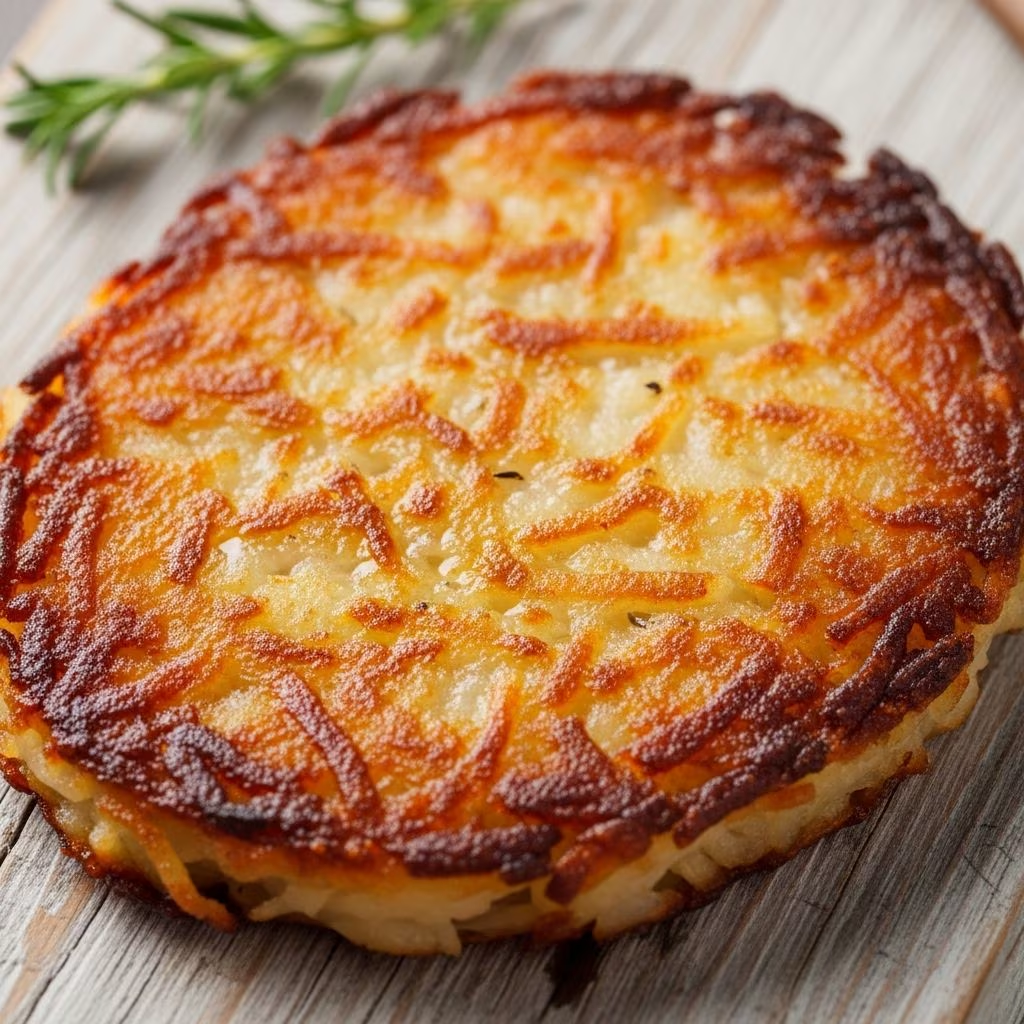
Resist the urge to disturb the potatoes during the initial cooking phase. Allow them to rest undisturbed for approximately five minutes, permitting the heat to penetrate the mixture and develop a crispy, golden-brown crust on the bottom surface. You’ll notice the edges beginning to darken and curl slightly upward.
Using a spatula, carefully flip the hash browns to cook the opposite side. This second phase also requires about five minutes, allowing the newly exposed surface to achieve similar browning and crispness. The hash browns are finished when both sides display a rich golden-brown color and feel crispy when pressed gently.
Drainage and Final Seasoning
Remove the cooked hash browns from the skillet and immediately place them on clean paper towels. This crucial step absorbs excess oil that would otherwise compromise the crispiness and make the final product feel greasy on the palate.
Once the oil has been sufficiently absorbed, season the hash browns with salt and pepper according to your taste preferences. Some cooks prefer applying seasoning before plating, while others allow diners to season their own portions. Either approach works well, depending on your serving style.
Creative Variations and Flavor Enhancements
Vegetable Additions
Beyond the traditional onion, numerous vegetables can be incorporated to create unique variations. Diced bell peppers, whether fresh or frozen, add color, sweetness, and nutritional value. Finely minced garlic contributes pungent depth, while fresh herbs like parsley or chives provide brightness and visual appeal. Some cooks enjoy adding diced mushrooms for an earthy, umami-rich flavor dimension.
Spice and Seasoning Profiles
Move beyond basic salt and pepper by experimenting with seasonings. Smoked paprika introduces a subtle smokiness reminiscent of bacon or campfire cooking. Cayenne pepper delivers a gentle heat for those who enjoy spicy breakfast items. Italian seasoning, garlic powder, and onion powder create Mediterranean-inspired variations.
Protein Integration
Hash browns serve as an excellent canvas for protein additions. Shredded cheese, whether cheddar, Mexican blend, or aged Gruyère, can be folded into the mixture before cooking or sprinkled on top immediately after removing from the pan. Cooked crumbled bacon, sausage, or ham add meaty elements that transform hash browns into more substantial breakfast dishes.
Serving Suggestions and Accompaniments
Hash browns pair beautifully with numerous breakfast components. Serve alongside scrambled or fried eggs for a classic combination, or integrate them into breakfast burritos alongside beans, cheese, and chorizo. They complement pancakes, waffles, and French toast when served as a contrasting texture element on the breakfast plate.
Condiment choices enhance the dining experience significantly. Traditional ketchup remains a popular choice, while hot pepper sauce appeals to those preferring spicy accompaniments. Sour cream mixed with fresh herbs creates a tangy dipping sauce, and salsa brings brightness and complexity. Some regional traditions pair hash browns with gravy or hollandaise sauce for special occasions.
Common Mistakes to Avoid
Insufficient rinsing of shredded potatoes represents perhaps the most common error. Failing to remove excess starch prevents proper browning and results in dense, gummy hash browns rather than crispy ones. Equally problematic is inadequate drying, which introduces moisture that steams the potatoes rather than frying them.
Using oil that hasn’t reached sufficient temperature creates hash browns that absorb excessive oil and emerge greasy rather than crispy. Conversely, oil that’s too hot may burn the exterior before the interior cooks through. Constantly stirring or flipping the hash browns interferes with crust development. They require patient, undisturbed cooking time to achieve their characteristic texture.
Overloading the skillet with potato mixture prevents adequate browning due to overcrowding and temperature drops. Work in batches if necessary to ensure each portion receives proper heat exposure.
Storage and Reheating Strategies
Cooked hash browns can be stored in an airtight container in the refrigerator for up to three days. To reheat, place them in a skillet over medium heat with a small amount of oil, cooking until the exterior becomes crispy again. This restores much of the original texture that would be lost through microwave reheating. Alternatively, reheating in a toaster oven at 350 degrees Fahrenheit for about ten minutes produces acceptable results.
Frequently Asked Questions
Can I prepare hash browns in advance?
Yes, you can prepare the potato mixture several hours ahead. After mixing the shredded potatoes with onions, flour, and egg, store the mixture in a covered container in the refrigerator. Cook when ready to serve, though you may need to drain any accumulated liquid before cooking.
What’s the best oil for cooking hash browns?
Neutral oils with high smoke points work best. Vegetable oil, canola oil, or avocado oil are excellent choices. Butter adds flavor but has a lower smoke point and may burn at the required temperature. Some cooks use a combination of butter and oil to achieve both flavor and functionality.
How do I achieve maximum crispiness?
Thorough rinsing and drying of the potatoes is paramount. Use sufficient oil at the proper temperature, and resist disturbing the hash browns while they cook. Removing them promptly from the pan and draining on paper towels eliminates excess oil that compromises crispness.
Can I make hash browns without eggs?
While eggs provide binding assistance, hash browns can be made without them, though they may be slightly more fragile. Increase the flour slightly to compensate, or use a small amount of corn starch for binding.
Are there healthier cooking methods?
Air frying has become increasingly popular for preparing hash browns with reduced oil content. Microwave or steam potatoes first until tender, then air fry at high temperature to achieve browning. This method produces acceptable results with significantly less oil than traditional pan-frying.
Conclusion: Mastering Your Hash Brown Craft
Creating exceptional hash browns involves understanding fundamental principles rather than following rigid formulas. By selecting quality potatoes, properly preparing them through thorough rinsing and drying, and cooking with attention to temperature and timing, you’ll consistently produce hash browns that rival those served in restaurants. Experimentation with vegetables, proteins, and seasonings allows you to develop signature variations that reflect your personal preferences and impress family and guests alike.
References
- Potato Varieties and Cooking Properties — United States Department of Agriculture. 2024. https://www.usda.gov/
- Food Safety Guidelines for Potato Preparation — Food and Drug Administration. 2024. https://www.fda.gov/
- Oil Smoke Points and Cooking Temperature Guidelines — National Institutes of Health. 2023. https://www.nih.gov/
- Starch Chemistry in Potato Cookery — McGee, H. (2004). On Food and Cooking: The Science and Lore of the Kitchen. Scribner. 2004.
- Breakfast Preparation Methods and Nutrition — Academy of Nutrition and Dietetics. 2024. https://www.eatright.org/