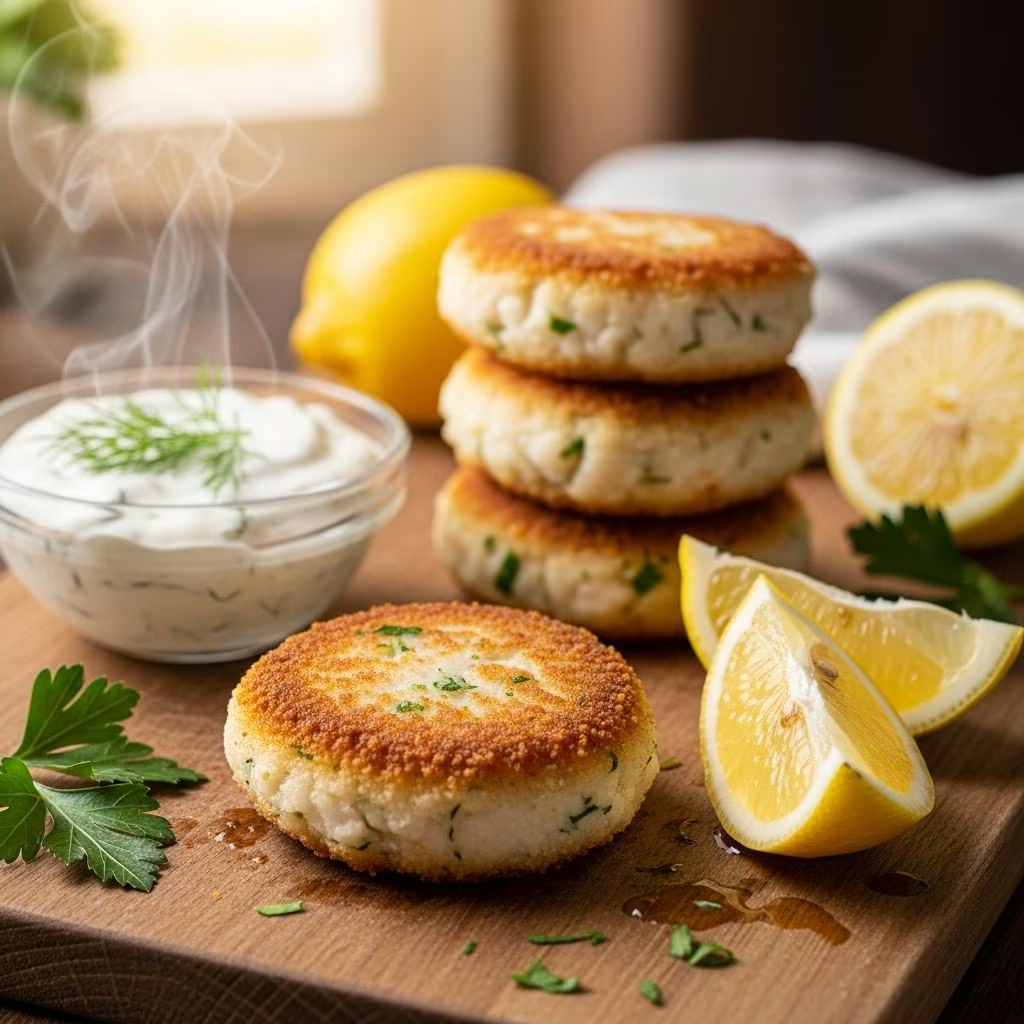
Cod fish cakes represent a timeless comfort food that spans multiple culinary traditions, from Mediterranean coastal regions to North American fishing communities. These savory patties combine flaky cod with carefully selected ingredients to create a dish that is both satisfying and versatile. Whether you’re preparing a weeknight dinner or impressing guests at a gathering, mastering the technique of making cod fish cakes opens up a world of culinary possibilities.
Understanding the Foundation: What Makes Excellent Cod Fish Cakes
The foundation of successful cod fish cakes rests upon understanding the essential components that work together harmoniously. At their core, these cakes require quality cod fish that has been properly cooked and flaked into manageable pieces. The binding ingredients—typically eggs, breadcrumbs, and sometimes sour cream or mayonnaise—hold everything together while contributing to the texture and moisture content. Aromatic vegetables and seasonings then elevate the flavor profile, transforming simple ingredients into something genuinely memorable.
The texture contrast between the crispy exterior and tender interior defines the appeal of well-made fish cakes. Achieving this balance requires attention to detail at every stage, from ingredient preparation through final cooking.
Selecting and Preparing Your Cod
The quality of your cod determines the foundation of your finished dish. Fresh cod fillets work wonderfully when you have access to them, though frozen cod that has been properly thawed produces equally satisfying results. When selecting cod, look for flesh that appears firm and white, with no strong fishy odors.
Preparing the cod involves gentle cooking to preserve its delicate texture and flavor. Baking represents one of the most straightforward methods: arrange cod fillets on a prepared baking sheet, season lightly with salt and pepper, drizzle with olive oil, and bake at 375 degrees Fahrenheit for approximately 20 minutes. Alternatively, poaching the cod in seasoned milk or broth infuses it with subtle flavor while maintaining moisture. Once cooked, allow the fish to cool completely before flaking it with a fork, taking care to remove any small bones that might remain.
Building Complex Flavors: The Aromatics and Seasonings
The vegetables you incorporate contribute both flavor and textural interest to your fish cakes. Red onion, celery, and carrots form the traditional vegetable base, each bringing distinct characteristics to the mixture. Sautéing these vegetables in olive oil before combining them with the flaked fish develops their natural sweetness and mellows their sharpness.
Fresh herbs elevate the entire dish significantly. Parsley provides a bright, clean note that complements cod beautifully, while green onions add a subtle allium undertone. Consider these classic additions:
- Fresh parsley—roughly half a cup, finely chopped
- Green onions—thinly sliced for delicate texture
- Garlic—minced for aromatic depth
- Lemon zest—brightening the overall flavor profile
- Dijon mustard—adding subtle complexity and tang
- Capers—contributing briny, punchy notes
The Binding Mixture: Creating the Right Consistency
Once your cod and vegetables are prepared, combining them with binding ingredients creates the moldable mixture that forms your cakes. Mayonnaise or sour cream provides moisture and richness, while eggs act as the primary binder that holds everything together during cooking. Breadcrumbs—whether traditional or panko varieties—contribute to structural integrity and help achieve that prized crispy exterior.
The proper consistency is neither too dry nor excessively wet. If your mixture seems dry and crumbly, a beaten egg or additional mayonnaise helps. If it appears overly wet and sticky, incorporating more breadcrumbs restores balance. The goal is achieving a moldable mixture that holds its shape firmly without becoming dense or paste-like.
Seasoning plays a crucial role at this stage. Taste the mixture before cooking and adjust salt, pepper, and other seasonings to your preference. This ensures every bite delivers balanced, satisfying flavor.
Shaping Your Fish Cakes: Techniques for Consistent Results
How you shape your mixture affects both appearance and cooking consistency. Many recipes suggest forming the mixture into equal portions—typically eight portions from a standard batch—which ensures even cooking and professional presentation.
Several shaping techniques work effectively:
- Hand-formed patties—using lightly floured hands to gently pack the mixture into flat, round cakes approximately 4 inches in diameter
- Meatball method—forming the mixture into balls before gently flattening them between your palms
- Scoop-and-form approach—using a measuring scoop to portion the mixture uniformly, then forming each portion into a patty
Proper shaping requires a light touch; overly compressed fish cakes become dense and heavy. Allow shaped cakes to rest on parchment paper, then refrigerate them for at least 30 minutes before cooking. This chilling period allows the mixture to firm up, making the cakes less likely to fall apart during cooking.
The Breading Process: Creating the Crispy Exterior
The traditional three-bowl breading method ensures an even, golden coating on your finished cakes. Set up your breading station with three shallow bowls containing:
- All-purpose flour mixed with a pinch of salt and pepper
- Beaten eggs
- Panko breadcrumbs or finely crumbled traditional breadcrumbs
Working with one cake at a time, coat it thoroughly in the flour mixture, shaking off excess. Dip the floured cake into the beaten egg, allowing excess to drip away. Finally, press it gently into the breadcrumbs, ensuring complete coverage on all sides and edges. This thorough breading creates a protective shell that fries to a satisfying golden crunch.
Cooking Methods: From Pan-Frying to Baking
Pan-Frying for Traditional Texture
Pan-frying remains the most popular cooking method, delivering the crispy exterior and tender interior that define exceptional fish cakes. Heat a generous layer of high-heat oil—such as canola, sunflower, or safflower oil—in a large skillet over medium-high heat until shimmering. Carefully place the breaded fish cakes into the hot oil, being mindful not to overcrowd the pan. Cook in batches if necessary, allowing 4 to 6 minutes per side until the exterior achieves a deep golden-brown color. Flip gently using a thin spatula, supporting the cake as you turn it to prevent breaking. Keep finished cakes warm in a 250-degree Fahrenheit oven while completing the remaining batches.
Baking as a Lighter Alternative
For a lighter preparation method that reduces oil consumption, baking provides excellent results. Place shaped, chilled fish cakes on a parchment-lined baking sheet, lightly spray or brush them with oil, and bake at 425 degrees Fahrenheit for approximately 15 minutes until golden brown. While baked versions lack the same crispy depth as pan-fried cakes, they offer convenience and reduced fat content without sacrificing flavor.
Serving Suggestions and Complementary Accompaniments
The versatility of fish cakes extends to their serving options. Serve them hot immediately after cooking for optimal texture contrast. A squeeze of fresh lemon juice brightens the flavors and adds acidity that complements the richness of the cod.
Consider these serving combinations:
| Accompaniment | Flavor Profile | Best Occasion |
|---|---|---|
| Tartar sauce | Classic, tangy, creamy | Traditional dinner |
| Fresh lemon wedges | Bright, acidic, clean | Casual meal |
| Herb aioli | Garlicky, fresh, rich | Gourmet presentation |
| Spicy hot sauce | Bold, fiery, complex | Adventurous dining |
| Creamy dill sauce | Herbaceous, soothing, elegant | Special dinner |
Side dishes that pair beautifully with fish cakes include crisp green salads with vinaigrette, steamed vegetables, roasted potatoes, or simple coleslaw. These accompaniments provide textural contrast while balancing the richness of the cakes.
Creative Variations and Flavor Modifications
While the classic recipe provides a solid foundation, numerous variations allow you to adapt fish cakes to your preferences and ingredient availability.
Incorporating Additional Proteins and Umami
Crispy bacon pieces add smoky depth and textural interest, while grated Parmesan cheese contributes savory umami notes. A small amount of brined capers introduces briny complexity without overwhelming the delicate cod flavor.
Spice and Heat Elements
Red pepper flakes or chili powder transform the flavor profile for those enjoying heat. Old Bay seasoning references the Chesapeake Bay fishing tradition and works particularly well with cod. Fresh horseradish or mustard seeds provide sharp, peppery undertones.
Incorporating Potatoes
Many traditional preparations include mashed potatoes, which add body, create a heartier texture, and allow you to stretch fewer fish into more cakes. When using potatoes, reduce the quantity of breadcrumbs slightly to compensate for the added starch.
Mediterranean Influences
Olives, sun-dried tomatoes, or additional fresh herbs like basil and oregano provide Mediterranean-inspired variations that celebrate the flavors of coastal regions where fish cakes have long been tradition.
Ingredient Selection and Quality Considerations
The quality of individual ingredients directly impacts your finished dish. Use fresh cod when possible, though high-quality frozen cod that has been properly thawed performs exceptionally well. Fresh eggs produce superior binding compared to older eggs, while fresh herbs provide brighter flavor than dried alternatives.
Breadcrumb selection affects texture significantly. Panko breadcrumbs create a lighter, airier crust with more pronounced crunchiness, while traditional breadcrumbs produce a finer, denser coating. Choose according to your textural preference.
Storage and Make-Ahead Strategies
Fish cakes offer excellent make-ahead potential, making them ideal for meal planning. Shaped, uncooked cakes can be refrigerated for up to 24 hours before cooking, allowing the mixture to firm up further and develop cohesion. For longer storage, freeze shaped cakes on a baking sheet until solid, then transfer them to freezer-safe containers for up to three months. Cook frozen cakes directly without thawing, adding a few extra minutes to the cooking time.
Cooked fish cakes store well refrigerated for three to four days in an airtight container. Reheat gently in a 325-degree oven for 10 to 12 minutes to restore crispness without drying out the interior.
Frequently Asked Questions About Fish Cake Preparation
Can I use different types of fish besides cod?
Yes, though cod’s mild flavor and flaky texture make it ideal. Halibut, haddock, or salmon work well, though salmon creates a richer flavor and warmer color. Adjust seasonings based on the fish type’s inherent flavor intensity.
What causes fish cakes to fall apart during cooking?
Insufficient binding typically causes disintegration. Ensure adequate egg content and proper mixing until ingredients are fully incorporated. Additionally, adequate chilling before cooking allows the mixture to firm up significantly.
Can I bake these instead of frying?
Absolutely. Baked fish cakes are lower in fat and still delicious, though they lack the crispy exterior that pan-frying provides. Brush lightly with oil and bake at 425 degrees Fahrenheit for about 15 minutes.
How do I know when fish cakes are cooked through?
The exterior should be golden brown and crispy, while the interior remains moist. A meat thermometer reading of 165 degrees Fahrenheit indicates thorough cooking, though properly cooked fish cakes should feel firm when pressed gently.
What’s the best way to keep cooked fish cakes warm?
Place finished cakes on a plate in a 250-degree oven while cooking remaining batches. This gentle warmth maintains temperature without further cooking or drying.
Conclusion: Mastering This Versatile Dish
Homemade cod fish cakes represent an achievable yet impressive dish that rewards attention to detail. From selecting quality ingredients through proper technique at each stage, every decision contributes to the final result. Whether you follow the traditional approach or explore creative variations, these versatile cakes satisfy as a casual family dinner or a more elegant presentation. With practice, you’ll develop the intuition to adjust recipes based on ingredient availability and personal preferences, making this classic preparation genuinely your own.
References
- Codfish Cakes — Edible Vineyard. 2023-10-05. https://ediblevineyard.com/2023/10/05/in-season-classic-codfish-cakes/
- Crispy Cod Fish Cakes — Pinch and Swirl. https://pinchandswirl.com/cod-fish-cakes/
- Baked Cod Fish Cakes — Mediterranean Latin Love Affair. https://mediterraneanlatinloveaffair.com/cod-fish-cakes/
- Fresh Cod Cakes with Italian Salsa Verde — Our Italian Table. https://ouritaliantable.com/fresh-cod-cakes/
- Irish Cod Fish Cakes — Irish American Mom. https://www.irishamericanmom.com/irish-cod-fish-cakes/
- Salt Cod Fish Cakes (Newfoundland-Style) — Kelly Neil. https://kellyneil.com/salt-cod-fish-cakes/