Creating perfectly breaded shrimp at home is more achievable than many home cooks realize. With straightforward techniques and readily available ingredients, you can prepare a dish that rivals restaurant offerings. This comprehensive guide walks through everything needed to master this classic seafood preparation, from ingredient selection through plating and serving suggestions.
Understanding Your Ingredient Foundation
The foundation of exceptional breaded shrimp begins with selecting quality components. Each ingredient plays a specific role in creating the final texture and flavor profile you’re aiming to achieve.
Shrimp Selection and Preparation
Starting with the right shrimp makes a substantial difference in your finished dish. Jumbo or large shrimp work best because they provide adequate surface area for coating while maintaining tender interiors. Whether using fresh shrimp or thawed frozen varieties, the preparation steps remain consistent. Pat your shrimp completely dry using paper towels—moisture is the enemy of crispy coatings. If your shrimp still has tails attached, remove them for a cleaner presentation and easier handling during the breading process. This step requires just a few minutes but significantly impacts the final product’s appearance and texture.
Breadcrumb Options and Combinations
The choice of breadcrumbs fundamentally affects your coating’s crispness and texture. Panko breadcrumbs offer superior crunchiness compared to traditional options because of their larger, airier structure. Many successful recipes combine panko with regular breadcrumbs to achieve a balance between crispness and adherence. The mixture provides the ideal density—light enough to fry to golden perfection yet sturdy enough to stay coating the shrimp throughout cooking. For those seeking healthier alternatives, whole wheat breadcrumbs work effectively, though they produce a slightly denser coating. Gluten-free varieties are also available for those with dietary restrictions.
Seasoning Strategy
Flavor builds through strategic seasoning at multiple stages. Garlic salt, paprika, lemon pepper, and seafood seasoning create a well-rounded profile that complements shrimp’s natural sweetness. Rather than applying seasonings directly to shrimp, incorporating them into your breadcrumb mixture ensures even distribution throughout the coating. This approach prevents over-salting while guaranteeing consistent flavor in every bite. Some recipes include Parmesan cheese in the breadcrumb mixture, adding umami depth and richness that elevates the overall dish.
Setting Up Your Breading Station
Organization is key to efficient and successful breading. Establishing a logical workflow prevents confusion and ensures consistent coating quality throughout the process.
The Three-Bowl System
Professional cooks and experienced home chefs use a three-bowl breading setup that streamlines the process:
- Bowl One contains flour mixed with salt and pepper for the initial dredging stage
- Bowl Two holds your egg wash—typically beaten eggs combined with a splash of milk or buttermilk for better adhesion
- Bowl Three includes your seasoned breadcrumb mixture ready for the final coating
This systematic approach ensures each shrimp receives proper coating at each stage while keeping your hands relatively clean. Work from left to right through the bowls to maintain organization and prevent cross-contamination.
Preparation Details
Place all bowls on a clean workspace before beginning. Line a baking sheet with parchment paper or foil, and set a wire rack on top if you have one available. This setup allows excess moisture to drain away from your breaded shrimp, preventing soggy bottoms. Some cooks prefer placing breaded shrimp directly on the prepared sheet, which works fine but may result in slightly softer bottoms in certain baking scenarios.
The Breading Process Explained
Proper breading technique ensures your coating adheres well and fries evenly. Rushing through this step often results in breading that falls off during cooking or coats unevenly.
Step-by-Step Coating Technique
- Take one shrimp and coat it completely in the flour mixture, shaking off excess gently
- Dip the flour-coated shrimp into the egg wash, ensuring complete coverage
- Press the shrimp firmly into the breadcrumb mixture, coating both sides thoroughly
- Place the breaded shrimp on your prepared surface
- Repeat this process for all remaining shrimp
The key to successful adhesion lies in the gentle pressing action when applying breadcrumbs. This pressure helps the mixture stick to the egg wash coating, creating a secure bond that won’t separate during cooking. Some recipes recommend a double-dipping technique—returning breaded shrimp to the egg wash and then back into breadcrumbs for extra-thick, extra-crispy coatings.
Professional Tips for Better Results
Keep one hand designated for wet ingredients and one for dry ingredients to minimize mess and prevent caked-on coating on your hands. Work with small batches—breading four to six shrimp at a time—to maintain focus and consistency. If your breadcrumb mixture begins drying out or becomes clumpy, discard it and prepare a fresh batch. This ensures optimal texture and appearance in your finished dish.
Cooking Methods: Two Excellent Approaches
You have two primary cooking options, each producing delicious results with different benefits and considerations.
Deep Frying Method
Traditional deep frying creates the crispiest, most authentic texture that many diners expect from breaded shrimp. Heat vegetable oil in a large skillet to approximately 325-350°F (163-177°C). The oil depth should reach about half an inch up the skillet’s sides. Working in batches to avoid overcrowding, gently place breaded shrimp into the hot oil. Fry for two to three minutes per side until golden brown and cooked through. Remove with a slotted spoon and drain on paper towels before serving.
The challenge with deep frying involves managing oil temperature consistently and dealing with post-cooking cleanup. However, the results justify the effort for special occasions or when you want restaurant-quality presentation.
Oven-Baked Alternative
For a lighter option with less oil and easier cleanup, oven-baking produces excellent results when executed properly. Preheat your oven to 400-450°F (204-232°C). Place breaded shrimp on an oiled baking sheet and spray the shrimp generously with cooking oil spray or brush lightly with oil. Bake for six to seven minutes, then flip and cook another three to four minutes until golden and cooked through. Some cooks prefer toasting their breadcrumbs in butter and oil on the stovetop before incorporating them into the breading mixture, which adds richness and ensures even browning in the oven.
Quality Indicators and Doneness Testing
Knowing when your shrimp reaches perfect doneness prevents both undercooked and overcooked results.
Visual and Textural Signs
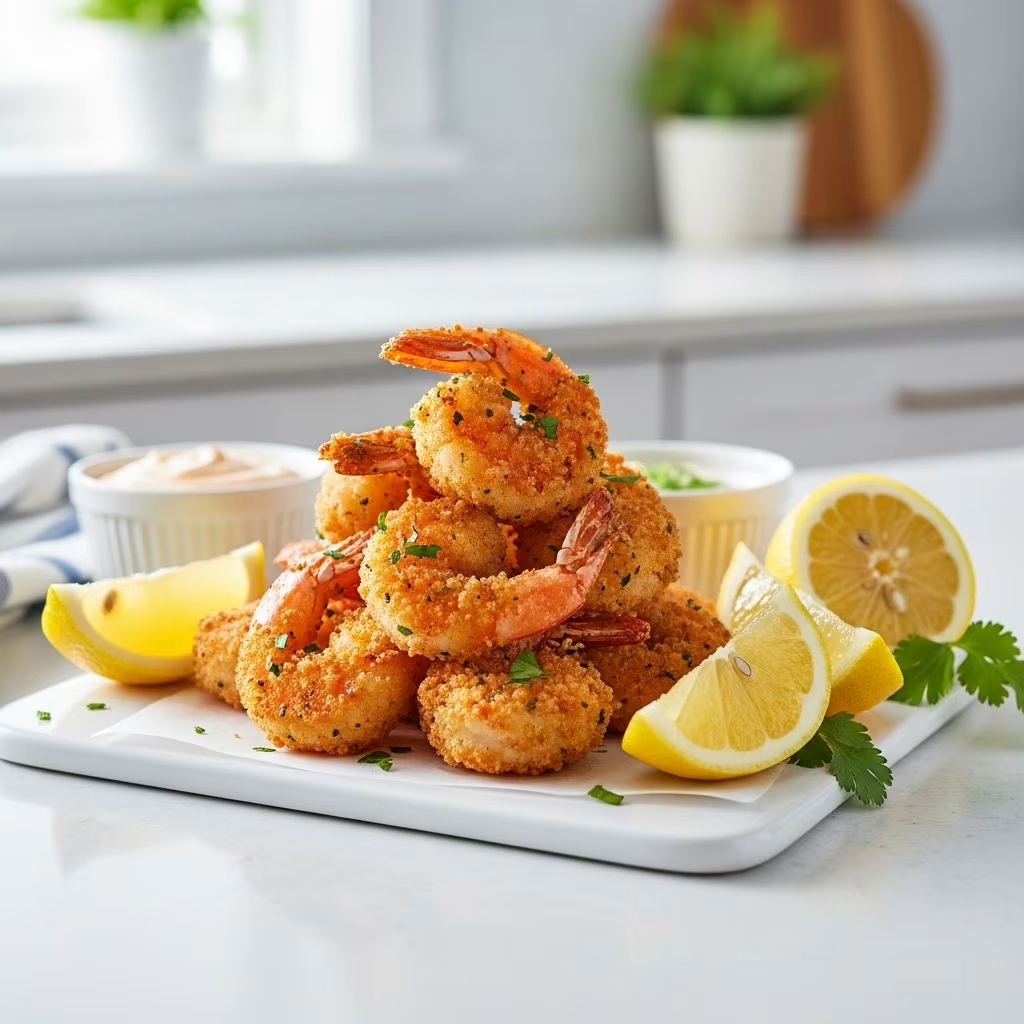
Properly cooked breaded shrimp should display a golden-brown, crispy exterior that crackles slightly when bitten. The interior should be opaque white throughout with no translucent areas. Overcooked shrimp becomes rubbery and loses its natural sweetness, so timing precision matters. Keep careful track of cooking times, especially when frying, as the difference between perfect and overdone can be mere seconds.
Texture Assessment
The coating should crack or shatter slightly when you bite through it, indicating proper crisping. If the coating feels soft or chewy, your oil wasn’t hot enough or cooking time was insufficient. If it tastes burnt or extremely hard, you’ve exceeded ideal cooking temperatures or times.
Serving and Accompaniment Suggestions
Breaded shrimp pairs well with numerous sauces and side dishes that complement its crispy exterior and tender interior.
Classic Sauce Pairings
- Cocktail sauce with its tangy tomato and horseradish base
- Tartar sauce for a creamy, briny accompaniment
- Remoulade sauce with its slightly spicy Creole character
- Simple aioli for those preferring subtle flavors
- Sweet and sour sauce for Asian-inspired presentations
Side Dish Combinations
Serve breaded shrimp alongside steamed rice, roasted vegetables, or simple green salads for balanced meals. Coleslaw offers a refreshing textural contrast, while roasted potatoes provide heartier options. For appetizer presentations, arrange breaded shrimp on lettuce leaves or serve with toothpicks for easy grabbing at parties.
Storage and Make-Ahead Strategies
Planning ahead allows you to prepare components in advance, making mealtime more manageable.
Advance Preparation
You can bread shrimp several hours ahead of cooking. After completing the breading process, arrange them in a single layer on a baking sheet, cover with plastic wrap, and refrigerate. This step actually improves final texture by allowing the coating to adhere more firmly before cooking. When ready to cook, remove from refrigeration and proceed immediately with your chosen cooking method—no thawing necessary if refrigerated.
Leftover Storage
Cooked breaded shrimp maintains best quality when stored in an airtight container in the refrigerator for up to two days. Reheat in a 350°F (177°C) oven for five to seven minutes to restore crispness, which works better than microwave reheating that tends to soften the coating.
Troubleshooting Common Issues
Coating Separation During Cooking
This typically occurs when shrimp aren’t completely dry before breading or when the egg wash layer is too thin. Ensure thorough drying with paper towels and don’t skip or rush the egg wash application step.
Uneven Browning
Inconsistent browning usually indicates crowding in the cooking vessel or uneven oil temperature. Work in smaller batches and maintain consistent temperature throughout cooking.
Greasy Finished Dish
Excessive greasiness suggests oil temperature was too low, causing extended cooking times that allow oil absorption. Verify oil temperature with a reliable thermometer before adding shrimp.
Nutritional Considerations
Breaded shrimp provides excellent protein content, with approximately 20 grams per serving depending on shrimp quantity. The coating adds carbohydrates and fat to the nutritional profile. Oven-baking significantly reduces fat content compared to deep frying, making it suitable for health-conscious diners. Using whole wheat breadcrumbs increases fiber content without substantially changing flavor or texture.
Frequently Asked Questions
Can I use frozen shrimp for this recipe?
Yes, frozen shrimp work excellently. Thaw them completely under cold running water, then pat dry thoroughly before beginning the breading process. Proper drying is especially important with frozen shrimp since they tend to retain more surface moisture.
What oil temperature produces the best results?
Most recipes recommend 325-350°F (163-177°C). This range allows the interior to cook through while the exterior achieves golden crispiness. Use a reliable cooking thermometer for accuracy.
How many servings does a typical recipe yield?
One pound of shrimp typically provides four servings as a main course or six to eight servings as an appetizer, depending on portion size and what you’re serving alongside.
Can I prepare breaded shrimp without a deep fryer?
Absolutely. A regular skillet with half an inch of oil works well for shallow frying, or you can use the oven-baking method for a completely different approach that requires no oil heating.
What’s the difference between panko and regular breadcrumbs in this application?
Panko’s larger, airier structure creates a crunchier coating with better texture contrast against the tender shrimp interior. Regular breadcrumbs produce denser, tighter coatings that are still delicious but less dramatically crispy.
References
- Breaded Shrimp — Amanda’s Cookin’. https://amandascookin.com/breaded-shrimp/
- Healthy Breaded Shrimp — Skinnytaste. https://www.skinnytaste.com/healthy-breaded-shrimp/
- Oven-Baked Breaded Shrimp — Gather & Be. https://www.gather-be.com/post/oven-baked-breaded-shrimp
- Crispy Breaded Shrimp — Kawaling Pinoy. https://www.kawalingpinoy.com/crispy-breaded-shrimp/
- Restaurant-Style Fried Shrimp — Ask Chef Dennis. https://www.askchefdennis.com/restaurant-style-fried-shrimp/