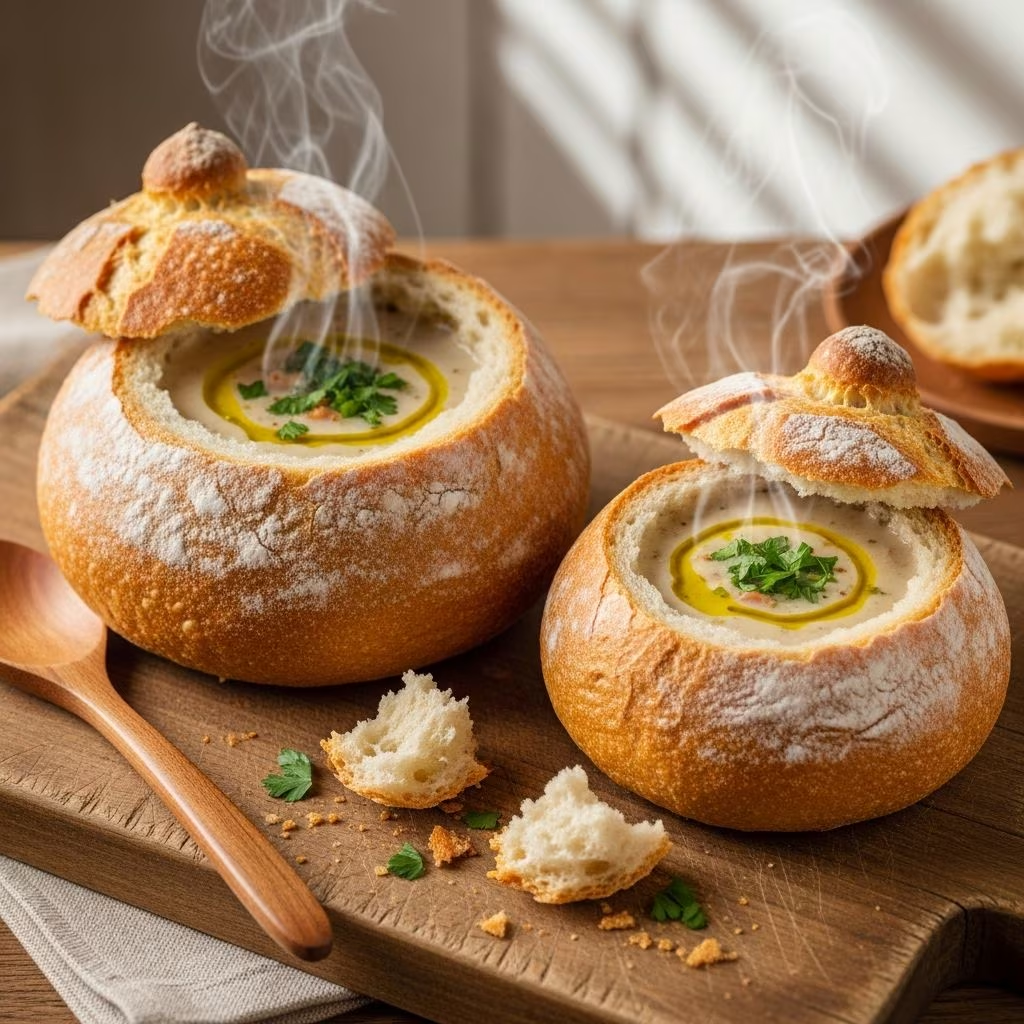
Creamy tortilla soup represents a harmonious blend of Mexican culinary traditions and comfort food appeal, making it a beloved choice for weeknight dinners and special gatherings alike. While the basic concept seems straightforward—combine broth, vegetables, and cream for a satisfying meal—achieving consistent excellence requires understanding the fundamental techniques that separate a merely adequate soup from an exceptional one. This comprehensive guide explores the strategies, ingredient selections, and cooking methods that will transform your tortilla soup preparation from routine to remarkable.
Understanding the Foundation: Building Flavor Layers
The secret to exceptional creamy tortilla soup lies in developing multiple layers of flavor rather than relying on a single dominant ingredient. Beginning with aromatic vegetables creates the foundational taste profile that will carry throughout the entire dish. When you sauté diced onions in fat—whether butter, olive oil, or a combination—you initiate the Maillard reaction, a chemical process that develops complex, savory notes impossible to achieve through other methods.
The addition of minced garlic and tomato paste during this initial phase further deepens the flavor foundation. Tomato paste, in particular, concentrates tomato flavors through reduction and adds natural sweetness that balances the eventual addition of cream. Rather than adding these components hastily, allowing them to cook together for two to three minutes permits the flavors to meld and intensify.
Spice Selection and Application
Ground cumin and coriander provide the characteristic warmth that defines tortilla soup’s flavor identity. These spices benefit from blooming—a technique where dry spices are briefly heated in fat before liquid ingredients are added. This process releases their essential oils and aromatic compounds, distributing them more evenly throughout the soup and preventing the raw, slightly bitter taste that can result from adding spices directly to liquid.
For those seeking additional heat, cayenne pepper, jalapeños, or green chilies deliver both spiciness and complementary flavor notes. The key consideration involves balancing heat intensity with other components; the eventual addition of dairy products will mellow spice levels, so accounting for this tempering effect during the initial seasoning phase prevents an underseasoned final product.
Selecting Proteins: Quality and Preparation Methods
Chicken serves as the traditional protein base for creamy tortilla soup, offering mild flavor that integrates seamlessly with other components. The method of preparation significantly impacts both texture and taste absorption.
- Raw chicken breasts cooked directly in broth: This approach allows the chicken to absorb surrounding flavors while contributing its own essence to the broth. Cooking whole breasts maintains moisture better than diced pieces, which can become dry and stringy during extended simmering.
- Pre-cooked chicken: Using rotisserie chicken or previously cooked chicken breasts saves preparation time and ensures consistent texture. This method works particularly well when your schedule demands efficiency.
- Shredded versus chunked preparation: Shredded chicken distributes more evenly throughout the soup and creates a more cohesive texture, while chunks provide distinct mouthfeel and visual appeal.
For optimal results when cooking raw chicken in the broth, maintain a gentle simmer rather than a rolling boil. Rapid boiling can toughen the protein and cause it to release excessive moisture, resulting in less flavorful broth. A cooking time of 15 to 20 minutes ensures thorough cooking while maintaining tenderness and moisture content.
Vegetable Incorporation: Texture and Nutritional Balance
Beyond the aromatic base of onions, garlic, and tomato paste, additional vegetables contribute both nutritional value and textural complexity. Black beans and corn appear frequently in tortilla soup recipes, each contributing distinct characteristics.
Black beans provide fiber, protein, and earthy undertones that complement the soup’s other components. Using canned beans offers convenience, though rinsing them thoroughly removes excess sodium and starch. Fresh or frozen beans can be substituted if you prefer greater control over sodium content.
Corn kernels introduce natural sweetness and create pleasant texture contrasts. Fresh corn provides superior flavor but requires more preparation, while frozen corn offers convenience with minimal quality compromise. Canned corn works adequately when drained properly to prevent excess liquid and starch dilution.
Poblano and jalapeño peppers add authentic Mexican flavor while contributing vitamins and minerals. These peppers should be diced into uniform sizes to ensure even cooking and distribution throughout the soup.
The Creaminess Factor: Achieving Ideal Texture
Multiple methods exist for creating the signature creamy texture that defines this soup category. Understanding the advantages and limitations of each approach permits customization based on dietary preferences and ingredient availability.
| Cream Method | Characteristics | Best Used When |
|---|---|---|
| Heavy Cream | Creates rich, luxurious texture with high fat content; maintains stability when heated | You prefer traditional, indulgent results |
| Sour Cream | Adds tanginess and creaminess with slightly lower fat content than heavy cream | You want balanced creaminess with subtle tang |
| Cream Cheese | Provides thick, velvety texture; melts smoothly into hot broth for even distribution | You prefer smooth texture without visible cream streaks |
| Cheddar Cheese | Adds both creaminess and distinct cheese flavor; melts readily in hot soup | You want additional flavor dimension |
| Tortilla Thickener | Puréed or blended tortillas create natural creaminess without dairy; vegan-friendly option | You prefer reduced dairy or need vegan preparation |
Adding dairy products requires careful technique to prevent separation or curdling. Always remove the soup from heat before incorporating sour cream or cream cheese, stirring these ingredients thoroughly to ensure even distribution before returning to gentle heat if necessary. Heavy cream tolerates higher temperatures better than sour cream but benefits from the same cautious approach.
Broth Selection and Its Impact on Final Results
The broth or stock base provides the liquid foundation that carries all other flavors. Low-sodium chicken broth permits better seasoning control throughout the cooking process, allowing you to adjust salt levels precisely rather than compensating for excessive sodium already present.
The quality of broth significantly impacts the final soup’s flavor profile. Homemade broth, while more time-intensive, delivers superior depth compared to commercial options. However, high-quality store-bought broths can produce excellent results when homemade options aren’t available. Avoid broths with excessive additives or artificial flavoring that can introduce off-notes to your carefully constructed soup.
Technical Cooking Methods: Stovetop Versus Slow Cooker
Stovetop Preparation
The traditional stovetop method offers maximum control over cooking time and temperature. This approach permits monitoring texture development and making real-time adjustments to seasoning or consistency. The typical cooking sequence involves sautéing aromatics, adding proteins and broth, simmering until chicken cooks through, then finishing with dairy products and final seasoning. Total preparation and cooking time generally ranges from 30 to 45 minutes, making this method suitable for weeknight preparation.
Slow Cooker Preparation
The slow cooker method accommodates busier schedules by allowing extended, unattended cooking. Layer ingredients in the slow cooker according to specific sequences: dense vegetables and proteins cook first, followed by liquid ingredients, with dairy products and fresh garnishes added immediately before serving. Cooking on low heat for 6 to 8 hours or on high for 3 to 4 hours produces tender ingredients and well-developed flavors. This method requires minimal active preparation time, making it ideal for planned meal preparation.
Ingredient Quality Considerations
The canned tomato products frequently featured in tortilla soup recipes deserve particular attention regarding selection. Fire-roasted diced tomatoes contribute smoky depth that standard canned tomatoes cannot replicate. Products specifically labeled with green chilies already incorporated streamline ingredient lists and often provide superior flavor integration compared to adding green chiles separately.
Fresh ingredients where applicable—such as cilantro, lime juice, and jalapeños—provide brighter notes that balance the soup’s heavier components. Fresh cilantro should be added near the end of cooking to preserve its delicate flavor, while lime juice benefits from brief warming in the finished soup rather than extended cooking that can diminish its brightness.
Garnishing Strategies: Creating Complete Dish Experience
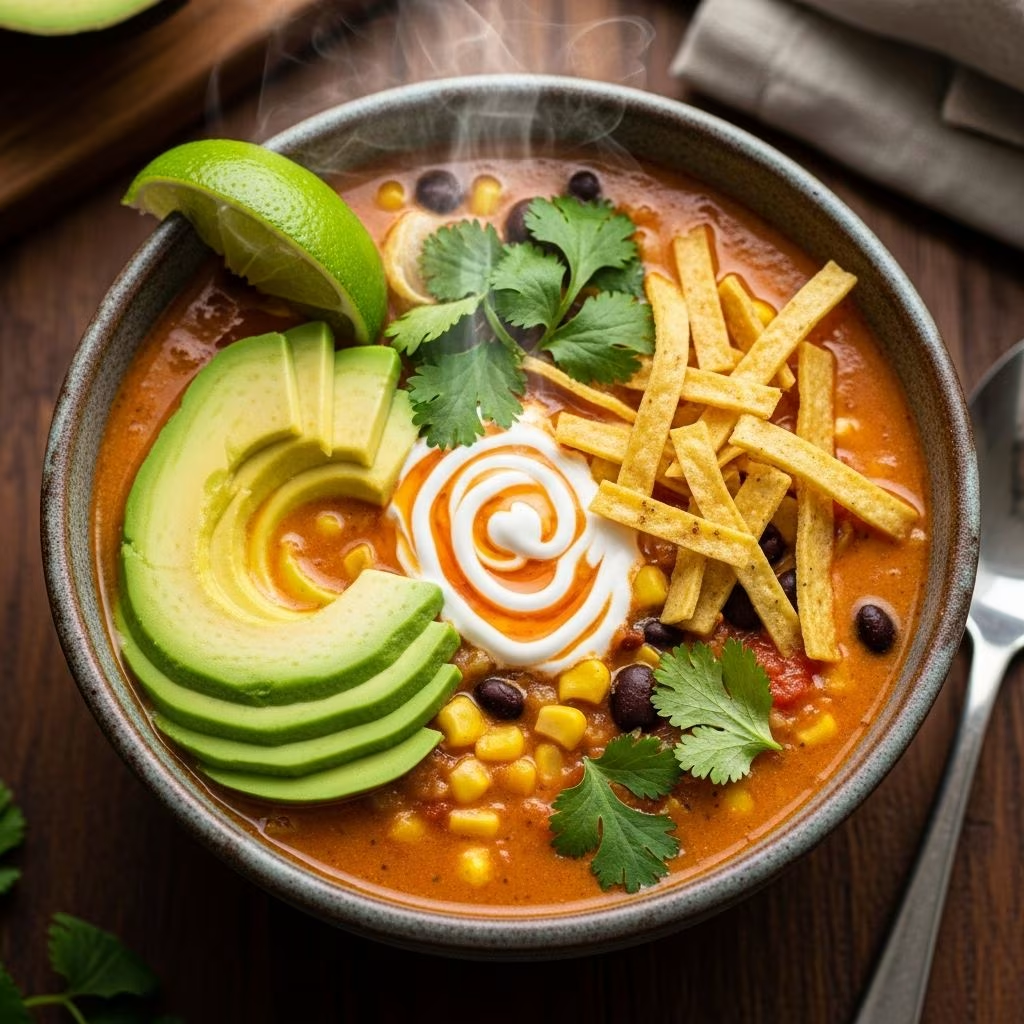
While the soup base receives most preparation attention, thoughtful garnishing transforms the eating experience from adequate to memorable. Crispy corn tortilla strips provide textural contrast to the creamy base, remaining crunchy even after brief contact with warm soup. Homemade strips created by slicing corn tortillas thin and either frying or air-frying offer superior quality compared to commercial alternatives.
Avocado slices contribute richness and subtle flavor, though they should be added immediately before serving to prevent browning. Sour cream dollops create visual appeal and introduce tangy notes that complement the soup’s overall flavor balance. Fresh cilantro sprigs and lime wedges permit diners to customize their individual bowls according to preference.
Common Preparation Mistakes and Solutions
Curdled Cream Products
Curdling occurs when dairy products encounter rapid temperature changes or overly acidic environments. Prevention strategies include removing the soup from direct heat before incorporating dairy, tempering cream products by adding small amounts of hot broth before adding them to the pot, and avoiding extended boiling after cream addition.
Insufficient Flavor Development
Rushing through the initial aromatic sautéing phase often results in one-dimensional flavor profiles. Permitting aromatics to cook unhurried until golden and fragrant, and taking time to bloom spices in fat, significantly enhances the final soup’s complexity and depth.
Uneven Seasoning
Inconsistent seasoning frequently results from incomplete ingredient distribution or inadequate tasting during preparation. Stir the soup thoroughly before tasting, and season gradually rather than adding all salt and spices simultaneously, permitting adjustment as other flavors develop.
Flavor Customization and Variations
While the core tortilla soup formula remains constant, numerous variations permit customization based on personal preferences or dietary requirements. Substituting rotisserie turkey for chicken offers poultry variation, while plant-based proteins accommodate vegetarian preparations. Adjusting spice levels through cayenne pepper quantities permits customization from mild to intensely spicy. Adding additional vegetables such as bell peppers, zucchini, or mushrooms introduces variety while maintaining the soup’s essential character.
Storage and Reheating Guidelines
Properly stored tortilla soup maintains quality for three to four days when refrigerated in airtight containers. Freezing extends storage life to three months, though dairy-based components may separate upon thawing. When reheating, use gentle heat to prevent cream separation, and add fresh garnishes to restore textural appeal and visual appeal that may diminish during storage.
Frequently Asked Questions
- Can tortilla soup be made ahead of time?
- Yes, preparing the soup base without dairy products permits advance preparation. Store the base separately from cream components, then combine shortly before serving to maintain optimal texture and creaminess.
- What can replace heavy cream for a lighter version?
- Half-and-half, evaporated milk, or puréed white beans create creaminess with reduced fat content. Alternatively, blended tortillas provide natural thickening without any dairy.
- How can I adjust spice levels if the soup becomes too hot?
- Adding additional dairy products, beans, or vegetables dilutes heat intensity. Alternatively, incorporating a small amount of sugar or honey can balance excessive spice.
- Is it necessary to cook chicken from raw in the soup?
- No, using pre-cooked chicken, rotisserie chicken, or even turkey offers convenience without compromising final results. Simply add the cooked protein during the final minutes of cooking.
References
- Chicken Cookery and Culinary Science — McGee, Harold. Scribner, 2004. https://www.penguinrandomhouse.com/books/208881/on-food-and-cooking-by-harold-mcgee/
- The Flavor Bible: Essential Reference for Seasoning — Etter, Karen and Rozin, Paul. Little Brown, 2008. https://www.penguinrandomhouse.com/books/303575/the-flavor-bible-by-karen-etter-and-paul-rozin/
- Safe Food Handling: Temperature Guidelines — U.S. Food and Drug Administration. 2023. https://www.fda.gov/food/foodsafety/foodsafetyguidance
- Culinary Science and Cooking Techniques — Corriher, Ona. Kluwer Academic Publishers, 2008. https://www.springer.com/gp/book/9780387944142