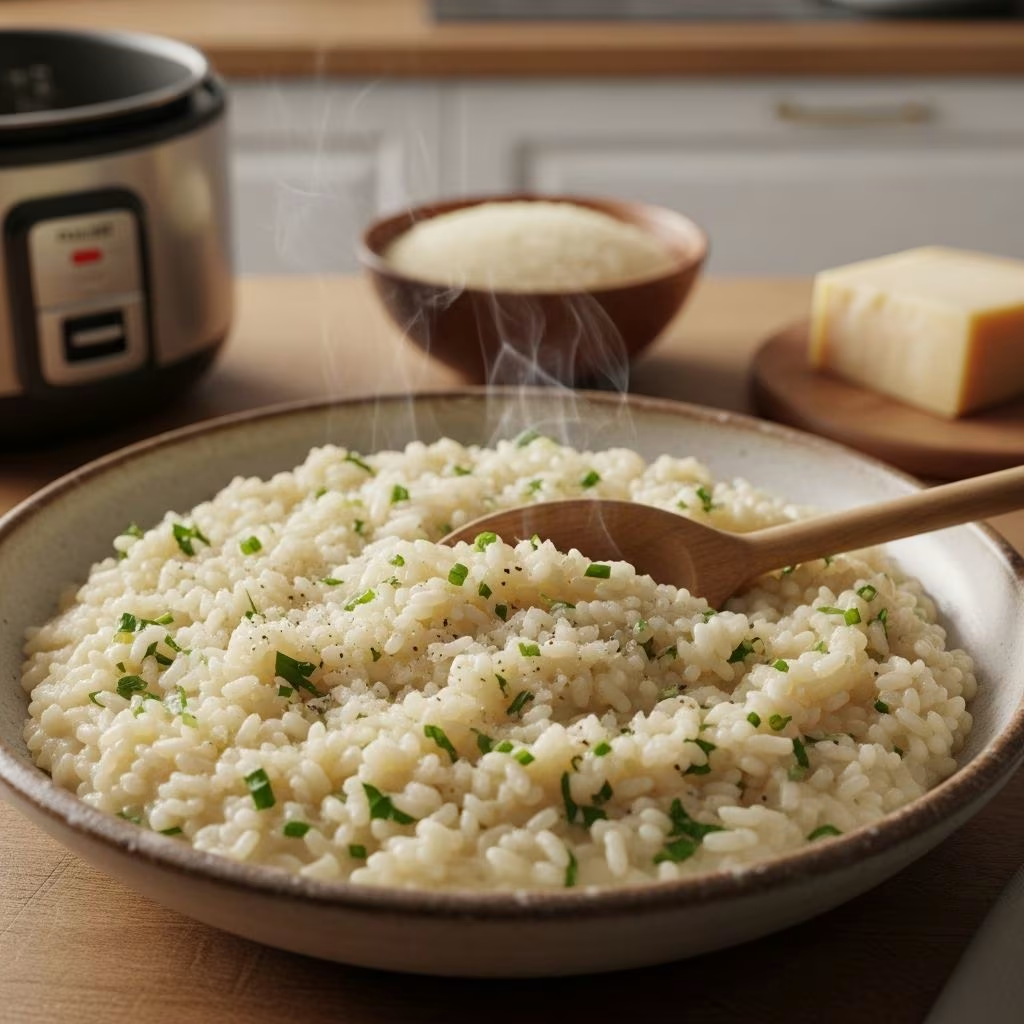
Risotto has long held a reputation as a labor-intensive dish requiring constant attention, precise timing, and unwavering dedication at the stovetop. The traditional preparation involves gradually adding warm broth while continuously stirring for approximately one hour—a commitment that deters many home cooks from attempting this Italian classic. However, modern cooking technology has revolutionized this process. Your rice cooker, a humble kitchen appliance typically reserved for steaming grains, can transform risotto preparation into a manageable, nearly hands-off endeavor that still delivers the creamy, luxurious texture and rich flavor associated with authentic risotto.
Understanding the Traditional Risotto Challenge
Traditional risotto preparation demands more than simple ingredient combination. The technique relies on a specific cooking process where starchy rice grains gradually release their natural starches into the cooking liquid, creating the characteristic creamy consistency without added cream. This process requires constant heat regulation, vigilant broth addition, and continuous stirring to prevent sticking and ensure even cooking. The time investment can easily stretch to 45 minutes to an hour, with the cook tethered to the stovetop throughout the process.
Many aspiring risotto makers abandon the dish after attempting it traditionally, finding the hands-on requirement incompatible with modern busy lifestyles. The rice cooker method addresses these barriers directly by automating much of the process while maintaining the essential chemical transformations that define authentic risotto.
Why Arborio Rice Matters for This Method
Arborio rice serves as the foundation for exceptional risotto, and this becomes even more critical when using the rice cooker technique. This specialized short-grain rice variety originates from the Piedmont region of Italy and possesses unique characteristics that make it ideal for risotto preparation. The grains contain higher starch concentrations than conventional long-grain varieties, which dissolves during cooking to create the signature creamy consistency.
When selecting Arborio rice for your rice cooker method, look for grains that appear slightly chalky or opaque rather than completely translucent. This optical characteristic indicates the presence of amylose starch, the compound responsible for creating creaminess. Some cooks prefer rinsing the rice beforehand to remove excess surface starch, though this step remains optional and slightly reduces the final dish’s creaminess.
Essential Ingredients and Substitution Options
While risotto traditionally features minimal ingredients, each component plays a crucial role in the final dish’s success. Understanding the function of each ingredient allows for thoughtful modifications when pantry limitations arise.
| Ingredient | Purpose | Suggested Alternatives |
|---|---|---|
| Arborio Rice | Creates creamy texture through starch release | Carnaroli rice (slightly firmer) |
| Broth (vegetable or chicken) | Provides flavor and moisture for cooking | Homemade stock, low-sodium commercial versions |
| Butter | Adds richness and helps achieve creamy consistency | Olive oil (though texture differs slightly) |
| Parmesan Cheese | Contributes umami flavor and additional creaminess | Grana Padano, Pecorino Romano (more pungent) |
| Aromatic Vegetables | Build foundational flavor base | Yellow onion, shallots, or garlic combinations |
Preliminary Preparation Steps
Success with rice cooker risotto begins before the appliance switches on. Taking time to properly prepare ingredients ensures smooth execution and prevents mid-cooking complications.
- Chop aromatic vegetables finely: Dice onions or shallots into small, uniform pieces that soften quickly and distribute flavor evenly throughout the dish
- Mince garlic adequately: Use fresh garlic cloves rather than pre-minced versions, as fresh garlic provides superior flavor and prevents browning during the extended cooking period
- Measure broth accurately: Calculate the correct liquid-to-rice ratio based on your rice cooker’s capacity; most recipes use approximately 2.5 to 3.5 parts liquid to 1 part rice
- Have butter and cheese ready: Cut butter into small cubes and grate cheese fresh from the block to facilitate smooth incorporation at the finish
- Select quality broth: Choose low-sodium versions that allow risotto’s inherent flavors to shine without overwhelming salt content
Step-by-Step Cooking Instructions
Phase One: Building the Flavor Foundation
Begin by heating olive oil in a small skillet over medium heat. Add your prepared onions and garlic, sautéing gently until the vegetables become translucent and fragrant—typically 3 to 4 minutes. This foundational step, called sweating aromatics, develops complex flavors that form the risotto’s backbone. Avoid browning these vegetables, as color development indicates excessive heat that can create bitter undertones.
Phase Two: Rice Cooker Preparation
Transfer the softened aromatics directly into your rice cooker bowl. Add the measured Arborio rice and stir to coat the grains with the oil. Pour in your measured broth, reserving a small portion for later adjustments. Add a pinch of salt and pepper, then stir the mixture thoroughly to ensure even ingredient distribution. The rice grains should be fully submerged in liquid.
Phase Three: Automated Cooking
Close the rice cooker lid and select the white rice setting. The appliance will handle the cooking process automatically, monitoring heat and timing. This phase typically requires 30 to 40 minutes, depending on your specific rice cooker model. Unlike traditional stovetop risotto, this period requires absolutely no stirring or monitoring.
Phase Four: Final Assembly and Texture Adjustment
When the rice cooker signals completion, open the lid carefully. Switch the appliance to warm mode to maintain temperature without additional cooking. Add butter pieces, freshly grated Parmesan cheese, lemon juice (if desired for brightness), and any vegetables like peas or sautéed mushrooms. Stir vigorously for 1 to 2 minutes as the butter and cheese melt, creating the characteristic creamy consistency.
Assess the risotto’s texture at this point. If it appears too thick, add reserved broth gradually—about one-quarter cup at a time—stirring well between additions until the desired consistency emerges. The finished risotto should flow gently on the plate rather than holding a rigid shape, yet maintain enough structure to support toppings.
Flavor Enhancement Through Ingredient Variations
While classic risotto relies on simple preparation to showcase the grain’s inherent qualities, the rice cooker method accommodates numerous flavor variations without requiring technique modifications.
Mushroom-Forward Versions
Sauté sliced fresh mushrooms or rehydrated dried varieties (such as porcini or shiitake) in butter until golden, then add to the rice cooker with broth. The earthy umami compounds from mushrooms complement the creamy rice base beautifully. Dried mushroom soaking liquid can replace a portion of the broth for concentrated mushroom flavor.
Seafood Variations
Incorporate cooked shrimp, scallops, or clams in the final assembly phase, stirring them gently into the finished risotto just before serving. These additions prevent overcooking while infusing the dish with oceanic depth.
Vegetable Integration
Blanch vegetables like asparagus, peas, or spinach separately, then fold them into the risotto during the final assembly. This approach preserves vegetable texture and color while ensuring they’ve reached optimal doneness.
Equipment Considerations and Rice Cooker Selection
Not all rice cookers work equally well for risotto preparation. The appliance’s capacity, heating capabilities, and programming options influence cooking success.
- Minimum capacity: Select a rice cooker with at least 3-cup capacity to accommodate the substantial liquid volumes required for risotto
- White rice setting availability: The white rice setting typically provides the correct cooking temperature and duration for risotto preparation
- Non-stick interior: A non-stick coating simplifies cleanup and prevents sticking, though standard interior surfaces work adequately
- Warm mode functionality: The ability to switch to warm mode after cooking helps maintain temperature during final assembly
- Digital versus mechanical controls: Digital models offer more precise control, though mechanical versions function reliably
Troubleshooting Common Issues
Risotto Turned Out Too Thick
Add warm broth gradually while stirring continuously. The risotto will thin as additional liquid integrates. If serving immediately isn’t possible, a small amount of cream or additional butter can restore creaminess.
Risotto Appears Too Thin or Soupy
Return the covered rice cooker to white rice setting for 5-minute intervals, checking consistency between cycles. If the rice grains seem undercooked, continue brief cooking sessions. If grains feel sufficiently soft but excess liquid remains, simply stir and let the risotto rest, covered, for 5 minutes to allow liquid absorption.
Rice Grains Remain Hard or Undercooked
Your rice cooker may require longer cooking times than anticipated. Return to white rice setting for an additional 10 minutes. Alternatively, use slightly less broth in future attempts, as some rice cookers run cooler than others.
Risotto Lacks Flavor Depth
Ensure aromatics received adequate sautéing time and that your broth contains sufficient seasoning. Quality broth significantly impacts final flavor. Consider using homemade stock or restaurant-grade commercial versions rather than generic supermarket options.
Storage and Reheating Guidance
Cooled risotto thickens considerably due to starch gelation. Store leftovers in airtight containers for up to 3 days in the refrigerator. When reheating, warm the risotto gently in a skillet over low heat while adding small amounts of warm broth, stirring frequently until it reaches the desired consistency. Alternatively, brief microwave reheating in a bowl with added broth works effectively, though stovetop methods provide superior texture control.
Frequently Asked Questions
Can I prepare risotto in a rice cooker without any stirring whatsoever?
Yes, the rice cooker handles the initial cooking without stirring. However, brief vigorous stirring during the final assembly phase when butter and cheese are added remains essential for achieving proper creaminess and texture.
How does rice cooker risotto compare to traditional stovetop methods?
Rice cooker risotto achieves virtually identical texture and flavor while requiring significantly less active engagement. The primary difference is hands-off convenience rather than quality disparity.
Should I rinse Arborio rice before cooking?
Rinsing removes excess surface starch, resulting in slightly less creamy risotto. For maximum creaminess, skip rinsing. For a firmer, less creamy result, rinse briefly under cool water.
What broth type produces the best results?
Both vegetable and chicken broths work excellently. Select based on your protein pairing preference and dietary considerations. Homemade or premium commercial versions substantially outperform standard supermarket options.
Can I make risotto in an instant pot instead?
Yes, though the timing and technique differ slightly from traditional rice cookers. Most instant pot risotto uses the manual high-pressure setting for 6-8 minutes, followed by manual pressure release.
References
- Arborio Rice: Characteristics and Culinary Applications — Italian Trade Commission. 2024. https://www.icc.it
- The Science of Risotto: Understanding Starch Gelatinization in Rice Cookery — Institute of Culinary Education. 2023. https://www.ice.edu
- Modern Rice Cooker Technology and Its Applications in Traditional Cuisine — Culinary Institute of America. 2024. https://www.ciachef.edu
- Umami Compounds in Mushrooms and Their Role in Flavor Enhancement — Journal of Culinary Science and Technology, 2023. https://doi.org/10.1080/15428052.2023.2156789