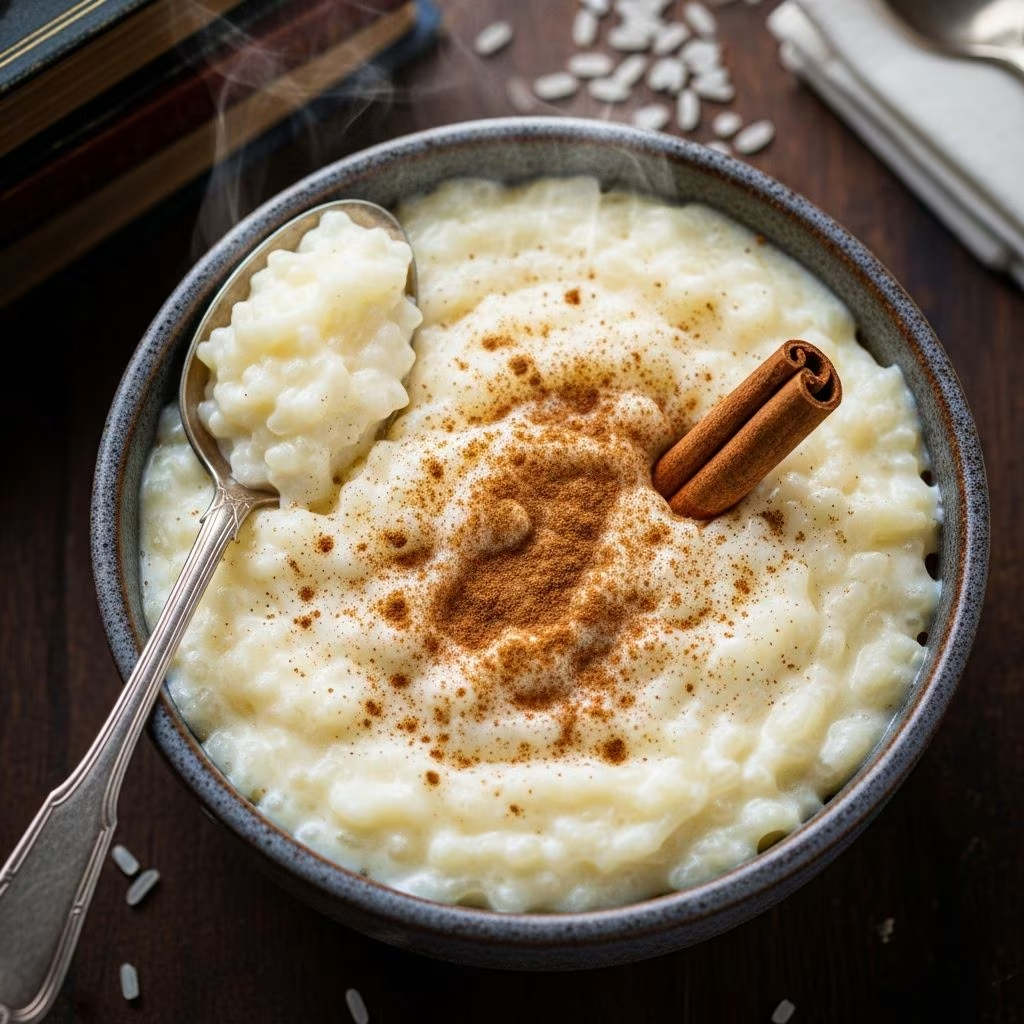
Rice pudding stands as one of the most beloved comfort desserts across cultures, offering warmth, nostalgia, and pure indulgence in every spoonful. The challenge for home cooks lies not in the complexity of ingredients—which are remarkably simple—but in understanding the interplay between heat, time, and preparation methods that transform basic components into a silken, luxurious confection. Achieving the ideal consistency requires knowledge of ingredient selection, proper cooking techniques, and patience through each stage of preparation.
Understanding the Foundation: Essential Ingredients for Success
The success of rice pudding begins with selecting the right components. Each ingredient contributes specific properties that affect the final texture and flavor profile.
Milk Selection and Its Impact
Whole milk forms the backbone of exceptional rice pudding. Full-fat milk with at least 3.5% butterfat content creates the naturally creamy base that defines quality pudding. While 2% milk can work in a pinch, the resulting pudding loses some of its luxurious mouthfeel and richness. Milk lower than 2% fat content should be avoided entirely, as it produces thin, watery pudding rather than the desired velvety consistency. The fat content in whole milk carries flavor compounds and contributes to the creamy sensation that distinguishes premium pudding from thin, bland versions.
Rice Varieties and Their Performance
Rice selection dramatically influences pudding texture and cooking time. Long-grain varieties such as Arborio and Basmati rice are recommended for their ability to maintain individual grain structure while absorbing liquid gradually and evenly. Arborio rice, an Italian variety traditionally used in risotto, contains higher starch content that naturally contributes to creaminess without requiring egg thickening. Avoid short-grain or quick-cooking rice, as these produce mushy pudding with poor texture when subjected to extended cooking times.
Complementary Ingredients
Heavy whipping cream elevates pudding from merely creamy to luxuriously velvety. The additional fat content and proteins in cream enrich the overall mouthfeel and provide deeper flavor complexity. Eggs, when incorporated properly, act as additional thickening agents and create a custard-like quality. Sugar balances flavors and should be adjusted to personal preference, typically ranging from ¼ to ½ cup depending on other ingredients and desired sweetness level. Vanilla extract adds aromatic depth, while butter contributes richness in the final stages of cooking.
The Art of Preparation: Temperature Control and Timing
Initial Heating Phase
Begin by combining whole milk with water and rice in a medium-sized, heavy-bottomed pot. The heavy bottom prevents scorching and ensures even heat distribution. Bring the mixture to a boil over medium-high heat while stirring frequently to prevent rice from sticking and burning on the bottom. This initial boiling stage typically requires 5-8 minutes of careful attention. Once the mixture reaches a rolling boil, reduce the heat immediately to maintain a gentle simmer.
Simmering and Stirring Strategy
After reaching the boil, reduce heat to medium-low and cover the pot partially. The mixture should simmer gently with occasional bubbles breaking the surface—never vigorously boil. During the first 30 minutes, stir the pudding every 10 minutes, ensuring no rice adheres to the bottom of the pot where scorching occurs. This stage is crucial for even cooking and preventing burned flavors from developing.
A skin naturally forms on the pudding’s surface as it simmers. Rather than removing this skin, stir it back into the pudding, as it contains valuable starch and flavor. After the initial 30 minutes, increase stirring frequency to every 5 minutes, monitoring rice tenderness continuously. Properly cooked rice should feel completely soft when squeezed between fingers, with no hard core remaining.
Monitoring Liquid Reduction
The cooking duration typically ranges from 35-50 minutes depending on rice type and heat level. While the rice cooks, the liquid gradually reduces and thickens. If liquid reduces too quickly before rice becomes tender, add hot milk in small increments to prevent scorching. The pudding should remain saucy and pourable—not thick and stiff—when removed from heat, as it will thicken further during resting and refrigeration.
The Egg Incorporation Technique: Creating Custard Richness
Preparing the Egg Mixture
Whisk egg yolks (or whole eggs) with sugar in a separate bowl, creating a thick, pale mixture. This should be prepared while the rice cooks, allowing the mixture to reach room temperature by the time needed. The sugar dissolves into the eggs, creating a smooth base for incorporation.
Tempering Without Scrambling
Proper tempering is essential to prevent scrambled egg bits from appearing in the finished pudding. Once the rice is completely tender, remove the pot from direct heat. Slowly ladle approximately ½ cup to 1 cup of the hot rice mixture into the egg mixture while beating vigorously. This must happen gradually—adding too much hot liquid at once causes eggs to cook rapidly, creating an undesirable grainy texture.
Continue this gradual process, adding the egg mixture back to the pot in a slow, steady stream while stirring constantly. Return the pot to medium heat and cook, stirring nearly continuously, just until the pudding reaches a gentle bubble at the surface—approximately 1-2 minutes. The pudding should never boil vigorously after egg addition, as this causes curdling and breaks the creamy emulsion.
Final Enrichment and Finishing Touches
Remove the pudding from heat and stir in butter and vanilla extract. These additions, made after cooking, preserve their delicate flavors without dissipating during prolonged heat exposure. The butter enriches the final product, while vanilla provides aromatic complexity.
For warm service, transfer to bowls and garnish with cinnamon immediately. For chilled pudding, cover the pot and refrigerate for at least 6 hours—or preferably overnight—allowing the pudding to thicken further as it cools. The resting period allows starch to fully absorb remaining liquid, transforming the saucy consistency into a set, spoonable texture.
Optional Flavor Enhancements and Variations
While the classic preparation requires minimal additions, several enhancements create interesting variations:
- Dried Fruits: Raisins are traditionally added 3-5 minutes before completion, allowing them to plump slightly without becoming mushy
- Spice Depth: Nutmeg, cardamom, or allspice can be stirred in with the vanilla for warm, complex flavoring
- Fruit Toppings: Fresh berries, poached stone fruits, or jam provide bright contrast to the rich pudding base
- Texture Contrast: Crushed nuts, granola, or toasted breadcrumbs offer pleasing textural variety
Troubleshooting Common Issues
Pudding Remains Too Thin
If the finished pudding lacks the desired thickness after refrigeration, the cooking stage likely ended too early. Ensure rice is completely tender before adding eggs, and cook the egg mixture just until a gentle bubble forms on the surface. Additional resting time in the refrigerator allows continued thickening.
Grainy or Curdled Texture
This indicates eggs cooked too rapidly due to inadequate tempering. Always add hot liquid gradually to the egg mixture, and never allow the pudding to boil vigorously after egg incorporation. Use medium heat and stir almost constantly during this critical phase.
Rice Remains Firm
Continue simmering with frequent stirring until rice becomes completely soft. If liquid reduces significantly before this occurs, add hot milk to prevent scorching while cooking continues. Cooking time varies based on rice type and stove characteristics.
Storage and Make-Ahead Convenience
Properly prepared rice pudding keeps refrigerated for 3-4 days in a covered container. The pudding continues thickening slightly during storage as starch continues absorbing residual moisture. Serve directly from the refrigerator or warm gently on the stovetop over low heat, stirring occasionally and adding milk if desired to reach preferred consistency.
Frequently Asked Questions
Can I use short-grain rice instead of long-grain varieties?
Short-grain rice is not recommended, as it produces mushy pudding with poor texture during extended cooking. Stick with Arborio, Basmati, or other long-grain varieties for optimal results.
What if I only have 2% milk available?
You can substitute 2% milk, though the final pudding will be less creamy than intended. Supplementing with additional heavy cream helps compensate for the lower fat content in reduced-fat milk.
Can eggs be omitted from the recipe?
While not essential, eggs create additional richness and help achieve the desired thick, custard-like consistency. Arborio rice alone provides some thickening through its starch content, but the pudding may be less luxurious without eggs.
How far in advance can pudding be prepared?
Rice pudding can be prepared up to 3-4 days before serving. Make-ahead preparation actually improves the dish, as additional resting time allows fuller flavor development and optimal thickness.
Is cinnamon essential for serving?
Cinnamon is traditional but optional. Some prefer vanilla-forward pudding without warm spices, while others enjoy additional toppings like jam, nuts, or fresh fruit.
References
- Creamiest Rice Pudding — I Cook And Paint. Accessed April 2026. https://icookandpaint.com/creamiest-rice-pudding/
- Extra Creamy Rice Pudding — Seasons and Suppers. Accessed April 2026. https://www.seasonsandsuppers.ca/creamiest-rice-pudding/
- The Creamiest Rice Pudding Recipe — Bigger Bolder Baking. Accessed April 2026. https://www.biggerbolderbaking.com/creamiest-rice-pudding/
- The Secret To Rich and Creamy New York Deli-Style Rice Pudding — YouTube. Accessed April 2026. https://www.youtube.com/watch?v=g56PMuSj2sc
- The Best Rice Pudding — Sip and Feast. Accessed April 2026. https://www.sipandfeast.com/rice-pudding/