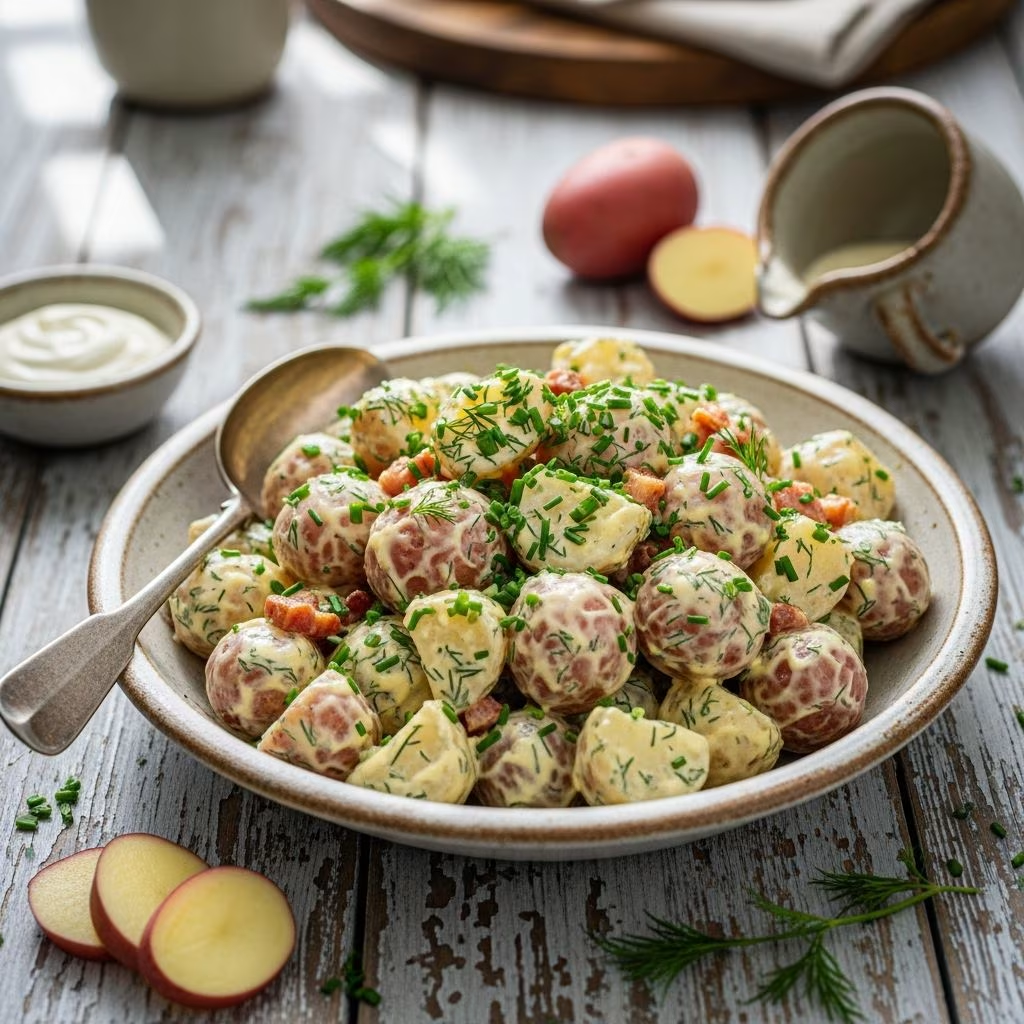
Red potatoes stand out among potato varieties due to their naturally waxy texture and thin, edible skin that adds visual appeal and nutritional value to any dish. When prepared correctly, mashed red potatoes become a silky, satisfying side dish that complements everything from weeknight dinners to holiday celebrations. Understanding the fundamentals of potato selection, cooking techniques, and flavor enhancement will help you achieve restaurant-quality results in your own kitchen.
Why Red Potatoes Excel in Mashing Applications
The choice of potato variety significantly impacts the final texture and flavor of your mashed potato dish. Red potatoes contain less starch compared to russet or Yukon Gold varieties, which means they maintain their shape better during cooking and produce a naturally creamier consistency without becoming gluey or over-processed. The thin, delicate skin of red potatoes remains intact during boiling, providing both visual interest and additional fiber to the finished dish.
Unlike higher-starch potatoes that require careful handling to avoid unwanted density, red potatoes are more forgiving during the mashing process. Their waxy composition allows cooks to achieve the desired consistency without worrying about accidentally creating a starchy, pasty result. This makes them particularly suitable for home cooks who may be developing their potato preparation skills.
Essential Ingredients and Their Roles
Creating a truly memorable mashed potato dish depends on understanding how each component contributes to the final product. The following ingredients work together to produce a balanced, flavorful result:
- Red potatoes: Two pounds of small to medium red potatoes, typically four to six potatoes, provide the foundation for this classic side dish
- Butter: Half a cup of butter adds richness and improves the overall mouthfeel of the dish
- Milk or cream: A half cup of milk creates the proper consistency and adds subtle dairy flavor
- Sour cream: A quarter cup of sour cream introduces tanginess and increases creaminess
- Salt and pepper: These seasonings enhance all other flavors and should be adjusted to personal preference
The proportions of butter, milk, and sour cream create a balanced flavor profile that prevents any single ingredient from dominating the palate. The sour cream particularly contributes complexity without introducing harshness, while the butter provides the familiar richness that makes mashed potatoes comforting.
Preparation Techniques for Optimal Results
Selecting and Cleaning Your Potatoes
Begin by choosing potatoes of similar size to ensure even cooking throughout the batch. Small red potatoes typically cook faster than larger varieties and cook more uniformly. Wash the potatoes thoroughly under cool running water, using a soft brush or cloth to remove any dirt from the thin skin. Pat them dry with a kitchen towel, then proceed with cutting.
Cutting for Even Cooking
Quarter your prepared potatoes to create pieces of consistent size. Uniform cutting ensures that all potato pieces reach the tender stage at approximately the same time, preventing a mixture of undercooked and overcooked pieces. Pieces that are too large will require extended cooking times, while very small pieces may overcook and become waterlogged.
The Cooking Process
Bring a large pot of lightly salted water to a rolling boil before adding your prepared potato pieces. Starting with boiling water rather than cold water helps create a more controlled cooking environment. Cook the potatoes for approximately ten minutes, checking for doneness by piercing a piece with a fork. The potatoes are ready when the fork slides through with minimal resistance, but before the potato begins falling apart.
Avoid overcooking, as potatoes that become too soft will absorb excess water and may produce a watery final dish. Conversely, undercooked potatoes will create lumps that resist proper mashing and compromise texture.
Draining and Immediate Processing
Once the potatoes reach the proper tenderness, drain them thoroughly in a colander to remove excess water. Allow them to sit in the colander for a minute to permit additional moisture to escape. Transfer the warm drained potatoes to a large mixing bowl while they still retain heat, as warm potatoes mash more easily and incorporate the butter and cream mixture more smoothly.
Building Flavor and Creaminess
Add the butter, milk, sour cream, salt, and pepper to the bowl containing the warm potatoes. The warmth of the potatoes will melt the butter and slightly warm the milk mixture, creating a unified, cohesive blend. Begin mashing with a traditional potato masher using firm downward strokes rather than twisting motions, which can develop gluten and create an undesirable rubbery texture.
Mash until you achieve your preferred consistency. Some people prefer completely smooth potatoes, while others enjoy a slightly rustic texture with small potato pieces remaining. The beauty of red potato mashing is that the visible skin pieces add visual appeal and textural interest even when the potatoes are well-mashed.
Variations and Flavor Enhancements
Garlic-Infused Version
For a more complex flavor profile, melt the butter in a separate small saucepan and add minced fresh garlic. Allow the garlic to cook gently in the butter for approximately one minute until fragrant but not browned. Pour this infused butter mixture over the warm mashed potatoes along with the milk and sour cream, then proceed with mashing. This simple modification adds significant depth without overwhelming the natural potato flavor.
Herb and Seasoning Additions
Fresh chives, dill, or parsley can be stirred into the finished mashed potatoes for color and fresh flavor. These additions work particularly well with the tangy quality that sour cream provides. Freshly ground black pepper, rather than pre-ground varieties, delivers superior flavor and aroma to the finished dish.
Adjusting Consistency
If your mashed potatoes appear too thick, warm additional milk and stir it in gradually until the desired consistency is reached. Conversely, if the mixture seems too loose, allow it to sit uncovered for several minutes so excess moisture can evaporate. The potato starches will also continue to absorb liquid over time, naturally firming the consistency.
Cooking Method Alternatives
While boiling is the most common preparation method, steaming offers distinct advantages. Steaming prevents potatoes from absorbing excess water and produces a naturally drier potato that requires less milk and cream for proper consistency. If you have a steamer basket, place cut potato pieces in the basket over boiling water, cover, and steam for twenty-five to thirty minutes until completely tender.
If boiling is your preference but you’re concerned about waterlogged potatoes, start with cold water rather than hot, bringing the water to a boil gradually. This method allows potatoes to cook more evenly from the outside in, reducing the likelihood that the exteriors will overcook before the centers finish cooking.
Serving Suggestions and Storage
Mashed red potatoes pair beautifully with roasted meats, braised vegetables, or simple grilled proteins. The creaminess complements both rich and lighter main dishes. Serve immediately while the potatoes are still hot and maintain their optimal texture and flavor.
Leftover mashed potatoes can be refrigerated in an airtight container for up to three days. Reheat gently on the stovetop over medium-low heat, stirring occasionally and adding small amounts of milk or cream as needed to restore the proper consistency. Reheated potatoes may require additional seasoning adjustment, as flavors can mute over time.
Common Mistakes to Avoid
- Over-mashing: Using a food processor or mixer can develop potato starch excessively, creating a gluey, unpleasant texture that cannot be corrected
- Cutting pieces unevenly: Inconsistent cutting leads to uneven cooking and difficulty achieving the proper overall doneness
- Adding cold ingredients: Cold milk and cream will cool the potatoes, making them harder to mash and requiring additional mixing that risks overdevelopment of starch
- Skipping the draining step: Failing to thoroughly drain potatoes introduces excess water that dilutes flavors and prevents proper thickening
- Aggressive mashing: Forceful, twisting motions with the masher damage potato cells and release excessive starch
Frequently Asked Questions
Can I prepare these potatoes in advance?
While potatoes taste best served immediately, you can prepare them several hours ahead and keep them warm in a slow cooker on the low setting. Cover the slow cooker to prevent the top layer from drying out. Stir occasionally and add additional milk if needed to maintain consistency. Do not prepare potatoes more than two hours before serving, as quality declines over time.
What if my potatoes turn out grainy or lumpy?
Graininess typically results from cooking potatoes in water that is not salted sufficiently or from using potatoes of uneven sizes. Lumpiness occurs when some pieces are undercooked. Ensure water is properly salted, cut potatoes uniformly, and cook until all pieces are equally tender before mashing. If lumps persist, pass the mixture through a fine-mesh sieve, though this is not necessary if texture variations are acceptable.
Can I substitute the sour cream with another ingredient?
Greek yogurt provides similar tanginess and creaminess with a slightly more tangy flavor. Cream cheese adds richness but will require thorough mixing to incorporate smoothly. Half-and-half or heavy cream can replace sour cream if a less tangy result is desired, though the characteristic slight sourness will be lost.
How do I prevent the potatoes from becoming gluey?
Avoid using food processors or electric mixers, which over-incorporate and overdevelop potato starch. Use a manual masher and limit your mashing time to only what is necessary to reach your preferred texture. Choose red potatoes rather than high-starch varieties, which are more prone to glueyness. Do not drain potatoes insufficiently, as excess water requires additional mixing that can damage cells.
Should I peel the red potatoes?
The edible red potato skin adds visual appeal, nutritional fiber, and subtle earthy flavor. Leaving the skin on creates a rustic appearance that many people find more appealing than completely smooth white potatoes. If you prefer peeling, you may do so after cooking when the skin separates more easily from the flesh, though this eliminates the skin’s nutritional and aesthetic benefits.
Nutritional Considerations
Red potatoes with skin intact provide dietary fiber, potassium, and vitamin C. The fiber content supports digestive health, while potassium contributes to cardiovascular function. The butter and sour cream add saturated fat and calories, so portion control matters for those monitoring fat intake. The combination of potatoes with protein-rich main dishes creates a balanced, satisfying meal that sustains energy levels throughout the day or evening.
Conclusion: Mastering This Classic Comfort Food
Creating exceptional mashed red potatoes requires attention to detail and understanding how each step contributes to the final result. From selecting appropriately sized potatoes through careful cooking and thoughtful flavoring, this seemingly simple dish rewards precision and care. By following these guidelines and avoiding common pitfalls, you will develop the skills to produce mashed red potatoes that satisfy diners and earn praise at any table. The versatility of this dish means it works equally well as a casual weeknight side or as part of a holiday celebration, making it an essential skill for any home cook.
References
- Red Potato Cooking and Preparation Guide — University of Idaho Extension. 2023-03-15. https://www.uidaho.edu/extension/news/articles/2023/mar/cooking-potatoes
- Potato Starch Development and Mashing Techniques — United States Department of Agriculture. 2022-06-20. https://www.usda.gov/
- Food Safety Guidelines for Cooked Potato Storage — CDC Food Safety. 2024-01-10. https://www.cdc.gov/foodsafety/