Hummus stands as one of the most versatile and beloved Middle Eastern staples, cherished worldwide for its creamy texture, nutty flavor, and remarkable adaptability. Despite its seemingly simple composition, creating truly exceptional homemade hummus requires understanding the interplay between key ingredients, preparation techniques, and cooking methods. This comprehensive guide reveals the secrets to achieving that prized restaurant-quality smoothness and creaminess in your own kitchen.
Understanding Your Core Ingredients
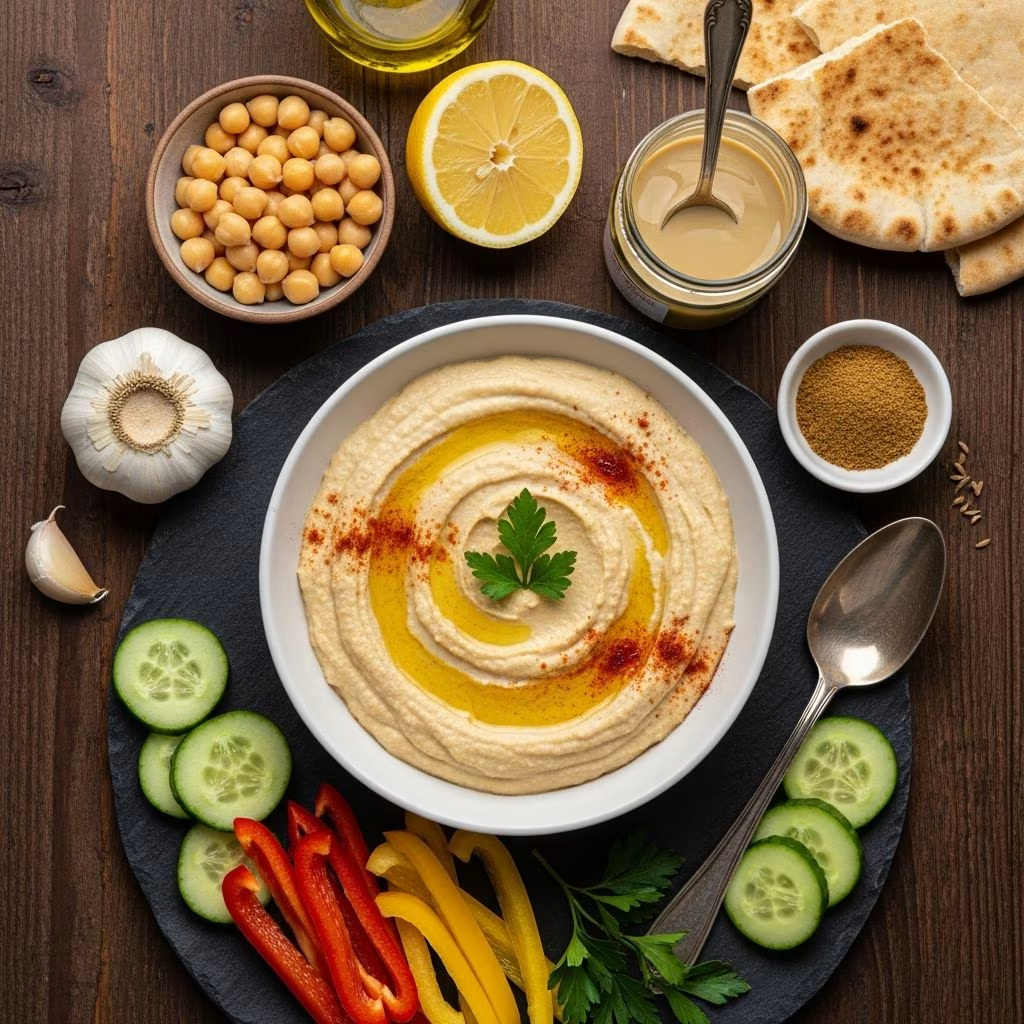
The foundation of exceptional hummus rests upon five essential components, each playing a critical role in determining the final product’s character and quality. Rather than viewing these ingredients as mere additions, understanding their individual contributions helps you make intentional choices that elevate your hummus from ordinary to extraordinary.
Chickpeas: The Protein Foundation
Chickpeas form the volumetric and nutritional backbone of hummus, providing both substance and the mild, slightly sweet flavor that allows other ingredients to shine. You face two primary options when selecting chickpeas for your hummus: canned varieties for convenience, or dried chickpeas for superior texture control and flavor development.
Canned chickpeas offer immediate accessibility and require no advance planning. However, they typically come with a firmer exterior that can result in slightly textured rather than completely smooth hummus. To overcome this limitation, many culinary experts recommend simmering drained canned chickpeas in boiling water until they become extremely soft before processing, a technique that significantly improves the final consistency.
Dried chickpeas demand more preparation time but reward your patience with superior results. Soaking dried chickpeas overnight and cooking them until they reach a mushy, creamy consistency produces hummus with a distinctly smoother texture. The cooking liquid from dried chickpeas also contains natural starches and proteins that contribute to a richer, more cohesive final product compared to canned alternatives.
Tahini: The Creamy Emulsifier
Tahini, a paste made from ground sesame seeds, functions as both flavor contributor and structural element in hummus. Quality matters tremendously with tahini, as superior products produce noticeably smoother, more luxurious hummus. The ratio of tahini to chickpeas affects both texture and taste; recipes typically range from one-third to one-half cup of tahini per one and one-half to three and one-half cups of cooked chickpeas.
A professional technique that elevates your hummus involves blending the tahini with lemon juice first, before introducing the chickpeas. This preliminary step creates a lighter, airier tahini base that distributes more evenly throughout the mixture, resulting in superior creaminess and mouthfeel compared to adding tahini simultaneously with other ingredients.
Lemon Juice: The Flavor Brightener
Fresh lemon juice provides essential acidity that brightens the earthy chickpea flavor while helping break down the tahini and create a more cohesive emulsion. Using freshly squeezed juice rather than bottled varieties ensures superior flavor complexity. The quantity varies based on personal preference, but most recipes employ between two tablespoons and one-quarter cup of lemon juice, adjusted to taste during the final blending stages.
Garlic: The Aromatic Component
Garlic intensity represents one of the most customizable elements in hummus preparation. Fresh garlic cloves deliver a sharp, pungent bite, while roasted garlic provides a mellow, caramelized sweetness. Most classic recipes use between two and eight garlic cloves per batch, allowing considerable flexibility based on your preference for garlic prominence. The choice between raw and roasted garlic dramatically alters the hummus character, enabling you to create versions ranging from boldly assertive to gently sophisticated.
Olive Oil and Seasoning: The Finishing Touches
Extra virgin olive oil provides richness and additional flavor dimension, while also helping achieve the desired consistency. Salt enhances overall flavor perception, while optional additions like cumin and cayenne pepper allow for subtle flavor variations that personalize your hummus. Many recipes include a drizzle of olive oil as garnish, visually enhancing the presentation while adding luxurious mouthfeel.
Preparation Methods for Optimal Texture
Achieving that coveted ultra-smooth hummus texture requires attention to preparation details that might seem minor but significantly impact results. The processing approach, equipment selection, and ingredient sequencing all contribute to the final consistency.
Equipment Selection
Both food processors and high-speed blenders successfully produce excellent hummus, though each offers distinct advantages. Food processors excel at controlled, incremental blending that allows precise texture management. High-speed blenders achieve extraordinary smoothness through powerful processing action, though they require careful attention to avoid overworking the mixture into an excessively thin consistency.
The Blending Sequence
Professional technique suggests beginning with tahini and lemon juice, blending for approximately twenty to thirty seconds until the mixture becomes lighter in color and creamy in texture. This preliminary step creates an ideal base for receiving the chickpeas. After adding the cooked chickpeas, salt, and garlic, continue processing for one to two minutes, stopping periodically to scrape down the processor bowl sides and ensure even blending.
Once the mixture approaches your target smoothness, introduce reserved chickpea liquid or water incrementally, adding one teaspoon at a time while the processor runs. This gradual approach prevents the hummus from becoming too thin too quickly, allowing you to achieve exactly the consistency you prefer.
Liquid Options for Thinning
The liquid you choose for achieving desired consistency influences both flavor and mouthfeel. Reserved cooking liquid from dried chickpeas offers superior results compared to plain water, contributing natural starches and proteins that enhance creaminess. Canned chickpea liquid similarly provides more flavor and richness than water. If using plain water, room temperature or lukewarm liquid works better than cold water, which can negatively impact the smooth blending process.
Technique Variations for Different Results
Beyond the basic preparation method, several techniques specifically target different quality characteristics, allowing you to create hummus tailored to your preferences.
Removing Chickpea Skins for Ultimate Smoothness
Chickpea skins, while nutritious, prevent absolutely smooth texture in finished hummus. Removing them requires either baking soda assistance or manual removal. Adding one-half to one teaspoon of baking soda to the cooking water causes skins to loosen, allowing easy removal by rinsing thoroughly after draining. Alternatively, manually squeezing each chickpea individually to remove the skin produces similar results but requires considerably more time and patience. While this step remains optional, it ensures your hummus achieves exceptional smoothness rivaling commercial varieties.
Achieving Extra Creaminess with Ice Cubes
An unconventional but effective technique involves adding ice cubes during processing. The cold temperature chills the mixture while mechanical action from processing distributes the melting ice evenly, creating an exceptionally light, fluffy texture. This method particularly benefits recipes using canned chickpeas, substantially improving their natural texture limitations.
Flavor Customization and Variations
The classic hummus formula provides an excellent foundation for endless variations that maintain traditional character while introducing personalized flavor elements.
Spice Integration
Cumin represents the most common spice addition to classic hummus, contributing warm, earthy undertones that complement chickpea and sesame flavors beautifully. Between one-half and one teaspoon typically provides noticeable but not overwhelming cumin character. Cayenne pepper offers subtle heat without dominance, while smoked paprika introduces gentle smokiness that adds complexity. These additions should be tasted incrementally during blending, allowing you to control the final flavor intensity.
Garlic Expression Options
Roasting garlic beforehand produces mellow, sweet hummus suitable for those preferring gentler garlic expression. Conversely, using multiple raw garlic cloves creates bold, assertive versions that stand up well to strong flavors. Minced jarred garlic offers convenience for quick preparation, though freshly processed garlic provides superior complexity.
Common Challenges and Solutions
Addressing Texture Problems
Excessively thick hummus indicates insufficient liquid; incrementally add reserved chickpea liquid or water while processing until achieving desired consistency. Overly thin hummus results from too much added liquid; allow additional processing time to help emulsification, or incorporate more chickpeas to restore body. Gritty texture despite extended processing often indicates inadequate tahini or insufficient blending time; process for additional minutes while gradually reducing liquid additions.
Managing Flavor Issues
Bland hummus benefits from additional salt, lemon juice, or garlic added in small increments with brief processing between additions. Overly sharp lemon taste requires either more chickpeas to dilute the acidity or additional tahini to balance the brightness. If garlic becomes overwhelming, blend in extra chickpeas or tahini to reduce its proportional intensity.
Storage and Serving Guidance
Properly stored homemade hummus maintains quality for several days, though maximum flavor appears within the first two days of preparation. Store hummus in an airtight container in the refrigerator, creating a small well in the center of the surface and filling it with a thin layer of olive oil, which protects against oxidation and contributes to longer storage life.
Serve hummus at room temperature for optimal flavor perception, removing it from refrigeration approximately fifteen minutes before serving. Traditional presentations include a garnish of olive oil, paprika, fresh herbs, and whole roasted chickpeas, which provide visual appeal and textural contrast. Accompany hummus with warm pita bread, vegetable crudités, or crackers for versatile dipping options.
Frequently Asked Questions
Can I use a blender instead of a food processor?
Yes, high-speed blenders produce excellent hummus, often achieving even greater smoothness than food processors. However, blenders require careful attention to avoid creating excessively thin consistency, as their powerful action processes mixture more quickly. Add liquid gradually and monitor consistency closely during processing.
How long does homemade hummus last?
Properly stored homemade hummus remains fresh and flavorful for three to five days when kept in an airtight container in the refrigerator. A protective layer of olive oil on top extends shelf life and prevents oxidation. Hummus can also be frozen for up to three months, though the texture may become slightly grainier after thawing.
Why is my hummus gritty instead of smooth?
Gritty texture typically results from insufficient processing time, inadequate tahini content, or chickpeas that weren’t cooked until completely soft. Extending processing time, increasing tahini proportion, or starting with better-cooked chickpeas resolves this issue in future batches.
What’s the difference between canned and dried chickpeas for hummus?
Dried chickpeas, when properly soaked and cooked until very soft, produce smoother, creamier hummus with superior texture. Canned chickpeas offer convenience but often produce slightly grainier results. Simmering drained canned chickpeas in boiling water before processing substantially improves their performance.
Should I remove chickpea skins?
Removing skins isn’t strictly necessary but produces noticeably smoother hummus. For everyday hummus, omitting this step remains perfectly acceptable. For special occasions or when pursuing absolutely flawless smoothness, investing the time in skin removal yields worthwhile improvements.
Ingredient Quality Considerations
Superior hummus begins with conscientious ingredient selection. Invest in good-quality tahini from reputable brands, as budget alternatives often contain additives or rancid oils that negatively impact flavor. Similarly, purchase fresh garlic and lemons, as these ingredients’ freshness directly correlates with final hummus quality. Extra virgin olive oil should be selected for its flavor characteristics and freshness, not simply its price point.
Professional Tips for Restaurant-Quality Results
Achieving that coveted restaurant hummus quality at home requires attention to several professional details. First, ensure all ingredients are at room temperature before processing, as this aids emulsification and creates superior texture. Second, taste and adjust seasonings before completing processing, allowing final blending to incorporate adjustments evenly. Third, reserve some whole chickpeas for garnish, adding visual interest and suggesting the ingredient quality used throughout.
Professional cooks understand that hummus benefits from resting after preparation. Allowing freshly made hummus to rest for thirty minutes at room temperature permits flavors to meld and fully develop, resulting in more complex, satisfying taste compared to immediate serving.
Conclusion
Creating exceptional homemade hummus transcends following a simple recipe, requiring instead a nuanced understanding of ingredient interactions, preparation techniques, and personal preference. By mastering fundamental principles outlined in this guide—selecting quality ingredients, understanding preparation sequencing, and practicing thoughtful flavor adjustment—you’ll consistently produce hummus that rivals or surpasses commercial versions. Each batch teaches you more about the balance between ingredients and the processing approach that delivers your ideal texture and flavor, ultimately transforming hummus preparation from occasional task into confident, personalized culinary expression.
References
- How to Make Easy Classic Hummus — Two Spoons. 2024. https://www.twospoons.ca/how-to-make-easy-classic-hummus/
- Best Homemade Hummus — Rainbow Plant Life. 2024. https://rainbowplantlife.com/how-to-make-amazing-hummus-at-home/
- BEST Hummus Recipe — Love and Lemons. 2024. https://www.loveandlemons.com/hummus-recipe/
- Best Classic Hummus — Sharon Palmer, The Plant Powered Dietitian. 2024. https://sharonpalmer.com/best-classic-hummus/
- Classic Hummus — Tori Avey. 2024. https://toriavey.com/classic-hummus/