Mashed potatoes represent one of the most beloved comfort foods across countless cuisines and dining occasions. Yet despite their apparent simplicity, achieving truly exceptional mashed potatoes requires understanding specific techniques and ingredient relationships. The difference between mediocre and extraordinary mashed potatoes often comes down to a few critical factors that transform this humble side dish into something genuinely memorable.
Understanding Your Potato Foundation
The journey toward perfect mashed potatoes begins with selecting the correct potato variety. Different potato types contain varying levels of starch and moisture, which directly impacts the final texture and consistency of your finished dish. Russet potatoes, commonly called Idaho potatoes, represent the gold standard for mashed potato preparation because they contain higher starch levels and lower moisture content compared to other varieties. This composition allows them to break down smoothly during mashing while achieving that desirable fluffy, cloud-like texture.
Alternatively, Yukon Gold potatoes and yellow potato varieties offer a naturally buttery flavor profile and creamy texture that requires slightly less additional butter to achieve richness. These potatoes contain more natural carotenoids, which contribute to their golden color and inherent richness. The choice between russets and yellow varieties often depends on personal preference and desired flavor intensity, though russets remain the traditional choice for classic preparations.
When selecting potatoes, choose uniform sizes to ensure even cooking throughout your batch. Potatoes of varying sizes cook at different rates, resulting in some pieces becoming mushy while others remain undercooked. This inconsistency makes achieving the perfect mash considerably more difficult.
The Butter Philosophy: Quantity and Temperature Matter
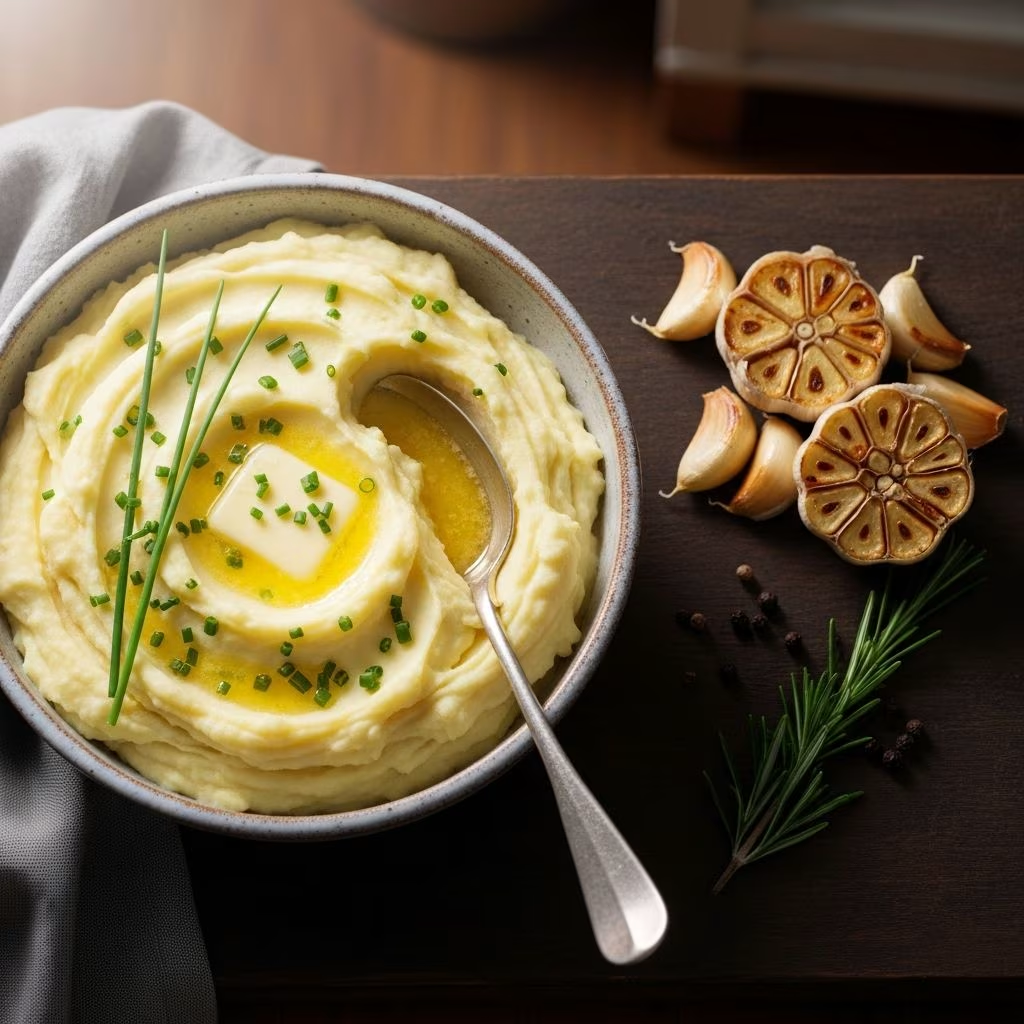
Butter serves as the primary flavor component that elevates mashed potatoes from basic to exceptional. This ingredient deserves special attention because it fundamentally transforms the dish’s character and mouthfeel. The critical insight many home cooks miss involves understanding that softened butter incorporates differently than melted butter.
Softened butter at room temperature contains a more complex fat structure that disperses throughout the potatoes more evenly, creating a silkier, more luxurious texture. When butter is melted, its molecular structure changes, and it incorporates less effectively, often resulting in a slightly greasy or separated consistency. The temperature distinction fundamentally affects how the fat coats and combines with the potato starch.
Regarding quantity, successful buttery mashed potatoes require substantial amounts of butter—typically around one stick (eight tablespoons) per two pounds of potatoes. This ratio ensures adequate fat distribution without overwhelming the dish. Many home cooks initially hesitate to use this much butter, but reducing the amount noticeably diminishes the creamy, luxurious quality that defines exceptional mashed potatoes. The butter should be added gradually, one tablespoon at a time, allowing each addition to fully incorporate before adding more.
Temperature considerations extend beyond the butter itself. Ensuring your butter reaches proper softness before adding requires removing it from refrigeration approximately thirty minutes before cooking. This timing allows the butter to become pliable without becoming greasy or separating.
Dairy Selection and Temperature Integration
The choice between milk and cream fundamentally affects both richness and texture. Whole milk provides a traditional, balanced approach that creates creamy potatoes without excessive heaviness. For home cooks preferring lighter results, lower-fat milk options work adequately, though they produce less luxurious mouthfeel. Those seeking maximum indulgence often choose heavy cream or half-and-half, which creates noticeably richer finished potatoes.
Beyond selection, dairy temperature during incorporation represents a frequently overlooked but significant factor. Warming milk or cream before adding it to mashed potatoes ensures better absorption and prevents temperature shock that can cause the starch to seize up. When cool dairy meets hot potatoes, the temperature differential can create an undesirable texture. Heating dairy in a separate saucepan or microwave to approximately 110-120°F before incorporation creates optimal conditions for smooth, uniform texture development.
The amount of dairy typically ranges from one-half cup to one and one-quarter cups per five pounds of potatoes, though this varies based on personal preference and desired consistency. Adding dairy gradually allows cooks to achieve their preferred texture rather than ending up with potatoes that are either too thick or too loose.
Preparation Techniques: Drying and Draining
Professional kitchens employ a specific preparation technique that dramatically improves the final result: drying potatoes after draining. After draining cooked potatoes, spreading them on a sheet pan and placing them in a 350°F oven for approximately fifteen minutes allows excess moisture to evaporate. This step enables the potato starch to absorb more butter and cream, resulting in notably smoother, creamier finished potatoes.
The drying process works because excess surface moisture competes with the dairy fats for absorption into the starch structure. Removing this moisture creates more capacity for butter and cream to integrate, producing superior texture. This technique requires minimal additional time yet yields disproportionately significant improvements.
During the drying phase, many cooks simultaneously warm the butter and dairy over gentle heat, ensuring both are at optimal temperature when combined with the dried potatoes. This synchronized timing creates ideal conditions for smooth incorporation.
Seasoning Strategy and Salt Timing
Salt represents another ingredient requiring thoughtful approach. The timing of salt addition affects both flavor distribution and texture development. Many professional recipes recommend seasoning the cooking water with salt, allowing potatoes to absorb seasoning evenly throughout the cooking process rather than only on the surface.
The salt in cooking water serves a dual purpose: it seasons the potatoes internally and raises the boiling point of water, actually helping potatoes cook more evenly. Using salted water represents a more sophisticated approach than simply seasoning finished potatoes, though final taste adjustments should always be made after mashing to achieve desired saltiness.
Final seasoning adjustments typically involve adding salt to taste after incorporating butter and dairy, allowing cooks to achieve their preferred flavor level. Starting with approximately one and one-half teaspoons per five pounds of potatoes provides a baseline, though personal preference ultimately determines the final amount.
Mixing Methodology: Achieving Ideal Texture
The equipment and technique used for mashing significantly impacts the final product. Hand mashers, electric mixers, and immersion blenders each produce subtly different results. Hand mashers maintain more texture and produce slightly chunkier potatoes, while electric mixers create smoother, fluffier consistency. Immersion blenders can over-process potatoes if used excessively, creating an undesirable paste-like texture.
Regardless of equipment choice, avoiding over-mixing remains crucial. Over-working potatoes activates excessive starch release, causing the mixture to become gummy and heavy rather than light and fluffy. The goal involves breaking down potatoes into smooth consistency while maintaining some textural integrity. Once potatoes appear mostly smooth and fluffy, continued mixing should cease.
The sequence of additions matters considerably. Adding butter first, before milk or cream, helps coat the starch molecules and prevents the potatoes from absorbing excessive liquid, resulting in better texture. After the butter is fully absorbed, dairy can be incorporated gradually to achieve desired consistency.
Storage and Reheating Considerations
Mashed potatoes can be prepared ahead and stored for convenience. Transferring finished potatoes to a buttered casserole dish, topping with additional cubed butter, covering with foil, and refrigerating preserves quality for several days. When ready to serve, reheating in a 350°F oven for approximately thirty minutes while stirring occasionally restores creamy consistency.
Alternatively, mashed potatoes can be gently reheated on stovetop over low heat with occasional stirring and small additions of warm milk to restore desired consistency. Direct high heat can scorch the bottom and cause separation, so gentle reheating methods prove more successful.
Flavor Enhancement Strategies
While classic buttery mashed potatoes require no additions, various complementary flavors can elevate the dish. Minced garlic, fresh herbs such as chives or parsley, and ground black pepper offer simple enhancements that amplify existing flavors without overwhelming the fundamental potato character. Garlic, when minced finely and incorporated during mashing, creates subtle aromatic depth. Fresh herbs added as garnish provide visual appeal and fresh flavor notes.
More adventurous variations might include saffron-infused butter drizzles, roasted garlic purees, or crispy herb combinations, though these represent departures from the classic preparation.
Common Mistakes and Solutions
| Problem | Cause | Solution |
|---|---|---|
| Gummy texture | Over-mixing or processing | Mix only until smooth, cease immediately |
| Separated or greasy appearance | Melted rather than softened butter | Use room-temperature softened butter |
| Dry or stiff consistency | Insufficient dairy or butter | Gradually add warm milk or cream |
| Uneven cooking | Potatoes cut to different sizes | Uniform cutting ensures even cooking |
| Cool finished potatoes | Cold dairy addition | Warm milk and cream before incorporating |
Frequently Asked Questions
Q: Can I use frozen potatoes for mashed potatoes?
A: Fresh potatoes produce superior results due to better texture and flavor. Frozen potatoes often become mushy and lack the structural integrity needed for fluffy mashed potatoes.
Q: What is the best potato masher tool?
A: Traditional hand mashers work excellently and maintain texture, while handheld electric mixers create smoother results. Both options outperform food processors, which can over-process potatoes into paste.
Q: How far in advance can I prepare mashed potatoes?
A: Mashed potatoes store well for up to three days when covered and refrigerated. Reheat gently before serving to restore creamy consistency.
Q: Should I peel potatoes before or after cooking?
A: Peeling before cooking is standard for russets, though some prefer leaving skins on yellow potatoes for added texture and nutrition. Pre-peeling accelerates cooking time.
Q: Can I substitute butter with other fats?
A: While other fats can be used, they produce noticeably different flavor profiles. Butter remains essential for achieving the classic rich, luxurious taste that defines exceptional mashed potatoes.
Final Considerations for Mastery
Creating truly exceptional mashed potatoes involves understanding how each ingredient and technique contributes to the final result. From potato selection through serving, each decision impacts texture, flavor, and overall quality. The fundamental principle underlying excellent mashed potatoes involves treating this classic dish with appropriate respect and attention rather than approaching it as something requiring minimal thought or care. By implementing the techniques discussed—using quality russet potatoes, incorporating softened butter generously, warming dairy, avoiding over-mixing, and timing additions strategically—home cooks can consistently produce restaurant-quality mashed potatoes that elevate any meal.
References
- Natasha’s Kitchen – Creamy Mashed Potatoes Recipe — Natasha’s Kitchen. Accessed April 10, 2026. https://natashaskitchen.com/creamy-mashed-potatoes-recipe/
- Rachael’s Good Eats – Creamy Buttery Mashed Potatoes — Rachael’s Good Eats. Accessed April 10, 2026. https://rachaelsgoodeats.com/creamy-buttery-mashed-potatoes/
- Go Bold With Butter – Best Buttery Mashed Potatoes — Go Bold With Butter. Accessed April 10, 2026. https://goboldwithbutter.com/recipes/best-buttery-mashed-potatoes
- RecipeTin Eats – Creamy Buttery Mashed Potato — RecipeTin Eats. Accessed April 10, 2026. https://www.recipetineats.com/mashed-potato/
- Spend With Pennies – The BEST Mashed Potatoes Recipe — Spend With Pennies. Accessed April 10, 2026. https://www.spendwithpennies.com/how-to-make-mashed-potatoes/
- 101 Cookbooks – Perfect, Creamy Mashed Potatoes with Garlic Butter — 101 Cookbooks. Accessed April 10, 2026. https://www.101cookbooks.com/perfect-mashed-potatoes/