The ability to prepare satisfying, nutritionally balanced meals using only ingredients stored in your pantry represents a valuable life skill. Whether you’re managing a tight budget, facing unexpected supply chain disruptions, or simply seeking to reduce food waste, mastering pantry-based cooking transforms your relationship with meal preparation. This approach eliminates the pressure of last-minute shopping trips while ensuring you always have the foundation for a complete dinner.
Understanding the Pantry Foundation
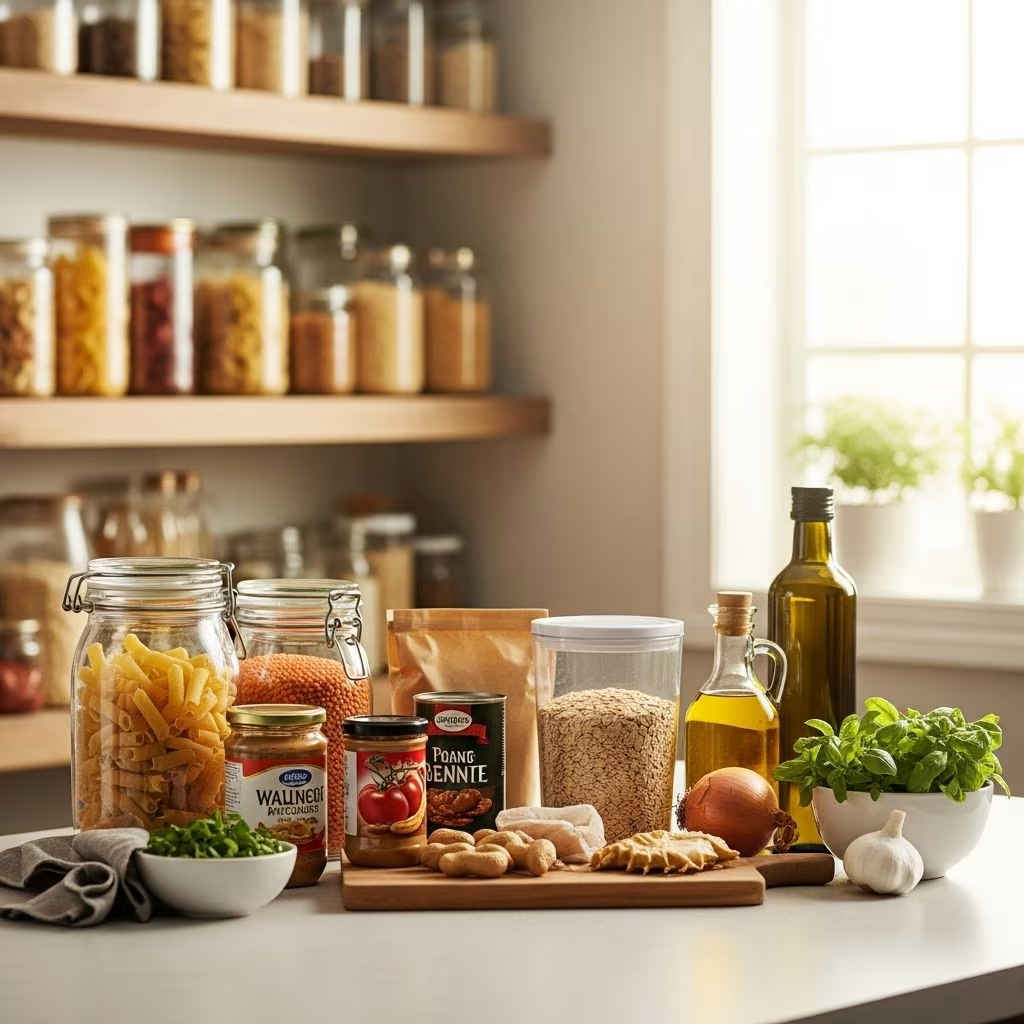
A well-stocked pantry extends far beyond basic survival staples. The most versatile pantries contain a thoughtful combination of proteins, carbohydrates, flavor enhancers, and cooking fats that work together to create diverse meal profiles. Rather than viewing shelf-stable ingredients as limitations, successful pantry cooks recognize them as building blocks for infinite variations.
The essential categories that form your cooking foundation include:
- Whole grains and pasta varieties that serve as meal bases
- Legumes including canned and dried options for protein and fiber
- Canned proteins such as fish, poultry, and plant-based alternatives
- Flavor foundations including broths, sauces, and aromatics
- Cooking fats and oils that enable proper technique
- Spices and seasonings that transform basic ingredients into distinctive dishes
This systematic approach means you’re never truly starting from scratch. Each category represents untapped potential waiting for your creativity.
Protein Building Blocks: Beyond Basic Canned Options
Modern pantries offer surprising variety in shelf-stable protein options. Canned chicken, tuna, and salmon provide convenient sources of complete proteins ready for immediate use. However, creative cooks recognize that proteins extend well beyond these traditional choices. Canned legumes deliver plant-based protein alongside valuable fiber and micronutrients. Dried lentils, split peas, and bean varieties transform into hearty components during cooking.
The versatility of these proteins becomes apparent when you consider their adaptability:
- Canned fish works equally well in composed salads, mixed into grain bowls, or combined with pasta preparations
- Legumes function as primary protein sources, extenders for ground meat alternatives, or thickening agents in soups
- Shelf-stable meat products like pepperoni or sausages (frozen options if available) add complexity and depth to grain-based dishes
The key distinction between ordinary pantry meals and exceptional ones often comes down to recognizing unexpected protein combinations. Rather than viewing each protein in isolation, imagine how multiple proteins interact to create layered flavors and improved texture profiles.
Carbohydrate Foundations and Their Transformations
Grains and starches form the structural component of most satisfying meals. Beyond simple rice and pasta, your pantry likely contains dried potatoes, pre-made pizza crusts, breadcrumbs, and various specialty pasta shapes. Each of these transforms based on cooking method and accompanying ingredients.
Consider the hidden potential within your grain collection:
| Grain Type | Quick Applications | Flexibility Factor |
|---|---|---|
| White or brown rice | Bowl bases, casserole components, soup thickeners | Absorbs surrounding flavors readily |
| Pasta varieties | Traditional pasta dishes, cold salads, soup additions | Texture changes based on cooking time |
| Dried potatoes | Soups, casseroles, combined with canned vegetables | Rehydrates while absorbing surrounding liquid |
| Lentils | Standalone protein, soup bases, meat substitutes | Different varieties offer varying cooking times |
The preparation method matters significantly. A single grain preparation technique might yield a complete one-dish meal, while a different approach transforms it into a component supporting other flavors.
Creating Flavor Complexity from Simple Components
The difference between forgettable pantry meals and memorable dishes often rests on understanding flavor layering. Canned broths provide immediate umami depth. Tomato products in various forms—paste, sauce, diced, whole—contribute acidity and body. Dried seasonings, when bloomed in fat before adding other ingredients, release compounds that make food taste more interesting and intentional.
Strategic flavor building transforms basic ingredients:
- Combining cream-based canned soups with complementary seasonings creates sauce systems for multiple applications
- Mixing pantry condiments and sauces creates unique flavor profiles distinct from any single component
- Layering spices at different cooking stages develops complexity that single-addition seasoning cannot achieve
- Incorporating acidic elements like vinegar or jarred peppers brightens heavy dishes and prevent palate fatigue
This approach recognizes that professional cooking primarily involves understanding how to combine basics intelligently, not requiring exotic ingredients.
Vegetable Integration Strategies
While fresh vegetables might not be consistently available, multiple shelf-stable alternatives provide nutritional value and textural variety. Canned vegetables when drained work exceptionally well in soups, casseroles, and composed dishes. Frozen vegetables maintain more nutritional integrity than many assume and offer superior texture to their canned counterparts in most applications. Dried vegetables like mushrooms or sun-dried tomatoes concentrate flavors and rehydrate during cooking.
Understanding where each vegetable type performs best ensures consistent results:
- Canned vegetables: soups, casseroles, bean-based dishes where texture matters less
- Frozen vegetables: stir-fries, rice bowls, pasta additions where structural integrity matters
- Dried or jarred vegetables: flavor additions, sauce components, garnishes
The misconception that pantry cooking means nutritional compromise dissolves when you recognize these options provide genuine vegetable nutrition alongside appropriate textural contribution.
Quick Meal Assembly Techniques
The beauty of pantry-based meals extends beyond budget considerations to include genuine convenience. Many shelf-stable meals come together in under thirty minutes using simple assembly techniques. The process differs fundamentally from recipes requiring ingredient preparation or extended cooking times.
Effective quick assembly follows this progression:
- Begin with your grain or starch base, either prepared in advance or quick-cooking varieties
- Warm your chosen protein while the carbohydrate component finishes
- Build sauce or dressing using available ingredients and any cooking liquid
- Combine components while noting texture contrasts and flavor balance
- Adjust seasoning with additional spices or acid before serving
This methodical approach eliminates guesswork and ensures consistent results across different pantry combinations.
Meal Category Variations
Soup-Based Meals
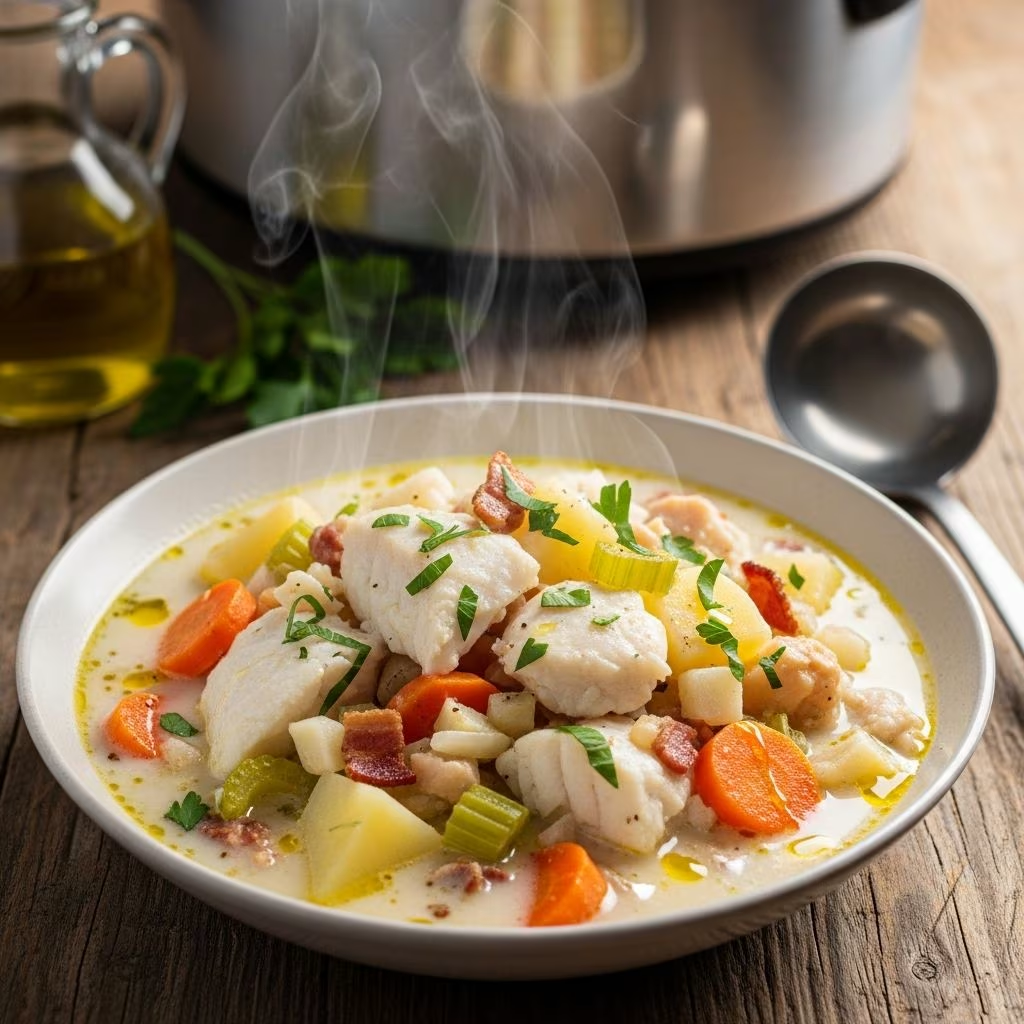
Soups represent perhaps the most forgiving pantry meal category. The combination of liquid, protein, starches, and vegetables in a single pot means individual component imperfections disappear into the overall whole. Building a soup foundation begins with selecting a liquid base—broth, tomato products, or cream-based canned soups—then building flavor through layered additions. Canned beans thicken soup naturally while contributing protein. Pasta or rice cooked directly in the soup develops texture and ensures complete one-pot execution.
Casserole Foundations
Casseroles work because they combine multiple components in ratios that accommodate variation. A basic formula includes a starch base (rice, pasta, or potatoes), a protein component, a binding element (sauce or canned soup), and aromatics. The assembled dish bakes until heated through, with most cooking occurring passively. This approach suits pantry cooking because it tolerates ingredient substitution and timing flexibility.
Bowl-Based Compositions
Modern bowl presentations organize pantry ingredients into visually appealing combinations that feel intentional rather than assembled. Beginning with your grain base, add protein, then vegetables, then sauce or dressing. The presentation simultaneously suggests culinary sophistication while requiring minimal technique. This approach works because visual interest compensates when individual components lack complexity.
Substitution Logic and Recipe Flexibility
Successful pantry cooking relies on understanding flavor and texture principles deeply enough to make informed substitutions. Rather than following recipes rigidly, recognize underlying structures that permit modification.
Substitution categories include:
- Protein swaps: Different canned proteins work in similar roles; choose based on flavor compatibility
- Starch alternatives: Rice, pasta, and potato-based components often interchange with texture adjustments
- Sauce foundations: Different canned soups provide different flavor profiles but perform similar binding functions
- Seasoning variations: Multiple spice combinations achieve similar results through different flavor pathways
- Vegetable exchanges: Different canned or frozen vegetables contribute similar nutritional profiles
This flexibility transforms pantry cooking from constraint into opportunity, allowing you to use exactly what you have available rather than shopping for specific items.
Planning and Organization Strategies
The difference between chaotic pantry cooking and smooth execution comes down to basic organization. Knowing what you have available means confident decision-making about what to prepare. Simple inventory systems—whether physical lists or mental tracking—eliminate cooking paralysis.
Effective pantry management includes:
- Grouping similar items together for quick visual scanning
- Rotating stock to use older items before newer purchases
- Maintaining diversity across each ingredient category
- Tracking items that deplete frequently so you maintain backup supplies
- Documenting successful combinations for quick reference during busy periods
This systematic approach transforms the pantry from storage location into active cooking resource.
Emergency Preparedness Through Pantry Development
Beyond budget optimization, shelf-stable meal preparation serves broader preparedness functions. Extended periods without fresh groceries or supply disruptions become manageable when your pantry contains complete meal components. Maintaining diversity means you can create different meals across multiple days rather than eating identical preparations repeatedly.
Preparedness-minded pantry development prioritizes:
- Multiple protein options for dietary variety
- Various starch bases preventing monotony
- Complementary seasonings enabling flavor variation
- Shelf-stable items replacing those requiring refrigeration
- Complete meals in bag format for emergency accessibility
Nutrition Considerations in Pantry Cooking
Common assumptions that pantry cooking sacrifices nutrition overlook the genuine nutritional value present in shelf-stable options. Canned legumes provide complete protein alongside fiber and micronutrients. Frozen vegetables maintain nutrient profiles superior to fresh items stored past peak freshness. Whole grain options when selected provide sustained energy through complex carbohydrate profiles.
Maintaining nutritional balance in pantry meals requires intentional choices:
- Including legume-based dishes regularly for fiber and plant protein
- Selecting lower-sodium canned options when available
- Incorporating multiple vegetable sources across weekly meals
- Varying protein types to ensure diverse micronutrient intake
- Avoiding excessive dependence on cream-based components
Frequently Asked Questions
How can I make pantry meals feel less repetitive?
Rotating between different meal categories—soups, casseroles, and bowl compositions—creates variety despite using similar base ingredients. Intentionally changing seasonings, proteins, and sauce foundations ensures each meal feels distinct even when using comparable components.
What shelf-stable items should I prioritize purchasing?
Begin with multiple canned proteins, diverse legume options, at least three grain types, complementary canned vegetables, and basic seasonings. This combination provides enough variety for different meal constructions without excessive pantry space requirements.
Can pantry meals accommodate dietary restrictions?
Yes. Vegetarian cooking uses legumes and canned vegetables as primary components. Gluten-free diets work with rice, alternative grains, and certified gluten-free options. Most restrictions become manageable through thoughtful ingredient selection and available substitutions.
How long can shelf-stable ingredients remain usable?
Most canned items remain safe years past the printed date if stored in cool, dry conditions without damage. Dried grains and legumes similarly remain viable for extended periods. Periodically checking for signs of spoilage ensures safety.
Conclusion
Building complete meals from pantry staples represents a practical skill with applications across diverse situations—budget management, emergency preparedness, or simple convenience. The process requires understanding underlying principles about flavor, texture, and ingredient combinations more than mastering complex techniques. Your pantry transforms from static storage into dynamic cooking resource when you recognize its potential for creating meals that feel intentional, satisfying, and genuinely enjoyable rather than merely adequate.
References
- Recipes Using Shelf Stable Ingredients — Life Currents. Accessed April 2026. https://lifecurrentsblog.com/recipes-using-shelf-stable-ingredients/
- Shelf-Stable Meals Ideas from Your Pantry — Food City. Accessed April 2026. https://www.foodcity.com/content/276/
- Shelf Stable Recipes: Perfect for Food Storage — Food Storage Made Easy. Accessed April 2026. https://foodstoragemadeeasy.net/recipes/shelf-stable-recipes/
- 10 Shelf Stable, Easy & Cheap Meals You Can Make Almost Entirely From Cans — Budget Girl. Accessed April 2026. https://budgetgirl.com/10-shelf-stable-easy-meals-you-can-make-almost-entirely-from-cans/
- 15 Pantry Staple Recipes – Grocery List Included — Budget Bytes. Accessed April 2026. https://www.budgetbytes.com/pantry-recipes/