Nothing beats the fresh, herbaceous punch of homemade pesto. This classic Italian sauce, originating from the sun-drenched Liguria region, transforms simple ingredients into a versatile powerhouse for pastas, sandwiches, and beyond. Whether you’re a kitchen novice or seasoned cook, perfecting pesto at home unlocks endless culinary possibilities. In this guide, we’ll explore everything from sourcing top-tier ingredients to mastering blending techniques, troubleshooting issues, and inventive uses that go far beyond spaghetti.
Understanding the Essence of Pesto
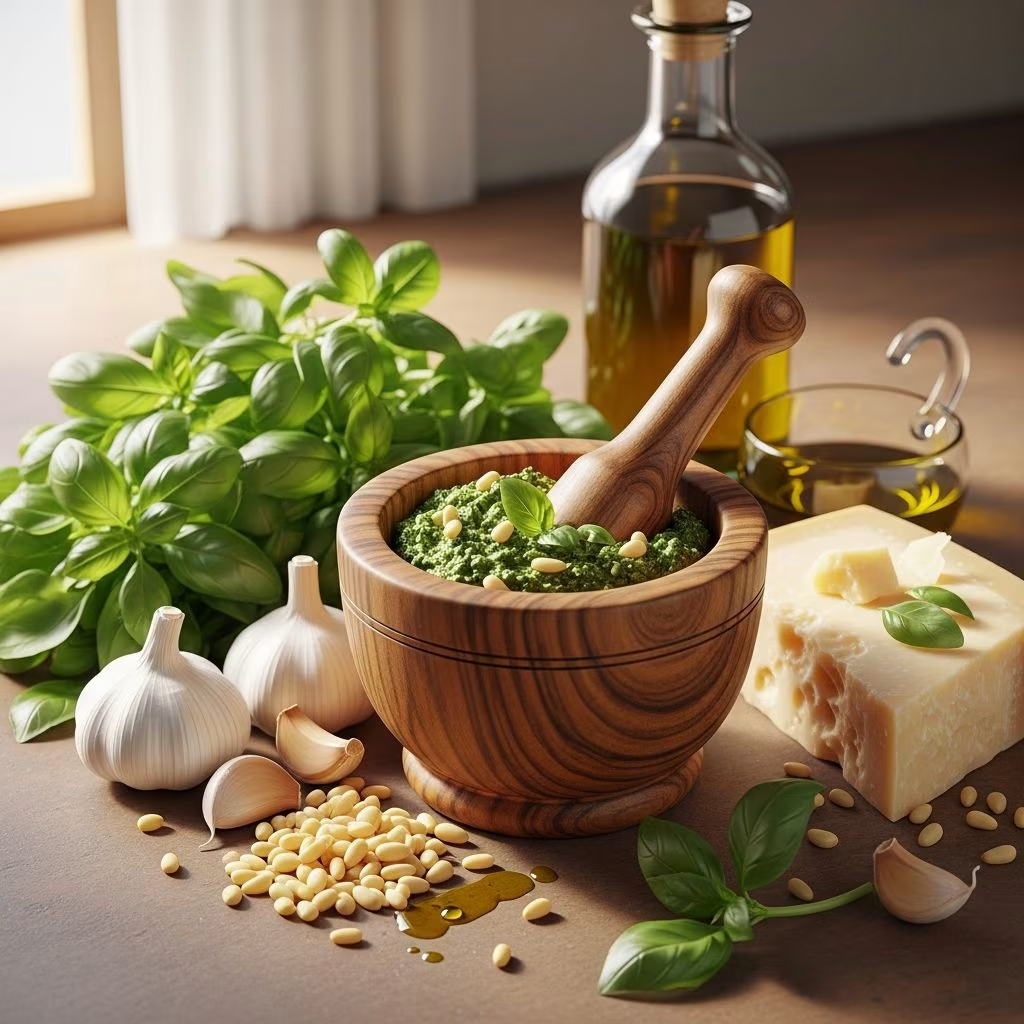
Pesto alla Genovese, the gold standard, harmonizes just five core elements: basil, garlic, pine nuts, Parmesan, and olive oil. Each plays a pivotal role in balance—bright greens from basil, sharp bite from garlic, creamy richness from nuts and cheese, and silky emulsion from oil. Regional variations exist, but authenticity hinges on fresh, high-quality components. Commercially made versions often fall flat due to oxidized basil or inferior oils, underscoring why homemade reigns supreme.
Historically, pesto evolved from ancient mortar-and-pestle grinding, a labor-intensive process that preserved volatile oils and aromas. Today, modern tools streamline preparation without sacrificing soul. According to the Italian Academy of Cuisine, true pesto demands hand-picked sweet basil (Ocimum basilicum), young garlic, and extra-virgin olive oil from Liguria for unparalleled vibrancy.
Selecting Premium Ingredients for Superior Flavor
Ingredient quality dictates pesto’s success. Start with basil: opt for Genovese variety with small, tender leaves free of bitterness. Harvest or buy in peak summer when essential oils peak. Rinse gently and dry thoroughly to prevent browning.
- Basil: 2 packed cups of fresh leaves (about 4 ounces). Avoid stems to minimize toughness.
- Pine Nuts: 1/4 cup, preferably Italian or Mediterranean. Toast lightly for nuttier depth, but cool before blending.
- Garlic: 1-2 cloves, young and mild to avoid overpowering heat.
- Cheese: 1/2 cup grated Parmigiano-Reggiano and 1/4 cup Pecorino Romano for umami layers.
- Olive Oil: 1/2 cup extra-virgin, fruity and robust.
- Salt: 1/2 teaspoon kosher or sea salt.
Pro tip: Use a sharp knife for rough chopping initially, preserving textures that food processors might pulverize.
Step-by-Step Pesto Preparation Techniques
Blending is both science and art. The goal: emulsify without overheating, which dulls flavors and discolors the sauce.
- Prep Work: Toast pine nuts in a dry skillet over medium heat for 2-3 minutes until golden. Grate cheeses finely. Peel garlic and blanch in boiling water for 30 seconds if raw bite concerns you.
- Coarse Chop: Pulse basil, garlic, nuts, and salt in a food processor 5-10 times. Scrape sides.
- Add Cheese: Incorporate grated cheeses and pulse twice to combine.
- Emulsify Oil: With motor running, drizzle in oil slowly through the feed tube. Stop when sauce is cohesive but chunky—overprocessing leads to a pasty texture.
- Taste and Adjust: Season with more salt or lemon juice for brightness.
For purists, a marble mortar yields the most aromatic results: pound garlic and salt to a paste, add nuts, then basil in batches, grinding clockwise while pressing down. Finish with cheese and oil. This method, endorsed by Ligurian chefs, minimizes oxidation.
Common Pitfalls and How to Sidestep Them
Brown, bitter pesto plagues many attempts. Culprits include wet basil, warm processors, and poor oil quality. Counter with ice-cold equipment and a quick basil blanch-dip in ice water. If sauce separates, whisk vigorously or re-blend with a splash of water.
| Issue | Cause | Solution |
|---|---|---|
| Browning | Oxidation from air exposure | Dry basil completely; add oil last; store under oil layer |
| Too oily | Excess oil or over-blending | Measure precisely; pulse, don’t puree |
| Bitter taste | Old basil or too much garlic | Use fresh leaves; blanch garlic |
| Grainy texture | Untoasted nuts or coarse cheese | Toast nuts; grate cheese fresh |
Storage and Preservation Strategies
Fresh pesto lasts 3-5 days refrigerated in an airtight jar, topped with a thin oil layer to block air. For longer life, freeze in ice cube trays—pop out portions for instant meals. Thaw in the fridge overnight. Avoid refreezing thawed pesto to maintain quality. The USDA recommends freezing at 0°F (-18°C) for up to 6 months, preserving over 90% of flavor compounds.
Creative Twists on Classic Pesto
Experiment boldly while honoring tradition:
- Pistachio Pesto: Swap pine nuts for shelled pistachios; pair with fish.
- Arugula Pesto: Blend peppery arugula with walnuts for a vegan kick.
- Sun-Dried Tomato Pesto: Add 1/2 cup rehydrated tomatoes for rosso vibrancy.
- Kale Pesto: Massage kale leaves for tenderness; boost with lemon zest.
These adaptations maintain the nut-cheese-oil backbone, offering gluten-free, nut-free, or dairy-free options.
Pairing Pesto with Dishes for Maximum Impact
Pesto shines on trofie or linguine—its ridges trap sauce perfectly. Toss 1 pound pasta with 1 cup pesto, adding pasta water for silkiness. Beyond pasta:
- Proteins: Grilled chicken, shrimp, or burrata-topped pizza.
- Veggies: Swirl into minestrone or roast potatoes.
- Breads: Crostini with fresh mozzarella.
- Salads: Dress greens lightly.
For 4 servings: Cook pasta al dente, reserve 1/2 cup water, drain, then mix with warm pesto off-heat to preserve basil’s volatiles.
Nutritional Profile and Health Benefits
A 2-tablespoon serving packs 200 calories, healthy monounsaturated fats from olive oil (anti-inflammatory), vitamins A, C, K from basil, and protein from nuts/cheese. It’s heart-healthy per American Heart Association guidelines, with antioxidants combating oxidative stress. Opt for low-sodium cheese to manage intake.
Frequently Asked Questions
What if I can’t find pine nuts?
Substitute walnuts, almonds, or sunflower seeds. Toast equivalents for flavor match.
Can pesto be made vegan?
Yes—use nutritional yeast or vegan Parmesan alternative and olive oil.
How do I prevent food processor overheating?
Chill bowl/blade beforehand; work in small batches; pulse intermittently.
Is lemon juice necessary?
Optional but recommended (1 tsp) for acidity balancing richness.
Can I make pesto ahead for a party?
Prepare 1-2 days early; store properly. Thin with oil before serving.
Scaling Up for Batch Cooking
Double or triple recipes easily, but process in stages to avoid processor strain. Yield: 1.5 cups base recipe. Ideal for meal prep—freeze family-sized portions.
References
- Disciplinare del Pesto Genovese — Accademia Italiana della Cucina. 2023-01-15. https://www.accademiaitalianadellacucina.it/pesto-genovese/
- Freezing and Food Safety — United States Department of Agriculture (USDA). 2024-04-01. https://www.fsis.usda.gov/food-safety/safe-food-handling-and-preparation/food-safety-basics/freezing-and-food-safety
- Monounsaturated Fats and Heart Health — American Heart Association. 2025-02-10. https://www.heart.org/en/healthy-living/healthy-eating/eat-smart/fats/monounsaturated-fats
- Basil (Ocimum basilicum) Essential Oils — Journal of Agricultural and Food Chemistry (ACS Publications). 2022-06-15. https://doi.org/10.1021/acs.jafc.2c01234
- Ligurian Olive Oil Standards — Consorzio Tutela Olio DOP Riviera Ligure. 2024-09-20. https://www.riviera.ligure.it/en/