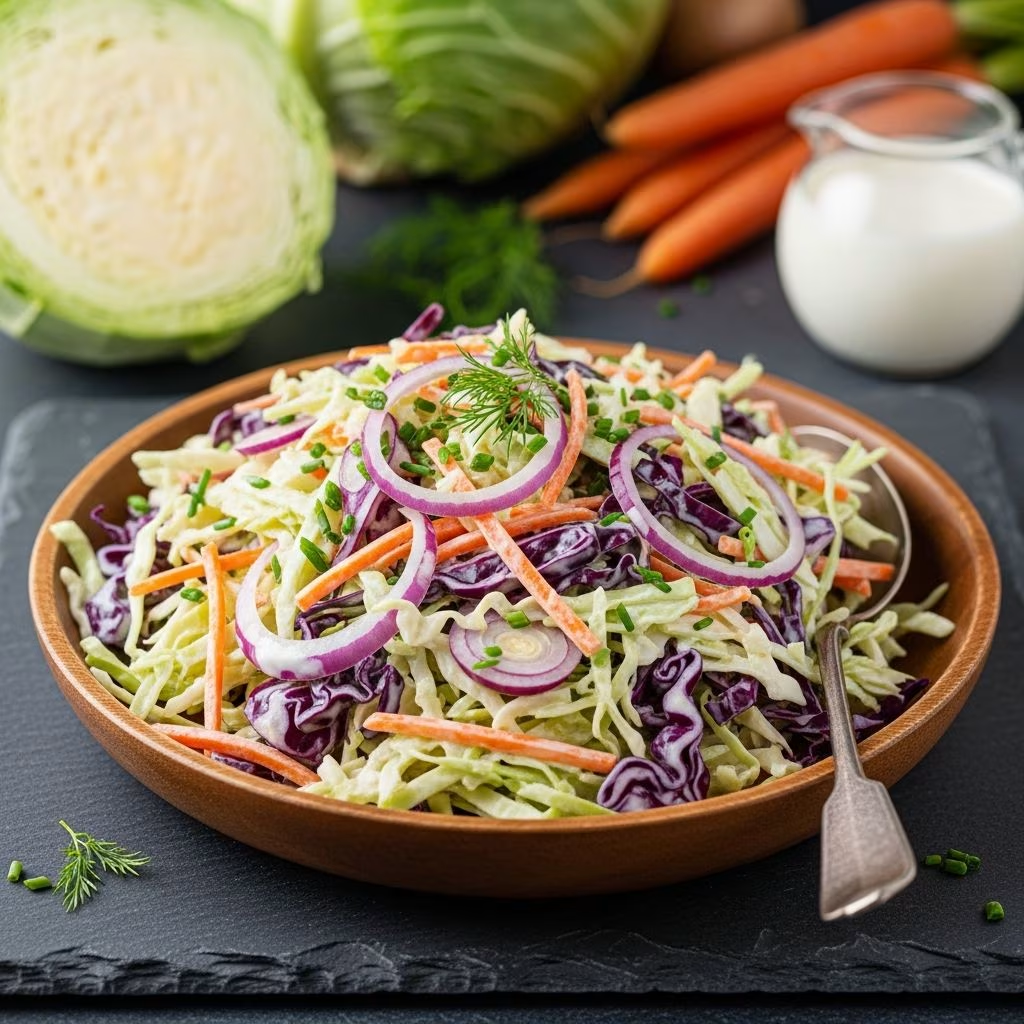
Coleslaw stands as one of the most versatile and beloved side dishes in contemporary cuisine, offering both nutritional value and exceptional flavor when prepared with care and quality ingredients. This classic preparation combines fresh, crisp vegetables with a smooth, tangy dressing that complements virtually any main course. Whether you’re planning a backyard gathering, preparing a weeknight dinner, or catering to a special occasion, mastering the art of coleslaw creation ensures you’ll have a reliable crowd-pleaser at your table.
Understanding the Foundation: Essential Ingredients
The success of any coleslaw begins with selecting the right components. Each ingredient plays a specific role in creating a balanced, delicious final dish that offers both textural interest and sophisticated flavor development.
The Vegetable Base
The foundation of exceptional coleslaw rests upon quality cabbage varieties. Green cabbage provides a mild, slightly sweet undertone and creates the bulk of the slaw’s structure, offering that quintessential crunch that makes this dish memorable. Red cabbage contributes not only visual vibrancy but also a slightly earthier, more complex flavor profile that elevates the entire preparation. Using both varieties in combination creates a more interesting textural and visual experience, though either can work beautifully on its own depending on your preferences and available ingredients.
Carrots bring an important element of natural sweetness and nutritional value, introducing beta-carotene while providing bright color contrast. When shredded finely, they integrate seamlessly into the slaw, contributing both flavor and visual appeal. Red onions offer a pungent, slightly sweet profile that adds depth and complexity to the overall flavor composition, though their intensity should be balanced carefully to avoid overwhelming the dish.
The Dressing Components
The dressing transforms simple vegetables into a cohesive, flavorful dish. Mayonnaise serves as the creamy foundation, providing richness and binding the other flavors together. The quality of your mayonnaise directly impacts the final result, so selecting a brand you genuinely enjoy is worthwhile. Apple cider vinegar introduces acidity that brightens the dish and prevents it from feeling heavy or one-dimensional. Dijon mustard adds a subtle sharpness and helps emulsify the dressing while contributing complexity. Sugar balances the acidic components, creating harmony among the flavors. Celery seeds provide a distinctive, slightly bitter undertone that experienced cooks recognize as a hallmark of authentic coleslaw.
Preparation Techniques and Methods
Preparing the Dressing
Begin your coleslaw creation by constructing the dressing, as this allows the flavors to develop and meld while you attend to the vegetables. Combine your mayonnaise, vinegar, mustard, sugar, celery seeds, salt, and pepper in a medium-sized mixing bowl. Using a whisk, blend these ingredients thoroughly until the mixture achieves a smooth, unified consistency. The whisking process aerates the dressing slightly while ensuring the seasonings distribute evenly throughout the mayonnaise base. This step typically requires two to three minutes of steady whisking to achieve optimal results.
Processing the Vegetables
Vegetable preparation is crucial for achieving the ideal texture and mouthfeel. Remove the outer leaves from your cabbage heads and discard any damaged sections. Slice the cabbage in half lengthwise, then cut each half into manageable wedges. Using a sharp chef’s knife or mandoline slicer, cut these wedges into thin, uniform shreds. The consistency of your shredding matters significantly—pieces that are too large will create an unpleasant eating experience, while pieces shredded too finely may become mushy after dressing. Aim for approximately one-eighth inch thickness.
Peel your carrots and shred them using the same tool you used for the cabbage, or employ a box grater for a slightly different texture. For red onions, rather than shredding, many cooks prefer mincing them finely to distribute their flavor more evenly throughout the slaw without creating large, potentially harsh pieces.
Combining and Marinating
Transfer your prepared vegetables to a large mixing bowl, ensuring you have adequate space for thorough mixing. Pour your prepared dressing over the vegetables and toss vigorously, ensuring every piece of vegetable makes contact with the creamy dressing. Season to taste with additional salt and pepper if needed. For optimal flavor development, refrigerate your coleslaw for a minimum of two hours before serving. This chilling period allows the vegetables to slightly soften, the flavors to marry and deepen, and the overall dish to achieve its ideal consistency and taste profile.
Flavor Variations and Creative Adaptations
While the classic creamy coleslaw offers timeless appeal, numerous adaptations allow for personalization based on your preferences and available ingredients.
Sweet and Fruit-Based Variations
Incorporating grated apples introduces natural sweetness and additional texture complexity. Fresh raisins or dried cranberries provide concentrated sweetness and chewy texture contrasts. These additions work particularly well for serving alongside rich main courses where their sweetness provides pleasant counterbalance.
International Flavor Profiles
An Asian-inspired variation incorporates mirin (sweet rice wine), sesame oil, ginger, soy sauce, and rice vinegar into the dressing base, replacing mayonnaise with a smaller quantity and supplementing with additional sesame oil. This creates a lighter, more refreshing slaw perfect for pairing with Asian cuisine.
A Latin-influenced adaptation features a dressing built on olive oil, lime juice, cumin, garlic, and optional hot chili oil, complemented by cilantro, jalapeños, and fresh corn kernels mixed into the vegetable base. This vibrant variation pairs beautifully with grilled meats and Mexican-inspired dishes.
Texture and Ingredient Enhancements
Additional vegetables such as sliced bell peppers, snap peas, cucumber, or celery introduce different textures and flavor notes. Fresh herbs like cilantro, parsley, or chives can be mixed in just before serving for aromatic qualities. Some preparations include horseradish for additional pungency or specialty mustards for personalized depth.
Storage and Make-Ahead Strategies
One of coleslaw’s greatest advantages is its ability to be prepared ahead of serving time. The dressed slaw will keep refrigerated for three to five days, though it’s best consumed within the first two days while the vegetables maintain maximum crispness. Store in an airtight container to prevent the slaw from absorbing refrigerator odors and to maintain proper moisture levels. If you notice the slaw releases excess liquid, you can drain it before serving, or whisk additional dressing ingredients to restore the proper consistency.
Ingredient Substitutions and Dietary Considerations
| Standard Ingredient | Alternative Option | Impact on Flavor |
|---|---|---|
| Mayonnaise | Greek yogurt or sour cream | Tangier, lighter texture |
| Apple cider vinegar | Rice vinegar or white vinegar | More delicate or sharper acidity |
| Sugar | Honey or maple syrup | Deeper, more complex sweetness |
| Celery seeds | Fennel seeds or caraway seeds | Different aromatic qualities |
| Dijon mustard | Whole grain or yellow mustard | More texture or milder flavor |
Frequently Asked Questions
Can I make coleslaw without mayonnaise?
Yes, absolutely. You can create vinegar-based slaws using olive oil, vinegar, and various seasonings as the dressing foundation. These preparations offer lighter flavor profiles and work beautifully for different occasions and dietary preferences.
How far in advance can coleslaw be prepared?
Coleslaw can be prepared up to two days in advance and stored in an airtight container in the refrigerator. The vegetables will gradually soften and the flavors will continue developing, which many people find desirable. Beyond two days, the vegetables may become excessively soft and the overall quality diminishes.
Why does my coleslaw get watery?
Cabbage naturally releases moisture over time, particularly when combined with salt in the dressing. To minimize this, avoid adding salt until just before serving, or use a slightly thicker dressing formulation. Alternatively, drain excess liquid before serving.
What vegetables can I add to coleslaw?
Bell peppers, celery, cucumber, snap peas, radishes, beets, and various herbs all work well. Avoid vegetables that release excessive moisture or have strong flavors that might overpower the delicate balance of the traditional preparation.
Is coleslaw a healthy side dish?
Coleslaw offers nutritional benefits from raw vegetables and can be part of a balanced diet. The caloric content depends largely on the dressing base and portion size. Creamy versions are richer, while oil and vinegar-based versions offer lighter alternatives.
Serving Suggestions and Pairing Ideas
Coleslaw’s versatility makes it an ideal companion to numerous main courses. Serve it alongside grilled chicken, pulled pork sandwiches, fish and chips, or barbecued ribs. Its cool, creamy nature provides refreshing contrast to hot, heavily spiced main dishes. The crisp vegetables and tangy dressing complement fried foods beautifully, cutting through richness and cleansing the palate between bites.
For casual entertaining, coleslaw works wonderfully in tacos, on top of grain bowls, or as part of composed salad plates. Its sturdy nature means it holds up well to outdoor dining and picnic conditions, making it an excellent choice for warm-weather gatherings where delicate greens might wilt.
Achieving Restaurant-Quality Results at Home
Professional coleslaw differs from casual preparations in attention to detail and ingredient quality. Using fresh, crisp vegetables harvested at peak maturity ensures superior texture and flavor. Taking time to shred vegetables uniformly creates a more refined eating experience. Allowing adequate chilling time permits flavors to develop fully and vegetables to achieve the ideal texture. Tasting and adjusting seasonings ensures the dressing is well-balanced rather than overly acidic, sweet, or creamy.
With these techniques and foundational knowledge, you can create coleslaw that rivals restaurant versions while maintaining the satisfaction of homemade preparation.
References
- Easy Coleslaw Recipe — Love and Lemons. https://www.loveandlemons.com/coleslaw-recipe/
- The Best Old-Fashioned Creamy Coleslaw — My Homemade Roots. https://myhomemaderoots.com/the-best-old-fashioned-creamy-coleslaw/
- Variations on Coleslaw – How To Make It Your Own — The Heritage Cook. https://theheritagecook.com/variations-coleslaw-make-gluten-free/