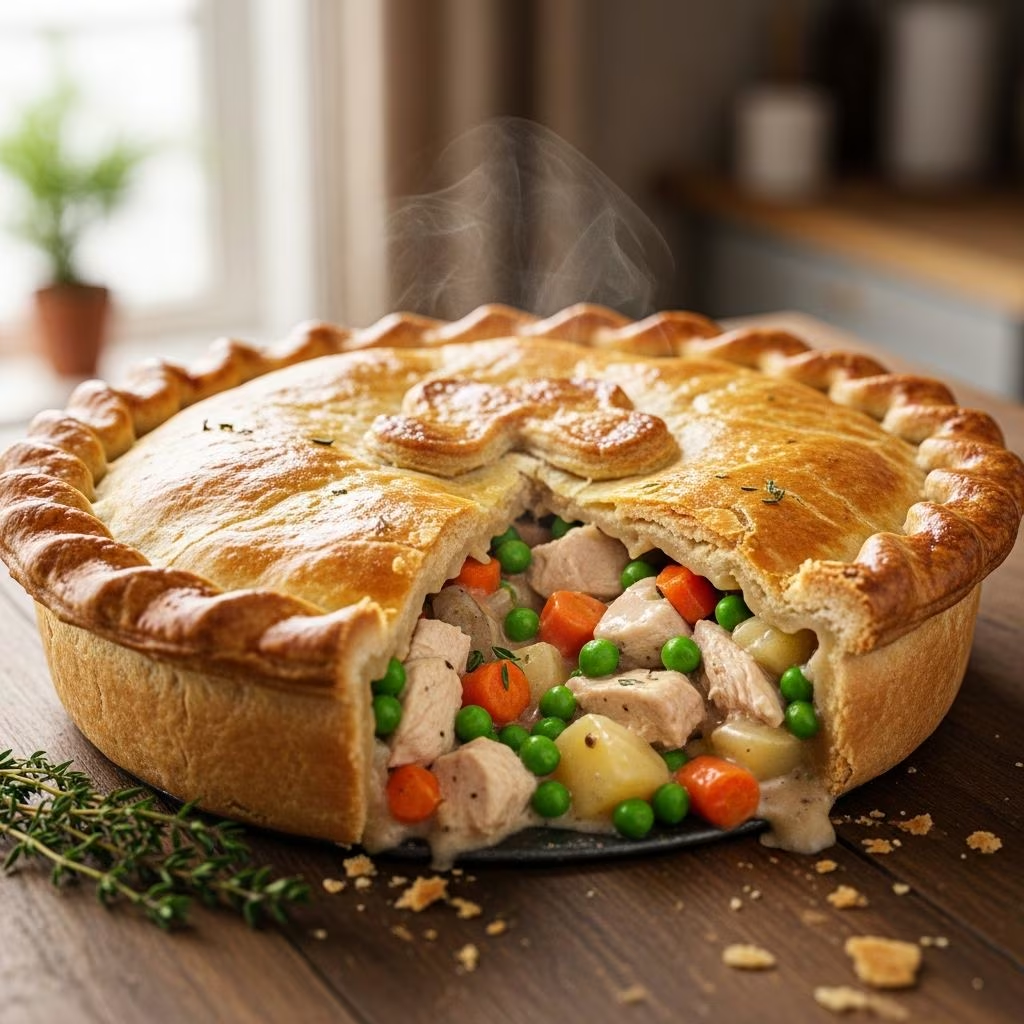
Chicken pot pie represents one of the most beloved comfort food classics found in kitchens across the globe. This traditional dish combines tender poultry, wholesome vegetables, and a luxurious creamy sauce, all encased in a buttery pastry shell that delivers satisfying crunch with every bite. Whether you’re preparing dinner for your family or hosting guests, understanding the fundamentals of pot pie preparation ensures consistently excellent results.
Understanding the Essential Components
A truly memorable chicken pot pie consists of three primary elements working together harmoniously: the foundation crust, the flavorful protein and vegetable mixture, and the binding cream sauce. Each component requires attention to detail and proper technique to achieve the dish’s characteristic appeal.
The Foundation: Selecting Your Pie Crust
The crust serves as both the structural support and an essential flavor component of your pot pie. You have two primary options: store-bought refrigerated pie crusts for convenience, or homemade dough for superior flavor and texture control. Many experienced cooks recommend preparing homemade pie dough because store-bought versions tend to overcook during the extended baking time that pot pies require. Homemade dough allows you to adjust fat content, salt levels, and achieve the specific flakiness you desire.
When preparing your crust, ensure it reaches room temperature before working with it. This prevents excessive shrinkage and cracking during baking. For the bottom crust, gently press it into your pie dish without stretching, allowing it to rest slightly above the rim. The top crust should be reserved separately until you’re ready to assemble the filled pie.
The Protein: Chicken Selection and Preparation
Chicken pot pie traditionally features boneless, skinless chicken breast, though some recipes incorporate thighs for richer flavor. You can prepare fresh chicken by poaching it gently in water until just cooked through, or use rotisserie chicken to save preparation time without compromising taste. The key is achieving tender, bite-sized pieces that distribute evenly throughout the filling.
Fresh poached chicken offers superior texture compared to pre-cooked options, but the convenience of rotisserie chicken makes it an acceptable shortcut. If using fresh chicken, simmer it gently rather than boiling vigorously, which can result in tough, stringy meat. The chicken should be barely cooked through, then removed and allowed to cool slightly before shredding into uniform pieces.
Building Flavor: The Vegetable Selection Strategy
Vegetables provide essential nutrition, texture contrast, and flavor development to your pot pie filling. The classic combination includes carrots, celery, and onions as the aromatic base, supplemented with frozen peas and mixed vegetables. This selection provides both sweetness from the carrots and peas, subtle earthiness from celery, and savory depth from onions.
Proper vegetable preparation ensures even cooking and pleasant texture throughout your dish. Dice carrots and celery into small, uniform pieces so they cook at the same rate as the other ingredients. Fresh onions should be finely chopped to distribute their flavor evenly. Frozen vegetables work exceptionally well because they’re harvested and frozen at peak freshness, retaining nutrients and flavor better than many fresh options that have been stored for extended periods.
The Flavor Foundation: Creating Your Roux and Sauce
The cream sauce binds all components together while providing richness and depth. This sauce begins with a roux—a combination of equal parts fat and flour cooked together—which serves as the thickening agent. Melt butter over medium heat, then add flour, stirring constantly until no dry flour remains. This cooking step, typically requiring two to three minutes, develops the flour’s flavor and prevents lumps from forming in the finished sauce.
Once your roux reaches the proper consistency, gradually introduce your liquid components while stirring continuously. Start with cream, then add chicken broth, combining them slowly to ensure smoothness and consistent thickness. The mixture should bubble gently and thicken noticeably within three to four minutes. This thickened base creates the signature creamy filling that distinguishes pot pie from other chicken dishes.
Seasoning for Maximum Impact
Proper seasoning elevates your pot pie from adequate to exceptional. Essential seasonings include salt, black pepper, garlic powder, and dried thyme. Some recipes incorporate additional elements like poultry seasoning, turmeric for subtle color and earthiness, or fresh herbs such as flat-leaf parsley added at the end of cooking. These seasonings should be introduced at strategic points during preparation to build layered flavor complexity.
Add dry seasonings early, directly to the roux mixture, allowing them to bloom and develop fully. Fresh herbs should be incorporated near the end of cooking to preserve their bright, delicate flavors. Taste your filling before assembling the pie and adjust seasonings as needed, keeping in mind that flavors intensify during baking.
Step-by-Step Assembly and Baking Process
Preparation Phase
Begin by preheating your oven to 425 degrees Fahrenheit and positioning a rack on the lower third of your oven. This positioning ensures your bottom crust bakes thoroughly and achieves proper crispness. Allow your filling to cool for fifteen to thirty minutes after cooking before transferring it to the crust. This cooling step proves essential for crust quality—a hot filling can partially cook the crust prematurely, resulting in a soggy bottom.
Assembly Instructions
Press your first pie crust firmly into a nine-inch pie plate, ensuring complete coverage of the bottom and sides. Pour your cooled filling into the prepared crust, distributing vegetables evenly. Position your second crust over the filling, then seal the edges by pressing them together with your fingers or a fork, creating an attractive crimped pattern. Cut several slits into the top crust to allow steam to escape during baking, preventing excess moisture buildup that could soften the crust.
Baking and Finishing
Place your assembled pot pie directly into the preheated oven and bake for thirty to forty minutes, until the crust achieves a deep golden brown color. During the final fifteen to twenty minutes of baking, cover the crimped edge with aluminum foil strips to prevent excessive browning while allowing the top crust to continue developing color. The filling inside should bubble slightly at the edges when the pie reaches completion.
Pro Tips for Consistently Perfect Results
| Challenge | Solution |
|---|---|
| Soggy bottom crust | Cool filling before assembling; position oven rack in lower third; use homemade crust |
| Watery filling after baking | Ensure roux properly thickens sauce; cook filling sufficiently before assembling |
| Overcooked crust edges | Cover edges with foil during final cooking stages |
| Unevenly cooked vegetables | Dice all vegetables uniformly; add denser vegetables first |
| Tough, stringy chicken | Simmer gently; avoid boiling; use rotisserie chicken for convenience |
Ingredient Specifications and Ratios
Standard chicken pot pie proportions serve six to eight people and require approximately one pound of chicken, one-third cup butter, one-third cup flour, three cups chicken broth, one cup cream (milk or heavy cream), and two cups mixed vegetables. This ratio creates balanced filling with proper consistency—not too thin and runny, nor overly thick and gluey. Adjusting these proportions should be done carefully, as significant changes affect the final product’s texture and flavor.
Storage and Make-Ahead Strategies
Fully baked chicken pot pie stores covered in the refrigerator for two to three days, though it’s best enjoyed fresh. You can also prepare the filling one or two days ahead and refrigerate it separately, then assemble and bake when ready to serve. Alternatively, assemble the complete pie and freeze it unbaked for up to one month, then bake directly from frozen, adding ten to fifteen minutes to the baking time.
Frequently Asked Questions
Can I make chicken pot pie without a bottom crust?
Yes, you can create a simple skillet pot pie or use puff pastry exclusively on top, though the traditional presentation includes both bottom and top crusts for structural integrity and appearance.
What’s the best way to reheat leftover pot pie?
Reheat in a 350-degree oven for approximately fifteen minutes, covered with foil to prevent excessive browning. This method preserves crust texture better than microwave reheating.
Can I substitute other proteins for chicken?
Turkey works excellently as a substitute, or you can double the vegetable content for a vegetarian version while maintaining the same sauce base and crust.
How do I prevent my crust from browning too quickly?
Cover the crust edges with foil strips during cooking, or tent the entire pie loosely with foil and remove it during the final ten minutes to allow browning.
Is white wine necessary for the filling?
No, white wine is entirely optional and serves primarily to add subtle complexity. The pot pie is delicious without it, and you can use additional broth if preferred.
Variations Worth Exploring
Once you’ve mastered the classic version, consider experimenting with different approaches. Add roasted garlic for depth, incorporate sun-dried tomatoes for subtle sweetness, or include mushrooms for umami richness. Some cooks introduce a splash of cream sherry, or add fresh tarragon for French-inspired flavoring. These variations maintain the essential structure while offering personalized twists on the traditional formula.
Conclusion: Achieving Pot Pie Excellence
Creating an outstanding chicken pot pie requires understanding how each component contributes to the whole—from selecting quality ingredients to executing proper techniques at every stage. By following these guidelines, avoiding common pitfalls, and being willing to adjust recipes to your personal preferences, you’ll develop the ability to produce restaurant-quality pot pies in your own kitchen consistently. This classic comfort food deserves the attention and care that transforms it from ordinary to extraordinary, making it a dish that brings genuine satisfaction to everyone at your table.
References
- The Best Classic Chicken Pot Pie — The Wholesome Dish. Accessed April 10, 2026. https://www.thewholesomedish.com/the-best-classic-chicken-pot-pie/
- Homemade Easy Chicken Pot Pie Recipe — Persnickety Plates. Accessed April 10, 2026. https://www.persnicketyplates.com/homemade-but-easy-chicken-pot-pie/
- Best Chicken Pot Pie Recipe — The Pioneer Woman. Accessed April 10, 2026. https://www.thepioneerwoman.com/food-cooking/recipes/a11686/pot-pie/
- Homemade Chicken Pot Pie — Tastes Better From Scratch. Accessed April 10, 2026. https://tastesbetterfromscratch.com/chicken-pot-pie/
- Creamy Chicken Pot Pie from Scratch | Easy Comfort Food Recipe — Smokin’ & Grillin with AB. Accessed April 10, 2026. https://www.youtube.com/watch?v=gkarZoVRvN4