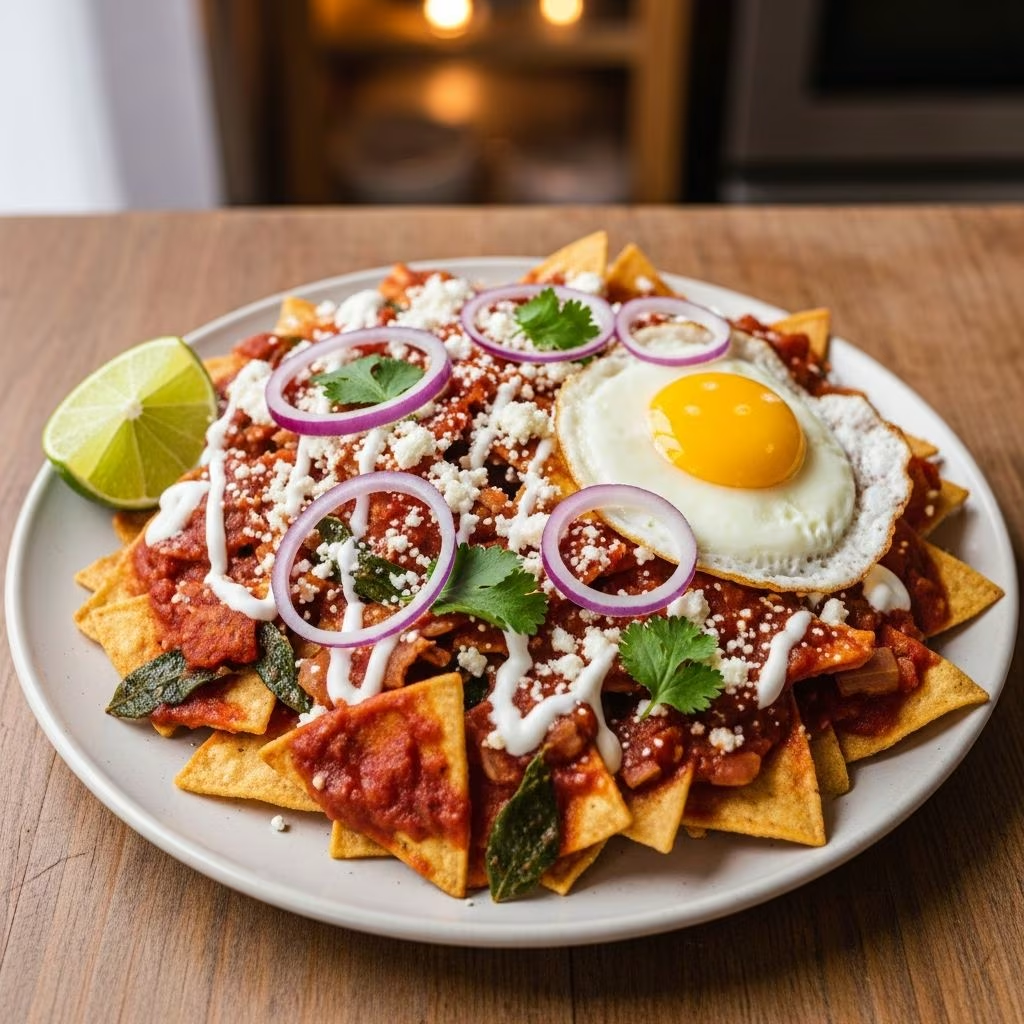
Chilaquiles represent one of Mexico’s most beloved comfort foods, offering a perfect balance of crispy textures and flavorful sauces that transform simple ingredients into something extraordinary. This versatile dish has graced Mexican tables for generations, evolving from a practical way to repurpose stale tortillas into a restaurant favorite that commands respect from culinary enthusiasts worldwide. Understanding the fundamentals of preparing chilaquiles opens doors to creating a dish that tastes restaurant-quality while remaining accessible to home cooks of all skill levels.
Understanding the Foundation: What Makes Chilaquiles Special
At its core, chilaquiles combines fried tortilla pieces with a savory sauce, creating a dish where texture and flavor interact in fascinating ways. The foundation lies in recognizing that chilaquiles is not merely fried chips covered in sauce; rather, it represents a carefully balanced composition where each component serves a specific purpose. The crispy exterior of the tortillas gradually softens as they absorb the sauce, creating layers of textural contrast that distinguish an excellent version from an ordinary one.
The versatility of chilaquiles extends beyond simple preparation methods. Regional variations throughout Mexico showcase different sauce profiles, topping combinations, and cooking techniques that reflect local ingredients and culinary traditions. Whether prepared with vibrant green tomatillo sauce or rich red tomato-based versions, chilaquiles adapt to available resources while maintaining their essential character and appeal.
Selecting and Preparing Your Tortillas
The quality of your tortillas directly impacts the final outcome of your chilaquiles. Traditional recipes call for cutting fresh corn tortillas into triangular wedges or strips, with most cooks preferring tortillas that are slightly stale rather than absolutely fresh. Stale tortillas maintain their structural integrity better during frying and sauce absorption compared to fresh ones, which tend to absorb liquid too quickly and become mushy.
Two primary methods exist for preparing tortillas:
- Deep frying approach: Heat neutral oil in a heavy skillet to medium-high temperature and fry tortilla pieces in batches until golden brown and crispy. This method requires careful attention to prevent burning while ensuring even cooking throughout the batch.
- Baking alternative: For a lighter preparation, brush tortilla triangles lightly with olive oil, arrange them on a baking sheet in a single layer, sprinkle with salt, and bake at 350 degrees Fahrenheit for 12 to 15 minutes until golden and crispy. This technique produces excellent results with less oil consumption.
Many home cooks now opt for high-quality store-bought tortilla chips as a convenient substitute, particularly when seeking thicker varieties that resist becoming soggy too quickly. Regardless of your approach, the goal remains achieving that critical textural contrast between the crispy chips and the sauce they’ll soon absorb.
Crafting Your Sauce: The Heart of the Dish
The sauce distinguishes one chilaquiles experience from another, serving as both flavor vehicle and textural modifier. Two fundamental sauce categories define most chilaquiles preparations: the vibrant green salsa verde using tomatillos and the deeper red sauce made from tomatoes and dried chiles.
Creating a Red Sauce Foundation
Red chilaquiles sauce begins with building layers of flavor through careful ingredient selection and preparation. Start by heating oil in a heavy-bottomed skillet over medium-high heat. Dice half a sweet onion and mince two garlic cloves, then sauté them for two to three minutes until softened and fragrant. Reduce heat to medium and continue cooking for another two minutes, allowing flavors to deepen.
Transfer the aromatics to a blender along with two cups of crushed tomatoes, six chipotle peppers in adobo sauce, and two-thirds cup of unsalted chicken stock. Blend the mixture until completely smooth, breaking down all fibrous material to create a uniform texture. This blended base returns to your skillet to simmer over medium-low heat for approximately ten minutes, allowing flavors to meld and the sauce to concentrate slightly.
Preparing Green Salsa Verde
For those preferring green chilaquiles, salsa verde offers a brighter, more herbaceous alternative. Store-bought versions provide convenient shortcuts, though homemade salsa verde elevates the dish considerably. Roast fresh tomatillos, white onion slices, garlic cloves, and jalapeños under a preheated broiler until the exteriors blacken and the flesh softens, approximately six minutes per side. Cool until handleable, then blend the roasted vegetables with lime juice, fresh cilantro, and salt until reaching your desired consistency. This sauce can be prepared up to four days in advance, allowing flexibility in meal planning.
The Assembly Process and Cooking Method
With tortilla chips prepared and sauce ready, the actual assembly requires attention to timing and technique. Raise your sauce to medium-high heat, bringing it to a gentle boil—this step takes approximately three minutes. Resist the urge to add all chips simultaneously; instead, introduce them gradually, one handful at a time.
After each addition of chips, fold them gently into the sauce using a spatula or spoon, ensuring every piece receives coating before adding more. This methodical approach prevents the chips from breaking apart prematurely and distributes the sauce evenly. Continue this process until all chips have been incorporated and thoroughly coated, which typically requires about three additional minutes. Season with salt and pepper to taste, making final adjustments as needed.
The timing between adding chips and serving determines your final texture outcome. Leaving the pan on heat for an extended period softens the chips progressively—ideal if you prefer a more tender result. Removing from heat immediately after assembly preserves more crispness. Most palates appreciate a middle ground where chips retain some structural integrity while absorbing sufficient sauce for flavor.
Essential Toppings and Finishing Elements
Chilaquiles reaches its full potential through thoughtful topping selections that add visual appeal, textural variety, and flavor complexity. Traditional preparations remain incomplete without proper accompaniments.
| Topping Category | Common Options | Flavor Profile |
|---|---|---|
| Protein | Fried eggs with runny yolks, shredded chicken, chorizo | Rich, savory, anchoring |
| Dairy | Crema, cotija cheese, queso fresco | Cooling, salty, creamy |
| Fresh Elements | Avocado slices, radish, cilantro, lime | Bright, fresh, acidic |
| Heat and Spice | Jalapeño slices, serrano peppers, hot sauce | Pungent, spicy, sharp |
Fried eggs represent the most traditional protein accompaniment, with a runny yolk creating sauce as it breaks across the plate. Fry eggs in a separate nonstick pan over medium-high heat for three to four minutes until the whites set while yolks remain runny, then season with salt and pepper. This element transforms chilaquiles from side dish into complete meal.
Timing Considerations and Make-Ahead Strategies
Chilaquiles demands attention to timing for optimal results, making it less suitable for complete advance preparation. However, strategic planning allows for efficient meal preparation. The sauce component freezes successfully, remaining viable for several weeks when stored in airtight containers. Prepare this in advance, thawing overnight in the refrigerator before reheating gently over low heat.
Tortilla chips maintain quality best when fried or baked close to serving time, as they gradually absorb ambient moisture and lose crispness over hours. If frying in advance becomes necessary, store chips in an airtight container with a food-grade desiccant packet to minimize moisture absorption.
The actual assembly and sauce integration must occur immediately before serving. This final step takes mere minutes once components stand ready, making chilaquiles an achievable breakfast or brunch option even for busier mornings.
Variations and Creative Interpretations
While traditional chilaquiles follow established patterns, creative variations allow for personalization based on dietary preferences and ingredient availability. Vegetarian versions skip protein entirely, relying on multiple toppings and cheese for substance. Chorizo-studded chilaquiles introduce smoky, spiced meat flavoring throughout the dish. Some preparations incorporate shredded chicken mixed into the chips before sauce addition, creating more unified texture.
Quick versions utilize jarred salsa with chicken broth instead of preparing sauce from scratch, reducing total cooking time to under fifteen minutes while maintaining satisfactory flavor. This approach suits weeknight dinners or time-constrained mornings when elaborate preparation seems unrealistic.
Troubleshooting Common Challenges
Soggy chips: Remove from heat immediately after sauce integration and serve without delay. Using thicker, store-bought tortilla chips provides better structural support than thin varieties.
Bland results: Taste the sauce before adding chips and adjust seasoning with salt, additional chipotle peppers, or fresh lime juice as needed. Sauce seasoning intensifies only minimally once chips absorb the liquid.
Broken chip pieces: Handle gently during folding and avoid excessive stirring. Use a silicone or wooden utensil that won’t scrape and break delicate fried edges.
Dry texture: Ensure sufficient sauce volume by adding water or broth to reach a consistency that coats chips without creating a thick paste. The ratio typically ranges from one and one-half to two cups of liquid to eight ounces of chips.
From Kitchen to Table: Serving Suggestions
Present chilaquiles in deep plates or bowls that contain the sauce while showcasing topping arrangements. Serve immediately upon assembly while chips maintain optimal texture and sauce retains heat. Accompany with additional crema, hot sauce, and lime wedges positioned on the side, allowing diners to customize their portions.
Chilaquiles functions excellently as a weekend brunch centerpiece, particularly when paired with fresh fruit, warm bolillos or tortillas, and beverages that complement the rich, savory profile. The combination of substance from the chips and sauce with lighter fresh toppings creates satisfying but not overly heavy meals.
Equipment and Ingredient Investment
Creating excellent chilaquiles requires minimal special equipment beyond what most home kitchens already contain. A heavy-bottomed skillet measuring twelve inches provides ample space for the sauce and chip integration without crowding. A blender or food processor transforms raw vegetables into smooth sauce efficiently, though immersion blenders work adequately for smaller batches. Additional recommended items include a quality silicone spatula, deep serving bowls, and fresh lime squeezers.
Ingredient-wise, prioritize quality corn tortillas or reliable store-bought chips as your foundation. Fresh aromatics including onions and garlic matter considerably, as does your chosen chile or tomato base. Mexican crema and queso fresco may require shopping at specialty markets but reward the effort through authenticity and superior flavor compared to domestic substitutes.
References
- Chilaquiles Master Recipe — Rick Bayless, Professional Chef and Author. 2024. https://www.rickbayless.com/recipe/chilaquiles-master-recipe/
- Easy Chilaquiles Recipe — Spoon Fork Bacon Food Blog. 2024. https://www.spoonforkbacon.com/chilaquiles/
- Chilaquiles Recipe – Love and Lemons — Love and Lemons Food Blog. 2024. https://www.loveandlemons.com/chilaquiles/
- Easy Chilaquiles Recipe (for Chilaquiles Verdes and Rojas) — Delish Knowledge Food Blog. 2024. https://www.delishknowledge.com/easy-chilaquiles-recipe-chilaquiles-verdes-and-rojas/
- Chilaquiles Verdes – Mexican dishes by Muy Delish — Muy Delish Food Blog. 2024. https://www.muydelish.com/green-chicken-chilaquiles/