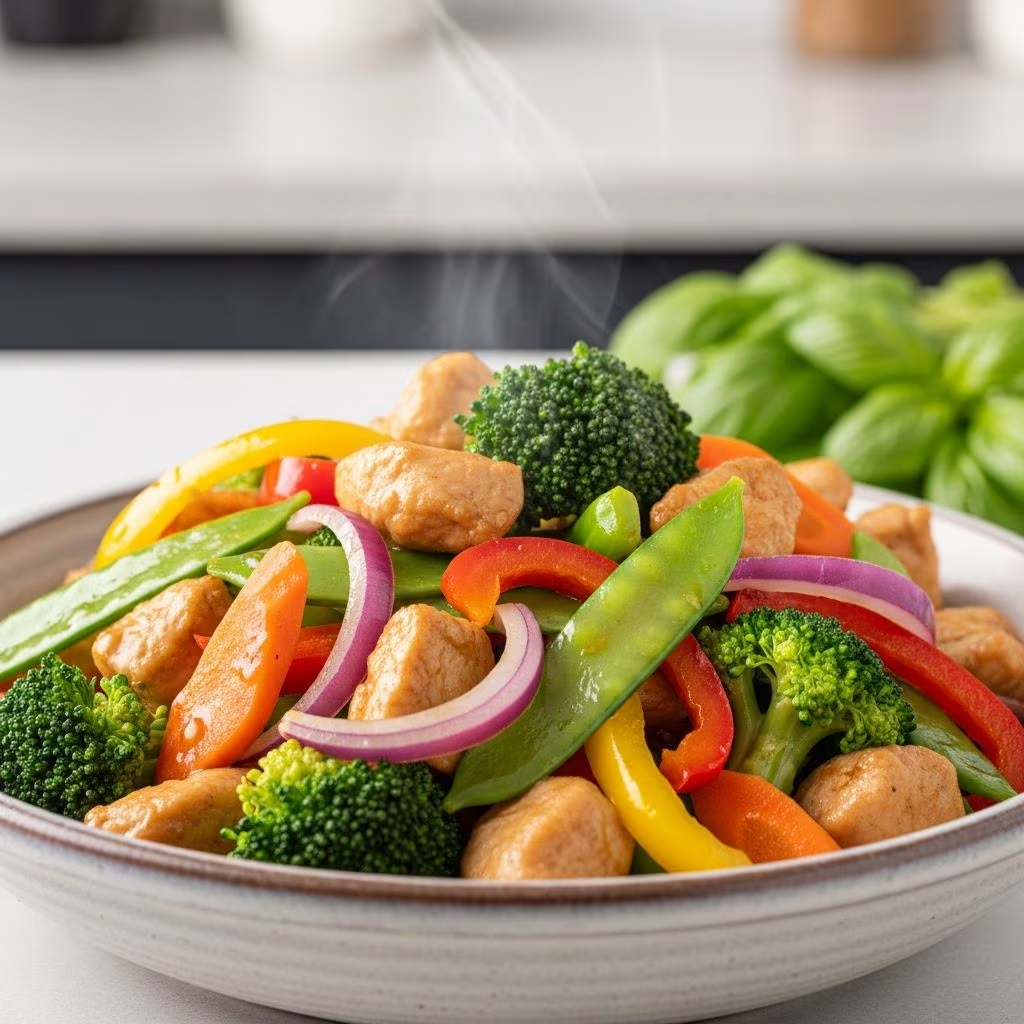
Stir-frying represents one of the most efficient and flavorful cooking methods in Asian cuisine. The combination of properly prepared chicken and fresh vegetables creates a nutritious meal that can be prepared in under 30 minutes. This comprehensive guide explores the techniques, ingredients, and methods required to produce restaurant-quality results in your home kitchen.
Understanding the Fundamentals of Stir-Fry Cooking
The art of stir-frying relies on several key principles that distinguish it from other cooking methods. High heat, rapid movement, and careful timing work together to preserve the texture and nutritional value of ingredients while developing complex flavors. When executed properly, this cooking technique yields tender protein and vegetables that retain their natural colors and crispness.
The wok serves as the traditional vessel for stir-frying, though a large skillet works effectively as well. The curved shape of a wok promotes even heat distribution and facilitates the constant motion required during cooking. Understanding how to manage temperature and timing throughout the process ensures consistent success.
Selecting and Preparing Quality Chicken
The choice of chicken cut significantly impacts the final dish. Chicken breasts offer a leaner option that cooks quickly, while chicken thighs provide more moisture and flavor due to their higher fat content. Both options work excellently when cut into uniform bite-sized pieces that cook evenly throughout.
Proper cutting technique ensures consistent cooking times across all pieces. Slicing chicken into approximately one-inch cubes or strips promotes rapid, even cooking. The size uniformity prevents some pieces from becoming overcooked while others remain undercooked.
Before cooking, trimming excess fat from chicken thighs improves the final texture and reduces greasiness in the finished dish. This preliminary preparation demonstrates attention to detail that separates good results from exceptional ones.
The Marinating Process
Marinating chicken before stir-frying introduces flavor directly into the protein and helps maintain moisture during cooking. A simple marinade consisting of soy sauce, garlic, and minimal seasonings penetrates the chicken effectively within a short timeframe.
- Combine chicken pieces with soy sauce in a mixing bowl
- Add minced garlic for aromatic depth
- Include white pepper for subtle spice and white pepper’s mild bite
- Allow 15 minutes for the flavors to absorb
- Proceed with other preparation tasks while marinating
This brief marinating period adds significant flavor without requiring extended preparation time. The soy sauce acts as both a flavoring agent and a tenderizing element through its enzymatic properties.
Vegetable Selection and Preparation
Fresh vegetables contribute essential nutrients, color, and textural contrast to stir-fry dishes. The key to successful vegetable preparation lies in selecting varieties that cook quickly while maintaining their structural integrity and nutritional value.
Recommended Vegetables and Their Properties
| Vegetable | Preparation Method | Cooking Time | Texture Result |
|---|---|---|---|
| Broccoli | Cut into small florets | 2-3 minutes | Crisp-tender |
| Bell Peppers | Slice into strips or chunks | 1-2 minutes | Tender with slight firmness |
| Carrots | Thin diagonal slices | 2-3 minutes | Crisp and slightly chewy |
| Mushrooms | Halve or quarter depending on size | 1-2 minutes | Tender and juicy |
| Zucchini | Half-moon slices | 1-2 minutes | Tender with slight bite |
| Snap Peas | Leave whole or halve lengthwise | 1 minute | Crisp and crunchy |
Cutting vegetables into uniform sizes ensures even cooking and creates visual appeal in the finished dish. Vegetables should be prepared just before cooking to preserve their fresh appearance and nutritional content.
Vegetable Pre-cooking Strategies
Some recipes employ a blanching technique for vegetables that require longer cooking times, particularly broccoli and carrots. Boiling these vegetables for approximately two minutes before stir-frying ensures they reach optimal tenderness while maintaining their vibrant color and nutritional integrity.
This pre-cooking method prevents overcooked broccoli from becoming mushy and allows for more precise control over the final texture. After blanching, vegetables should be drained thoroughly and kept separate until the stir-frying stage begins.
Creating Flavorful Stir-Fry Sauces
The sauce represents the flavor foundation of any successful stir-fry dish. A well-balanced sauce combines umami depth, slight sweetness, and aromatic complexity that coats and enhances both protein and vegetables.
Essential Sauce Components
Traditional Asian stir-fry sauces typically feature these fundamental elements working in harmony:
- Soy sauce: Provides saltiness and umami complexity that anchors the overall flavor profile
- Oyster sauce: Adds subtle sweetness and additional umami dimensions
- Sesame oil: Contributes nutty aroma and finishing richness
- Garlic and ginger: Deliver pungent, warming spice notes that enliven the palate
- Cornstarch slurry: Thickens the sauce to proper consistency for coating ingredients
Mixing these components in a bowl before cooking allows the flavors to meld slightly while you prepare other elements. A cornstarch and water mixture creates the thickening agent that transforms the liquid sauce into a glossy coating.
Sauce Preparation Method
Combining all sauce ingredients in advance prevents scrambling during the cooking process when timing becomes critical. The cornstarch should be stirred thoroughly into the liquid components immediately before use to prevent lumping and ensure even thickening.
Temperature management remains crucial when adding sauce to the stir-fry. Maintaining high heat allows the sauce to thicken properly through the heat-induced starch gelatinization process, creating a luxurious coating rather than a thin, watery liquid.
Step-by-Step Cooking Procedure
Initiating the Cooking Process
Begin by heating your wok or large skillet over medium-high heat until it reaches optimal temperature. This preparation prevents sticking and promotes proper browning of the chicken. The cooking surface should be hot enough that a drop of water sizzles immediately upon contact.
Add cooking oil to the heated wok, allowing it to shimmer and coat the entire surface. Oil selection matters; neutral oils with high smoke points like vegetable or peanut oil withstand the elevated cooking temperatures without smoking or breaking down.
Cooking the Chicken
Place marinated chicken pieces in a single layer on the hot oiled surface. Resist the urge to constantly stir; allowing the chicken to sit briefly creates a light brown exterior that develops complex flavors through the Maillard reaction. After 30 to 45 seconds, begin stirring and continue cooking until the exterior browns on all sides.
The chicken should reach an internal temperature of 165°F (74°C) for food safety, though removing it slightly before full doneness prevents overcooking as carryover cooking continues after removal from heat. Total cooking time typically ranges from 3 to 5 minutes depending on piece size and heat intensity.
Transfer the cooked chicken to a clean plate or bowl once it achieves light browning and reaches a safe internal temperature. This intermediate step prevents overcooking when the chicken returns to the wok for final assembly.
Vegetable Stir-Frying
Add remaining oil to the wok after removing the chicken. Lower the heat slightly to medium-high and add aromatics including minced garlic and grated ginger. This brief cooking period of 30 to 60 seconds releases their essential oils and fragrant compounds, infusing the oil and preparing it to flavor the vegetables.
Add vegetables in order of their required cooking time, beginning with items needing longer exposure to heat. For example, broccoli and carrots enter the wok first, followed by faster-cooking items like bell peppers and snap peas. This sequential addition ensures everything reaches optimal doneness simultaneously.
Maintain constant motion throughout this stage, stirring and tossing vegetables to ensure even heat exposure and prevent sticking. If vegetables appear to cook too quickly or risk becoming overcooked, reduce heat slightly or add a small amount of water, which creates steam that gently cooks the vegetables without excessive direct heat.
Final Assembly and Sauce Application
Return the cooked chicken to the wok with the vegetables, stirring gently to combine all components. Give the prepared sauce mixture a final stir to recombine separated ingredients, particularly any settled cornstarch.
Pour the sauce over the chicken and vegetables while maintaining medium-high heat. Stir constantly as the sauce heats and thickens, a process typically requiring 1 to 2 minutes. The sauce should transform from liquid to glossy and thick, coating each ingredient with visible thickness.
Remove from heat once the sauce reaches the desired consistency and coats all components evenly. The completed dish should feature tender chicken, crisp-tender vegetables, and a thick, flavorful sauce that clings to each element rather than pooling at the bottom.
Professional Cooking Tips and Techniques
Organization and preparation significantly impact cooking success. Professional chefs emphasize mise en place—having all ingredients measured, cut, and prepared before cooking begins. This practice prevents scrambling during the time-sensitive cooking process and ensures nothing gets forgotten or burned.
Temperature control distinguishes exceptional stir-fries from mediocre ones. Maintaining high heat throughout most of the cooking promotes proper browning and preserves vegetable texture. Lowering heat only when necessary prevents cooking too quickly before flavors develop or vegetables finish cooking.
Avoid overcrowding the wok with too many ingredients simultaneously. Working in batches if necessary ensures proper browning and prevents the wok from becoming a steaming vessel where ingredients become limp rather than remaining crisp.
Serving Suggestions and Pairing Options
Stir-fry dishes pair excellently with steamed white or brown rice that absorbs the flavorful sauce. Alternatively, egg noodles or rice noodles provide different textural contrasts and cultural authenticity to the meal.
Garnishing options add visual appeal and final flavor notes. Sliced green onions contribute mild onion flavor and green color, while toasted sesame seeds provide nutty crunch and visual interest. Fresh cilantro offers bright herbaceous notes that complement the rich sauce.
Storage and Reheating Guidelines
Properly stored stir-fry remains delicious for up to four days in the refrigerator when kept in an airtight container. Reheating gently over medium heat or in the microwave maintains the sauce consistency and prevents vegetables from becoming overcooked.
The dish freezes acceptably for up to three months, though vegetables may become slightly softer upon thawing. Freeze in single-portion containers for convenient quick meals.
Frequently Asked Questions
Can I prepare vegetables in advance?
Cutting vegetables hours before cooking results in oxidation and moisture loss that impacts both appearance and texture. Prepare vegetables within 30 minutes of cooking for optimal results, though marinating chicken can proceed several hours in advance.
What if my sauce remains too thin?
A cornstarch slurry mixed during cooking thickens sauce to the proper consistency. If the sauce remains thin after the sauce has been added and cooking has continued for 2 minutes, the cornstarch may have been insufficient. Ensure proper ratios by using approximately 1 tablespoon cornstarch per cup of liquid sauce.
How do I prevent vegetables from becoming mushy?
Maintaining high heat and minimizing cooking time preserves vegetable texture. Additionally, blanching tougher vegetables before stir-frying ensures they reach perfect doneness without requiring extended cooking that would soften other vegetables excessively.
Is a wok necessary for proper stir-frying?
While traditional woks offer ideal shape and heat distribution, large skillets with high sides produce excellent results. The key factors are adequate surface area, high sides to contain ingredients during stirring, and the ability to reach and maintain high temperatures.
Can I substitute chicken with other proteins?
Beef, pork, shrimp, and tofu all work excellently in stir-fry preparations. Adjust cooking times based on the protein selected, ensuring food safety temperatures are reached while preventing overcooking.
References
- Panlasang Pinoy – Asian Chicken Stir Fry Recipe — Panlasang Pinoy. Accessed April 2026. https://panlasangpinoy.com/asian-chicken-stir-fry/
- Chicken Stir Fry Recipe — Natasha’s Kitchen. Accessed April 2026. https://natashaskitchen.com/chicken-stir-fry-recipe/
- Grandma’s Chicken and Vegetable Stir Fry — Wok and Kin. Accessed April 2026. https://www.wokandkin.com/chicken-and-vegetable-stir-fry/
- Easy Chicken Stir Fry Recipe — Mom On Timeout. Accessed April 2026. https://www.momontimeout.com/easy-chicken-stir-fry-recipe/