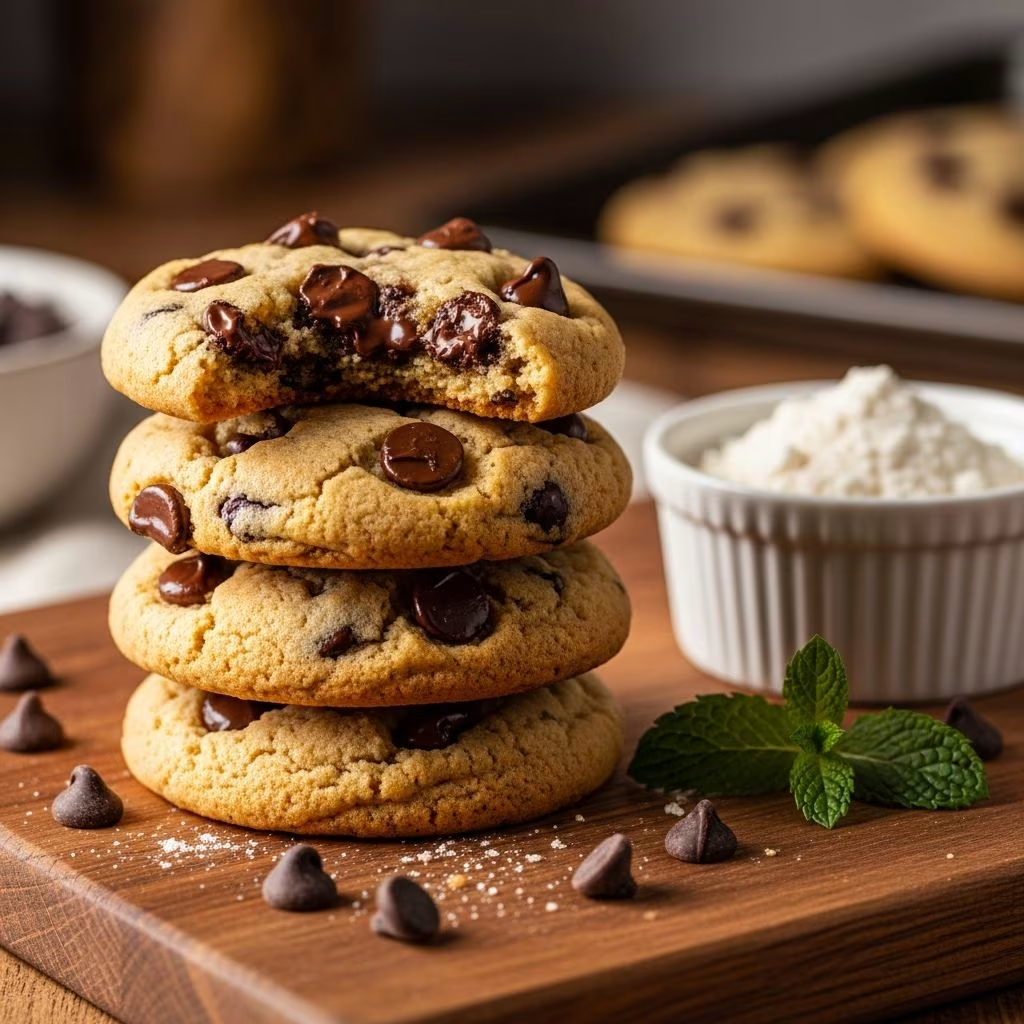
Baking gluten-free treats presents unique challenges that differ significantly from traditional baking. When it comes to chocolate chip cookies specifically, the absence of gluten requires careful attention to flour selection, ingredient ratios, and baking techniques. Many home bakers struggle with grittiness, unusual textures, or cookies that fail to achieve that coveted chewy center with crispy edges. Understanding the science behind gluten-free baking and employing proven strategies can transform your cookie-making experience, resulting in treats that rival their traditional counterparts in taste and texture.
Understanding Gluten-Free Flour Selection
The foundation of successful gluten-free baking begins with choosing the right flour blend. Unlike all-purpose wheat flour, which contains gluten proteins that provide structure and elasticity, gluten-free flours lack these binding properties. This fundamental difference means that selecting a high-quality gluten-free flour blend specifically formulated for baking is not simply a preference—it is essential for achieving consistent results.
Several varieties of gluten-free flour blends exist on the market, each with distinct characteristics. Measure-for-measure flours, also known as 1:1 substitutes, are engineered to mimic traditional all-purpose flour’s performance. These blends typically combine rice flour, tapioca starch, and potato starch with added binders such as xanthan gum or guar gum. These binders replicate gluten’s ability to hold moisture and create structure within the dough.
When selecting a flour blend, quality matters tremendously. Premium brands have undergone extensive testing and refinement to eliminate common issues associated with gluten-free baking. Inferior blends may produce cookies with a gritty mouthfeel, off-flavors, or inconsistent texture. Reading reviews and researching specific brands can help identify options that other bakers have successfully used in cookie recipes.
Essential Ingredients and Their Roles
Creating exceptional gluten-free chocolate chip cookies requires understanding how each ingredient contributes to the final product. The ingredient list differs somewhat from traditional cookie recipes due to the specialized nature of gluten-free baking.
Fats and Creaming
Butter serves as the primary fat in most chocolate chip cookie recipes and provides both flavor and structure. Using butter at the proper temperature matters significantly. Room-temperature butter incorporates air more effectively when creamed with sugars, creating a lighter crumb structure. Some recipes call for melted butter instead, which produces denser, chewier cookies with a more fudgy interior. Cream cheese, when incorporated into the wet ingredient mixture, adds richness and helps create that desirable chewy texture while reducing grittiness.
Sugars and Moisture
Brown sugar contributes molasses, which adds depth of flavor and moisture to the dough. The hygroscopic nature of brown sugar helps keep cookies soft and prevents them from becoming dry during storage. Granulated sugar balances sweetness and contributes to the cookie’s structure. The ratio between brown and granulated sugar influences both texture and browning during baking.
Leavening Agents
Baking soda serves as the primary leavening agent in chocolate chip cookies. This ingredient reacts with acidic components in the dough, creating carbon dioxide bubbles that help the cookies rise and develop structure. The amount of baking soda used affects both the rise and spread of the cookies during baking. Too little results in dense cookies, while too much can produce excessive spread and an odd taste.
Binders and Starches
Xanthan gum and guar gum act as binders in gluten-free baking, mimicking gluten’s adhesive properties. Many commercially available gluten-free flour blends already include these binders, so checking the package before adding extra is crucial to avoid an overly thick, gummy dough. Almond flour, when used in conjunction with gluten-free all-purpose flour, contributes moisture and richness while promoting golden browning and a more tender crumb.
Eggs and Flavor
Eggs provide moisture, richness, and structure to cookie dough. Room-temperature eggs incorporate more smoothly into the mixture and blend better with other wet ingredients. Vanilla extract enhances the overall flavor profile, complementing the chocolate and butter. High-quality vanilla extract makes a noticeable difference in the final taste.
Preparation Techniques That Ensure Success
Beyond ingredient selection, specific preparation methods significantly impact the quality of gluten-free chocolate chip cookies. Mastering these techniques addresses common issues that plague gluten-free baking.
Browning Butter for Enhanced Flavor
Browning butter—heating it until the milk solids turn golden brown—develops complex, nutty flavors that elevate the entire cookie. To brown butter correctly, melt it in a medium skillet over medium-low heat, stirring occasionally. Once melted and beginning to foam, stir continuously to prevent the milk solids from scorching. The butter will transition from yellow to golden brown quickly and will emit a distinctly nutty aroma. Pour the browned butter into a bowl immediately to stop the cooking process. This technique creates deeper flavor complexity and contributes to a richer, more satisfying cookie.
Dough Resting and Chilling
Allowing the dough to rest at room temperature for 30 minutes before baking offers multiple advantages. This resting period allows the gluten-free flour to fully hydrate, resulting in better texture and reducing grittiness. The dough becomes more stable and easier to handle when properly rested. Alternatively, refrigerating the dough for several hours or even overnight deepens flavors and prevents excessive spreading during baking. For those seeking convenience, some recipes note that dough can be refrigerated for up to five days without compromising quality.
Proper Mixing Methods
Mixing methodology affects the final cookie texture. The traditional creaming method, where softened butter and sugars are beaten together until light and fluffy, creates lighter, airier cookies. An alternative approach involves creating a well in the center of dry ingredients, adding wet ingredients to this well, and mixing them together in tight circles before incorporating the dry ingredients. This method tends to produce denser, chewier cookies with a crackled appearance on top.
Chocolate Chip Incorporation
Timing matters when adding chocolate chips to the dough. Folding chips in last, after combining wet and dry ingredients, prevents them from becoming wet and bleeding into the rest of the cookie. This preserves the chocolate’s distinct flavor and prevents discoloration of the dough. Using a rubber spatula to fold in chips gently ensures even distribution without overmixing the dough.
Baking Temperature and Timing
Temperature considerations differ for gluten-free cookies compared to traditional recipes. Some recipes recommend baking at 325°F rather than the standard 350°F. The lower temperature allows the gluten-free dough more time to set and firm up without browning too quickly on the outside. This produces cookies with crispy, golden edges while maintaining a soft, chewy center.
Portioning cookies consistently ensures even baking. Using a cookie scoop produces uniform dough portions, typically around 1.5 tablespoons or 50 grams each. Spacing cookies at least two inches apart on the baking sheet prevents them from merging together during baking. Baking for approximately 10-12 minutes, until the edges are golden but the center still appears slightly underbaked, produces the optimal chewy texture.
Addressing Common Gluten-Free Baking Challenges
| Challenge | Cause | Solution |
|---|---|---|
| Gritty Texture | Poor flour quality or inadequate hydration | Use premium flour blend; allow dough to rest 30 minutes |
| Excessive Spread | Warm dough or insufficient leavening | Chill dough before baking; verify baking soda amount |
| Dry Cookies | Overbaking or inadequate moisture | Reduce baking time; include cream cheese or almond flour |
| Dense Texture | Overmixing or incorrect flour blend | Mix until just combined; switch to higher-quality flour |
| Off-Flavors | Low-quality flour or improper ingredients | Invest in premium flour; use fresh baking soda and eggs |
Ingredient Substitutions and Dietary Modifications
Making gluten-free cookies adaptable to various dietary needs expands their appeal and accessibility.
Dairy-Free Adaptations
Creating dairy-free versions requires substituting butter with dairy-free alternatives and omitting milk additions. While dairy-free butter can replace traditional butter, note that it will not brown like regular butter, resulting in slightly different flavor and color. Dairy-free chocolate chips, increasingly available in most grocery stores, complete the adaptation. These modifications maintain the cookie’s delicious character while accommodating lactose-intolerant or vegan diets.
Nut-Free Modifications
For those with nut allergies, replacing almond flour with additional gluten-free all-purpose flour maintains appropriate dry ingredient ratios. A quarter cup of extra gluten-free flour substitutes for the almond flour without significantly altering the final result. This simple adjustment opens cookies to individuals with tree nut allergies.
Other Variations
Optional ingredients like dark rum add complexity to the flavor profile for those seeking adult-oriented treats. Semi-sweet or dark chocolate chips can be mixed or matched according to preference. Some bakers incorporate nuts like walnuts or pecans, expanding textural variety. Experimenting with these additions allows personalization while maintaining the gluten-free foundation.
Storage and Shelf Life
Proper storage maintains cookie quality and freshness. Cooled cookies should be stored in an airtight container at room temperature, where they remain fresh for approximately 3-4 days. For extended storage, freezing baked cookies preserves quality for several weeks. Alternatively, frozen dough can be baked fresh as needed, providing convenience without sacrificing quality. This flexibility makes gluten-free chocolate chip cookies practical for meal planning and entertaining.
Frequently Asked Questions
Can I use all-purpose flour in a gluten-free recipe?
No. Traditional all-purpose flour contains gluten, which would defeat the purpose of gluten-free baking. Always use certified gluten-free flour blends specifically formulated for baking.
Do gluten-free cookies taste different from regular cookies?
With quality ingredients and proper techniques, gluten-free cookies are nearly indistinguishable from traditional versions. The key is using premium flour blends and following recipes designed specifically for gluten-free baking.
Why do my gluten-free cookies come out gritty?
Grittiness typically results from using low-quality flour blends or insufficient dough resting time. Allowing dough to rest for 30 minutes permits proper flour hydration, significantly reducing grittiness.
Can I make gluten-free cookie dough ahead?
Yes. Prepared dough can be refrigerated for up to five days or frozen for several weeks. This makes gluten-free cookies convenient for advance preparation and entertaining.
What makes cookies chewy versus crispy?
Brown sugar content, baking temperature, and baking time influence texture. More brown sugar produces chewier cookies, while lower baking temperatures and shorter baking times maintain soft centers while developing crispy edges.
Conclusion: Mastering Gluten-Free Cookie Baking
Creating exceptional gluten-free chocolate chip cookies requires understanding gluten-free baking fundamentals, selecting quality ingredients, and employing proven techniques. From choosing premium flour blends to mastering dough resting periods and proper baking temperatures, each element contributes to the final result. By implementing these strategies and troubleshooting common challenges, home bakers can consistently produce cookies that satisfy both gluten-free and conventional palates. The satisfaction of sharing homemade gluten-free treats that taste extraordinary makes the effort worthwhile, transforming dietary restrictions into creative baking opportunities.
References
- Gluten-Free Flour Blending and Baking Science — King Arthur Baking Company. 2024. https://www.kingarthurbaking.com/learn/content/gluten-free-baking-fundamentals
- The Role of Xanthan Gum and Guar Gum in Gluten-Free Baking — Bob’s Red Mill. 2024. https://www.bobsredmill.com/blog/recipes/baking-gluten-free/
- Gluten-Free Baking: Science and Best Practices — America’s Test Kitchen. 2023. https://www.americastestkitchen.com/articles/gluten-free-baking
- Understanding Cookie Texture: Crispy vs. Chewy Results — Serious Eats. 2023. https://www.seriouseats.com/how-to-bake-cookies
- Celiac Disease and Gluten-Free Food Standards — FDA (Food and Drug Administration). 2024. https://www.fda.gov/food/guidance-compliance-regulatory-information/gluten-and-food-labeling