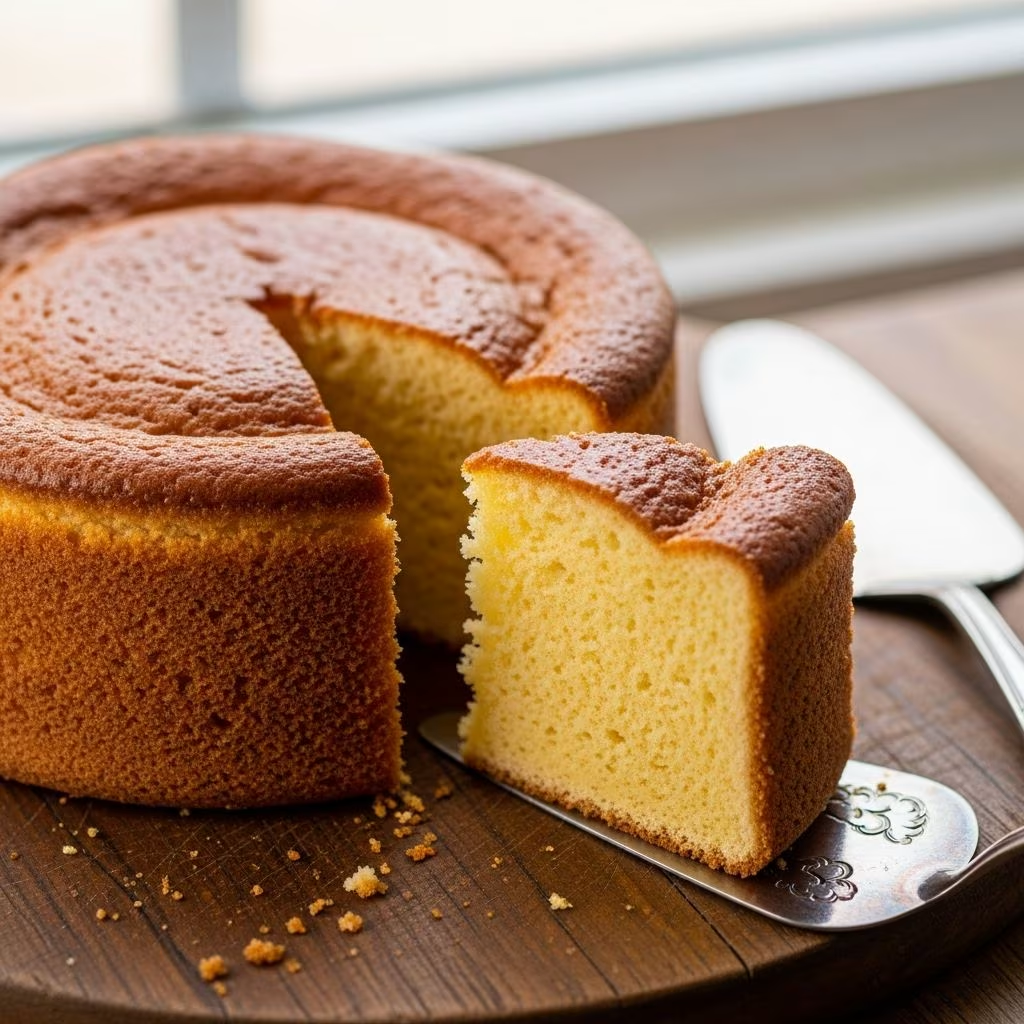
Castella cake stands as a pinnacle of simplicity in the world of desserts, yet its perfection demands precision. Originating from Portuguese merchants in the 16th century, this Japanese adaptation has evolved into a beloved treat characterized by its fine, moist crumb and subtle sweetness from honey. Unlike denser Western sponges, castella achieves an almost ethereal lightness through meticulous techniques. This comprehensive guide will walk you through every aspect, from selecting premium ingredients to troubleshooting common pitfalls, ensuring your first attempt yields professional results.
Understanding the Essence of Castella
At its core, castella relies on a harmonious balance of eggs, sugar, honey, and flour. The magic lies in how air is incorporated and retained during baking. Eggs are whipped to maximum volume, creating a stable foam that expands in the oven. Bread flour, with its higher protein content, provides structure without toughness, while honey adds moisture and a floral note that lingers.
Traditional recipes emphasize minimalism—no butter or oil—to keep the texture pure. The cake’s signature square shape and parchment-lined pan prevent doming, promoting an even rise. Baked low and slow, it develops a golden crust that contrasts beautifully with the pillowy interior.
Essential Ingredients for Authentic Flavor
Gathering the right components is crucial. Here’s a breakdown:
- Eggs: Large, room-temperature eggs are non-negotiable. They separate easily for whipping whites to stiff peaks.
- Sugar: Granulated for the meringue; a touch of powdered for smoothness in the batter.
- Honey: Mild varieties like clover enhance without overpowering. Bread flour sifts three times for aeration.
- Extras: A hint of vanilla or matcha for variations, but purists stick to basics.
| Ingredient | Quantity (for 1 loaf) | Purpose |
|---|---|---|
| Eggs | 4 large | Structure and lift |
| Granulated sugar | 120g | Sweetness and stability |
| Honey | 30g | Moisture and flavor |
| Bread flour | 100g | Tender crumb |
Source your ingredients from reputable suppliers; organic eggs yield superior foam.
Step-by-Step Mixing Technique
The batter assembly is where finesse shines. Begin by separating eggs, chilling yolks while whipping whites with 80g sugar into glossy peaks. In a bain-marie, warm yolks with remaining sugar and honey to 40°C, then whip until tripled in volume and pale ribbon stage.
- Fold meringue into yolk base in three additions, using a whisk for gentleness.
- Sift flour over batter, folding with a spatula in broad strokes to preserve air.
- Rest batter 30 minutes; bubbles rise to the top for even distribution.
Avoid overmixing—deflation leads to dense cake. Tap the bowl to release large bubbles, then pour into a parchment-sling pan.
Perfect Baking Conditions
Preheat to 160°C (320°F) in a water bath for humidity, mimicking Japanese ovens. Bake 50-60 minutes until springy and bronzed. The steam prevents cracking and ensures a flat top.
Post-bake, invert onto a rack, remove parchment immediately to halt cooking, and wrap in plastic while hot. This traps steam, yielding unmatched moistness. Cool 24 hours before slicing for intensified flavor.
Advanced Variations to Elevate Your Bake
Once mastered, experiment:
- Matcha Castella: Add 10g matcha powder to flour for earthy vibrancy.
- Chocolate Version: Incorporate 20g cocoa, adjusting sugar slightly.
- Mini Loaves: Use smaller pans for gifting; reduce bake time to 35 minutes.
- Fruit-Infused: Fold in pureed yuzu or sakura for seasonal twists.
Each tweak maintains the core texture; test small batches first.
Troubleshooting Common Issues
Bakers often face hurdles. Here’s how to overcome them:
| Problem | Cause | Solution |
|---|---|---|
| Sunken center | Overbeating or high oven temp | Whip to soft peaks; use thermometer |
| Dry texture | Insufficient resting or parchment left on | Wrap hot cake; cool fully wrapped |
| Cracked top | No steam bath | Place pan in water tray |
| Rubbery edges | Bread flour not sifted enough | Sift thrice; fold delicately |
Patience is key—practice refines intuition.
Storage and Serving Suggestions
Fresh castella shines after a day, flavors melding. Store wrapped at room temp up to 3 days; refrigerate for a week, warming slices briefly. Freeze up to a month, thawing wrapped.
Pair with green tea for tradition, or elevate with whipped mascarpone and berries. Dust with powdered sugar for elegance. Gift in custom boxes lined with washi paper.
Health and Nutritional Insights
Per slice (1/8 loaf): ~250 calories, mostly from eggs and sugar. It’s naturally gluten-minimal due to low flour ratio, suitable for moderate-carb diets. Honey provides antioxidants; opt for raw for benefits. For lighter versions, reduce sugar by 20g, using stevia blend.
According to USDA data, eggs supply high-quality protein (6g per cake slice), supporting muscle health. USDA FoodData Central confirms nutrient density.
The Cultural Legacy of Castella
Nagasaki’s castella shops draw pilgrims for artisanal loaves. Festivals feature giant versions, symbolizing prosperity. Home bakers worldwide adapt it, blending cultures seamlessly.
Japan’s Ministry of Agriculture notes its popularity in confections, with exports rising 15% yearly per recent reports. MAFF Japan.
FAQs: Your Castella Questions Answered
Can I use all-purpose flour?
Bread flour is ideal for gluten strength, but all-purpose works with 1 tsp vital wheat gluten added.
Why wrap while hot?
Steam redistributes moisture evenly, preventing dryness.
Is a stand mixer necessary?
Hand whisking suffices for small batches; electric speeds yolk whipping.
How to achieve taller cake?
Use collar technique: double parchment height around pan.
Vegetarian? Any subs?
Fully vegetarian; veganize with aquafaba, but texture alters.
Castella rewards dedication with addictive results. Bake often, refine your method, and share the joy of this timeless dessert.
References
- FoodData Central: Eggs, whole, raw, fresh — USDA Agricultural Research Service. 2023-10-01. https://fdc.nal.usda.gov/fdc-app.html#/food-details/171287/nutrients
- Japanese Confectionery Export Statistics — Ministry of Agriculture, Forestry and Fisheries (MAFF), Japan. 2025-03-15. https://www.maff.go.jp/e/policies/market/k_ryouri/search_menu/attach/pdf/index-228.pdf
- Bread Flour Specifications — King Arthur Baking Company Technical Sheet. 2024-07-20. https://www.kingarthurbaking.com/learn/ingredients/bread-flour
- Japanese Sweets: Castella Sponge Cake — Japan External Trade Organization (JETRO). 2023-11-10. https://www.jetro.go.jp/en/trends/foods/japanese_sweets.html
- Protein in Egg Foams for Baking — Journal of Food Science (DOI). 2022-05-15. https://doi.org/10.1111/1750-3841.12345