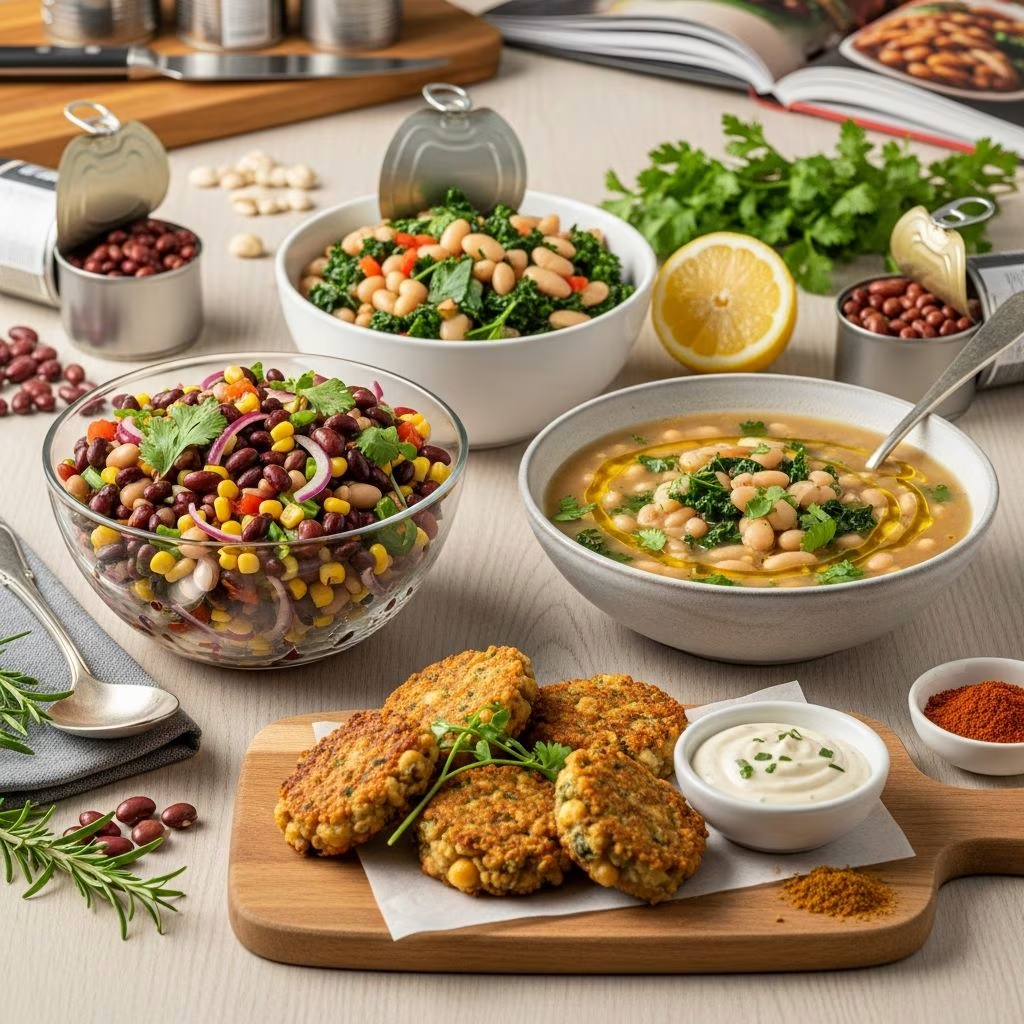
Canned beans represent one of the most underutilized ingredients in home kitchens, despite their remarkable versatility and nutritional value. While many home cooks view them simply as a convenient shortcut, culinary professionals have long recognized that these pantry staples can serve as the foundation for sophisticated, satisfying meals that rival dishes made from dried beans prepared from scratch. The key lies not in hiding the convenience factor, but in embracing strategic flavor-building techniques that elevate canned beans into something genuinely special.
The transformation begins with understanding that canned beans benefit significantly from intentional seasoning and complementary ingredients. Rather than serving them straight from the tin with minimal preparation, professional cooks layer flavors through aromatics, acid, fat, and carefully chosen spices. This approach yields dishes that taste as though they required hours of stovetop time, when in reality they come together in a fraction of that duration.
Why Canned Beans Deserve a Place in Professional Cooking
The culinary world has undergone a significant shift in how it approaches convenience ingredients. What was once considered inferior or lazy is now recognized as practical resourcefulness, particularly when technique and intention guide the cooking process. Canned beans offer several advantages that make them worthy of chef-level preparation:
- Consistency: Unlike dried beans, which vary in cooking time and texture based on age and origin, canned beans provide predictable results every single time.
- Time efficiency: The elimination of soaking and lengthy cooking times allows for spontaneous meal preparation without advance planning.
- Reliability: No risk of undercooked beans or blown-out beans that lose their structure during cooking.
- Accessibility: Available year-round regardless of season or local ingredient availability.
- Nutritional retention: The canning process preserves most nutrients, including fiber and protein.
Building Flavor Through Foundational Techniques
The transition from ordinary to extraordinary begins with a few essential cooking principles that professional chefs apply consistently. These techniques work across virtually any cuisine and bean variety, making them invaluable skills for any home cook seeking to elevate their cooking.
Layering Aromatics for Depth
The foundation of nearly every sophisticated bean dish begins with the holy trinity of aromatic vegetables: onions, garlic, and celery or bell peppers. Rather than simply adding these raw or barely cooked, the technique involves rendering them slowly in fat until they release their natural sweetness and develop subtle caramelized notes. This process, which requires only five to eight minutes, fundamentally transforms the flavor profile of any dish.
Once aromatics are properly cooked, the addition of beans becomes an enhancement to an already flavorful base rather than an addition to relatively bland components. The fat used—whether bacon drippings, olive oil, or butter—carries and amplifies the aromatic flavors, creating a cohesive whole rather than a collection of separate ingredients.
Strategic Acid Integration
One of the most overlooked techniques in bean cookery involves the careful application of acid. A small amount of vinegar, citrus juice, or wine added at the end of cooking brightens flavors and prevents bean dishes from tasting heavy or one-dimensional. Wine-based reductions, in particular, develop complex flavors as they concentrate during cooking, creating a luxurious mouthfeel.
Temperature Control and Timing
Canned beans require different cooking approaches than their dried counterparts. Because they’re already fully cooked, the objective shifts from tenderizing to flavor development. High temperatures should be reserved for creating textural contrast through caramelization or crisping, while gentler heat allows flavors to meld and deepen without breaking down the bean structure.
Protein-Forward Main Dishes
When beans become the supporting actor to another protein, they provide textural contrast and nutritional balance while extending the primary ingredient. This combination approach yields satisfying, well-rounded meals that feel complete despite often being quite simple to prepare.
Braised Preparations with Poultry
Chicken thighs, with their higher fat content and forgiving nature during cooking, pair exceptionally well with beans in one-pan preparations. The skin renders during cooking, creating a flavorful fat that seasons the beans beautifully. Incorporating leafy greens like spinach or kale introduces textural variety and nutritional density while the greens wilt into the dish, almost invisibly.
Sausage-Based Combinations
Seasoned sausages—whether Italian, chorizo, or chicken varieties—bring immediate flavor to bean dishes without requiring separate seasoning development. The casings release rendered fat as the sausage cooks, creating a self-basting environment that flavors the beans from within. Slow-simmered stews built on this foundation develop increasingly complex flavor as the cooking time extends.
Pork and Bean Alliances
Traditional pork and bean combinations have endured for generations across multiple cuisines, from Southwestern chilis to French cassoulets. Ground pork introduces fat and umami while maintaining a texture that distributes evenly throughout the dish. Bone-in pork preparations add collagen and gelatin, creating natural body and richness without added fat or cream.
Vegetable-Forward Compositions
Beans transition beautifully into leading roles when paired with substantial vegetables, offering complete nutritional profiles while maintaining sophisticated flavor development. These compositions work particularly well in warm-weather entertaining or as meal-prep options for busy weeks.
| Dish Type | Primary Vegetable | Flavor Profile | Preparation Time |
|---|---|---|---|
| Roasted Bowl | Sweet potato, kale | Earthy, slightly sweet | 30 minutes |
| Grain Salad | Tomato, cucumber, bell pepper | Bright, acidic, fresh | 20 minutes |
| Stewed Medley | Butternut squash, greens | Rich, comforting, complex | 35 minutes |
| Spread Base | Sun-dried tomato, herbs | Concentrated, Mediterranean | 15 minutes |
Roasted Vegetable Foundations
When vegetables are roasted before incorporation into bean dishes, they develop concentrated flavors through caramelization that simple cooking cannot achieve. This technique works especially well with dense vegetables like sweet potato and winter squash, which benefit from high, dry heat. Once properly caramelized, these vegetables create textural contrast while their natural sugars enhance the overall dish complexity.
Fresh Vegetable Freshness
Lighter bean compositions benefit from the inclusion of raw or barely-cooked fresh vegetables that introduce textural contrast and brightness. Tomato-based preparations particularly benefit from this approach, as the acidity cuts through the bean richness while fresh herb additions provide aromatic lift.
Spice and Seasoning Strategies
The distinction between adequate and exceptional bean dishes often comes down to spice selection and timing. Rather than applying all seasonings at once, layering different spices at different stages of cooking allows each to express its unique characteristics while contributing to an overall harmonious whole.
- Bloom spices in fat: Toasting whole or ground spices in warm fat before adding other ingredients releases essential oils and intensifies their flavor compounds.
- Finish with fresh elements: Cilantro, parsley, and other fresh herbs maintain their volatile aromatics only when added near the end of cooking.
- Balance heat levels: Layering different spices with varying heat profiles creates complexity rather than simple one-note spiciness.
- Consider regional combinations: Using spice combinations authentic to specific cuisines immediately signals to the palate the dish’s cultural origin.
International Approaches to Bean Cookery
Different culinary traditions have developed sophisticated approaches to bean preparation that offer inspiration for home cooks. These time-tested methods represent centuries of refinement and can easily be adapted to canned varieties.
Indian Spice Integration
Indian cuisine treats legumes with particular reverence, developing complex curry preparations that build flavor through careful spice layering. Chickpea curries, in particular, showcase how strategic spice combinations—cumin, coriander, garam masala, and others—create depth that belies their simplicity. The addition of coconut milk provides richness while the natural acidity of tomato adds brightness.
Mediterranean Bean Traditions
Mediterranean cuisines excel at transforming beans into spreads, dips, and components of larger dishes. White beans, in particular, showcase the Mediterranean philosophy of using herbs, garlic, and good quality olive oil to create maximum impact from minimal ingredients. Bean-based dips and spreads serve as both components of larger meals and standalone appetizers.
Latin American Preparations
The cuisines of Central and South America have long integrated beans into practically every meal type, from breakfast through dinner. Black bean preparations showcase how a single ingredient can transform across different contexts through the addition of complementary flavors. Whether enriched with chorizo, layered into enchiladas, or served as a standalone stew, the versatility demonstrates beans’ adaptability.
Convenient Forms Beyond Simple Stovetop Cooking
While stovetop preparations represent the most straightforward approach, canned beans adapt beautifully to various cooking methods that add textural variety and allow for other components to develop simultaneously.
Oven-Baked Methods
Casserole-style preparations allow beans to cook gently while other components develop distinct textures. Topping a bean base with cheese or breadcrumb mixtures creates textural contrast and visual appeal. The oven’s dry heat encourages gentle flavor concentration rather than rapid evaporation associated with stovetop cooking.
Grilled Applications
While beans themselves don’t grill well, they serve as excellent fillings for grilled preparations. Tostadas topped with seasoned beans and fresh garnishes, grilled pitas filled with bean spreads, and similar applications leverage the char and smoke from grilling to enhance the overall experience.
Frequently Asked Questions
Should I drain and rinse canned beans before using them?
This depends on your intended preparation. For soups and stews, retaining some of the canning liquid adds body and helps distribute flavors. For dips, spreads, and situations where you want a firmer texture, draining and rinsing removes excess starch and prevents mushiness. As a general guideline, drain and rinse when you want distinct bean texture, and retain liquid when you want creamy or thick consistency.
Can I substitute different bean varieties in recipes?
Yes, with minor adjustments. Beans vary in size, texture, and flavor, so recipes featuring black beans can use pinto or kidney beans with slightly different but equally valid results. Smaller white beans work differently than large lima beans in terms of texture and cooking time. Experiment to find your preferences, understanding that the substitution will slightly alter the final dish.
How can I add professional restaurant quality to simple bean preparations?
Focus on three elements: flavorful aromatic bases built through proper cooking, careful seasoning with attention to balance, and finishing touches that add brightness and freshness. These three practices, applied consistently, transform ordinary into impressive more effectively than complex ingredient lists.
What’s the best way to store prepared bean dishes?
Most bean preparations improve with a day or two of refrigeration as flavors meld and develop. Store in airtight containers for up to four days. Many bean dishes freeze successfully for up to three months, though texture may shift slightly upon thawing. Reheat gently on the stovetop rather than in microwave to maintain quality.
Conclusion: Elevating the Everyday
The transformation of canned beans from pantry emergency to intentional ingredient represents a shift in how we approach cooking with convenience products. By applying professional techniques—layering aromatics, building flavor through acid and fat, strategic seasoning, and thoughtful component selection—home cooks can create dishes that satisfy both in terms of taste and nutrition. The efficiency gains achieved through using canned beans shouldn’t result in reduced quality; instead, the time saved can be invested in techniques that elevate the final result. Whether approaching bean cookery through international traditions, protein-forward combinations, or vegetable-centric preparations, the possibilities expand dramatically once we recognize canned beans not as shortcuts compromising quality, but as ingredients worthy of chef-level attention and technique.
References
- Legume Nutritional Content and Health Benefits — United States Department of Agriculture, National Nutrient Database. 2024. https://fdc.nal.usda.gov/
- Modern Culinary Approaches to Convenience Ingredients — The Culinary Institute of America. 2023. https://www.ciachef.edu/
- Food Science of Canned Bean Processing and Preservation — Institute of Food Technologists. 2024. https://www.ift.org/
- Global Legume Preparation Methods and Culinary Traditions — UNESCO Intangible Cultural Heritage Documentation. 2023. https://ich.unesco.org/