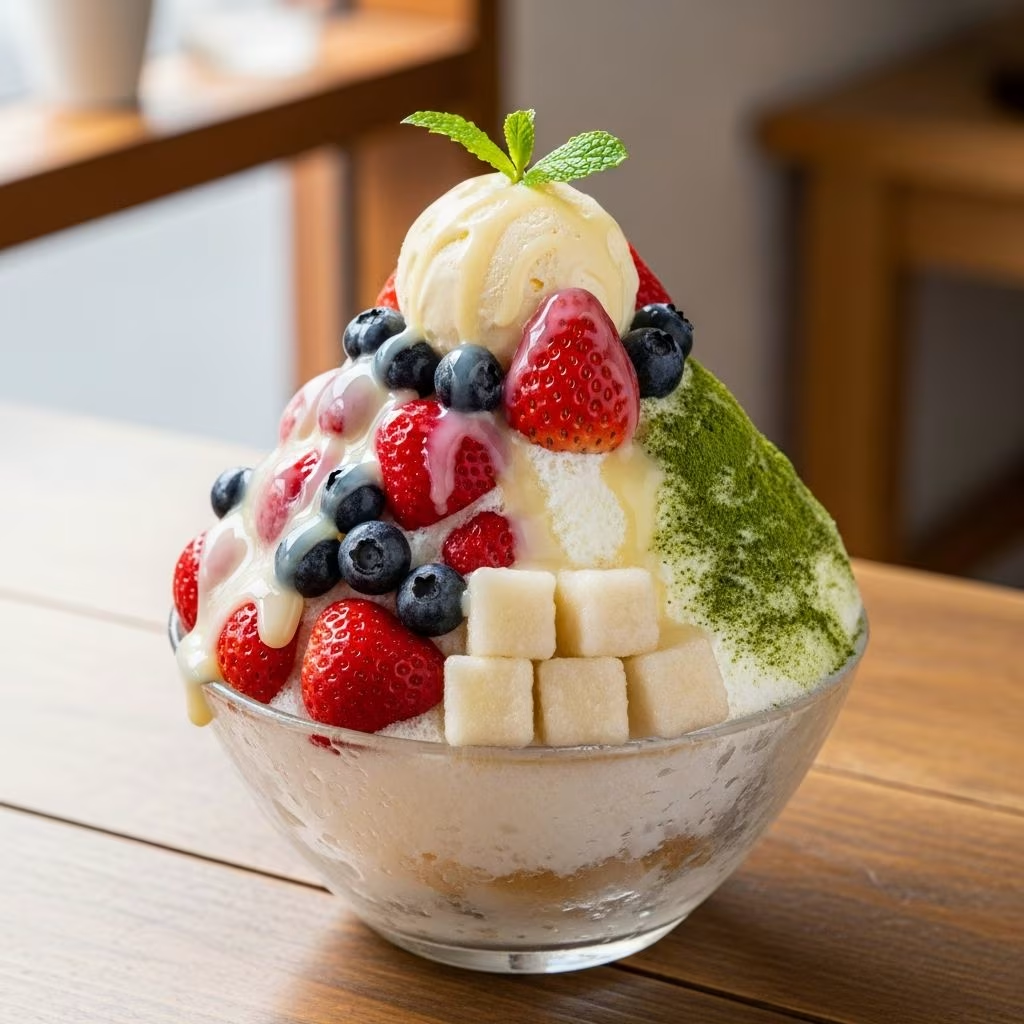
Bingsu represents one of Korea’s most beloved warm-weather desserts, offering a refreshing escape during hot summers. This delicate frozen treat combines finely shaved ice with a creamy milk base and an array of customizable toppings that transform simple ingredients into an elegant dessert. Creating bingsu at home has become increasingly accessible, allowing home cooks to replicate the textures and flavors found in Korean dessert shops. The key to successful homemade bingsu lies in understanding the fundamental components and mastering the techniques that produce that signature light, fluffy ice texture.
Understanding the Foundation: The Bingsu Base
The foundation of any exceptional bingsu begins with the base mixture that will eventually become the shaved ice. This base consists of three essential components that work together to create the ideal texture and flavor profile. The combination of milk, water, and sweetened condensed milk establishes both the taste and the structural integrity of your frozen creation.
Using exclusively milk would result in an overly heavy dessert with an intensely dairy-forward flavor that becomes cloying rather than refreshing. Water dilutes the milk content while maintaining the creamy essence, creating a more balanced composition that feels lighter on the palate. The sweetened condensed milk adds subtle sweetness and contributes to the overall creamy mouthfeel without requiring additional refined sugar in the base mixture.
The proportions matter significantly for achieving the perfect consistency. A standard formula combines two cups of milk with two cups of cold water and two tablespoons of sweetened condensed milk. This ratio creates a base that freezes properly while remaining workable during the shaving process. Some variations incorporate corn syrup instead of condensed milk, which stabilizes the frozen milk and produces an even fluffier texture. The corn syrup ratio typically follows a 1:10 proportion, meaning one part syrup to ten parts milk.
Preparation involves thoroughly mixing all components until the condensed milk dissolves completely into the milk and water. Using a measuring cup with a spout facilitates pouring the mixture into molds or containers, ensuring even distribution and easier handling during the freezing stage.
Three Distinct Methods for Creating Shaved Ice at Home
Creating bingsu at home does not require specialized equipment, though different approaches offer varying levels of convenience and texture quality. Understanding each method empowers you to choose the option that best suits your available tools and desired outcome.
The Shaved Ice Machine Method
For those seeking the most polished results, a dedicated shaved ice machine delivers superior performance. This method produces ice that achieves the characteristic fluffy, feathery consistency that defines premium bingsu. The process begins by pouring your prepared milk base into the puck container designed for your specific machine, then freezing until completely solid, typically requiring four to six hours.
Depending on your machine’s capacity, you may need to repeat the freezing process multiple times if you prepare a larger batch. Once the frozen puck achieves the desired hardness, simply insert it into your machine and engage the shaving mechanism. The machine’s specialized blades create uniformly fine ice that maintains its delicate structure without compacting.
The Blender and Food Processor Approach
For those without access to a shaved ice machine, the blender or food processor method offers an excellent alternative that requires minimal additional investment. Begin by dividing your milk base into ice cube trays, then freeze until completely solid, approximately three to four hours. Depending on the quantity you’ve prepared, you may need to repeat this freezing process multiple times.
Once your ice cubes achieve complete hardness, transfer them into a blender or food processor. Pulse the mixture rather than blending continuously, which prevents the ice from becoming too compact or melting prematurely. Continue pulsing for approximately twenty seconds until the cubes transform into fine flakes resembling snow. This method produces satisfactory texture, though the resulting ice may be slightly denser than machine-shaved varieties.
The Freezer Bag Technique
The most accessible method requires only a freezer bag and basic kitchen tools like a grater or fork. Pour your prepared milk base into a gallon-sized resealable freezer bag or several smaller bags, then flatten the mixture as much as possible before sealing. Position the bags horizontally in your freezer to ensure even freezing and create a flat block rather than an irregular shape.
After five hours, remove the frozen block and carefully extract it from the bag. Wrap the frozen milk block in a clean plastic bag or kitchen towel to protect your hands from extreme cold. Using a standard box grater, begin grating the frozen milk block as you would grate cheese. The grating action creates fine ice shards with a texture surprisingly similar to machine-shaved results. A food processor with a grating blade attachment can also perform this task effectively if you prefer an alternative to manual grating.
Advanced Preparation Strategies for Optimal Results
Beyond the basic methodology, several preparation techniques significantly enhance your final product’s quality and your overall experience during assembly.
- Pre-chilled Serving Vessels: Always chill your serving bowl before adding shaved ice, as the rapid temperature difference between warm bowls and frozen ice accelerates melting. Even brief time in the freezer substantially improves preservation of texture during consumption.
- Strategic Topping Preparation: Assemble and prepare all desired toppings before beginning the shaving process. Bingsu ice melts remarkably quickly, especially during warm weather, so having toppings immediately available prevents excessive ice degradation during assembly.
- Protective Handling Methods: When grating frozen milk blocks, wrapping your hands in a kitchen towel or placing the block in a plastic bag reduces direct contact with extreme cold, making the process more comfortable and safer.
- Container Selection: Avoid glass containers for freezing your milk base, as milk expands during freezing and can crack glass vessels. Plastic containers provide necessary flexibility and safety.
Topping Combinations and Customization Options
The versatility of bingsu lies significantly in topping possibilities, which transform the fundamental frozen milk base into numerous distinct desserts. Traditional and contemporary options provide unlimited creative opportunities.
| Topping Category | Examples | Flavor Profile |
|---|---|---|
| Fresh Fruits | Strawberries, mango, melon, berries | Bright, refreshing, natural sweetness |
| Sweetened Preparations | Sweetened condensed milk, red beans, whipped cream | Rich, indulgent, deeply sweet |
| Textural Elements | Injeolmi (Korean rice cakes), nuts, granola | Crunchy contrast to soft ice |
| Frozen Additions | Ice cream, gelato, frozen fruit sorbets | Enhanced creaminess and complexity |
| Specialty Flavors | Matcha powder, chocolate, coffee | Sophisticated, elevated flavor notes |
Fresh fruit toppings provide immediate nutritional value and bright, natural sweetness without additional processing. Mango offers tropical richness, while strawberries contribute tartness that balances the milk base’s creaminess. Melon varieties provide delicate flavor that complements rather than overwhelms.
Sweetened red beans represent a traditional Korean bingsu component, adding both visual appeal and earthy sweetness. Korean rice cakes, known as injeolmi, introduce textural contrast through their chewy, slightly glutinous consistency. Sweetened whipped cream contributes luxurious decadence, while vanilla ice cream adds additional creaminess.
For contemporary variations, matcha powder transforms bingsu into an elegant green tea dessert with subtle bitterness that counters the base’s sweetness. Chocolate and coffee options appeal to those seeking more robust flavor profiles.
Troubleshooting Common Challenges
Several issues frequently emerge during the bingsu preparation process, though most resolve with straightforward solutions. Ice that becomes too dense or compacted typically results from extended blending or processing; brief pulsing prevents this degradation. If your frozen block resists removal from its container, running warm water over the exterior softens the outer layer sufficiently for extraction without excessive force.
Excessive melting during assembly indicates insufficient pre-chilling of your serving bowl or delayed topping preparation. Melting accelerates during warm weather, making rapid assembly essential. If you notice your milk base freezes unevenly, verify that your freezer maintains consistent temperature and that your container distributes the mixture evenly throughout.
Frequently Asked Questions
Can I make bingsu without a shaved ice machine?
Absolutely. The blender method and freezer bag technique both produce excellent results without specialized equipment. While machine-shaved ice achieves slightly superior texture, alternative methods create genuinely satisfying bingsu that rivals commercial versions.
How long does prepared bingsu keep in the freezer?
The milk base remains viable for several weeks when properly stored in an airtight container. However, shaved ice maintains optimal texture for approximately one to two days after shaving, as it gradually consolidates into denser formations.
Can I substitute ingredients in the base recipe?
The milk-to-water ratio can adjust based on personal preference, though maintaining significant water content prevents excessive heaviness. Coconut milk offers an intriguing alternative to dairy milk, though it produces distinctly different flavor characteristics.
What temperature should my freezer maintain?
Standard freezer temperatures of 0°F (-18°C) or below achieve complete freezing within the specified timeframes. Colder temperatures may slightly accelerate freezing, while warmer freezers may require extended time.
Is bingsu better served immediately after assembly?
Yes, immediate consumption preserves the optimal texture and prevents excessive melting. However, bingsu remains enjoyable for several minutes after assembly, particularly if your serving bowl and toppings were pre-chilled.
Seasonal Variations and Storage Considerations
Bingsu adapts beautifully to seasonal ingredient availability. Summer variations incorporate abundant fresh fruits at their peak ripeness, while autumn versions might feature chestnut and red bean preparations. Winter bingsu remains popular in Korea despite cooler temperatures, often consumed indoors as a year-round favorite.
Storage of prepared bingsu base differs from storage of shaved ice. The liquid base freezes reliably for extended periods, though separation may occur as the mixture freezes. This separation causes no concern; simply thaw and remix before freezing again if desired. Once shaved, ice consolidates gradually, eventually forming a dense block after several days.
Creating bingsu at home transforms a beloved Korean dessert from commercial specialty into accessible homemade treat. Whether utilizing advanced shaved ice machinery or basic kitchen equipment, the fundamental technique remains straightforward while offering remarkable scope for creativity through topping customization. The ethereal texture of properly prepared bingsu, combined with limitless flavor possibilities, justifies the modest effort required to master this elegant frozen dessert.
References
- Bingsu (Korean Shaved Ice) — Two Plaid Aprons. Accessed April 2026. https://twoplaidaprons.com/bingsu-korean-shaved-ice/
- How to Make Your Own Shaved Ice (Bingsu) with NO MACHINE — Kind of Cooking. https://www.youtube.com/watch?v=RMudtHk4_Kk
- Korean Milk Ice Sorbet: Injeolmi Bingsu — My Korean Kitchen. Accessed April 2026. https://mykoreankitchen.com/korean-milk-ice-sorbet/