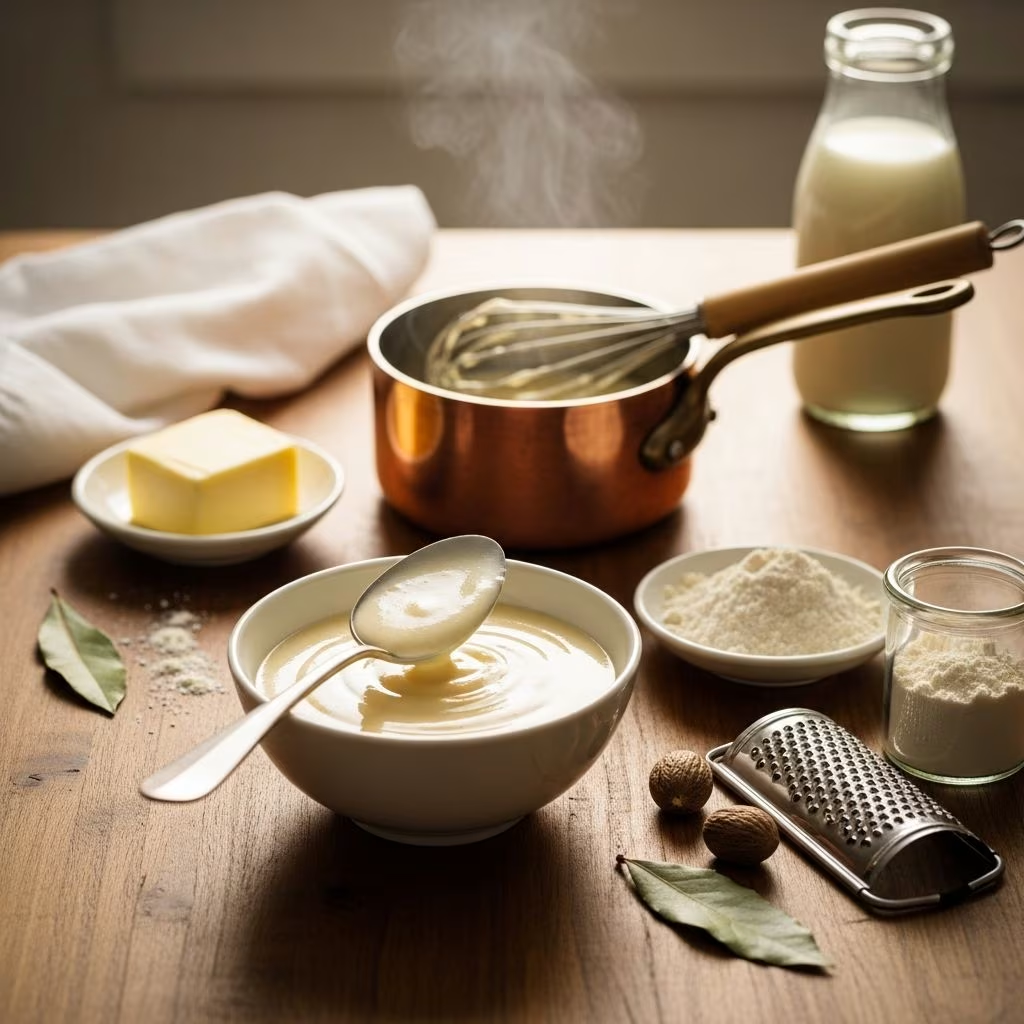
Béchamel sauce stands as one of the five French mother sauces and serves as a cornerstone ingredient in countless kitchens worldwide. This elegant white sauce, known as besciamella in Italian cuisine, transcends cultural boundaries and appears in everything from lasagna to mac and cheese. What makes this sauce particularly special is its simplicity—requiring just three fundamental ingredients—combined with its incredible versatility and the refined results it delivers when prepared correctly.
The beauty of mastering béchamel lies not just in understanding the recipe itself, but in grasping the underlying principles that transform basic pantry staples into a silky, luxurious sauce. Whether you’re a novice home cook seeking to expand your culinary repertoire or an experienced kitchen enthusiast looking to refine your technique, understanding béchamel opens doors to elevated dishes that impress family and guests alike.
Understanding the Three Essential Ingredients
The foundation of any exceptional béchamel begins with recognizing that only three ingredients are absolutely necessary to create this classic preparation. Each component plays a crucial role in developing the sauce’s characteristic texture and flavor profile.
Butter: The Flavor Foundation
Butter serves as more than just a cooking medium in béchamel preparation. It provides the rich, velvety base upon which the entire sauce is built. The amount of butter used directly influences the sauce’s richness and mouth-feel. Most recipes call for a ratio of approximately one part butter to one part flour by weight, though variations exist depending on desired consistency and personal preference.
Quality matters significantly when selecting butter. Unsalted varieties offer greater control over the final salt content, allowing you to adjust seasoning to complement your specific dish. Some recipes employ salted butter for convenience, though this requires careful attention to prevent over-salting your finished sauce.
Flour: The Thickening Agent
All-purpose flour functions as the thickening mechanism that transforms liquid milk into a luxurious, clinging sauce. When combined with melted butter before milk introduction, flour becomes part of what culinary professionals call a roux—the thickening paste that gives béchamel its characteristic body and texture. The flour must cook briefly with the butter to eliminate any raw flour taste, a process that typically requires only thirty seconds to two minutes of constant stirring.
Milk: The Creamy Base
Whole milk provides the liquid foundation and contributes essential creaminess to the finished sauce. Some preparations use half-and-half or even cream for richer variations, though whole milk represents the classic choice. The temperature of milk matters during preparation—warming milk before incorporation into the roux prevents temperature shock and facilitates smoother blending, though this step isn’t absolutely mandatory.
The Science Behind Perfect Roux Construction
Creating a proper roux represents the most critical step in béchamel preparation and determines whether your finished sauce achieves silky perfection or develops troublesome lumps. Understanding what happens when flour and fat combine at elevated temperatures transforms you from someone simply following instructions into a cook who truly comprehends the process.
When butter melts and flour is incorporated, the starch granules in the flour absorb the fat, creating a stable paste. This paste serves as a thickening agent by preventing starch granules in the milk from clumping together once they encounter the hot liquid. As heat continues, the roux cooks and changes color, with the timing affecting both appearance and flavor profile. A pale roux, cooked for just seconds to a minute, yields a neutral white sauce perfect for delicate dishes. This pale roux color indicates the flour has been sufficiently heated to eliminate raw flour taste without developing complex flavors.
Mastering the Fundamental Technique
While béchamel seems straightforward, certain technical considerations separate merely adequate sauce from truly exceptional preparation. Following these steps ensures consistent, professional-quality results.
Initial Preparation Steps
Begin by measuring your ingredients precisely, as the flour-to-fat ratio fundamentally affects your outcome. Standard proportions suggest 3 to 4 tablespoons each of butter and flour for every 2 to 3.5 cups of milk. Place a medium to large saucepan over medium-low heat and add butter, allowing it to melt completely without browning. The foam that develops as butter melts indicates proper heat—if the butter browns, start fresh with a new portion, as browned butter imparts unwanted flavors.
Once melted, sprinkle flour across the butter surface and immediately begin whisking vigorously. This constant motion prevents flour from settling into clumps and ensures even cooking throughout the roux. Continue whisking for approximately thirty seconds to two minutes until the raw flour smell dissipates and the mixture achieves a smooth, paste-like consistency.
Milk Integration Techniques
The manner in which you incorporate milk dramatically influences final texture. Remove the saucepan briefly from heat and add a small portion of milk—approximately one-quarter to one-third cup—whisking vigorously until completely smooth. This initial addition breaks up potential lumps in a controlled manner before larger volumes of milk enter. The mixture will appear somewhat broken and thick at this stage, but continued whisking creates a cohesive cream.
Once this initial portion is completely incorporated and smooth, gradually stream in remaining milk while maintaining constant whisking motion. Pour milk in a thin, steady stream rather than dumping it all at once. Your constant vigilance with the whisk prevents lumps from forming and ensures even heat distribution throughout the developing sauce.
Heat Management and Thickening
After milk is fully incorporated, return the pan to medium heat if it was removed. Continue whisking frequently to prevent sticking on the pan bottom and to encourage even thickening. As the sauce heats, it will gradually transition from thin and pourable to noticeably thicker, eventually reaching the consistency of heavy cream or thin gravy. This thickening process typically requires four to fifteen minutes depending on pan width, heat level, and ingredient quantities.
The professional standard for doneness involves the “nappe” test. When properly thickened, the sauce should coat the back of a spoon, and running your finger through the coating should leave a clean line that doesn’t run back together. Once this texture is achieved, reduce heat to low to prevent scorching and proceed to seasoning.
Seasoning and Flavor Development
Classic béchamel requires minimal seasoning, yet these additions transform the sauce from pleasant to sublime. Salt provides essential flavor enhancement—add approximately one-quarter teaspoon of fine sea salt or kosher salt, then taste and adjust as needed. Remember that salt concentration increases slightly as the sauce sits, so err toward slight under-seasoning initially.
Ground nutmeg represents the signature aromatic accent in traditional béchamel, contributing warmth and subtle complexity. A tiny pinch—approximately one-eighth teaspoon—suffices for most preparations, though personal preference guides the exact amount. Some preparations incorporate white pepper rather than black pepper to maintain the sauce’s pale appearance, though either variety works flavor-wise.
Advanced Variations and Creative Applications
Once you’ve mastered the basic technique, numerous directions present themselves for customization. Adding grated parmesan cheese creates a rich variation perfect for lasagna. Incorporating crushed red pepper flakes introduces subtle heat. Fresh Italian parsley or other herbs contribute garden-fresh notes. Some preparations infuse aromatics by steeping a halved onion with bay leaf and clove in the finished sauce for fifteen minutes before straining, creating a more complex flavor profile.
For applications requiring specific textures, adjust milk quantity—less milk yields a thicker sauce suitable for layering in lasagna, while additional milk creates a pourable consistency for coating pasta. Cheese additions should occur after basic sauce thickening, as cheese can cause separation if added too early.
Common Challenges and Solutions
| Challenge | Cause | Solution |
|---|---|---|
| Lumpy Texture | Insufficient whisking during milk addition or temperature shock | Strain through fine-mesh sieve or blend with immersion blender; start fresh using slower milk incorporation next time |
| Too Thin | Insufficient roux or excessive milk | Increase heat and simmer longer; whisk mixture of flour and cold milk and stir into sauce |
| Too Thick | Excessive roux or prolonged cooking | Whisk in additional warm milk gradually until desired consistency |
| Scorched Flavor | Excessive heat or inattention during cooking | Discard batch and start fresh; lower heat to prevent future scorching |
| Raw Flour Taste | Insufficient initial roux cooking | Continue cooking sauce longer; ensure roux cooks 1-2 minutes before milk addition |
Storage and Make-Ahead Strategies
Béchamel sauce maintains quality in the refrigerator for approximately three days when stored in an airtight container. The sauce will thicken further as it cools. When reheating, add milk gradually while whisking over low heat to restore original consistency. Freezing is possible and recommended for up to three months in freezer-safe containers or bags, though texture may change slightly upon thawing.
For make-ahead convenience, prepare the roux in advance and store it separately from milk, combining them when ready to create fresh sauce. Alternatively, prepare complete sauce and reheat gently before serving.
Frequently Asked Questions
Can I use margarine or oil instead of butter?
While technically possible, butter’s flavor and emulsifying properties make it the superior choice. Margarine may work but produces inferior results, and oils don’t emulsify as effectively with flour.
What’s the difference between béchamel and other French sauces?
Béchamel uses milk as its liquid base. Velouté uses light stock, while espagnole uses brown stock and tomatoes. These variations create distinctly different flavor profiles despite similar preparation methods.
Can I make béchamel dairy-free?
Yes, substitute whole milk with unsweetened oat milk, cashew cream, or other plant-based alternatives, though results may vary slightly in texture and flavor.
How do I prevent a skin from forming on stored béchamel?
Press plastic wrap directly onto the sauce surface before refrigerating, or dot the surface with small butter pieces.
Is béchamel the same as cream sauce?
While similar, béchamel specifically uses milk and follows classical French technique, while cream sauce may refer to various preparations using cream.
Inspiring Your Next Béchamel Adventure
From traditional lasagna preparations to modern mac and cheese, from simple pasta dishes to elaborate casseroles, béchamel sauce elevates everyday ingredients into something extraordinary. The technique transfers across cuisines and applications, making it an invaluable skill in any kitchen. By understanding the principles outlined here, practicing the fundamental method, and gradually exploring variations, you’ll develop confidence and intuition around this classic preparation. Your next culinary creation awaits, built upon the silky foundation only perfect béchamel can provide.
References
- Easy Bechamel Sauce — The Happier Homemaker. https://thehappierhomemaker.com/easy-bechamel-sauce/
- Easy Béchamel Sauce — Leite’s Culinaria. https://leitesculinaria.com/89309/recipes-easy-bechamel-sauce.html
- Béchamel Sauce for Lasagna (Besciamella) — A Little And A Lot. https://alittleandalot.com/bechamel/
- Best Béchamel Sauce Recipe — The Pioneer Woman. https://www.thepioneerwoman.com/food-cooking/recipes/a64612644/bechamel-sauce-recipe/
- Creamy Béchamel Sauce (For Lasagna, Pasta & More!) — The Clever Carrot. https://www.theclevercarrot.com/2023/09/creamy-bechamel-sauce-lasagna-pasta-more/
- Bechamel Sauce Recipe (Classic French!) — Chef Billy Parisi. https://www.billyparisi.com/bechamel-sauce-recipe/
- Recipe for Béchamel Sauce — My Italian Flavors. https://myitalianflavors.com/sauces/bechamel-sauce-recipe/