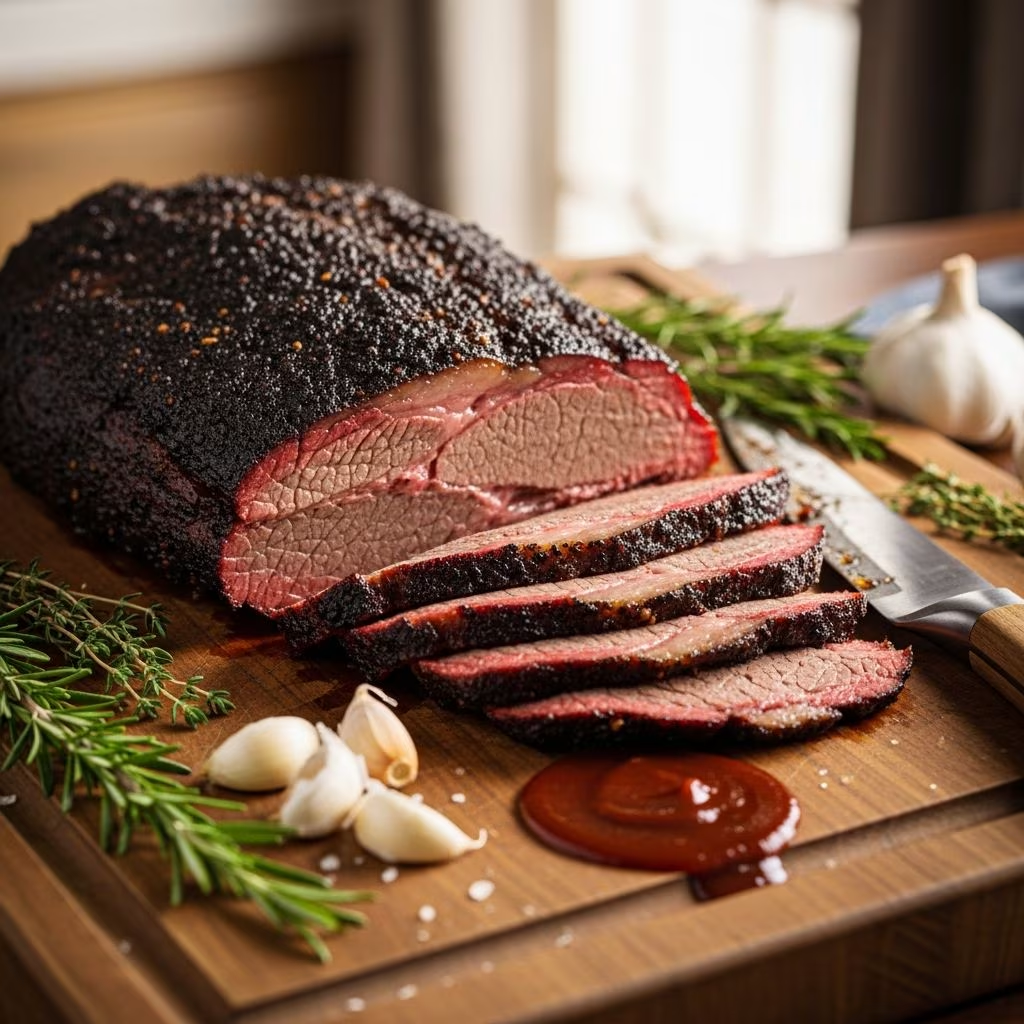
Creating exceptional barbecued beef brisket at home requires understanding the fundamentals of low-and-slow cooking combined with proper seasoning and sauce application. While traditional barbecue enthusiasts rely on outdoor smokers, the modern home cook can achieve equally impressive results using a standard kitchen oven. This method eliminates weather concerns and allows for precise temperature control, making it an ideal approach for those seeking consistent, tender results.
Understanding Brisket: The Foundation of Excellence
Beef brisket represents one of the tougher cuts of meat, characterized by significant connective tissue and fat distribution. These seemingly disadvantageous qualities actually become assets when subjected to proper cooking methods. The extended cooking time at low temperatures transforms the collagen into gelatin, creating the tender, succulent texture that defines exceptional barbecued brisket.
When selecting your brisket, prioritize cuts weighing between four and six pounds. Ensure the meat has adequate fat marbling throughout, as this fat will render during cooking and contribute to moisture retention and flavor development. The flat cut variety works particularly well for oven cooking, as it presents a consistent thickness that promotes even heat penetration.
Preparing Your Brisket: The Preliminary Steps
Successful oven barbecuing begins long before the meat enters the oven. Start by removing your brisket from refrigeration approximately one hour prior to cooking. This allows the meat to reach closer to room temperature, facilitating more uniform cooking throughout. While the brisket comes to temperature, trim excess surface fat, leaving approximately one-quarter inch of fat cap to protect the meat and maintain moisture.
Pat the brisket thoroughly dry using paper towels. This critical step removes surface moisture that would otherwise interfere with seasoning adhesion and browning. Some preparation methods involve lightly coating the meat with oil before applying dry rubs, which helps seasonings adhere more effectively to the surface.
Building Your Seasoning Profile
The dry rub establishes the foundational flavor profile for your barbecued brisket. Consider combining the following elements to create depth and complexity:
- Salt and black pepper as the base components
- Smoked paprika for subtle smokiness
- Garlic and onion powders for aromatic qualities
- Worcestershire sauce for umami depth
- Optional additions: cayenne pepper, mustard powder, or dried thyme
Apply the seasoning generously over all surfaces of the brisket, working it into the meat with your hands. Some cooks prefer preparing and seasoning their brisket the night before, allowing flavors to penetrate more deeply. Others wrap the seasoned brisket in plastic wrap and refrigerate for several hours to achieve similar results.
The Cooking Process: Low and Slow Excellence
Temperature Selection and Oven Setup
Oven temperature represents a critical variable in achieving optimal results. Most professional preparations utilize temperatures between 250 and 300 degrees Fahrenheit. Lower temperatures around 200-250°F produce exceptionally tender meat through extended cooking times, while temperatures approaching 300°F reduce total cooking duration while maintaining tenderness.
Position your oven rack in the middle or lower-middle section to ensure even heat circulation around the brisket. If your oven has hot spots, monitor the meat periodically and rotate the pan if browning appears uneven.
Wrapping and Initial Roasting
Place your prepared brisket in a heavy-duty roasting pan, positioning it fat-side up. Cover the pan tightly with aluminum foil to create a sealed environment that traps moisture and promotes steam circulation. This wrapping technique, sometimes called the “Texas crutch,” accelerates cooking while preventing excessive browning.
Insert the brisket into your preheated oven and plan for approximately one hour of cooking time per pound of meat. A five-pound brisket typically requires four to five hours at 250°F, while the same cut might need six to seven hours at lower temperatures. The cooking duration ultimately depends on your specific oven characteristics and desired doneness.
Monitoring Progress
Resist the temptation to frequently open the oven door, as this disrupts temperature stability and extends cooking time. Instead, use an oven-safe meat thermometer inserted into the thickest portion of the meat to assess progress. The brisket reaches initial tenderness at approximately 165°F internal temperature, though many cooks prefer pushing toward 190-205°F for maximum tenderness.
Sauce Application and Finishing Techniques
Barbecue Sauce Preparation
While many recipes call for store-bought barbecue sauce, crafting a custom sauce elevates the final product considerably. Homemade barbecue sauces typically combine ketchup or tomato base with brown sugar, vinegar, Worcestershire sauce, and spices. Some variations include bourbon, chipotle peppers, or smoked paprika for additional complexity.
During the final thirty minutes to one hour of cooking, remove the foil, drain accumulated fat from the pan, and brush barbecue sauce over the exposed meat. If desired, increase oven temperature to 350°F to allow the sauce to caramelize slightly. This final stage develops a glossy, flavorful crust on the brisket’s exterior.
The Resting Phase
Never skip the crucial resting period. Remove the brisket from the oven and allow it to rest for at least fifteen to twenty minutes before slicing. This resting allows muscle fibers to relax and reabsorb internal juices, ensuring maximum tenderness and moisture in every bite. Tent the meat loosely with foil to retain heat during this phase.
Slicing and Serving Your Creation
Proper slicing technique dramatically affects the eating experience. Using a sharp knife, slice the brisket against the grain in approximately one-quarter-inch-thick pieces. Cutting against the grain shortens muscle fibers, making each bite more tender and easier to chew.
Some cooks prefer chopping the brisket into smaller pieces rather than slicing, particularly if the meat has reached exceptional tenderness. This approach works excellently for sandwiches, tacos, or as part of composite dishes where brisket serves as a component rather than the featured protein.
Storage and Reheating Guidance
Leftover oven-barbecued brisket stores remarkably well when handled properly. Allow any remaining meat to cool to room temperature, then transfer to airtight containers or wrap tightly in plastic wrap. Refrigerate for three to four days maximum, though many cooks find the quality remains excellent through the third day.
For reheating, preheat your oven to 325°F. Place the brisket in a baking pan and add approximately one cup of beef broth to restore moisture. Cover tightly with aluminum foil and heat for approximately forty-five minutes until the internal temperature reaches 165°F. Allow the meat to rest for ten to fifteen minutes before serving.
Troubleshooting Common Challenges
| Challenge | Potential Cause | Solution |
|---|---|---|
| Tough, chewy brisket | Insufficient cooking time or too-high temperature | Extend cooking duration; lower oven temperature by 25°F |
| Dry brisket | Over-cooking or insufficient fat content | Reduce cooking time; select brisket with better marbling |
| Uneven browning | Hot spots in oven or improper rack placement | Rotate pan halfway through cooking; adjust rack position |
| Sauce burning or charring | Temperature too high during sauce application | Apply sauce in final 30 minutes only; reduce temperature to 325°F |
| Insufficient smoke flavor | Oven lacks smoking capability | Use smoked paprika in dry rub; add liquid smoke to sauce |
Frequently Asked Questions
What is the ideal internal temperature for oven-barbecued brisket?
Most food safety guidelines recommend 160°F as the minimum safe internal temperature for beef. However, barbecued brisket achieves optimal tenderness at 190-205°F, as the extended heat breaks down collagen more thoroughly. The higher temperature produces a distinctly different texture compared to typical steak preparations.
Can I prepare brisket overnight using low oven temperatures?
Yes, many cooks successfully employ overnight cooking at very low temperatures (200°F or below). This extended, ultra-low approach requires careful attention to oven thermostat accuracy and produces exceptionally tender results. Monitor progress periodically to prevent overcooking.
Should I remove the fat cap before or during cooking?
Keeping the fat cap intact during cooking protects the meat from drying out. If desired, trim excess fat after cooking to reduce overall fat consumption while maintaining the protective benefits during the cooking process.
What size brisket works best for first-time oven barbecuing?
A four to five-pound flat-cut brisket provides an excellent starting point. This size cooks predictably, finishes within a reasonable timeframe, and feeds four to six people adequately. Once comfortable with the technique, larger cuts become less intimidating.
Can I use a slow cooker instead of an oven?
Absolutely. Slow cookers excel at producing tender brisket through low-temperature, extended cooking. Use your slow cooker’s low setting and follow similar timing guidelines (approximately one hour per pound). You may sacrifice some browning and caramelization compared to oven methods, but tenderness remains exceptional.
Final Considerations and Expert Tips
Mastering oven-barbecued brisket rewards patience and attention to detail. Keep detailed notes during your first preparation, recording exact temperatures, cooking times, and results. This documentation becomes invaluable for refining your technique across subsequent attempts.
Invest in a quality meat thermometer for accuracy. Digital instant-read thermometers provide consistent temperature readings and reduce guesswork. Oven thermometers help identify temperature discrepancies between your oven’s display and actual cooking temperature, a surprisingly common issue in older ovens.
Experiment with seasoning variations and sauce recipes to discover your preferred flavor profile. Some cooks prefer sweeter sauces with prominent brown sugar and ketchup elements, while others favor tangier preparations featuring vinegar as the dominant acidic component. Personal preference should ultimately guide your recipe development.
References
- USDA Food Safety Guidelines: Safe Minimum Internal Temperatures — United States Department of Agriculture. 2024. https://www.fsis.usda.gov/food-safety/safe-food-handling-and-preparation/meat-poultry-seafood-eggs/internal-temperature-guide
- The Science of Meat Cooking: Collagen Breakdown and Tenderness — American Meat Science Association. 2023. https://www.meatscience.org/
- Proper Food Storage Guidelines — Food and Drug Administration. 2024. https://www.fda.gov/food/unsafe-foods-practices/what-you-need-know-about-food-storage