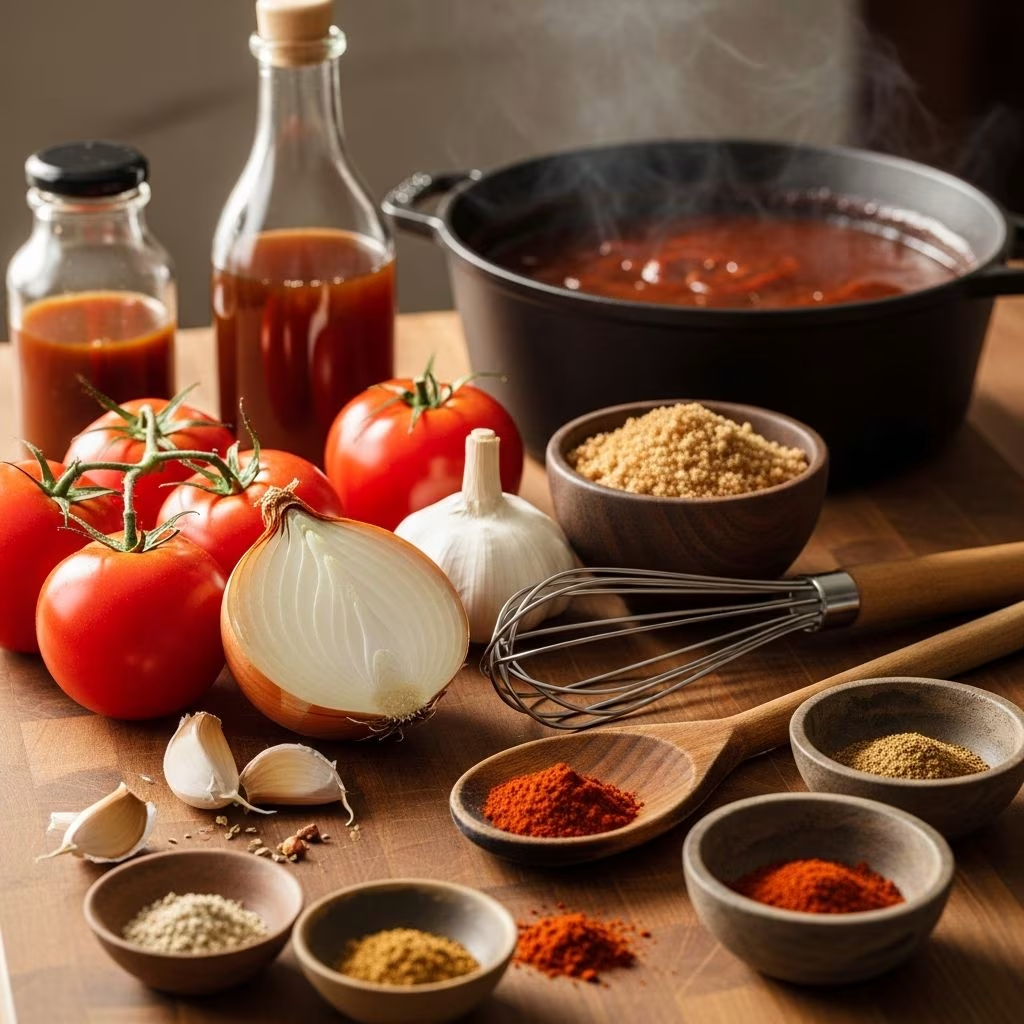
Barbecue sauce represents one of the most versatile condiments in culinary traditions worldwide. Whether you prefer a tangy vinegar-based composition, a thick molasses-forward blend, or something with considerable heat, understanding the fundamentals of sauce preparation allows you to customize flavors to match your preferences perfectly. The difference between commercial and homemade versions lies not just in taste but in the ability to control every component, eliminate unnecessary additives, and create something uniquely suited to your palate.
Understanding the Foundation: Essential Components
Every successful barbecue sauce relies on a framework of complementary elements that work together harmoniously. Rather than viewing ingredients as isolated additions, professional cooks and home enthusiasts alike recognize these components as building blocks that create complexity and depth.
The Sweet Element
Sweetness serves as the backbone of most barbecue sauce formulations. This doesn’t necessarily mean refined white sugar, though that certainly works. Brown sugar contributes deeper, more caramel-like notes that pair exceptionally well with smoky proteins. Honey introduces floral undertones alongside its natural sweetness. Molasses delivers rich, almost licorice-adjacent flavors that distinguish premium sauces from their mass-produced counterparts. Maple syrup adds another dimensional layer, particularly effective when working with certain regional styles. The choice depends entirely on your desired flavor profile and the proteins you’ll be coating.
Acidic Components
Acidity balances sweetness and acts as a flavor amplifier throughout the sauce. Vinegar varieties offer distinct characteristics: apple cider vinegar brings fruity undertones, white vinegar provides sharp clarification, and distilled vinegar creates a more neutral platform for other flavors. Tomato-based products—whether ketchup, tomato paste, or whole crushed tomatoes—contribute both acidity and umami depth. Fresh citrus juice adds brightness and complexity while maintaining that essential acid component. This element prevents your sauce from becoming cloying and ensures flavors remain vibrant and dynamic.
Umami and Depth
Savory, satisfying flavors come from ingredients containing natural glutamates and nucleotides. Tomato products already mentioned contain substantial umami compounds. Worcestershire sauce intensifies savory dimensions considerably. Soy sauce introduces fermented complexity. Mustard contributes not just tanginess but also savory undertones that sophisticated palates recognize immediately. These ingredients prevent the sauce from tasting one-dimensional and ensure it complements rather than overwhelms grilled meats.
Flavor Balancing: The Science Behind Taste Harmony
Creating exceptional barbecue sauce requires understanding how different tastes interact and influence perception. This isn’t arbitrary; there’s actual chemistry at work.
The Sweet-Sour Balance
Begin with a base ratio of roughly two parts sweet ingredient to one part acidic component. This provides a starting framework you can adjust according to personal preference. Some regional styles lean decidedly toward vinegar, creating almost aggressive acidity that cuts through rich meat fats effectively. Others embrace sweetness more generously, appealing to those who prefer milder profiles. The beauty of homemade preparation lies in tasting and adjusting until achieving your ideal equilibrium.
Spice Integration
Heat elements require careful consideration to avoid overpowering other flavors. Cayenne pepper, chili powder, hot sauce, and fresh peppers all deliver thermal kick but with different secondary flavor notes. Introduce these gradually, tasting between additions. What seems subtle in the raw sauce often intensifies considerably during cooking as flavors concentrate and meld. Many experienced cooks recommend erring slightly on the conservative side initially, knowing you can always intensify heat later.
Smoke and Complexity
Smoked paprika, liquid smoke, or actual smoky ingredients create depth suggesting time spent over live fire. These elements work best when balanced against sweeter components; too much smoke renders the sauce one-noted and potentially bitter. Consider them accent notes rather than primary flavors, unless you’re intentionally crafting a specifically smoke-forward style.
Ingredient Selection and Quality Considerations
While barbecue sauce tolerates modest quality variations in some ingredients better than others, thoughtful sourcing elevates your final product significantly.
Tomato Products Matter
Canned tomatoes vary considerably in quality and processing methods. San Marzano varieties, traditionally from volcanic soil regions, contain fewer seeds and more flesh, creating smoother sauces naturally. The difference between premium and budget tomato paste affects the overall mouthfeel of your sauce noticeably. Organic options often feature fewer added preservatives and more concentrated flavor profiles. If using ketchup as a base, high-quality versions without excessive high-fructose corn syrup taste noticeably superior.
Vinegar Selection
Premium vinegars, while sometimes carrying higher price tags, concentrate flavor more effectively. Aged versions develop complexity that young vinegars simply cannot match. Likewise, avoiding overly processed versions ensures you’re tasting actual vinegar rather than chemical reproductions of vinegar flavor.
Spices and Seasonings
Freshness dramatically impacts spice effectiveness. Whole spices stored properly retain potency far longer than pre-ground versions exposed to air and light. Consider purchasing spices in smaller quantities more frequently rather than stockpiling aged containers. Smoked paprika specifically degrades relatively quickly; buying from reputable sources that turn inventory regularly ensures fuller flavor expression.
Preparation Methods and Cooking Techniques
How you combine and cook these ingredients determines whether your sauce achieves silky smoothness or retains interesting texture.
Cold Blending Approach
Some recipes combine all components without heat, allowing flavors to meld overnight in the refrigerator. This method works beautifully for vinegar-forward styles and produces fresher-tasting results that highlight individual ingredient characteristics. However, this approach doesn’t allow for flavor concentration or elimination of harsh edges that cooking softens.
Simmering and Reduction
Gentle cooking over low to medium-low heat accomplishes several things simultaneously. It allows flavors to meld and develop complexity as ingredients interact chemically. Careful simmering reduces water content, concentrating flavors and achieving desired consistency. The extended cooking time mellows harsh spice edges while allowing subtle notes to emerge. Most professional-quality results come from this methodical approach.
Texture Considerations
Some prefer chunky, rustic sauces with visible spice particles and tomato pieces. Others demand smooth, almost velvety consistency that coats proteins evenly. Immersion blenders, food processors, or fine mesh strainers help achieve desired textures. The choice depends on personal preference and intended use—thick, textured sauces work beautifully for dipping, while smoother versions spread more easily across surfaces.
Regional Styles and Variations
Understanding different regional approaches provides inspiration for customization and reveals how subtle ingredient shifts create dramatically different end results.
Vinegar-Based Profiles
Particularly popular in Eastern regions, vinegar-forward sauces often contain minimal sweetener and rely on pepper heat for complexity. These thin, penetrating sauces cling differently than thick versions and work particularly well with certain protein types.
Molasses and Depth
Darker, heavier sauces incorporating molasses, brown sugar, and sometimes coffee create rich, almost dessert-like qualities balanced carefully against acidity. These work exceptionally well with darker proteins and contribute substantial body to the overall eating experience.
Mustard-Based Variations
Some regional traditions build their entire sauce framework around mustard, with other ingredients supporting rather than overpowering this dominant flavor. Yellow mustard creates bright, clear profiles, while brown or whole-grain versions add texture and more complex flavor dimensions.
Storage and Preservation
Proper storage extends your homemade sauce’s usable life considerably.
Refrigeration: In airtight containers, properly made barbecue sauce keeps for 2-3 weeks safely. The high sugar and acid content naturally inhibit most harmful bacterial growth, but this doesn’t justify indefinite storage.
Freezing: Most barbecue sauces freeze successfully for 3-4 months. Portion into smaller containers or ice cube trays to avoid waste and allow convenient thawing of needed quantities.
Canning: Those comfortable with home preservation can process barbecue sauce safely using hot water bath methods, extending shelf life to a year or longer. Proper technique prevents foodborne illness risks.
Troubleshooting Common Issues
Excessive Sweetness
If your sauce tastes cloying, add more acid gradually—vinegar, lemon juice, or additional tomato products. Cooking longer also concentrates other flavors, making sweetness relatively less prominent.
Insufficient Body or Thickness
Continued simmering naturally reduces water content and increases viscosity. Alternatively, blend in tomato paste, reduce added liquid, or incorporate a small amount of cornstarch slurry if you need thickness quickly.
Harsh or Unbalanced Flavors
This typically indicates too much spice or acid relative to sweet components. Balance by adding appropriate sweetener gradually while tasting continuously. Cooking longer also mellows harsh edges considerably.
Frequently Asked Questions
Can I make barbecue sauce without tomato products?
Absolutely. Vinegar-based sauces require only vinegar, sweetener, spices, and liquid. These create excellent, traditional results without any tomato involvement whatsoever.
How far ahead can I prepare sauce?
Most recipes benefit from 24 hours of flavor development in the refrigerator. You can prepare sauce weeks ahead and freeze for later use without quality degradation.
What consistency should the finished sauce achieve?
This varies by application and personal preference. Dipping sauces work best relatively thick, while sauces for basting benefit from thinner consistency that allows even distribution. Adjust through cooking time or ingredient ratios.
Are there healthier sauce options?
Reducing added sugars, using natural sweeteners like honey, and incorporating additional vegetable matter increases nutritional value. You maintain flavor complexity while moderating caloric intake and refined sugar consumption.
References
- USDA Complete Guide to Home Canning — United States Department of Agriculture. Last updated 2021. https://www.cdc.gov/botulism/consumer.html
- The Flavor Bible: The Essential Reference for More Than 700 Ingredients and 10,000 Flavor Combinations — Karen Page and Andrew Dornenburg. Little, Brown and Company. 2008.
- Food Safety Guidelines for Home Preservation — National Center for Home Food Preservation. University of Georgia. Last updated 2023. https://nchfp.uga.edu/
- Umami and Its Role in Modern Culinary Science — International Glutamate Technical Committee. 2022. https://www.glutamates.org/