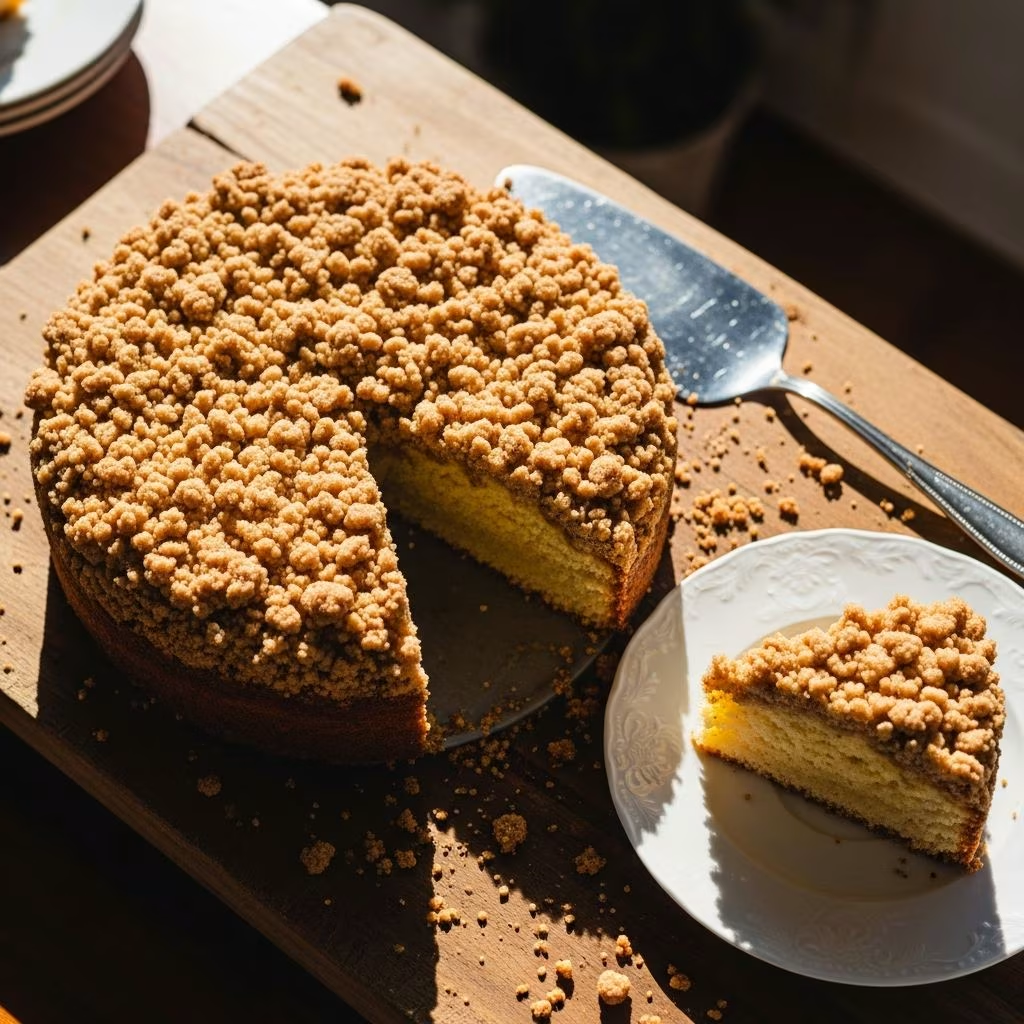
Crumb cake represents one of the most beloved and indulgent baked goods in the American dessert tradition. What distinguishes this particular style of cake is its remarkable textural contrast—a tender, moist cake base crowned with an abundant layer of cinnamon-seasoned crumb topping that creates a deeply satisfying eating experience. The appeal lies not merely in taste, but in the interplay of flavors and textures that make each bite memorable.
This comprehensive guide explores the essential techniques, ingredient selections, and preparation methods needed to create an exceptionally buttery crumb cake that rivals professional bakery offerings. Whether you’re preparing this dessert for a casual family gathering or a special occasion, understanding the foundational principles will ensure consistent, delicious results.
Understanding the Structure and Appeal
A truly exceptional crumb cake balances three critical components: the cake layer, the crumb topping, and the harmony between them. The foundation consists of a tender, moist cake that provides structural support while maintaining a soft crumb. This base is traditionally crafted with sour cream or buttermilk, which contributes acidity that tenderizes the cake and adds subtle complexity to the flavor profile.
The signature element—the crumb topping—should be generous and substantial. This component combines flour, brown sugar, butter, cinnamon, and vanilla to create clusters that are neither too fine nor too chunky. The butter-to-flour ratio determines whether your topping achieves the desired texture: too little butter results in a sandy, dry consistency, while too much produces a greasy, cake-like texture rather than distinct crumbs.
The proportional relationship between cake and topping is crucial. Many traditional recipes allocate nearly as much crumb mixture as cake, ensuring that the topping remains the star of the presentation. This commitment to generous crumb coverage distinguishes premium crumb cakes from more modest versions.
Essential Ingredients and Their Functions
For the Cake Base
The cake component relies on several key ingredients that work synergistically. All-purpose flour provides structure through its gluten network, while baking powder and baking soda create leavening. The baking soda reacts with the acidic sour cream to produce additional lift, while baking powder offers secondary leavening to ensure a tender crumb.
Softened butter should be beaten with granulated sugar until light and fluffy—this creaming process incorporates air that contributes to the cake’s rise and tender texture. Eggs add structure, moisture, and richness while also assisting with emulsification. Full-fat sour cream is essential; it provides moisture, tangy flavor notes, and acidity that reacts with leavening agents. Vanilla extract adds depth and complexity without competing with the cinnamon in the topping.
For the Crumb Topping
The topping requires a different ingredient approach. All-purpose flour creates the structure of the crumbs. Light brown sugar adds sweetness and moisture, creating a moist cluster rather than dry crumbs. The butter must remain cold or melted carefully to achieve the proper texture—cold butter cut into the dry ingredients creates distinct crumbs, while melted butter distributed evenly produces more uniform clusters.
Ground cinnamon is the signature spice, providing warmth and complexity. Salt enhances all flavors and prevents the topping from becoming cloying. Some variations include vanilla extract in the topping for additional depth.
Preparation Methodology and Technique
Mise en Place and Setup
Begin by assembling all ingredients and organizing your workspace. Position your oven rack to the center position and preheat to 350°F. Generously grease a 9×13-inch baking pan using butter or nonstick spray, ensuring complete coverage of corners and edges. Temperature precision is critical—an oven that runs hot or cool will dramatically affect baking time and cake structure.
Allow butter, eggs, and sour cream to reach room temperature before beginning. Room-temperature ingredients emulsify more effectively, creating a smoother batter and more uniform crumb structure. This step is non-negotiable for achieving professional results.
Creating the Crumb Topping
Prepare the crumb topping first, as this component benefits from resting time. In a medium bowl, combine flour, brown sugar, granulated sugar, cinnamon, and salt. Using a fork or pastry cutter, cut in the melted butter until the mixture resembles coarse breadcrumbs with some pea-sized clusters remaining. The mixture should hold together slightly when squeezed but break apart when released.
Set the prepared topping aside for several minutes. This resting period allows the brown sugar to distribute evenly and the flour to fully hydrate, creating better texture. Avoid over-mixing, which develops gluten and creates a denser, cake-like topping rather than distinct crumbs.
Crafting the Cake Batter
In a separate bowl, whisk together flour, baking powder, baking soda, and salt. Set aside. Using a hand or stand mixer on medium-high speed, beat the softened butter and granulated sugar for approximately 2-3 minutes until the mixture becomes light, fluffy, and pale in color. This creaming process is essential—the volume increase indicates proper incorporation of air.
Reduce mixer speed to low and add eggs one at a time, mixing just until each egg is incorporated before adding the next. Over-mixing at this stage develops excess gluten, which toughens the final cake. Scrape down the bowl and beater between additions to ensure uniform incorporation.
Add sour cream and vanilla extract, mixing just until combined. The mixture may appear slightly curdled—this is normal and will resolve once the flour is added. Keeping the mixer on low speed, add the flour mixture in three intervals, mixing only until visible streaks of flour disappear after each addition. Cease mixing immediately when the ingredients combine; continued mixing develops gluten and creates a dense, tough cake.
Baking Process and Temperature Management
Pour the prepared batter into the greased pan. Using an offset spatula or the back of a spoon, spread the batter evenly, ensuring uniform thickness across the entire surface. Uneven batter distribution results in some portions being underbaked while others become dry.
Evenly distribute the reserved crumb topping over the batter surface. Using gentle pressure from your fingertips, press the crumbs slightly into the batter—just enough to anchor them without compacting. This light pressure prevents crumbs from sliding off during baking while maintaining their distinct texture.
Bake for approximately 45-50 minutes, until a toothpick inserted into the cake layer (not the topping) emerges with moist crumbs or just slightly moist. The exact timing varies based on oven calibration and pan materials. Dark metal pans conduct heat more aggressively and may require slightly reduced baking time. Glass and light-colored pans may require additional time.
The cake is done when the topping achieves light golden-brown color and the edges begin pulling slightly away from the pan sides. Do not overbake, as this results in a dry, dense cake despite the sour cream’s moisture content.
Cooling and Serving Considerations
Allow the cake to cool in the baking pan on a wire rack for at least 45 minutes to 1 hour. This cooling period permits the crumb structure to set properly. Attempting to slice warm cake results in crumbling and structural collapse. If you prefer to serve the cake warm, wait until it reaches approximately room temperature but while residual warmth remains—this provides optimal texture and flavor development.
Once fully cooled, the cake can be sliced directly in the pan or transferred to a serving platter. Use a sharp, slightly damp knife for clean cuts through the crumb topping. Wiping the knife between cuts prevents crumb accumulation.
Storage and Make-Ahead Options
| Storage Method | Duration | Best Practices |
|---|---|---|
| Room Temperature | 2-3 days | Cover tightly with plastic wrap or store in an airtight container |
| Refrigerated | 5-7 days | Wrap individually or store in airtight container; flavor peaks at room temperature |
| Frozen | 2-3 months | Wrap whole cake or individual portions in plastic wrap then foil; thaw at room temperature |
The cake develops deeper flavor as it sits, making it an excellent make-ahead option. Prepare the cake one day prior to serving for optimal flavor development and texture. The crumb topping remains crisp for approximately 24 hours when stored properly; beyond this point, moisture gradually softens the topping without compromising quality.
Troubleshooting Common Issues
Dry or Dense Cake
Cause: Overbaking, overmixing, or insufficient sour cream content. Solution: Reduce baking time by 5 minutes, avoid mixing beyond ingredient incorporation, and verify sour cream is full-fat. Using room-temperature ingredients improves moisture distribution.
Crumb Topping Becomes Cake-Like
Cause: Over-mixing the topping or insufficient butter content. Solution: Mix only until crumbs form; refrain from further mixing. Verify butter measurement is accurate. For distinctly chunky crumbs, use cold butter cut into flour instead of melted butter.
Uneven Baking or Sunken Center
Cause: Uneven batter distribution, improper oven temperature, or opening the oven door during baking. Solution: Spread batter uniformly before adding topping. Use an oven thermometer to verify temperature accuracy. Avoid opening the oven door until the final 10 minutes of baking.
Crumbs Slide Off During Baking
Cause: Insufficient pressing or overly wet batter. Solution: Press topping gently but firmly into batter to anchor. Verify batter consistency—if too wet, reduce sour cream slightly or increase flour marginally.
Flavor Variations and Creative Additions
While the classic cinnamon-brown sugar combination is timeless, creative variations expand the possibilities. Consider adding nutmeg or cardamom to the crumb topping for warming spice complexity. A thin layer of cinnamon-sugar filling between cake and topping adds surprising depth and visual interest when sliced.
For chocolate enthusiasts, incorporate unsweetened cocoa powder into either the cake layer or topping for rich contrast. Alternatively, create a distinct filling layer by spreading a thin cinnamon-butter mixture over half the batter, topping with remaining batter, and swirling gently before adding crumbs.
Seasonal variations include adding pumpkin puree to the cake during autumn months or incorporating almond extract for subtle complexity. These modifications work best when tested in small batches to ensure desired results.
Baking Science Behind the Results
The exceptional moisture and tenderness of this cake results from multiple factors working synergistically. Sour cream contributes both moisture and acidity—the acid tenderizes the gluten network by breaking down protein chains, resulting in a more delicate crumb structure. Baking soda reacts with this acidity to produce carbon dioxide, creating lift and contributing to the tender texture.
The creaming method employed during butter and sugar combination is critical. This process incorporates thousands of tiny air bubbles throughout the fat, which expand during baking to create a light structure. Proper creaming results in a visibly lighter, fluffier mixture before any liquid ingredients are added.
The three-interval flour addition prevents gluten overdevelopment by distributing mixing into smaller portions. Each addition fully incorporates before the next begins, ensuring even hydration without excessive mechanical action that develops excessive gluten.
Frequently Asked Questions
Can I use Greek yogurt instead of sour cream?
Greek yogurt is significantly thicker and has lower moisture content than sour cream. While it can substitute, the cake may become denser. If substituting, reduce other liquid or increase flour proportion slightly. Regular yogurt is a better substitute than Greek yogurt due to its thinner consistency.
What if my oven runs hot or cold?
Invest in an oven thermometer to verify actual oven temperature versus the dial setting. Most ovens vary by 25-50 degrees. If your oven runs hot, reduce temperature by 25 degrees and bake longer. If cold, increase temperature slightly. Monitor the cake closely regardless of time indicators.
Can I make this cake in a 9×9-inch pan instead of 9×13?
Yes, but increase baking time to 50-60 minutes due to increased depth. The cake will be thicker and require longer for the center to bake through. The crumb-to-cake ratio will increase, intensifying the topping’s prominence.
Why is my crumb topping greasy?
This indicates excess butter or insufficient flour. Verify measurements carefully. If using melted butter, ensure even distribution. Cold butter cut into flour typically produces superior texture. Additionally, reduce butter by 1-2 tablespoons if you consistently experience greasiness.
How far in advance can I prepare this cake?
Prepare the complete cake up to 24 hours prior to serving. The flavor actually improves with time as the cake absorbs moisture and flavors meld. For longer storage, freeze the complete, cooled cake for up to 3 months. Thaw at room temperature for several hours before serving.
Conclusion
Mastering the art of creating an exceptionally buttery crumb cake requires understanding ingredient interactions, precise technique, and proper timing. The reward for this attention to detail is a dessert that showcases the remarkable contrast between tender cake, moist crumb, and cinnamon-spiced indulgence. Whether served with morning coffee or as a weekend treat, this cake becomes a reliable favorite that justifies its prominent place in any baker’s repertoire. With the techniques and insights provided here, you possess the knowledge to consistently produce bakery-quality results in your own kitchen.
References
- Buttery Crumb Cake New York Style Recipe — Small Town Woman. Accessed April 2026. https://www.smalltownwoman.com/crumb-cake/
- Butter Crumb Coffee Cake — Life Love Liz. Accessed April 2026. https://www.lifeloveliz.com/butter-crumb-coffee-cake/
- Double the Crumb Cake — Cookies and Cups. Accessed April 2026. https://cookiesandcups.com/double-crumb-cake/
- New York Crumb Cake Recipe — Smells Like Home. Accessed April 2026. https://www.smells-like-home.com/2011/04/new-york-style-crumb-cake/