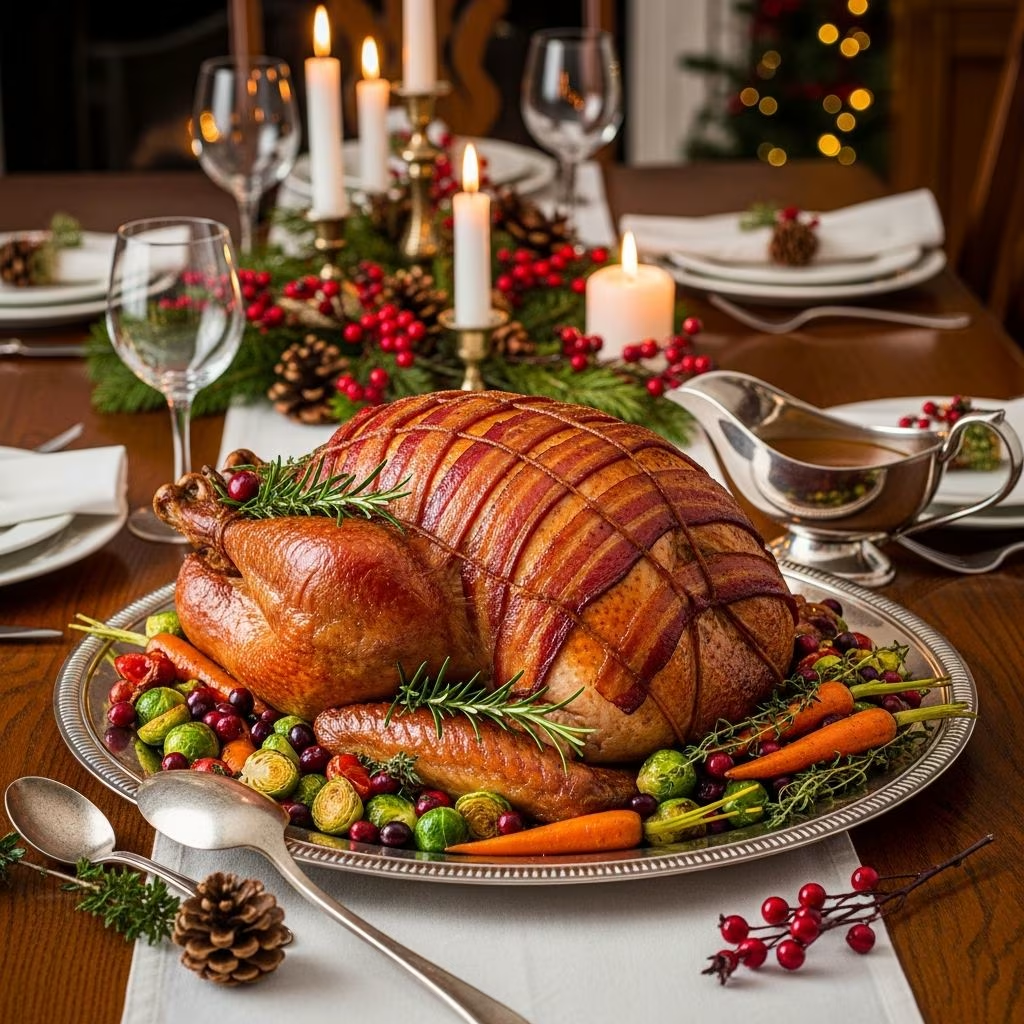
When planning a holiday feast, few dishes command attention like a beautifully prepared turkey. The addition of bacon transforms this classic bird into something extraordinary—adding moisture, flavor, and visual appeal that will impress your guests. This comprehensive guide walks you through the entire process of creating a bacon-wrapped turkey that rivals professional restaurant preparations.
Understanding the Bacon-Wrapped Turkey Approach
The concept of wrapping turkey in bacon serves multiple culinary purposes. Beyond the obvious flavor enhancement, the bacon acts as a natural basting mechanism during the cooking process. As the bacon renders, its fat and juices gradually seep into the turkey meat, keeping it moist and preventing the common problem of dry poultry. This technique is particularly valuable since turkey breast meat tends to cook faster than darker meat, and the bacon layer helps regulate and protect the breast during roasting.
The smoky, savory character of bacon pairs exceptionally well with traditional turkey seasonings like sage, thyme, and rosemary. This combination creates a depth of flavor that elevates an ordinary roasted turkey into a memorable centerpiece dish. The bacon also develops a crispy exterior during cooking, providing textural contrast to the tender meat beneath.
Preparation: Setting the Foundation for Success
The Brining Process
Before you begin wrapping and seasoning, consider brining your turkey—a step that significantly improves moisture retention and flavor development. Brining involves submerging the turkey in a saltwater solution that allows the meat to absorb additional moisture and seasonings at the cellular level.
If you decide to brine, plan ahead accordingly. Start this process at least 18 hours before roasting, or up to two days in advance if your turkey is still frozen. The extended timeline allows the brine solution to fully penetrate the meat. After brining, remove the turkey from the solution and pat it completely dry with paper towels—moisture on the surface prevents proper browning and bacon crisping.
Equipment and Oven Preparation
Success begins with proper equipment setup. You’ll need a roasting pan with a raised rack, which allows hot air to circulate beneath the turkey for even cooking. Pour approximately one cup of water into the bottom of the pan before placing the turkey on the rack. This water serves multiple purposes: it prevents drippings from burning, provides humidity in the oven, and can be used for gravy preparation later.
Adjust your oven rack to a low shelf position before preheating. For most bacon-wrapped turkey recipes, you’ll preheat to 350°F, though some methods begin at higher temperatures like 500°F for initial browning. Ensure your oven is fully preheated before the turkey enters—this helps establish proper cooking temperatures from the start.
Creating Flavorful Butter Mixtures and Seasonings
Herb Butter Composition
The foundation of most excellent turkey preparations involves an herb-infused butter applied directly to the skin. This butter mixture penetrates the meat as it cooks, providing internal seasoning that simple surface applications cannot achieve.
A typical herb butter combines softened unsalted butter with fresh herbs and complementary seasonings:
- Smoked paprika for depth and subtle smokiness
- Fresh garlic, minced finely for even distribution
- Fresh rosemary, thyme, and sage, all finely chopped
- Lemon juice for brightness and acidity that balances richness
The proportion typically involves approximately one-half cup of softened butter combined with two teaspoons each of smoked paprika and minced garlic, along with one teaspoon each of fresh thyme and one tablespoon of sage. This creates a flavorful paste that you’ll rub under and over the turkey skin before wrapping with bacon.
Alternative Seasoning Approaches
Beyond traditional herb butter, several seasoning strategies work well for bacon-wrapped turkey. A sage butter variation combines fresh sage leaves with room-temperature butter and salt and pepper, creating a simpler but equally effective preparation. Some cooks incorporate maple syrup glazes that complement both the bacon and turkey, adding a subtle sweetness that caramelizes during roasting.
For those seeking different flavor profiles, a Latin-inspired approach uses a coarse paste of bell peppers, onions, garlic, cilantro, and fresh thyme combined with oregano, adobo seasoning, paprika, and lime juice. This versatile base can be rubbed into the turkey before bacon application, offering a completely different yet equally delicious result.
The Bacon Application Technique
Creating a Bacon Lattice Pattern
The method of arranging bacon significantly affects both appearance and cooking results. Rather than simply laying bacon strips across the top, consider creating a lattice pattern that covers the breast area thoroughly. This decorative approach serves practical purposes: the overlapping strips ensure even coverage, and the gaps in the lattice allow some bacon to crisp while other sections remain slightly chewy.
To create a lattice, lay bacon strips vertically across the breast, then weave horizontal strips perpendicular to the vertical ones. For a standard turkey, approximately 12 strips of bacon provide sufficient coverage. Ensure that bacon strips tuck neatly under the turkey and along its sides, preventing them from sliding off during the long cooking period.
Protecting the Extremities
Beyond the breast, wrap additional bacon around the legs and wings. These extremities tend to brown quickly and can become overdone if left unprotected. Wrapping bacon around them serves the same protective function as when you tent turkey breasts with foil in traditional preparations. This bacon insulation helps regulate temperature and prevents the meat from drying out while darker meat reaches proper doneness.
Consider using kitchen twine to secure bacon strips if they seem loose. This prevents bacon from sliding around during the extended cooking period and ensures it stays where you’ve positioned it.
Roasting: The Main Event
Cooking Timeline and Temperature Monitoring
Most bacon-wrapped turkey recipes cook at 350°F for approximately 2.5 to 3.5 hours, depending on turkey size. A general rule suggests approximately 13-15 minutes per pound after accounting for the protective bacon layer. However, precise internal temperature matters far more than time estimates.
Insert a meat thermometer into the meatiest part of the thigh without touching bone. The turkey is safely cooked when this thermometer reads 165°F. Since thigh meat cooks slower than breast meat, this location ensures the entire bird has reached safe temperatures.
Basting and Glazing During Cooking
About midway through cooking, open the oven and apply any glazes or baste the turkey with pan drippings. If using a maple glaze, brush it across both the turkey and bacon strips at this point. Return the turkey to the oven for additional cooking time.
Apply glaze a second time during the final 30 minutes of cooking, allowing it to caramelize and develop color. This creates a beautiful golden-brown appearance while the bacon crisps further. The multiple glaze applications build flavor layers and visual appeal.
The Resting Period
After reaching proper internal temperature, remove the turkey from the oven but don’t carve immediately. Tent the entire bird loosely with aluminum foil and allow it to rest for 30 minutes. This resting period allows juices to redistribute throughout the meat, ensuring tender, moist results. During this time, the residual heat continues cooking the meat slightly while the fibers relax, making carving easier and serving pieces more visually appealing.
Size Considerations and Recipe Scaling
| Turkey Size (Pounds) | Estimated Cooking Time | Bacon Strips Needed | Herb Butter Amount |
|---|---|---|---|
| 8-10 pounds | 2 to 2.5 hours | 8-10 strips | ¼ to ⅓ cup |
| 10-12 pounds | 2.5 to 3 hours | 10-12 strips | ⅓ to ½ cup |
| 12-14 pounds | 3 to 3.5 hours | 12-14 strips | ½ to ¾ cup |
| 14-16 pounds | 3.5 to 4 hours | 14-16 strips | ¾ cup |
Turkey size dramatically affects both cooking time and ingredient quantities. Smaller turkeys (8-10 pounds) work well for smaller gatherings and cook more quickly, while larger birds (14-16 pounds) feed more people but require extended cooking times. When scaling recipes, increase herb butter proportionally and adjust bacon strip quantities to maintain similar coverage ratios.
Frequently Asked Questions
Can I prepare a bacon-wrapped turkey breast instead of a whole bird?
Yes, bacon-wrapped turkey breast offers several advantages for smaller gatherings or those preferring white meat exclusively. Boneless turkey breasts weighing approximately 3 pounds cook in roughly 45 minutes to one hour at 400°F. Remove skin before wrapping in bacon, and weave bacon strips over the top, tucking ends underneath. The shorter cooking time makes this an excellent option for weeknight dinners or smaller holiday gatherings.
What if my bacon starts burning before the turkey is fully cooked?
If bacon browns too quickly, loosely tent it with aluminum foil during the middle portion of cooking. This protects the bacon from excessive heat while allowing the turkey beneath to continue cooking. Remove the foil during the final 30 minutes to allow the bacon to re-crisp and develop color.
Can I make this recipe with a frozen turkey?
Frozen turkeys require complete thawing before cooking—a process that takes several days in the refrigerator. Plan for approximately 24 hours of thawing for every 4-5 pounds of turkey. If brining, add the additional brining time to your schedule. Never attempt to roast a partially frozen turkey, as this results in uneven cooking and food safety risks.
How do I know when the bacon is crispy enough?
Bacon reaches ideal crispness after 3-4 hours of roasting alongside the turkey. The bacon should appear deep brown with some darker edges but shouldn’t be blackened. The texture should be firm and crispy when you press it with tongs, not soft or chewy.
What can I do with turkey drippings?
The flavorful drippings and water in your roasting pan form the base for an exceptional gravy. After removing the turkey, strain the pan drippings into a saucepan, then whisk in flour to create a roux. Gradually add broth while stirring to prevent lumps, creating a rich, flavorful gravy that captures all the bacon and herb flavors from cooking.
Storage and Leftover Management
Cooked bacon-wrapped turkey keeps well in the refrigerator for 3-4 days when properly stored in airtight containers. Leftover turkey meat and bacon can be incorporated into sandwiches, soups, casseroles, or grain bowls. The bacon particularly enhances other dishes, adding its distinctive flavor to turkey salads or being crumbled over roasted vegetables. Freeze leftover turkey for up to 2-3 months in freezer-safe containers for longer storage.
Conclusion: Mastering This Impressive Dish
A bacon-wrapped turkey represents the perfect intersection of visual drama and culinary excellence. By understanding each component—from initial brining through final resting—you can consistently produce a dish that impresses guests and satisfies even discerning palates. The technique isn’t complicated; rather, it’s about respecting each step and understanding the purpose behind it. Whether you’re celebrating Thanksgiving, Christmas, or any special occasion, this method ensures a turkey that’s moist, flavorful, and memorably delicious.
References
- Smoky Bacon Wrapped Turkey — Cooking On The Weekends. 2024. https://cookingontheweekends.com/thanksgiving-recipe-smoky-paprika-bacon-roasted-turkey/
- How To Make Bacon-wrapped Turkey Breast — My Dominican Kitchen. 2024. https://mydominicankitchen.com/how-to-make-bacon-wrapped-turkey-breast/
- Bacon Wrapped Turkey with Maple + Sage — FIVEheartHOME. 2024. https://www.fivehearthome.com/maple-glazed-turkey-with-bacon-and-sage-butter/
- Easy and Delicious Bacon Wrapped Turkey — Little Sunny Kitchen. 2024. https://littlesunnykitchen.com/bacon-wrapped-turkey/