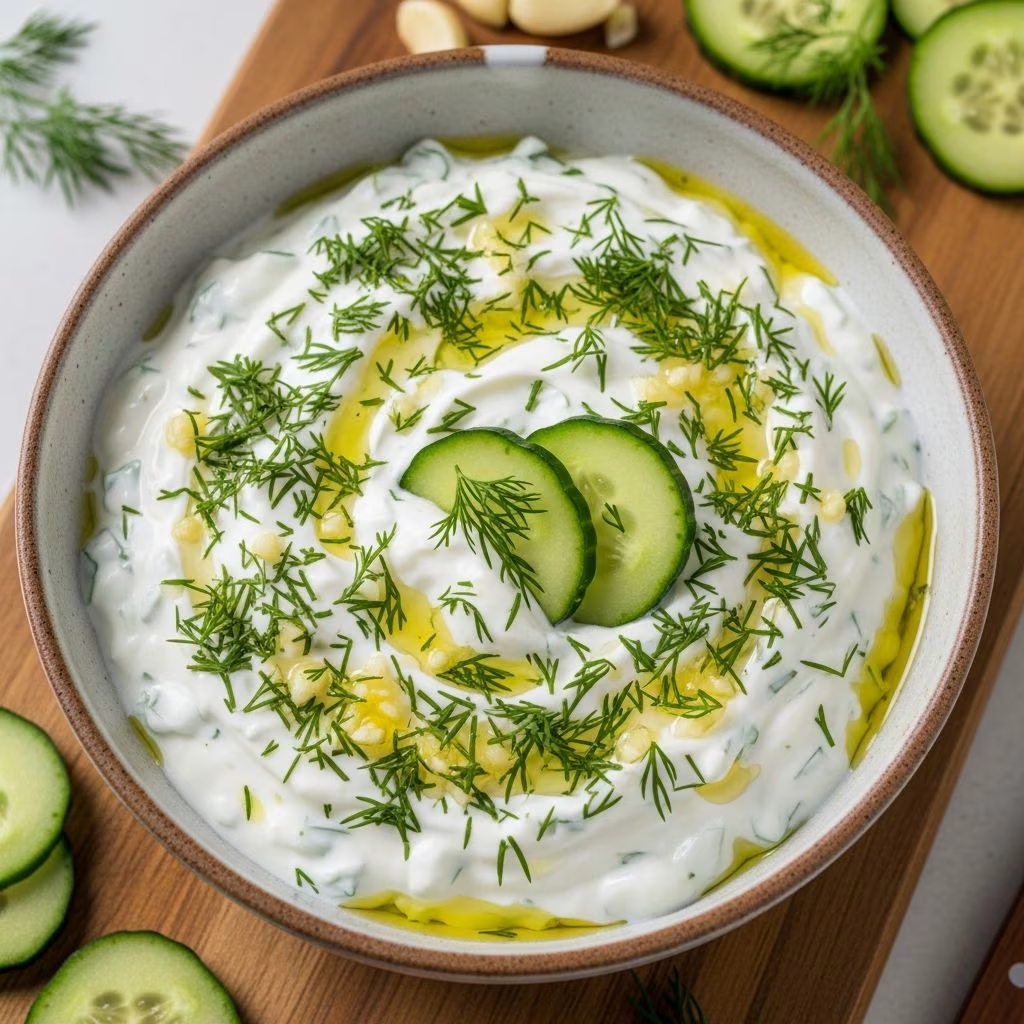
Tzatziki stands as one of the Mediterranean’s most beloved condiments, offering a refreshing counterbalance to warm, hearty dishes. This yogurt-based sauce combines simplicity with sophistication, requiring minimal ingredients yet delivering complex, satisfying flavors. Whether you’re hosting a dinner party or seeking to elevate weeknight meals, mastering the art of tzatziki preparation opens doors to countless culinary possibilities.
Understanding the Foundations of Tzatziki
At its core, tzatziki is a salted yogurt and cucumber preparation that traces its roots to Greek and broader Mediterranean cuisines. The sauce achieves its characteristic creamy texture and cool, refreshing taste through the combination of thick yogurt, fresh cucumbers, and aromatic garlic. Traditionally crafted with sheep or goat milk yogurt, contemporary versions employ full-fat Greek yogurt, which provides the necessary density and tang while remaining readily available in most markets.
The beauty of tzatziki lies in its versatility. It functions equally well as a dipping sauce for vegetables and pita, a condiment for grilled meats, or a cooling accompaniment to spiced dishes. The herb component—typically fresh dill or mint—brings brightness and herbaceous complexity that elevates the sauce beyond its basic ingredients.
Selecting and Preparing Your Ingredients
Creating exceptional homemade tzatziki begins with understanding each component’s role in the final product.
The Yogurt Foundation
The yogurt serves as the sauce’s structural backbone. Full-fat Greek yogurt is essential, as its higher protein content and straining process produce the thick, luxurious consistency that defines proper tzatziki. Avoid regular yogurt, which contains excess moisture and produces a thin, watery result. The yogurt should be plain and unsweetened, allowing other ingredients to establish the flavor profile. When selecting yogurt, check the ingredient list—quality versions contain only milk cultures and perhaps salt, nothing more.
Cucumber Preparation
Cucumbers contribute freshness and textural contrast. The critical step involving cucumbers is thorough moisture removal. Grating or finely dicing cucumber increases surface area, but the water content must be extracted before combining with yogurt. This step prevents the finished sauce from separating and becoming watery during storage.
To properly drain cucumbers: grate or dice them using the largest holes on a box grater, then place the shreds in a clean kitchen towel or cheesecloth. Hold the bundle over the sink and squeeze firmly, wringing out as much liquid as possible. Some recipes recommend salting the cucumber and allowing it to drain for several minutes before this final squeeze. This technique draws out additional moisture through osmosis.
Aromatics and Seasonings
Garlic provides pungent, savory depth. Minced or grated garlic integrates more effectively than large chunks, ensuring even distribution throughout the sauce. Fresh garlic is preferable to pre-minced varieties, which often taste metallic or stale. Consider your garlic intensity preference—begin with two cloves for mild versions, increasing to four or five for more robust profiles.
Kosher salt balances and enhances all other flavors while preventing blandness. Sea salt works equally well. Add salt gradually, tasting as you progress, since it’s easier to increase saltiness than to remedy oversalting.
Herbs and Finishing Touches
Fresh dill remains the classic herb choice, offering subtle anise notes that complement cucumber beautifully. Fresh mint provides cool, refreshing qualities and works either alone or combined with dill. Some preparations include both herbs for layered complexity. Chop herbs finely just before use to preserve their volatile oils and maximize flavor impact.
A squeeze of fresh lemon juice brightens the entire sauce, adding acid that heightens other flavors. Extra-virgin olive oil contributes richness and subtle fruity notes, rounding out the flavor profile.
Step-by-Step Preparation Method
Creating homemade tzatziki requires minimal time and technique but benefits from careful attention to sequence.
- Prepare the cucumbers: Grate or finely dice your cucumber using the largest holes on a box grater. Transfer to a clean kitchen towel and squeeze out excess moisture thoroughly.
- Combine yogurt base: Measure your full-fat Greek yogurt into a medium or large mixing bowl. The bowl should be large enough to accommodate all ingredients with room for stirring.
- Integrate aromatics: Add minced or grated garlic, finely chopped fresh dill, and your cucumber to the yogurt. Stir thoroughly to combine all components evenly.
- Adjust seasonings: Add fresh lemon juice, a drizzle of extra-virgin olive oil, kosher salt, and cracked black pepper. Taste the mixture and adjust each component according to your preferences. Remember that flavors deepen as the sauce chills, so exercise restraint when seasoning.
- Chill and rest: Cover the bowl and refrigerate for at least 30 minutes, preferably up to two hours. This resting period allows flavors to meld and the sauce to achieve optimal consistency.
- Serve or store: The sauce is ready to enjoy immediately after chilling or can be transferred to an airtight container for refrigerated storage.
Enhancing Your Tzatziki: Variations and Modifications
While traditional tzatziki follows a straightforward formula, several modifications cater to different preferences and dietary needs.
Flavor Intensifications
For those seeking deeper complexity, distilled white vinegar (approximately one teaspoon) brightens the sauce and adds subtle tang. This addition particularly benefits versions made with milder yogurt brands.
Red pepper flakes introduce gentle heat without overwhelming the cooling cucumber base. Begin with a quarter teaspoon and increase incrementally, as their intensity builds with storage time. Fresh or dried oregano contributes Mediterranean authenticity, particularly when paired with dill.
Textural Variations
Some prefer their tzatziki smooth and creamy, while others enjoy the textural interest of visible cucumber flecks. Grated cucumber creates more texture, while finely diced cucumber offers less pronounced mouthfeel. Experiment with both methods to determine your preference.
Dietary Adaptations
For dairy-free preparations, cashew-based substitutes can replace traditional yogurt, creating a vegan-friendly version while maintaining a similar creamy consistency. Coconut yogurt offers another plant-based alternative, though it introduces slight flavor changes that work well with mint additions.
Storage, Shelf Life, and Food Safety
Properly stored homemade tzatziki maintains quality for several days. Transfer the sauce to a clean, airtight container and refrigerate at temperatures below 40°F (4°C). Homemade tzatziki remains fresh for up to three days when stored correctly.
The high salt and acid content, combined with refrigeration, prevents rapid spoilage. However, watch for signs of deterioration: discoloration, off-odors, or visible mold indicate the sauce should be discarded. The surface may darken slightly over time due to oxidation—this is normal and doesn’t affect safety if other indicators appear positive.
Freeze tzatziki in ice cube trays for longer storage, though frozen-thawed versions may separate slightly and require stirring before use. This method works well for using tzatziki in cooked applications rather than as a fresh condiment.
Serving Suggestions and Culinary Applications
Tzatziki’s versatility extends far beyond simple dipping.
Traditional Applications
- Accompaniment for grilled lamb, chicken, or seafood
- Topping for souvlaki and Mediterranean skewers
- Dip for fresh vegetables, pita bread, and crispy crackers
- Sauce for falafel and vegetable-based preparations
- Spread for sandwiches and wraps
Creative Modern Uses
- Salad dressing base, thinned with additional lemon juice or olive oil
- Topping for baked potatoes or grain bowls
- Cooling accompaniment for spiced curries or Mexican-inspired dishes
- Component in cold soup preparations
- Marinade for vegetables or proteins before grilling
Troubleshooting Common Issues
Watery Consistency
This most common problem results from insufficient cucumber drainage. Ensure you squeeze the grated cucumber thoroughly before combining with yogurt. If the finished sauce is watery, strain it through cheesecloth for several hours to remove excess liquid.
Separated Appearance
If liquid pools on the sauce’s surface after storage, this indicates moisture release from the yogurt. Simply stir the mixture thoroughly to recombine. This separation doesn’t affect safety and results from natural ingredient characteristics rather than spoilage.
Excessive Saltiness
If you over-salt during preparation, stir in additional yogurt to dilute the salt concentration. Add new yogurt gradually in small quantities while tasting, ensuring you don’t reduce the sauce’s overall consistency excessively.
Flat or Muted Flavors
Insufficient garlic, herb, or acid causes flavor flatness. Remember that cold temperatures mute flavors slightly, so season tzatziki more aggressively than you might expect. Taste at room temperature to better assess seasoning levels before chilling.
Frequently Asked Questions
Can I use regular yogurt instead of Greek yogurt?
Regular yogurt contains significantly more water and will produce a thin, watery sauce. Greek yogurt’s straining process removes whey, creating the necessary density. If regular yogurt is your only option, strain it through cheesecloth overnight before using.
How far in advance can I prepare tzatziki?
Prepare tzatziki up to three days before serving. For best flavor, make it no more than 24 hours ahead. The sauce’s flavor peaks within the first 24 hours after preparation, with subtle changes occurring during extended storage.
Is tzatziki suitable for freezing?
Freezing is possible but not ideal, as the sauce’s texture may become grainy after thawing. The yogurt can separate, requiring vigorous stirring to recombine. Freeze in ice cube portions if you must, thawing in the refrigerator before use.
What’s the difference between tzatziki and raita?
While similar, tzatziki and raita are distinct preparations. Tzatziki originates from Greek cuisine and emphasizes dill with an herbaceous profile. Raita, from Indian cuisine, typically includes roasted cumin and different herb combinations. The yogurt bases differ as well—raita uses regular yogurt or Greek yogurt, while tzatziki traditionally employs strained yogurt.
Can I use dried herbs instead of fresh?
Fresh herbs are strongly preferred for their bright, vibrant flavors. However, dried dill can substitute in emergencies—use one-third the amount of fresh dill, as drying concentrates flavors. Dried mint works similarly, though fresh mint provides superior results.
Conclusion and Final Thoughts
Mastering homemade tzatziki opens culinary doors extending far beyond Mediterranean cuisine. This simple preparation, requiring only basic ingredients and minimal time, delivers professional-quality results that enhance countless dishes. By understanding ingredient selection, proper preparation techniques, and storage methods, you’ll create tzatziki that rivals restaurant versions while maintaining complete control over flavors and quality. The investment of ten minutes yields a versatile condiment that elevates meals throughout the week, proving that culinary excellence doesn’t require complicated techniques or exotic ingredients.
References
- Tzatziki Sauce Recipe — Love and Lemons. 2024. https://www.loveandlemons.com/tzatziki-sauce/
- Authentic Tzatziki Sauce Recipe (Yiayia Approved) — The Mediterranean Dish. 2024. https://www.themediterraneandish.com/tzatziki-sauce-recipe/
- Best Tzatziki (Easy & Authentic) — Downshiftology. 2024. https://downshiftology.com/recipes/tzatziki/
- Easy Tzatziki Recipe — Feasting At Home. 2024. https://www.feastingathome.com/tzatziki/