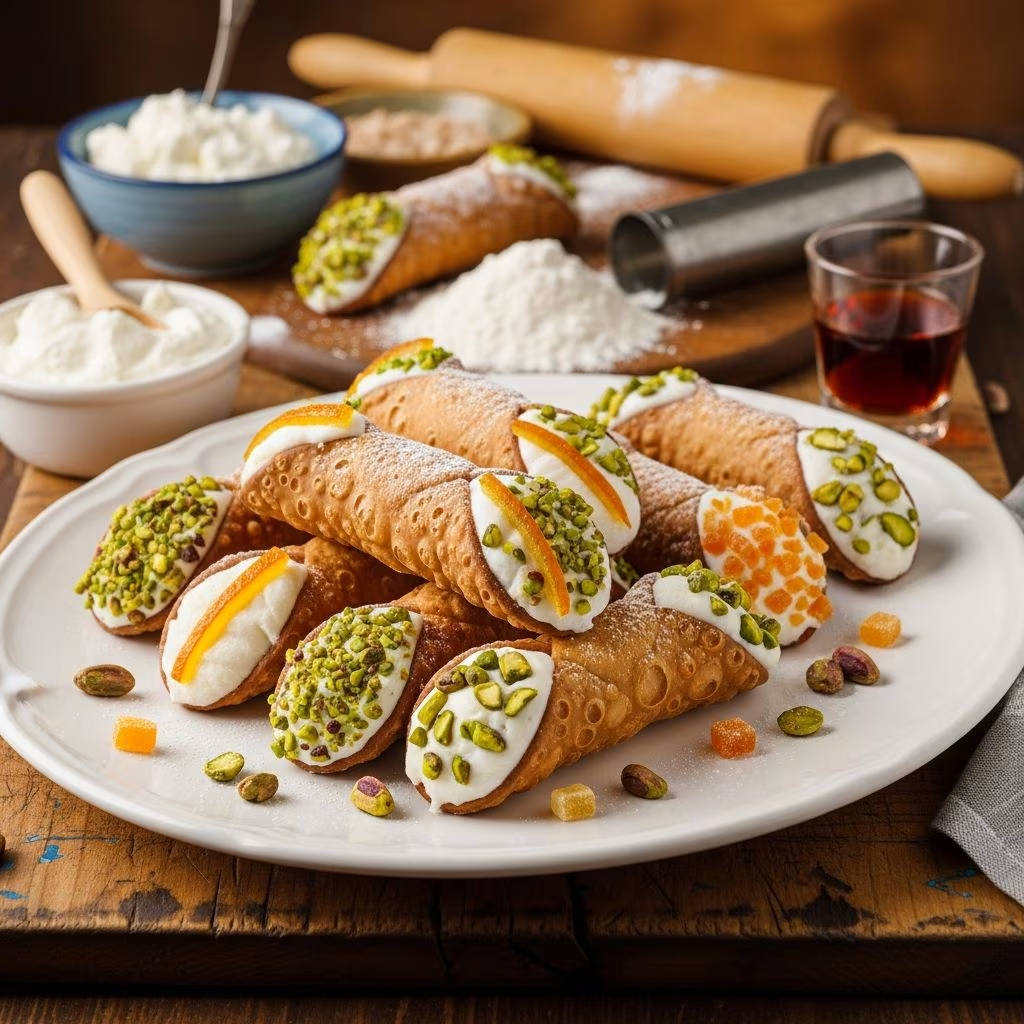
Sicilian cannoli represent one of Europe’s most beloved pastries, commanding recognition across culinary landscapes worldwide. These tube-shaped delicacies feature delicate, crispy exteriors that give way to luxuriously sweet ricotta-based fillings. While they may appear intimidating to recreate in a home kitchen, understanding the fundamental techniques and ingredient ratios transforms cannoli-making into an achievable and deeply rewarding culinary endeavor.
Understanding the Historical Significance of Cannoli
The origins of cannoli carry layers of cultural significance within Sicilian tradition. According to historical documentation, one prominent legend traces cannoli’s creation to the ninth century in Caltanissetta, a municipality in Sicily’s interior regions. Originally, these pastries held deep ceremonial importance as specialties prepared exclusively during Carnevale, the festive celebration that precedes the Lenten season. This seasonal association reflected the ingredient accessibility and religious observances that governed medieval and Renaissance cooking practices.
The transition from seasonal delicacy to year-round indulgence occurred gradually over centuries, as cannoli’s popularity transcended regional boundaries. When Italian immigrants established communities across North America during the nineteenth and twentieth centuries, they carried cannoli traditions with them, effectively integrating these pastries into Italian-American culinary identity. Contemporary dessert menus spanning continents now feature cannoli alongside other iconic European sweets, testifying to their enduring appeal and cultural significance.
Deconstructing the Cannoli Shell: Foundation of the Pastry
The cannoli shell demands careful attention to ingredient selection and technique execution. The dough itself consists of remarkably humble components that transform through proper handling into crispy, delicate structures capable of holding substantial fillings without shattering.
Essential Ingredients for Shell Dough
The foundational dry components include flour—either all-purpose or the traditional Italian 00 variety—which provides structure without developing excessive gluten. Most authentic recipes call for approximately one cup of flour per batch, though measurements vary slightly across regional Sicilian traditions. This flour combines with granulated sugar in modest quantities, typically one to two tablespoons, contributing subtle sweetness that balances the filling’s intensity.
Cocoa powder, though optional, appears in traditional formulations and imparts a sophisticated undertone that deepens the dough’s flavor complexity without producing chocolate sweetness. Many recipes incorporate between one-quarter and one teaspoon of cocoa powder. Cinnamon occasionally joins this flavor profile, adding warm spice notes that complement both the shell and filling.
The fat component—whether lard or butter—contributes approximately one tablespoon per batch, creating the tender crumb structure that characterizes properly executed cannoli shells. Traditional Sicilian preparation favors lard for its neutral flavor and superior texture contribution, though butter presents an acceptable substitute for modern cooks.
Liquid Components and Binding Agents
The dough’s liquid architecture relies on two primary components: an egg (or egg yolk) and fortified wine. The egg acts as a binder while contributing richness and structure. Some recipes employ whole eggs, while others use only yolks, both approaches yielding excellent results.
Marsala wine, the traditional choice, brings sophisticated complexity through its natural sweetness and subtle oxidized character. The typical ratio incorporates three to four teaspoons per batch, though the exact amount requires adjustment based on flour absorption and humidity conditions. White wine vinegar, used in modest quantities of one teaspoon, provides acidic tension that balances sweetness while potentially affecting gluten development.
Mastering the Shell-Making Process
Preparing and Kneading the Dough
Success begins with proper dry ingredient combination. Sifting flour together with cocoa powder, sugar, cinnamon, and salt aerates the flour while distributing cocoa powder evenly throughout. This single step prevents cocoa clumping and ensures consistent flavor distribution.
The incorporation of fat requires particular attention. Using fingertips to rub cold, cubed lard or butter into the flour mixture creates a crumbly texture resembling coarse breadcrumbs. This technique distributes fat particles throughout the flour, promoting tender results when the dough eventually bakes and fries. Insufficient fat distribution yields dense, tough shells, while excessive fat incorporation creates fragile structures prone to tearing.
Adding the egg introduces moisture and binding power. Most recipes recommend beating the egg thoroughly before incorporation, ensuring even distribution throughout the dough. Following egg addition, white wine vinegar (if using) combines with Marsala wine, added gradually in small quantities. This measured approach prevents the dough from becoming overly wet while allowing full hydration as needed.
The resulting dough should feel soft and pliable yet resist stickiness. Kneading by hand for several minutes develops the gluten network essential for extending the dough around metal cannoli tubes without tearing. The dough transforms from shaggy and uneven to smooth and elastic through continued manipulation.
Refrigeration and Rest Periods
After achieving proper texture, the dough requires wrapping in plastic wrap and refrigeration for a minimum of one hour. This resting period allows gluten relaxation while the dough firms from the added fat. Chilled dough becomes significantly easier to roll thin and manipulate around cannoli forms. Many experienced bakers extend refrigeration to overnight, observing improved workability and flavor development.
Constructing the Perfect Ricotta Filling
Selecting and Preparing Ricotta
Ricotta cheese forms the filling’s foundation, requiring careful preparation to achieve appropriate texture. Authentic Sicilian tradition favors sheep’s milk ricotta for its delicate flavor and superior moisture control. However, cow’s milk ricotta serves as an acceptable alternative in most markets. The critical step involves draining the cheese thoroughly before use—placing ricotta in a fine-mesh sieve over a bowl for several hours removes excess whey that would otherwise create weeping, overly moist fillings.
Sweetening and Flavoring Components
Confectioner’s sugar provides the primary sweetener, incorporated in quantities ranging from three-quarters cup to one and one-half cups depending on batch size and desired sweetness levels. The powdered form dissolves readily throughout the ricotta, preventing grittiness that might result from granulated sugar.
Flavor enhancement extends beyond sweetness. Rose water or orange flower water, used sparingly at approximately one teaspoon per filling batch, imparts floral sophistication characteristic of Sicilian confectionery traditions. These intensely aromatic liquids require careful measuring—excessive amounts overwhelm rather than complement the ricotta’s subtle richness.
Citrus elements appear frequently in contemporary interpretations, with honey, vanilla extract, and citrus juice and zest combining to create layered flavor complexity. These additions balance sweetness while brightening the filling’s overall profile.
Textural Elements and Mix-Ins
Traditional fillings incorporate chopped pistachios or candied fruit pieces, providing textural contrast and visual appeal. Mini chocolate chips represent another popular addition, offering bursts of cocoa flavor distributed throughout the creamy filling. These components should be added judiciously to maintain the filling’s smooth, spreadable consistency while ensuring visible inclusion.
Frying Techniques and Shell Assembly
The transformation from dough to crispy shell occurs through deep frying at carefully controlled temperatures. Rolling the chilled dough to thin, consistent thickness proves essential—too thick and the shells remain doughy inside, while excessive thinness produces shells prone to shattering. Most recipes recommend rolling to approximately one-eighth inch thickness.
Cutting the rolled dough into circles approximately three to four inches in diameter creates individual shell bases. Each circle wraps around metal cannoli molds, with egg wash applied to the overlapping edges to seal the seam. The egg wash, created from beaten whole egg, acts as an adhesive ensuring the seam remains secure throughout frying.
Frying occurs in vegetable oil maintained at approximately 350-375°F, with careful monitoring preventing excessive browning or insufficient crisping. Each shell requires only minutes in hot oil, emerging golden and crispy. The metal molds are removed while the shells remain pliable from residual heat, cooled on wire racks until completely firm.
Assembly, Filling, and Finishing Considerations
Cannoli shells are traditionally filled only immediately before service to maintain optimal crispness. Using a pastry bag fitted with a wide tip, the ricotta filling pipes into both ends of each shell, ensuring even distribution throughout the length. This approach prevents air pockets while creating the characteristic visual presentation of ricotta mixture visible at both ends.
Once filled, garnishing with pistachios, chocolate chips, candied fruit pieces, or additional cocoa powder provides both aesthetic appeal and textural contrast. Some preparations incorporate a light dusting of confectioner’s sugar for added sweetness and visual distinction.
Storage, Make-Ahead Strategies, and Serving Guidelines
Preserving Shell Integrity
Properly fried shells maintain crispness for up to three days when stored in airtight containers at room temperature, protected from humidity exposure. The filled cannoli, however, should be consumed within hours of assembly to prevent the shells from absorbing moisture and losing their desirable crunch.
Make-Ahead Approach
Strategic preparation divides the cannoli-making process into manageable stages. The dough can be prepared one day in advance and refrigerated overnight, improving workability and flavor. Similarly, shells can be fried several days ahead and stored unfilled. The ricotta filling maintains quality for twenty-four hours when covered and refrigerated. Final assembly occurs just before serving, ensuring optimal textural contrast between crispy shells and creamy filling.
Common Challenges and Solutions
| Challenge | Likely Cause | Solution |
|---|---|---|
| Shells crack during frying | Insufficient gluten development or dough too dry | Knead dough thoroughly; adjust liquid ratio; ensure proper temperature |
| Shells remain doughy inside | Excessive thickness or insufficient frying time | Roll dough thinner; maintain proper oil temperature; fry longer |
| Filling leaks from shells | Incomplete sealing of dough seams | Apply egg wash generously; press seams firmly; ensure proper crimping |
| Filling becomes watery | Ricotta not sufficiently drained | Drain ricotta thoroughly; use fresh cheese; store covered |
| Overly sweet flavor | Excessive sugar in filling or shells | Reduce confectioner’s sugar by one-quarter; balance with citrus elements |
Frequently Asked Questions
Can I substitute all-purpose flour for 00 flour?
Yes, all-purpose flour produces satisfactory results, though 00 flour’s finer grind yields slightly more delicate shells. The difference remains subtle enough that either option succeeds in home preparation.
What distinguishes Marsala wine from other cooking wines?
Marsala wine’s distinctive oxidized character and natural sweetness contribute unique flavor complexity that standard dry white wine cannot replicate. While substitutions are technically possible, they alter the final flavor profile.
Can I use mascarpone instead of ricotta?
Mascarpone’s higher fat content and different flavor profile create acceptable but distinctly different results. Traditional Sicilian preparations rely on ricotta’s specific characteristics.
How far in advance can I prepare cannoli?
Unfilled shells maintain quality for three days. The ricotta filling stays fresh for twenty-four hours refrigerated. Final assembly should occur within two hours of serving.
What oil works best for frying?
Vegetable oil with a high smoke point remains the standard choice. Neutral-flavored oils prevent interference with the pastry’s delicate taste.
References
- Authentic Italian Cannoli Recipe (Sicilian) — CucinaByElena. Accessed April 2026. https://www.cucinabyelena.com/best-authentic-sicilian-cannoli-recipe/
- Traditional Sicilian Cannoli — Culinary Ginger. Accessed April 2026. https://culinaryginger.com/traditional-sicilian-cannoli/
- Cannoli siciliani — Memorie di Angelina. January 21, 2023. https://memoriediangelina.com/2023/01/21/cannoli-siciliani/
- Authentic Italian Cannoli (Homemade Shells & Filling) — Biting at the Bits. Accessed April 2026. https://bitingatthebits.com/authentic-homemade-italian-cannoli-shells-and-filling-recipe/
- A Traditional Dessert Turned Creative Outlet: Cannoli Dessert Ideas — Paris Gourmet. Accessed April 2026. https://www.parisgourmet.com/blog/cannoli-dessert-ideas
- Make Perfect Cannoli With Claire Saffitz | Try This at Home — NYT Cooking. Accessed April 2026. https://www.youtube.com/watch?v=oFVVyf9lQz8