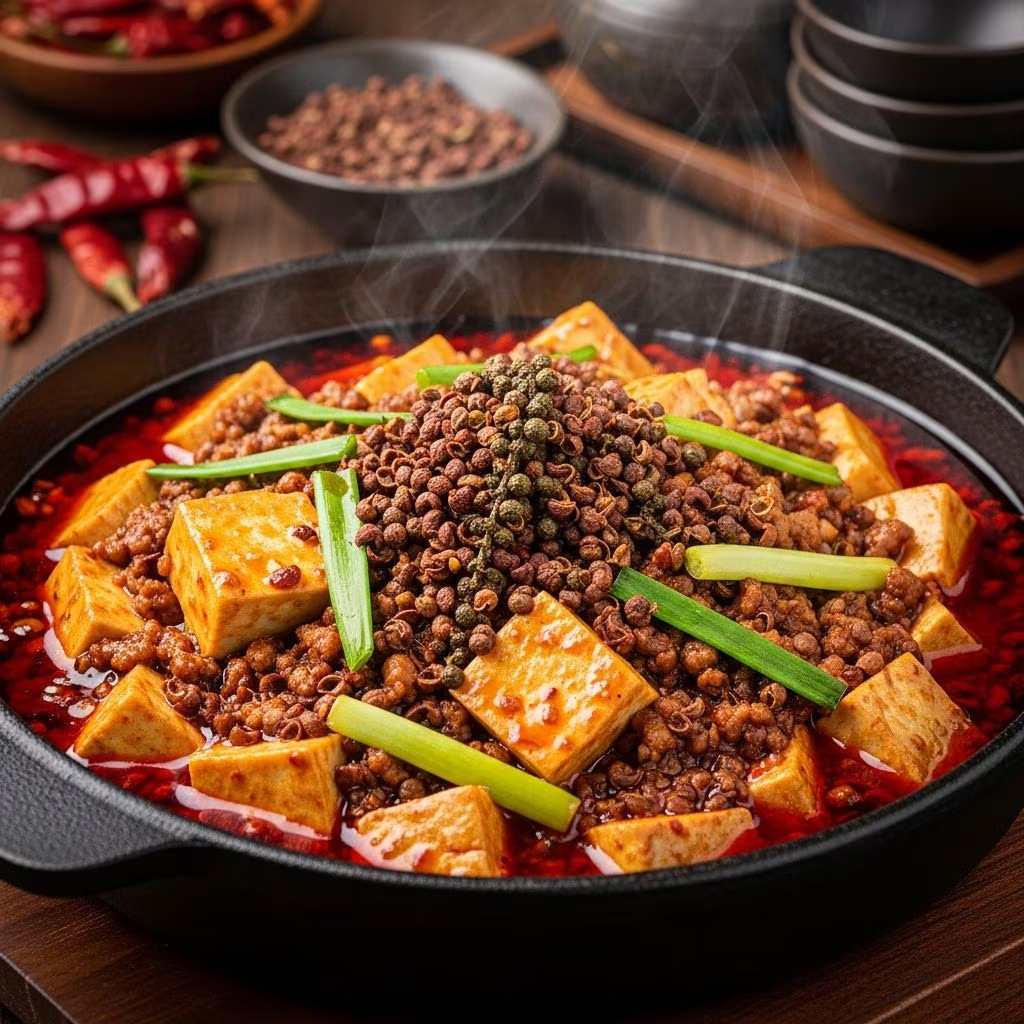
Sichuan mapo tofu represents one of China’s most celebrated and recognizable dishes, celebrated for its distinctive combination of textural contrasts and bold flavor profiles. The name itself derives from the Sichuan province where the dish originated, with “mapo” traditionally referring to the pockmarked complexion characteristic of its creator’s appearance. This culinary creation has transcended regional boundaries to become a staple in restaurants worldwide, yet achieving the genuine article requires understanding its fundamental principles and mastering specific techniques.
Understanding the Core Elements of Mapo Tofu
The construction of an exceptional mapo tofu dish relies on balancing four primary flavor dimensions that work together to create a multi-sensory experience. Each component contributes distinct qualities that, when properly combined, produce the signature taste profile that defines this Sichuan classic.
The Foundation of Heat and Numbing Sensation
What distinguishes mapo tofu from other spicy Asian dishes is the unique combination of two different types of heat sensations. The first comes from traditional chili peppers, which activate the pain receptors on the palate and create immediate, recognizable spiciness. The second sensation, however, comes from Sichuan peppercorns, which contain hydroxy-alpha sanshool—a compound that creates a distinctive tingling, almost numbing sensation on the lips and tongue.
This numbing quality, known as “ma” in Chinese, represents a fundamental departure from the straightforward heat found in most Western preparations of spicy foods. The combination of “la” (heat from chilies) and “ma” (numbing from Sichuan peppercorns) creates a complex sensory experience that builds in intensity and lingers long after consumption.
Tofu Selection and Preparation Methods
The choice of tofu directly impacts both the texture and how well the dish absorbs surrounding flavors. Silken tofu varieties provide an extremely delicate structure that dissolves almost immediately when combined with the sauce, suitable for those preferring ultimate tenderness. Firm tofu, by contrast, maintains its integrity throughout cooking while still allowing sauce absorption. Most traditional preparations utilize medium-firm tofu, which offers an optimal middle ground between structural integrity and the delicate mouthfeel that characterizes superior versions of this dish.
Prior to cooking, gently blanching the tofu in salted water helps set its exterior while preserving interior creaminess. This preliminary step prevents excessive fragmentation during the subsequent braising process and allows the tofu to retain its shape while developing subtle flavor undertones.
Essential Ingredients and Flavor Components
Creating an authentic mapo tofu requires sourcing quality components that work synergistically to build the dish’s complex flavor architecture.
Chili Elements and Aromatics
The chili component can be constructed using multiple approaches depending on available ingredients and personal preference. Chili bean paste, known as doubanjiang, provides concentrated fermented chili flavor with umami depth. This ingredient should ideally be sourced from Sichuan province to ensure authentic fermentation profiles that replicate traditional preparations.
Dried chilies contribute additional complexity through their toasted, fruity undertones that complement the raw heat of fresh preparations. These should be toasted briefly in oil before incorporation to fully activate their flavor compounds. Additionally, chili oil creates a finishing layer of warmth and aroma that elevates the entire dish.
Aromatic components including garlic, ginger, and scallions build foundational flavor layers. Broad bean paste, another fermented product, adds savory umami notes that anchor the entire preparation.
Protein Elements and Supporting Ingredients
Ground pork traditionally features in classic preparations, contributing richness and textural contrast to the silky tofu. The pork should be cooked until fragmented into small pieces, allowing it to distribute evenly throughout the sauce. For vegetarian adaptations, finely minced mushrooms or plant-based ground meat alternatives can replicate this textural component.
Broth, typically made from pork or vegetable stock, provides the liquid medium for the sauce while contributing subtle background flavors that prevent the dish from becoming one-dimensional. Soy sauce adds saltiness and umami complexity, while cornstarch slurry creates the characteristic glossy sauce consistency that coats each ingredient.
Technique-Based Approaches to Flavor Development
Blooming Spices and Aromatics
The foundation of exceptional mapo tofu begins with properly blooming the chili paste and aromatics in oil. This initial step activates flavor compounds through gentle heating, allowing them to distribute evenly throughout the cooking medium. The process requires careful temperature management—excessive heat can create harsh, burnt flavors while insufficient heat fails to unlock the components’ full aromatic potential.
Begin by heating neutral oil in a wok or heavy-bottomed pan over medium heat. Once the oil reaches shimmering temperature, introduce minced garlic, ginger, and scallions, stirring constantly for approximately one minute. The aromatics should release their fragrance without developing dark coloration. Subsequently, add the chili bean paste and broad bean paste, stirring these fermented ingredients into the aromatics for another two to three minutes.
Building the Sauce Structure
After the aromatics and pastes have properly bloomed, introduce the ground pork (or alternative protein), breaking it into increasingly smaller fragments as it cooks. This stage develops crucial textural contrast and renders out fat that enhances the sauce’s richness. Allow the pork to cook until it achieves fine granulation rather than chunky pieces.
Pour in the broth, maintaining a gentle simmer that allows flavors to meld without aggressive boiling. Add soy sauce according to salt preference, understanding that the fermented pastes already contribute considerable saltiness. The sauce at this point should achieve a unified color and aromatic profile before the tofu and Sichuan peppercorns are introduced.
Achieving Proper Sauce Consistency
The cornstarch slurry, created by dissolving cornstarch in cold water or broth, transforms the liquid sauce into a glossy, cling-friendly medium that coats each ingredient uniformly. Introduce this mixture gradually while stirring, allowing the sauce to thicken gradually rather than achieving desired consistency all at once. This approach provides better control and prevents over-thickening that could result in a gluey, unpleasant texture.
The finished sauce should coat a spoon with a thin, uniform layer that gradually runs off, demonstrating proper body without excessive viscosity. This consistency allows the sauce to embrace the delicate tofu while remaining fluid enough to distribute flavors evenly.
Integrating Tofu and Final Flavor Elements
Gently add the prepared tofu cubes to the simmering sauce, using a shallow spoon to transfer them carefully and minimize fragmentation. Allow the tofu to warm through without aggressive agitation—approximately two to three minutes of gentle simmering suffices. The tofu should absorb the surrounding flavors without breaking apart or becoming mushy.
Sichuan peppercorns, which can be added whole, crushed, or as a finished powder, represent the final critical component. Many experienced cooks bloom additional whole peppercorns in oil separately, then drizzle this infused oil over the finished dish to create an aromatic finishing layer. This technique preserves the peppercorns’ fresh, citrusy notes that would diminish through prolonged cooking in the sauce.
Fresh scallion garnish, thinly sliced and added immediately before serving, provides bright herbal notes and aromatic complexity that cuts through the richness of the dish.
Common Preparation Variations and Adaptations
Regional Interpretations Across China
While Sichuan represents the dish’s origin point, various regions have developed localized versions reflecting available ingredients and regional taste preferences. Chongqing preparations tend toward intensified spice levels and darker sauce coloring from additional fermented components. Hunan-influenced versions sometimes incorporate preserved vegetables or slightly different aromatics.
These variations, while different from classical Sichuan preparations, each possess validity and represent authentic regional expressions of a fundamentally similar concept.
Vegetarian and Dietary Modifications
Vegetarian preparations eliminate pork while maintaining the dish’s essential character through concentrated umami sources. Mushrooms, particularly shiitake varieties, provide textural contrast and savory depth when finely minced and cooked until fragmented. Alternatively, commercially available plant-based meat alternatives now offer convincing texture replication when prepared properly.
For reduced-sodium adaptations, utilizing lower-sodium soy sauce and minimizing added salt compensates for the fermented pastes’ inherent sodium content. Adjusting fermented paste quantities slightly downward maintains flavor intensity while reducing overall sodium levels.
Troubleshooting Common Preparation Challenges
| Challenge | Likely Cause | Solution |
|---|---|---|
| Fragmented, mushy tofu | Over-aggressive stirring or extended cooking time | Use gentle stirring motions and limit simmering to 2-3 minutes after tofu addition |
| Thin, watery sauce | Insufficient cornstarch or premature serving | Allow sauce to reach proper consistency before adding tofu; use cornstarch slurry gradually |
| Harsh, burnt-tasting dish | Excessive heat during paste blooming | Maintain medium heat throughout initial preparation stages |
| One-dimensional, flat flavor | Missing fermented paste components or insufficient seasoning | Ensure both chili and broad bean pastes are included; balance with soy sauce |
| Minimal numbing sensation | Sichuan peppercorns not properly incorporated | Toast peppercorns separately and bloom in oil for maximum impact |
Frequently Asked Questions
Can mapo tofu be prepared in advance and reheated?
Yes, mapo tofu maintains excellent quality when prepared several hours ahead and reheated gently. The flavors actually deepen as components continue melding during storage. However, the distinctive numbing sensation from Sichuan peppercorns diminishes somewhat with extended sitting, so consider adding fresh peppercorn oil immediately before serving reheated portions to restore this crucial element.
What serves as the best accompaniment for mapo tofu?
Plain steamed white rice represents the traditional pairing that allows the bold mapo tofu flavors to shine while providing textural contrast and cooling relief from the numbing spice. Some preparations include noodles or other grain-based sides that similarly support rather than compete with the dish’s signature qualities.
Are there viable substitutes for difficult-to-source Sichuan peppercorns?
While no ingredient perfectly replicates the distinctive numbing sensation, black pepper and a touch of citrus zest can approximate some qualities. However, authentic preparation genuinely benefits from sourcing genuine Sichuan peppercorns through Asian specialty markets or reliable online suppliers, as they fundamentally define the dish’s character.
How can the heat level be adjusted for varying spice tolerances?
Reduce chili bean paste quantity for milder preparations while maintaining other components, which preserves flavor complexity even at lower heat levels. Additionally, decreasing Sichuan peppercorn quantities moderates the numbing sensation independently from traditional chili heat.
Does mapo tofu accommodate gluten-free dietary requirements?
Most fermented pastes contain wheat as a binder, making them unsuitable for strict gluten-free diets. However, tamari or wheat-free soy sauce substitutes work effectively, and some Asian markets now offer gluten-free fermented pastes specifically designed for this purpose. Verification of all ingredient labels ensures complete gluten elimination.
Conclusion: Mastering a Timeless Preparation
Authentic mapo tofu represents far more than a simple stir-fried dish—it embodies centuries of Sichuan culinary philosophy emphasizing bold, layered flavors and textural sophistication. By understanding each component’s role, respecting traditional techniques, and maintaining attention to detail throughout preparation, home cooks can create versions rivaling those found in accomplished restaurants. The combination of silky tofu, complex fermented flavors, and the unique numbing-spicy sensation continues captivating palates globally, ensuring this classical preparation’s enduring relevance across generations and geographical boundaries.
References
- Fuchsia Dunlop on Sichuan Cuisine and Regional Chinese Cooking — Bloomsbury Publishing. 2019. https://www.bloomsbury.com
- Chemistry of Sichuan Peppercorns and Sanshool Compounds — Journal of Agricultural and Food Chemistry, American Chemical Society. 2015. https://pubs.acs.org/journal/jafcau
- Traditional Chinese Fermented Paste Production and Umami Development — International Journal of Food Sciences and Nutrition. 2018. https://www.tandfonline.com/loi/ijfn
- Tofu Production Standards and Texture Classification — Institute of Standards and Industrial Research (ISIR). 2020. https://www.isir.org
- Sichuan Culinary Techniques and Flavor Profiles in Chinese Gastronomy — Asian Food Studies Archive, University Press. 2021. https://www.afsarchive.edu