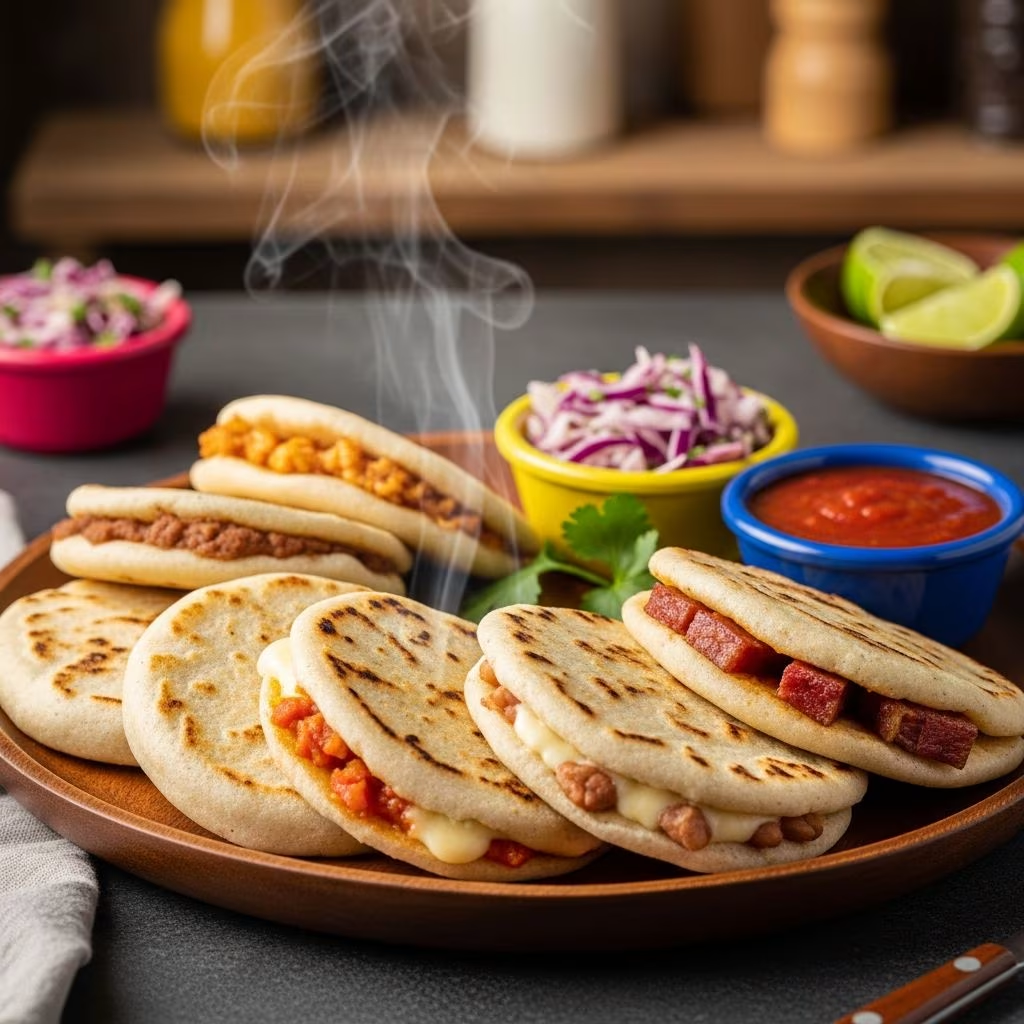
Pupusas represent the heart of Salvadoran culinary tradition, offering a satisfying blend of chewy corn masa encasing savory fillings. These handheld delights, often enjoyed with tangy accompaniments, have captivated food lovers worldwide. Whether you’re new to Latin American cooking or seeking to refine your skills, this guide provides everything needed to create restaurant-quality pupusas in your kitchen.
The Origins and Cultural Significance of Pupusas
Originating from El Salvador, pupusas date back centuries, with archaeological evidence suggesting corn-based flatbreads were staples in pre-Columbian Mesoamerica. The modern pupusa evolved in the rural regions of El Salvador, becoming a symbol of national pride. In 2005, it was officially declared the country’s national dish, celebrated annually on National Pupusa Day. Street vendors, known as pupuserías, serve them hot off the griddle, fostering community gatherings. This dish embodies resourcefulness, using simple ingredients like corn masa to encase proteins and cheeses, making it accessible yet endlessly versatile.
Beyond El Salvador, pupusas have spread through migration, particularly to the United States, where Salvadoran communities in Los Angeles and Washington D.C. have popularized them. Their appeal lies in the contrast of textures: the slightly crisp exterior from griddle cooking gives way to a soft, steamy interior bursting with fillings.
Essential Ingredients for Perfect Pupusas
Creating pupusas starts with high-quality staples. The foundation is masa harina, a finely ground corn flour treated with lime (nixtamalized) for better nutrition and flavor. Brands like Maseca are widely recommended for their consistency.
- Masa harina: 3 cups for about 12-14 pupusas, providing the pliable dough base.
- Warm water: 2.5-3 cups, adjusted for a soft, non-sticky dough. Warmth helps hydration.
- Salt: 1-2 teaspoons to enhance flavors.
- Fillings: Shredded mozzarella or queso fresco (2 cups) for meltiness; refried beans (1/2-1 cup); optional pork carnitas, loroco flowers, or zucchini.
- Cooking oil: Neutral oil like vegetable or olive for the skillet.
For sides, prepare curtido, a fermented cabbage slaw, and salsa roja. These add acidity and crunch, balancing the richness.
Step-by-Step Guide to Making Pupusa Dough
The dough is the canvas for your creativity. Achieving the right consistency—soft yet moldable—is key to preventing cracks during shaping.
- Mix dry ingredients: In a large bowl, whisk 3 cups masa harina with 2 teaspoons salt.
- Incorporate water: Gradually add 2.75 cups warm water, stirring with a spoon until shaggy. Knead by hand for 2-3 minutes until smooth and pliable, like playdough. If crumbly, add water 1 tablespoon at a time; if sticky, sprinkle masa harina.
- Rest the dough: Cover with a damp cloth or plastic wrap for 5-10 minutes. This relaxes the gluten-like structure in corn flour, easing shaping.
Pro Tip: Keep hands lightly oiled or wet to prevent sticking during handling.
Mastering the Art of Stuffing and Shaping Pupusas
Stuffing requires gentle precision to seal fillings inside thick discs (about 1/4-1/2 inch).
| Step | Description | Common Mistakes to Avoid |
|---|---|---|
| 1. Portion dough | Divide into 12-14 golf-ball-sized pieces (about 2 oz each). | Uneven sizes lead to inconsistent cooking. |
| 2. Create pocket | Flatten a ball into a disc, press thumb into center to form a cup. Add 1-2 tsp filling (e.g., beans + cheese). | Overfilling causes leaks; use small amounts. |
| 3. Seal and flatten | Pinch edges over filling, roll into ball, then pat into 4-5 inch disc. Avoid thin spots. | Pressing too hard squeezes out contents. |
Practice makes perfect—initial attempts may crack, but the dough forgives with re-kneading.
Cooking Pupusas to Golden Perfection
A hot skillet or comal mimics street-food griddles for authentic char.
- Preheat cast-iron skillet or griddle over medium-high heat (about 375°F). Brush with 1 tsp oil.
- Place 2-3 pupusas without crowding. Cook 3-5 minutes per side until golden spots appear and cheese melts inside.
- Keep warm in a 200°F oven on a baking sheet while cooking batches.
Total time: 45-60 minutes for 12 pupusas. Listen for a soft sizzle; too low heat steams instead of crisps.
Classic Fillings and Creative Variations
Traditional options honor Salvadoran roots, while variations invite experimentation.
- Cheese and Beans (RevuelTas): Queso fresco or mozzarella with refried pinto beans—simple and vegetarian.
- Pork Carnitas: Slow-cooked chicharrón ground with tomatoes for spicy richness.
- Ayote con Queso: Roasted squash with cheese for a sweet-savory twist.
- Modern Twists: Add jalapeños, mushrooms, or chicken tinga for fusion flair.
Layer fillings sparingly to maintain balance.
Perfecting Curtido and Salsa Roja
No pupusa meal is complete without these tangy sides.
Curtido Recipe
A quick pickle that ferments for zesty crunch.
- 2 cups shredded cabbage, 1 carrot (julienned), 1/2 onion (sliced), 2 jalapeños (sliced).
- Boil 4 cups water + 1 cup vinegar + 1 tsp salt + 1 tsp oregano + 1 tsp sugar. Pour over veggies; let sit 30 minutes, then refrigerate overnight.
Salsa Roja
Blended roasted tomatoes, garlic, onion, and dried chiles for smoky heat.
These elevate pupusas, cutting through richness with vinegar tang and spice.
Storage, Freezing, and Reheating Tips
Pupusas shine fresh but store well.
- Fridge: Up to 3 days in airtight container; reheat in skillet.
- Freezer: Uncooked pupusas freeze flat between parchment for 2 months. Thaw and cook directly.
- Reheating: Skillet over medium heat, 2-3 minutes per side; microwave as last resort (loses crispness).
Nutrition and Dietary Adaptations
One pupusa (cheese/beans): ~200 calories, 8g protein, 10g fat, 25g carbs. Adapt for vegan (plant-based cheese/beans), gluten-free (naturally so), or low-carb (cauliflower masa alternatives, untested).
Frequently Asked Questions (FAQs)
What is the difference between pupusas and gorditas?
Pupusas are thicker, griddled without slicing open post-cook; gorditas are sliced for filling.
Can I use regular cornmeal instead of masa harina?
No—regular cornmeal lacks nixtamalization, resulting in gritty texture. Masa harina is essential.
How do I prevent pupusas from cracking?
Ensure proper dough hydration and rest; use wet hands for shaping.
Are pupusas vegan-friendly?
Yes, with bean-only or veggie fillings and no cheese.
What’s the best cheese for pupusas?
Mozzarella, Oaxaca, or queso fresco for optimal melt.
Troubleshooting Common Pupusa Pitfalls
- Dough too dry: Add warm water incrementally.
- Filling leaks: Seal tightly and flatten gently.
- Not crispy: Increase heat, reduce oil.
With practice, you’ll master this dish, bringing Salvadoran warmth to your table.
References
- 6-Minute Pupusas {Easy Authentic Recipe} — The Big Man’s World. 2023. https://thebigmansworld.com/pupusas/
- Pupusas Recipe w/ Curtido and Salsa Roja {Authentic Salvadorian} — A Cozy Kitchen. 2022. https://www.acozykitchen.com/how-to-make-pupusas
- Pupusas Filled With Pork Shoulder, Mozzarella, and Refried Beans — Taste Cooking. 2021. https://tastecooking.com/recipes/pupusas-filled-with-pork-shoulder-mozzarella-and-refried-beans/
- Pupusas Recipe (Salvadoran Corn Cakes) — Chili Pepper Madness. 2023. https://www.chilipeppermadness.com/recipes/pupusas/