Polish pierogi stand as one of the most beloved comfort foods in Eastern European cuisine, cherished for their versatile fillings wrapped in tender dough. These half-moon-shaped dumplings trace their roots to Poland, where they appear on tables during holidays, family gatherings, and everyday meals. Whether boiled, fried, or steamed, pierogi offer endless customization while honoring time-tested methods passed down through generations.
The Cultural Significance of Pierogi in Polish Heritage
Pierogi, known as “pierogi” in Polish, embody hospitality and resourcefulness. Families traditionally gather to prepare large batches, filling them with seasonal ingredients like potatoes, cheese, mushrooms, or fruits. In regions like Krakow and Warsaw, variations such as Pierogi Ruskie (potato and cheese) dominate, often served with caramelized onions or sour cream. This communal preparation fosters bonding, much like pasta-making in Italian culture.
Historically, pierogi sustained laborers and farmers with their hearty, portable nature. Today, they symbolize Polish identity worldwide, with festivals dedicated to their craft. Understanding this background enhances appreciation when recreating them at home.
Essential Ingredients for Perfect Pierogi Dough
The foundation of great pierogi lies in the dough—simple yet finicky. It must be pliable enough to encase fillings without tearing, yet sturdy for boiling. Common recipes use flour, water, egg, oil, and salt, yielding a soft, elastic texture.
- Flour: All-purpose works best; about 3 cups for a standard batch.
- Liquid base: Warm water (1 cup) or a mix of milk and water for tenderness.
- Fat: Vegetable oil (1 cup) or melted butter (1 tbsp) prevents sticking and adds richness.
- Egg: One large egg for binding; optional in some versions to keep dough delicate.
- Salt: 1 tsp for flavor enhancement.
Variations exist: some omit eggs for a lighter dough, while others incorporate sour cream for subtle tang. Kneading for 8-10 minutes develops gluten, ensuring durability.
Mastering the Classic Potato and Cheese Filling
Pierogi Ruskie, the iconic potato-cheese filling, delivers creamy, savory bliss. Boil 5 medium yellow potatoes until tender (about 8 minutes), then mash with 8 oz farmer’s cheese, salt, pepper, and optional cheddar or blue cheese for depth.
| Ingredient | Quantity | Purpose |
|---|---|---|
| Potatoes | 5 medium | Base for creaminess |
| Farmer’s cheese | 8 oz | Tangy, melty texture |
| Onion (optional) | 1 small, sautéed | Aromatic boost |
| Seasonings | Salt, pepper, garlic powder | Balanced flavor |
Mash until smooth and cool completely to prevent soggy dough. This filling yields about 36 pierogi, scalable for larger crowds.
Step-by-Step Guide to Assembling Pierogi
Preparation demands patience, but the results reward every effort. Start with rested dough (20-30 minutes under a bowl).
- Roll the dough: Divide in half; roll to 1/8-inch thickness on a floured surface. Avoid excess flour to maintain stretchiness.
- Cut circles: Use a 3-inch cutter, glass, or cup for uniform rounds.
- Fill: Place 1 tsp filling in center. Moisten edges with water, fold, and pinch tightly, sealing out air pockets.
- Repeat: Work quickly; cover assembled pierogi with a damp cloth to prevent drying.
Pro tip: Crimp edges with a fork for a decorative, secure seal. Yield: 30-40 pierogi per batch.
Cooking Methods: Boiling, Frying, and Beyond
Pierogi shine through dual cooking: boil first, then fry for crispiness.
- Boiling: Salt a large pot of water; add 8-10 pierogi at a time. Cook until they float (1-2 minutes post-surface). Use a slotted spoon to drain.
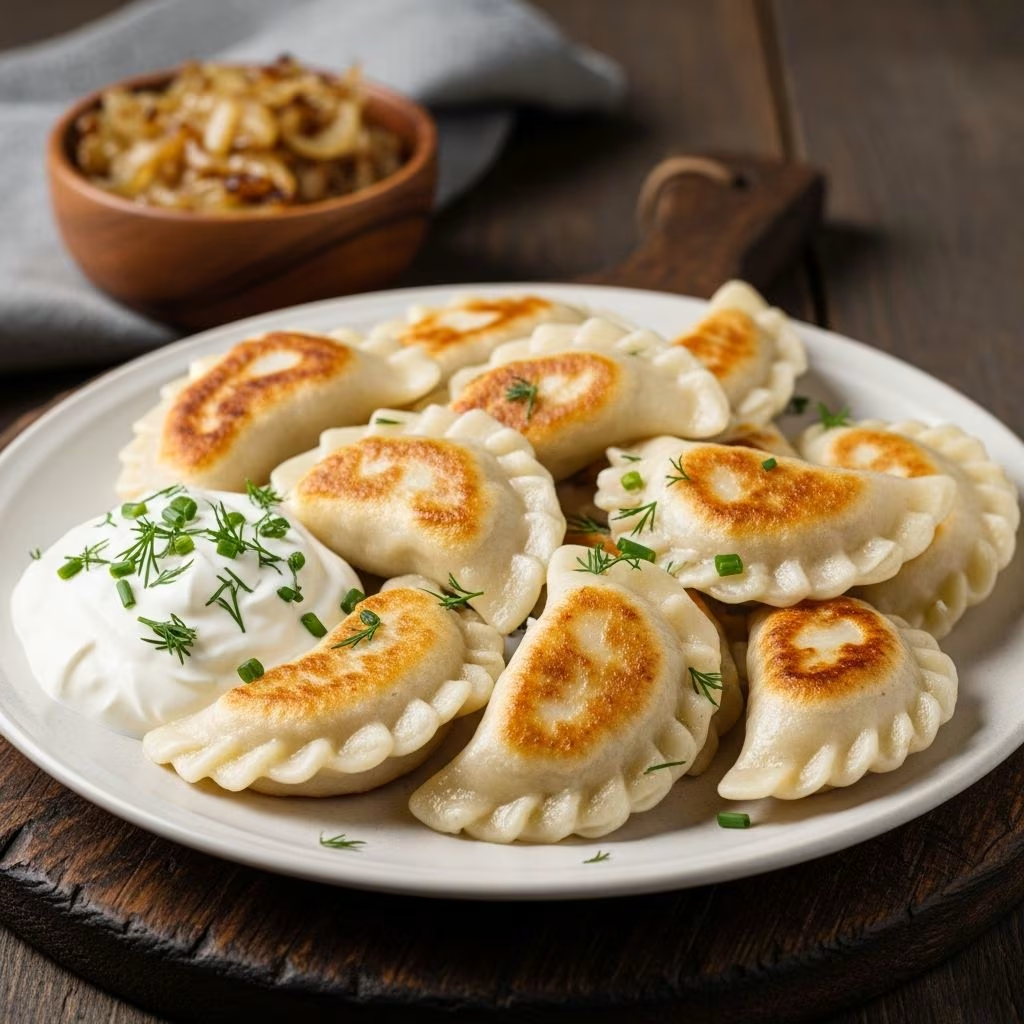
- Frying: Heat 1 tbsp oil or ghee in a skillet. Brown boiled pierogi 2-3 minutes per side until golden. Pat dry first to minimize splatter.
- Alternatives: Steam for 10 minutes or bake at 375°F for 20 minutes brushed with butter.
Serve immediately with toppings like sour cream, caramelized onions (sauté 1 large onion in butter until soft), or bacon bits.
Exploring Popular Pierogi Filling Variations
Beyond potato-cheese, experiment with these authentic options:
- Sauerkraut and mushroom: Sauté 1/2 can sauerkraut with chopped mushrooms and onions; tangy and earthy.
- Meat: Ground beef or pork with cabbage, seasoned simply.
- Sweet: Farmer cheese with sugar and raisins for dessert pierogi, dusted with powdered sugar.
- Vegetarian: Pureed peas, spinach, or lentils for modern twists.
Each filling pairs with the same dough, allowing seasonal creativity. Freeze extras pre-boiling for up to 3 months.
Storage, Freezing, and Reheating Tips
Make-ahead convenience defines pierogi. Uncooked pierogi freeze flat on a tray, then bag for 3 months. Boil from frozen, adding 1-2 extra minutes.
Refrigerate cooked pierogi up to 3 days in an airtight container. Reheat by pan-frying or steaming to restore texture. Avoid microwaving to prevent sogginess.
Common Mistakes and Troubleshooting
Avoid these pitfalls for pro-level results:
- Dough tears: Knead longer or rest adequately; use less flour when rolling.
- Fillings burst: Seal tightly and don’t overfill (1 tsp max).
- Soggy texture: Cool fillings fully and boil in small batches.
- Tough dough: Skip egg or use warm liquids sparingly.
Test one pierogi first to perfect technique.
Pairing Pierogi with Traditional Sides and Beverages
Elevate meals with complementary dishes. Serve alongside beet salad (barszcz czerwony), cucumber salad, or kielbasa. For drinks, pair with Polish beer like Żywiec, vodka shots, or kompot (fruit compote).
Toppings enhance: fried onions add sweetness, sour cream cools spice, bacon crisps everything up.
Pierogi for Special Occasions and Large Batches
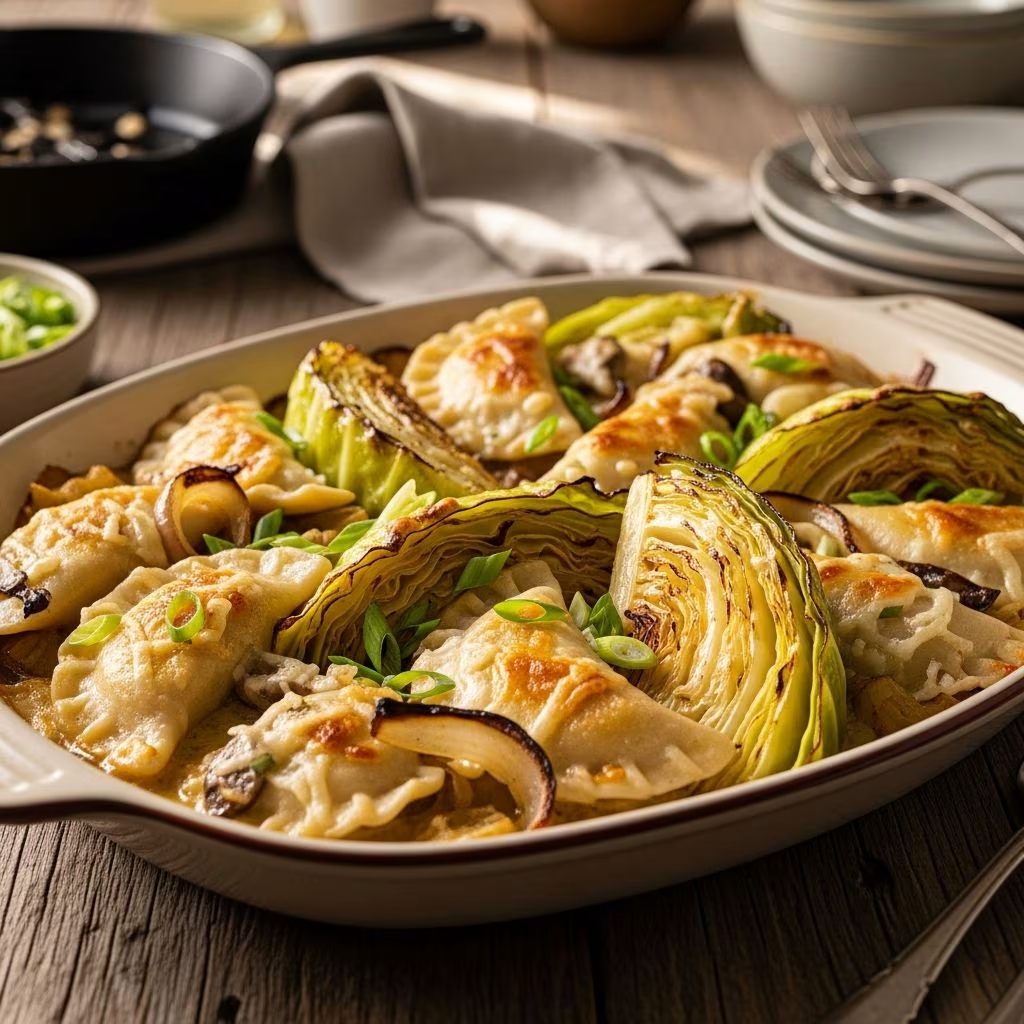
Scale recipes by doubling ingredients for parties. Enlist helpers for assembly lines. For Christmas Eve (Wigilia), prepare meatless versions per tradition. Leftover pierogi transform into casseroles: layer with cheese sauce and bake.
Healthier Twists on Classic Pierogi
Adapt for modern diets: use whole wheat flour, low-fat cheese, or bake instead of fry. Sweet potato fillings boost nutrition without sacrificing flavor.
Frequently Asked Questions (FAQs)
What is the best cheese for pierogi filling?
Farmer’s cheese (twaróg) is traditional for its crumbly, tangy profile. Substitutes like ricotta or cottage cheese work if drained well.
Can pierogi dough be made in advance?
Yes, refrigerate wrapped dough up to 24 hours or freeze for 1 month. Thaw and rest before rolling.
How do you prevent pierogi from sticking together?
Dust with flour during assembly and boil in non-stick batches.
Are pierogi gluten-free possible?
Use a 1:1 gluten-free flour blend; add xanthan gum for elasticity. Results mimic wheat closely.
What’s the difference between pierogi and dumplings?
Pierogi are Polish semi-circular boiled dumplings; broader dumplings vary by culture (e.g., Chinese jiaozi).
References
- Authentic Polish Pierogies from a Krakow Cooking Class — Madisonsfootsteps.com. N/A. https://madisonsfootsteps.com/how-to-make-traditional-polish-pierogi/
- Authentic Polish Pierogi with Potatoes and Cheese (Pierogi Ruskie) — Eatingeuropean.com. N/A. https://eatingeuropean.com/authentic-polish-pierogi-potatoes-cheese/
- Polish Pierogies: Step-By-Step Recipe with Photographs — Barefeetinthekitchen.com. N/A. https://barefeetinthekitchen.com/how-to-make-pierogies-recipe/
- Polish Pierogies — Fuutii.com. N/A. https://fuutii.com/polish-pierogies/