Understanding the Essence of Crawfish Bisque
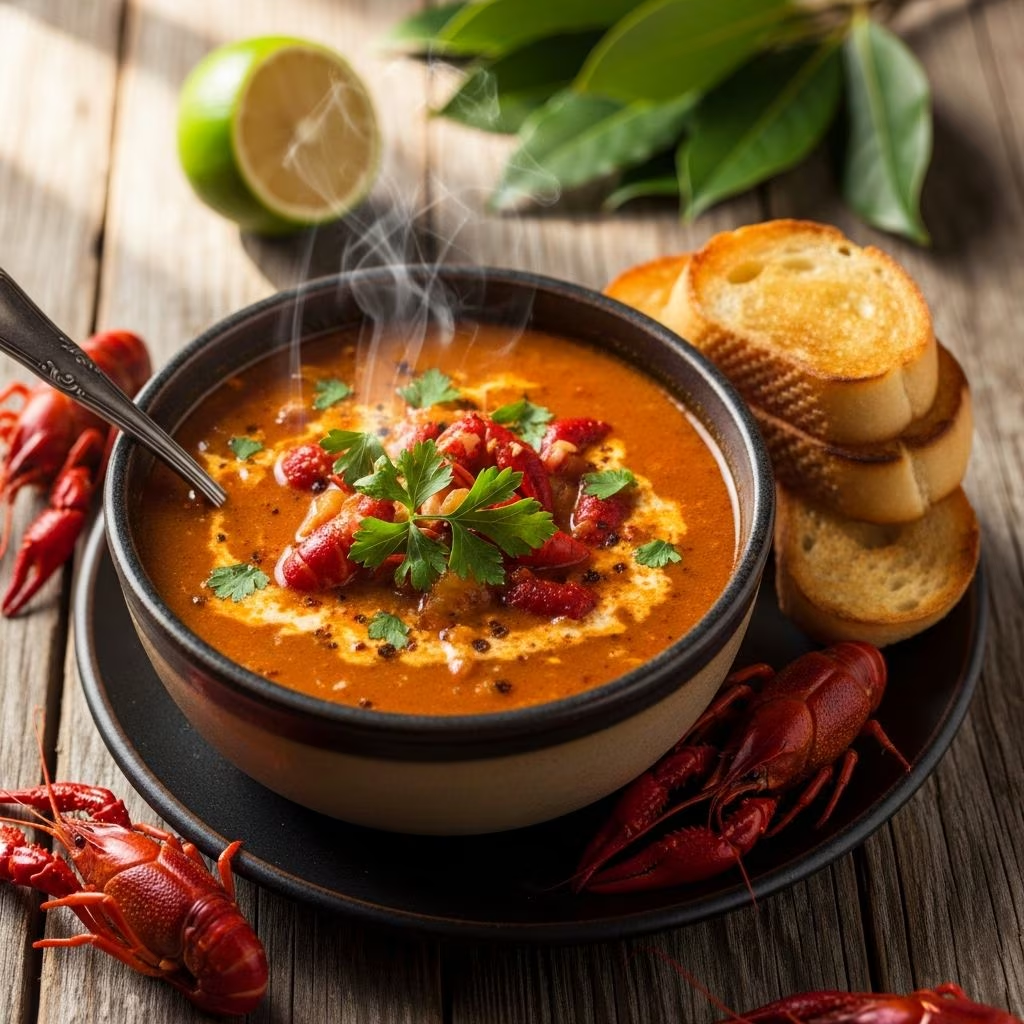
Crawfish bisque represents one of Louisiana’s most celebrated culinary traditions, combining the delicate sweetness of crawfish with a luxurious, cream-based broth. This sophisticated soup has roots in French cuisine but has evolved into a distinctly Louisiana creation that showcases the region’s abundant freshwater crustaceans. The dish transforms simple ingredients into something extraordinary through patient cooking techniques and quality components.
The foundation of authentic bisque relies on creating a deeply flavored stock that incorporates shellfish shells and aromatics, building layers of umami that distinguish it from ordinary soups. Traditional recipes often require significant preparation time, particularly when using whole crawfish, though modern adaptations have made this classic accessible to home cooks with varying schedules.
Selecting Your Crawfish and Other Key Ingredients
The primary ingredient determines the quality of your finished bisque. Crawfish tails, whether fresh or frozen, should be plump and free from discoloration. Many home cooks find convenience in purchasing pre-packaged crawfish tail meat from seafood markets or grocery stores, eliminating the labor-intensive peeling process. For those preparing crawfish from boiled specimens, reserving 4 to 5 pounds ensures sufficient quantity for both the stock and the finished soup.
Beyond crawfish, your ingredient list should include:
- Aromatics: Yellow onions, celery, and bell peppers form the classic Louisiana trinity that builds the soup’s foundational flavors
- Fat and thickener: Unsalted butter and all-purpose flour create the roux that gives bisque its characteristic velvety texture
- Seasonings: Cajun or Creole seasoning blends, garlic, dried tarragon, and thyme provide authentic regional flavor profiles
- Liquids: Seafood or fish stock serves as the primary liquid base, with optional sherry or white wine adding depth
- Cream: Heavy cream enriches the bisque in the final stages, creating the luxurious mouthfeel that defines this soup category
- Aromatics for finishing: Fresh green onions and parsley contribute brightness to balance the rich flavors
The Foundation: Creating an Effective Roux
The roux represents the technical cornerstone of crawfish bisque preparation. This mixture of equal parts fat and flour, cooked together until the flour loses its raw taste and develops color, acts as the thickening agent that transforms broth into bisque. Begin by melting butter over medium-high heat, then gradually whisk in flour, stirring constantly to prevent lumps from forming.
Achieving the proper color requires patience and attention. The roux should develop a deep brown hue—professionals often describe targeting a color between milk chocolate and dark chocolate—which typically requires 12 to 15 minutes of continuous stirring. This extended cooking time serves a purpose beyond thickening: the darker the roux, the more complex the flavor becomes, as the wheat flour undergoes chemical changes that enhance the soup’s overall taste profile.
Temperature control proves essential during this stage. Too high heat risks burning the roux, which creates bitter flavors that cannot be corrected. Conversely, insufficient heat extends cooking time unnecessarily. Maintaining a steady medium-high temperature ensures even browning and develops the desired richness.
Building Layers: The Vegetable Foundation
Once your roux reaches the proper color, immediately add the diced trinity vegetables—onion, celery, and bell pepper. The addition of these ingredients serves multiple purposes: it stops the roux from darkening further, it releases the vegetables’ natural aromatics, and it begins building the soup’s flavor complexity. Cook this combination for 3 to 5 minutes, stirring occasionally, until the vegetables begin to soften and become translucent around the edges.
Minced garlic joins the mixture at this point, requiring only brief cooking—approximately one minute—before adding liquid. The delicate nature of garlic means extended cooking can produce bitter or burnt flavors, so timing proves important. This aromatics phase establishes the savory base that distinguishes quality bisque from mediocre versions.
Incorporating Stock and Achieving Proper Consistency
Gradually add warmed seafood or fish stock to the vegetable-roux mixture, stirring constantly to maintain a smooth consistency and prevent lumps from forming. Warmed stock incorporates more smoothly than cold liquid, reducing the likelihood of texture problems. Most recipes call for approximately 8 cups of stock, though individual preferences regarding bisque thickness may warrant adjustment.
Bring the mixture to a gentle boil, then reduce heat to maintain a steady simmer. This cooking stage allows flavors to meld and intensify while the roux fully hydrates and thickens the liquid to the desired consistency. Simmer for 20 to 30 minutes, allowing the soup to reduce slightly and develop deeper flavor.
Incorporating Crawfish and Complementary Flavors
With the base broth properly established, introduce the crawfish tails and optional sherry. The timing of this addition matters significantly—crawfish requires only brief cooking to remain tender and succulent. Approximately 5 to 10 minutes of simmering suffices to heat the crawfish through without toughening the delicate meat. Extended cooking causes overcooking and textural degradation.
Optional sherry, if used, adds complexity and slight acidity that balances the richness of cream and butter. Adding it before the crawfish allows the alcohol to partially cook off, leaving behind subtle wine notes rather than harsh alcohol flavors. Fresh herbs like tarragon and thyme contribute aromatic qualities that enhance the soup’s sophistication.
The Final Component: Incorporating Cream and Finishing Touches
Heavy cream represents the final major ingredient, added only in the closing moments before serving. Stir the cream gently into the bisque, combining it thoroughly but carefully to avoid breaking the delicate emulsion. This addition transforms the soup from a rich broth into the characteristic luxurious bisque texture that defines the dish.
Season the finished bisque carefully with kosher salt, ground black pepper, and any additional Cajun or Creole seasoning. Taste frequently during this stage, as the flavors concentrate as cooking progresses. A small pinch of Tabasco or Louisiana hot sauce can add subtle heat without overwhelming other flavors.
Fresh green onions and chopped parsley provide color contrast and herbaceous notes that brighten the rich soup. These garnishes should be added just before serving to maintain their vibrant color and fresh flavor contribution.
Optional Stuffed Crawfish Heads: Elevating the Presentation
Many traditional Louisiana recipes incorporate stuffed crawfish heads as a garnish or optional component. This technique involves processing cooked crawfish tails with vegetables, breadcrumbs, and seasonings, then filling cleaned crawfish head shells with this mixture. The filled heads are then baked at 350 degrees until lightly browned, approximately 20 minutes.
While entirely optional, these elegant additions provide several benefits: they increase protein content, add textural variety, and create a more substantial presentation befitting special occasions. The stuffing can also incorporate optional lump crabmeat for additional richness and flavor complexity.
Serving Suggestions and Accompaniments
Crawfish bisque traditionally serves over steamed white rice, which provides a neutral base that allows the bisque’s complex flavors to shine. The rice absorbs the rich broth while adding substance to the dish. A ratio of approximately one cup of rice per four servings of bisque creates proper proportions.
Complement the bisque with simple side dishes that don’t compete for attention: crusty bread, oyster crackers, or light salads featuring vinaigrette dressings work well. The soup is sufficiently rich and flavorful to stand as the main course, requiring only minimal additional accompaniments.
Practical Cooking Timeline and Preparation
Plan approximately 90 minutes from start to finish when making bisque from pre-prepared crawfish stock and frozen crawfish tails. For those preparing crawfish from whole boiled specimens, add significant additional time for peeling and stock-making. Break the process into stages: create stock the day before if desired, prepare the roux and vegetables morning-of, and complete the final assembly shortly before serving.
Bisque reheats successfully, though cream-based soups sometimes require gentle warming to prevent separation. Reheat over low to medium-low heat, stirring occasionally and adding small amounts of additional stock if the soup has thickened excessively during storage.
Ingredient Variations and Creative Adaptations
While traditional recipes follow established patterns, home cooks may experiment within reason. Using tomato paste rather than tomato sauce or whole tomatoes adds concentrated tomato flavor without excess liquid. Some preparations incorporate corn for textural contrast and subtle sweetness. Optional vegetables like fennel or leeks can replace portions of the standard trinity for unique flavor profiles.
The cream component can be adjusted according to dietary preferences or desired richness levels—half-and-half provides a lighter alternative to heavy cream while still delivering satisfying richness.
Storage and Make-Ahead Strategies
Properly stored crawfish bisque maintains quality for three to four days in the refrigerator when kept in airtight containers. The soup also freezes successfully for several months, though some cooks prefer freezing the base broth separately from cream components and combining them during reheating. This approach prevents potential texture issues that occasionally occur with frozen cream-based soups.
Prepare crawfish stock in advance and store it separately, allowing flexibility in your cooking schedule. This component freezes exceptionally well and maintains quality for extended periods.
References
- Rich & Creamy Crawfish Bisque Recipe — Went Here 8 This. Accessed 2026. https://www.wenthere8this.com/crawfish-bisque/
- Let’s Cook: Louisiana Crawfish Bisque — Beyond Gumbo. 2020-02-16. https://beyondgumbo.com/2020/02/16/lets-cook-louisiana-crawfish-bisque/
- Crawfish Bisque Recipe — Coop Can Cook. Accessed 2026. https://coopcancook.com/crawfish-bisque-recipe/
- A Taste of Tradition in Every Pot of Crawfish Bisque — Louisiana Cookin’. Accessed 2026. https://louisianacookin.com/a-taste-of-tradition-in-every-pot-of-crawfish-bisque/