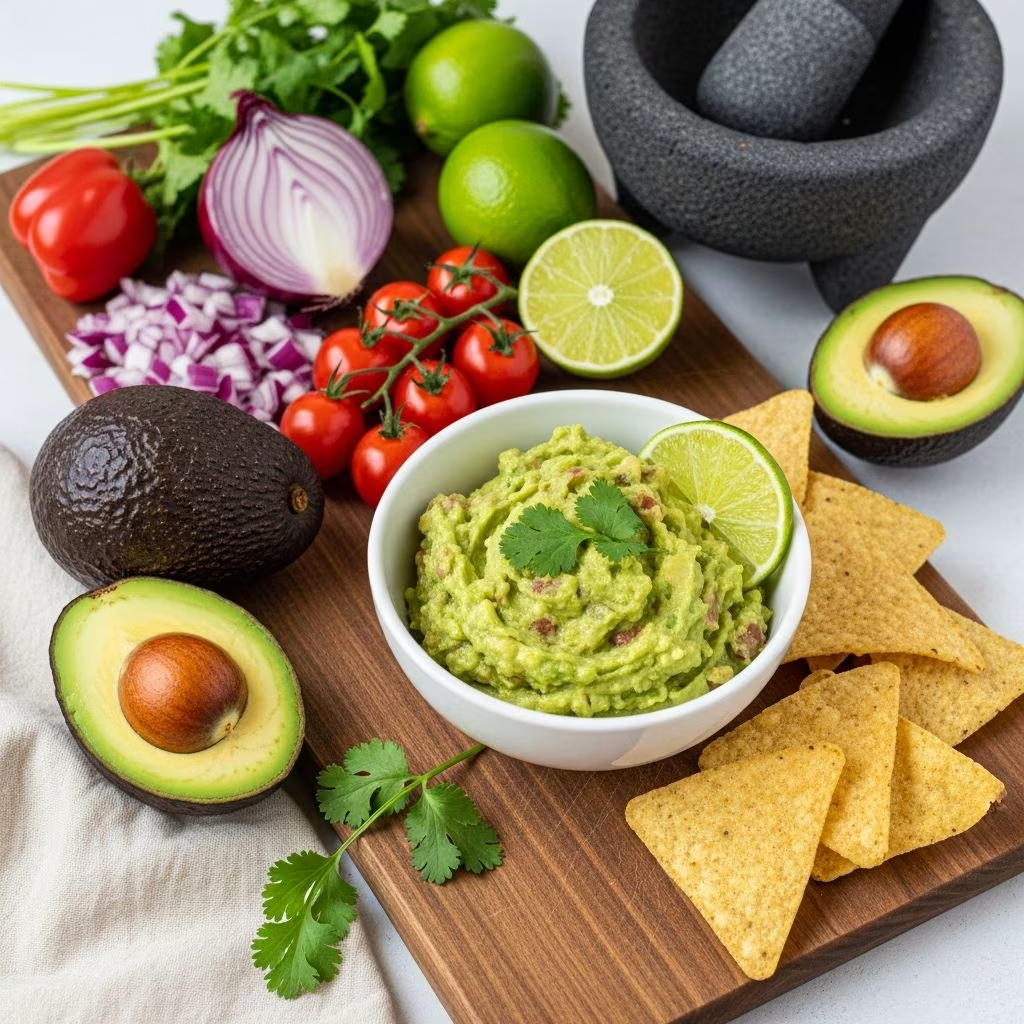
Guacamole represents one of the most celebrated contributions to global cuisine from Mexico, celebrated for its creamy texture, vibrant color, and fresh, uncomplicated flavor profile. This iconic appetizer transcends cultural boundaries, appearing on dining tables across the world, yet achieving authentic guacamole requires understanding the foundational principles of ingredient selection and preparation methodology. The beauty of this dish lies in its simplicity—requiring only a handful of carefully chosen components to create a dish that is simultaneously humble and sophisticated.
Understanding Your Core Ingredients
The foundation of exceptional guacamole begins with understanding each ingredient’s role and selecting premium versions of each component. Rather than viewing ingredients as interchangeable items, recognizing their individual characteristics ensures that every element contributes meaningfully to the final product.
Selecting Premium Avocados
Avocados function as the backbone of guacamole, comprising approximately 70-80% of the finished dish. The Hass avocado variety is universally preferred for this application due to its superior creamy texture, rich flavor, and ability to mash uniformly without becoming grainy. When selecting avocados, understanding ripeness indicators becomes essential—the fruit should yield slightly to gentle pressure without feeling mushy or overly soft. A perfectly ripe avocado will have dark, bumpy skin and should separate cleanly from its pit.
The timing of purchase requires strategic planning. Avocados continue ripening after harvest, allowing you to purchase firmer specimens several days before preparation if needed. Conversely, if avocados are already soft, prepare your guacamole immediately to maximize freshness. The pit, often discarded, actually serves a practical purpose—placing one or two pits in finished guacamole helps prevent browning by reducing oxygen exposure on the surface.
Fresh Lime Juice: Preventing Oxidation and Adding Brightness
Lime juice serves a dual purpose in guacamole preparation. Primarily, the citric acid slows enzymatic browning, preserving the vibrant green color that makes guacamole visually appealing. Secondarily, lime juice adds a bright, acidic component that balances the richness of avocado and enhances the perception of other fresh ingredients. Freshly squeezed lime juice delivers superior flavor compared to bottled alternatives, which often contain preservatives that alter taste. Apply lime juice immediately after mashing avocados if the dish will be consumed within minutes, but delay lime addition if guacamole will sit in refrigeration, as the acidic liquid rises to the surface when stored, creating an uneven appearance.
Aromatics: Onion Selection and Preparation
Onion provides sharp, pungent undertones that contrast with avocado’s buttery smoothness. Both white and red onion varieties work effectively, though red onions offer visual appeal through their deep coloring. Regardless of variety, onion must be minced finely—large chunks create unpleasant textural inconsistencies and deliver overwhelming flavor bursts. The finely diced onion distributes evenly throughout the guacamole, contributing subtle sharpness without dominating the palate. Approximately one-quarter of a medium onion suffices for a standard batch, with flexibility to adjust based on personal preference intensity.
Tomatoes: Choosing Varieties and Preparing Correctly
Roma tomatoes are traditionally preferred for guacamole preparation due to their lower water content compared to beefsteak varieties. Excess moisture from watery tomatoes dilutes guacamole’s texture and can cause separation during storage. Seeding tomatoes before dicing removes additional liquid, ensuring a firmer final consistency. The tomato should be diced into small, uniform pieces approximately one-quarter inch square, creating visual interest while maintaining structural integrity within the mixture.
Heat Elements: Pepper Varieties and Heat Intensity
Serrano and jalapeño peppers are the traditional choices for guacamole, each offering distinct heat characteristics. Serrano peppers deliver sharper, more intense heat, while jalapeños provide milder spiciness with more fruity undertones. Heat preference varies considerably—some prefer barely noticeable warmth while others desire pronounced peppery kick. Removing seeds and white ribs from peppers significantly reduces heat intensity, allowing customization based on audience preferences. Finely mincing the selected pepper ensures even heat distribution rather than creating occasional intense bursts.
Fresh Cilantro: Herb Complexity
Cilantro provides herbaceous freshness and aromatic complexity that elevates guacamole beyond a simple avocado mash. This fresh herb should comprise approximately one-quarter cup of chopped leaves (excluding stems, which carry undesirable bitter notes) for a standard batch. Some individuals experience a genetic variation affecting cilantro perception, experiencing a soap-like taste instead of the intended herbal notes. For these individuals, cilantro can be reduced or omitted entirely without compromising the dish’s fundamental appeal.
Preparation Techniques and Equipment Options
The method employed for combining and mashing ingredients significantly impacts the final texture and eating experience. Different techniques yield varying results, from chunky preparations to perfectly smooth finishes.
Traditional Molcajete Method
The molcajete, a Mexican mortar and pestle crafted from volcanic rock, represents the most authentic preparation method. This tool allows controlled mashing that develops flavor through gentle bruising rather than aggressive pulverization. When using a molcajete, begin by lightly pounding the harder ingredients first—starting with onion, then adding tomato and peppers, and concluding with the softer avocado flesh. This sequential addition allows flavors to meld gradually while the avocado maintains some textural integrity. The molcajete’s porous surface naturally seasons with use, imparting subtle flavor complexity to successive batches.
Fork Method for Standard Home Preparation
For most home cooks, a simple fork provides adequate mashing capability without requiring specialized equipment. Cut avocados in half, remove the pit, and scoop the flesh into a mixing bowl. Using the fork’s back or tines, gently press the avocado against the bowl’s bottom and sides, mashing to your desired consistency. This method offers excellent control—continuing to mash produces a smoother texture, while minimal mashing preserves pleasant chunky pieces. The key involves restraint; aggressive mashing creates an undesirable uniform paste rather than the texturally interesting final product that distinguishes exceptional guacamole.
What to Avoid: Blending and Over-Processing
Food processors and blenders should be completely avoided when preparing guacamole. These mechanical devices pulverize avocados into an unnaturally smooth paste while incorporating excessive air, which accelerates oxidation and browning. Additionally, the high-speed processing generates heat that can degrade the delicate fresh flavor of the ingredients. The resulting texture lacks the appealing contrast between creamy base and distinct ingredient pieces that defines authentic guacamole.
Step-by-Step Preparation Process
Following a logical sequence ensures optimal flavor development and texture achievement.
- Prepare the avocado base: Cut ripe avocados in half lengthwise, rotating the halves to separate them. Using a sharp knife, carefully strike the pit, then twist and remove it. Using a spoon, scoop the flesh into your mixing bowl. Mash to your preferred consistency using either a fork or molcajete.
- Add lime juice strategically: If serving immediately, add fresh lime juice now and mix gently. If storing before serving, defer lime juice addition until just before service.
- Incorporate aromatics and heat: Add your finely minced onion, diced peppers, and minced cilantro to the mashed avocado base. Use a gentle folding motion rather than aggressive stirring to preserve the chunky texture.
- Add tomato last: The final ingredient should be diced tomato, added immediately before serving. Adding tomato early allows its moisture to seep into the guacamole, compromising texture and causing the mixture to become watery.
- Season and taste: Add salt to taste, starting conservatively as it’s easier to add more than remove excess. Mix gently, then taste and adjust seasoning or ingredient proportions as desired.
Storage and Preservation Strategies
Guacamole’s tendency to brown quickly creates storage challenges. To maximize freshness and maintain its appealing green color:
- Store in an airtight container to minimize air exposure
- Place one or two avocado pits directly on the surface of the guacamole
- Cover the surface with plastic wrap pressed directly against the guacamole
- Apply a thin layer of lime juice across the entire surface
- Store in the coldest part of your refrigerator
Properly stored guacamole maintains optimal quality for approximately two days. Beyond this timeframe, flavor degradation and browning become noticeable, though the dish remains safe for consumption.
Texture Variations and Personal Preferences
| Texture Preference | Mashing Duration | Final Appearance | Best For |
|---|---|---|---|
| Chunky/Rustic | Minimal (30 seconds) | Visible avocado pieces with creamy base | Sophisticated presentations, texture lovers |
| Medium Consistency | Moderate (1-2 minutes) | Mostly smooth with subtle lumps | Most home preparations, versatile applications |
| Smooth/Velvety | Extended (3-5 minutes) | Nearly uniform texture without visible pieces | Use in other dishes, topping applications |
Complementary Accompaniments and Service
Guacamole reaches its full potential when paired with appropriate serving options. Warm, crispy tortilla chips represent the traditional accompaniment, their saltiness and crunch providing textural contrast to guacamole’s creamy smoothness. For homemade tortilla chips, slice corn tortillas into triangles and shallow-fry in oil at medium-high heat until golden and crisp, then drain on paper towels.
Beyond chips, guacamole serves admirably as a topping for various Mexican-inspired dishes—taco fillings, burrito accompaniments, or nachos. The fresh flavor profile also complements grilled vegetables, seafood preparations, or quality cured meats when entertaining.
Flavor Enhancement and Advanced Techniques
While traditional guacamole requires minimal ingredients, some preparations incorporate additional components to expand flavor dimensions. Minced garlic adds aromatic depth and subtle pungency, though garlic should be used sparingly to avoid overwhelming the fresh vegetable flavors. Some practitioners add a small amount of finely minced jalapeño seeds for enhanced heat, or incorporate a touch of ground cumin for earthy warmth.
Salt represents the most important seasoning, as it amplifies perception of other flavors while preventing the guacamole from tasting flat or one-dimensional. Kosher salt or sea salt work equally well, allowing you to season gradually and achieve perfect balance.
Frequently Asked Questions
How do I know when avocados are perfectly ripe?
Ripe avocados yield gently to finger pressure but resist significant force. The skin should be very dark, almost black, with a pebbly texture. If avocados feel hard, they require 2-3 additional days of ripening at room temperature.
Can I make guacamole in advance?
Guacamole is best served immediately after preparation. However, using the preservation techniques described (pits, plastic wrap, lime juice, cold storage) allows you to prepare it several hours ahead, though quality begins declining after 2-3 hours.
Why does my guacamole turn brown?
Browning results from enzymatic oxidation when avocado flesh is exposed to air. Minimize browning by adding lime juice immediately, reducing air exposure through proper storage methods, and consuming within 2 days.
What can I do if my guacamole is too spicy?
If peppers created excessive heat, mash additional avocado to dilute the spiciness. For future batches, use milder peppers, remove the internal ribs and seeds where capsaicin concentrates, or reduce the quantity used.
Is garlic traditional in guacamole?
While some modern recipes include minced garlic, traditional authentic guacamole typically omits it. Garlic can overpower the fresh, delicate flavors that define the dish, though small quantities appeal to some palates.
Conclusion: Mastering the Basics
Creating exceptional guacamole requires no advanced culinary training or expensive equipment—only quality ingredient selection, understanding preparation principles, and respecting the simplicity that makes this dish transcendent. By focusing on ripe avocados, fresh supporting ingredients, and appropriate preparation techniques, anyone can produce guacamole that rivals restaurant quality. The key involves avoiding common pitfalls like over-processing, premature ingredient addition, or excessive additions that obscure the avocado’s natural excellence. With these fundamentals firmly established, you’re equipped to prepare guacamole that delights family and guests alike.
References
- Hass Avocado Board — Hass Avocado Board. Accessed April 2026. https://www.hassavocadoboard.com
- Food Science Principles: Enzymatic Browning — University of Nebraska-Lincoln Food Science Department. 2023. https://food.unl.edu
- Capsaicin Content in Chili Peppers — Journal of Agricultural and Food Chemistry, American Chemical Society. 2022. https://pubs.acs.org/journal/jafcau
- Traditional Mexican Cooking Methods — Smithsonian National Museum of the American Indian. 2024. https://americanindian.si.edu
- Flavor Development in Fresh Foods — International Journal of Gastronomy and Food Science. 2024. https://www.journals.elsevier.com/international-journal-of-gastronomy-and-food-science