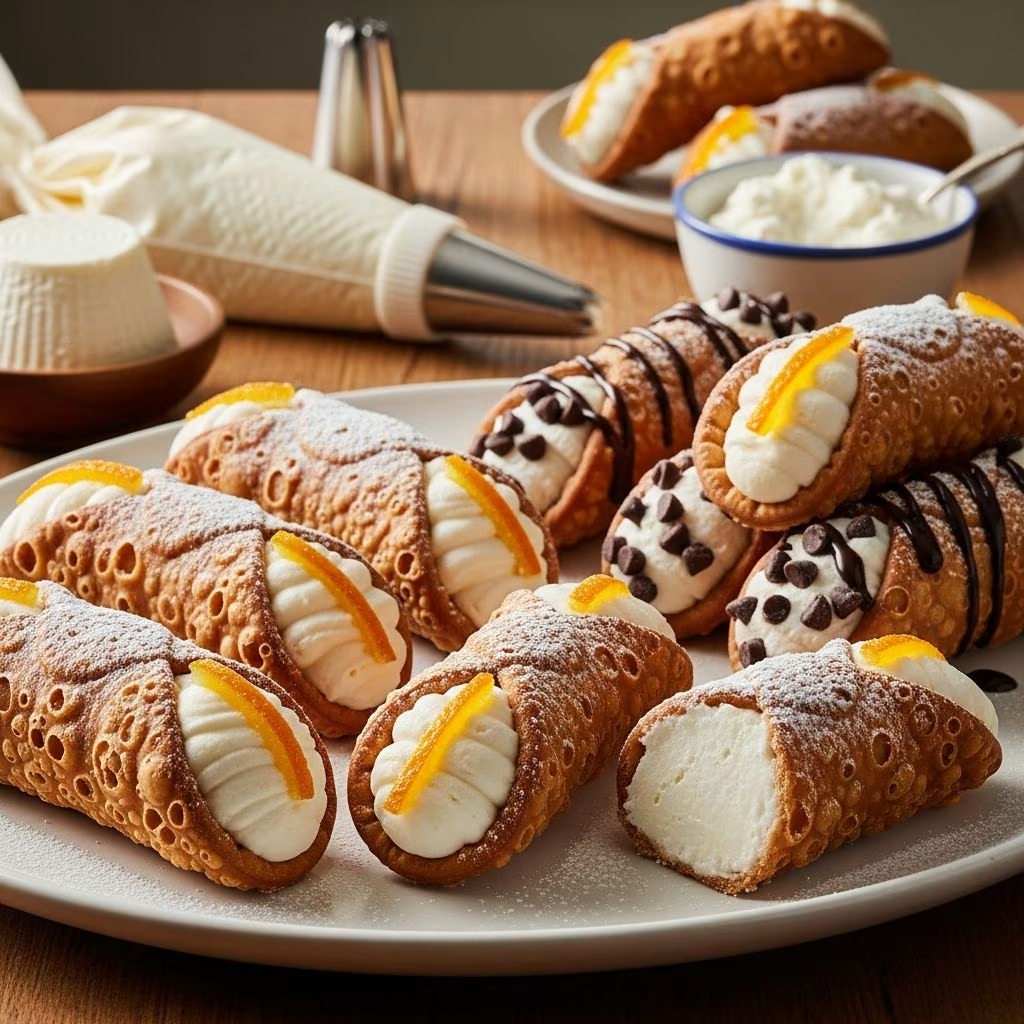
Indulge in the timeless allure of cannoli, the iconic Italian pastry renowned for its delicate, crunchy shell enveloping a velvety ricotta cream. Originating from Sicily, these tube-shaped delights have captivated palates worldwide with their perfect balance of crisp texture and sweet, creamy indulgence. Whether you’re a novice baker or a seasoned enthusiast, this comprehensive guide equips you with everything needed to create professional-grade cannoli in your own kitchen. We’ll explore traditional methods, essential ingredients, foolproof techniques, and inventive flavor profiles to elevate your dessert game.
Understanding Cannoli: History and Appeal
Cannoli trace their roots to Sicilian convents and festivals, where nuns crafted these pastries for special occasions. The name ‘cannoli’ derives from ‘canna,’ referring to the reed tubes originally used to shape the shells. Today, they symbolize celebration, often featured at weddings, holidays, and gatherings. Their appeal lies in the contrast: a shatteringly crisp exterior made from fried dough, filled moments before serving with a sweetened ricotta mixture studded with chocolate or nuts. This guide draws from time-tested recipes to ensure your cannoli deliver that authentic crunch and creaminess.
Essential Ingredients for Authentic Cannoli
Great cannoli start with high-quality components. For the shells, all-purpose flour forms the base, providing structure without heaviness. Granulated sugar and a touch of cinnamon add subtle sweetness and warmth. Cold unsalted butter creates flakiness, while Marsala wine (or substitutes like white grape juice) ensures tenderness and elasticity in the dough. Eggs bind everything together.
The filling hinges on whole-milk ricotta, drained meticulously to achieve thickness. Powdered sugar sweetens smoothly, and add-ins like mini chocolate chips, orange zest, or pistachios provide bursts of flavor and texture. Neutral oils with high smoke points, such as vegetable or peanut oil, are ideal for frying to maintain clarity and crispness.
Shell Ingredients Breakdown
- Flour (1.5-2 cups): All-purpose for optimal gluten development.
- Sugar (2 tbsp): Granulated for balanced sweetness.
- Cinnamon (½ tsp): Ground for aromatic depth.
- Butter (2-3 tbsp): Cold cubes for tenderness.
- Marsala wine (3-½ cup): Cold for dough cohesion; non-alcoholic options work well.
- Eggs: One whole plus white for sealing.
Filling Ingredients Breakdown
- Ricotta (¾-32 oz): Whole milk, drained 24 hours.
- Powdered sugar (¼-1 cup): For silky sweetness.
- Chocolate chips (⅓ cup): Mini for even distribution.
- Vanilla/Cinnamon (to taste): For enhancement.
Step-by-Step: Crafting Perfect Shells
Begin with dough preparation. Pulse flour, sugar, cinnamon, salt, and cold butter in a food processor until pebbly. Add egg and cold Marsala, processing until it clumps. Knead on a floured surface for 3-4 minutes until smooth. Wrap and chill for 1 hour to relax gluten.
Roll dough thinly (1/16-inch) using a pasta machine or rolling pin. Cut 3-4 inch circles. Wrap around metal cannoli tubes, sealing with egg white. Fry in 350°F oil for 1-2 minutes per side until golden. Drain on paper towels and cool before removing tubes. This yields 18-20 crisp shells.
Pro Tips for Flawless Shells
- Chill dough and tools to prevent sticking.
- Fry at precise temperature to avoid sogginess.
- Fill just before serving to maintain crunch.
Mastering the Ricotta Filling
Drain ricotta overnight in cheesecloth over a bowl for 24 hours, pressing gently. This removes excess whey, preventing a watery filling. Fold in powdered sugar until smooth, then incorporate zest, vanilla, cinnamon, and chips. Whip lightly for aeration without overmixing. Pipe into shells using a pastry bag for even distribution. Garnish ends with chips, pistachios, or candied orange.
Flavor Innovations: Beyond Tradition
While classic cannoli shine, experimentation adds excitement. Try chocolate-hazelnut by blending Nutella into the ricotta. Matcha green tea offers an earthy twist with powdered matcha and white chocolate. Tiramisu-inspired versions mix mascarpone, espresso, and cocoa, topped with shavings. Blood-orange cannoli infuse citrus zest and juice for vibrancy. These variations maintain the shell’s integrity while dazzling taste buds.
Popular Cannoli Variations Table
| Variation | Key Ingredients | Unique Twist |
|---|---|---|
| Chocolate Hazelnut | Nutella, hazelnuts | Rich, nutty indulgence |
| Matcha Green Tea | Matcha powder, white chocolate | Earthy, antioxidant boost |
| Tiramisu | Mascarpone, espresso, cocoa | Coffee-infused creaminess |
| Blood Orange | Orange zest/juice, candied peel | Citrus brightness |
| Pistachio | Chopped pistachios, almond extract | Nutty crunch |
Cannoli-Inspired Desserts for Every Occasion
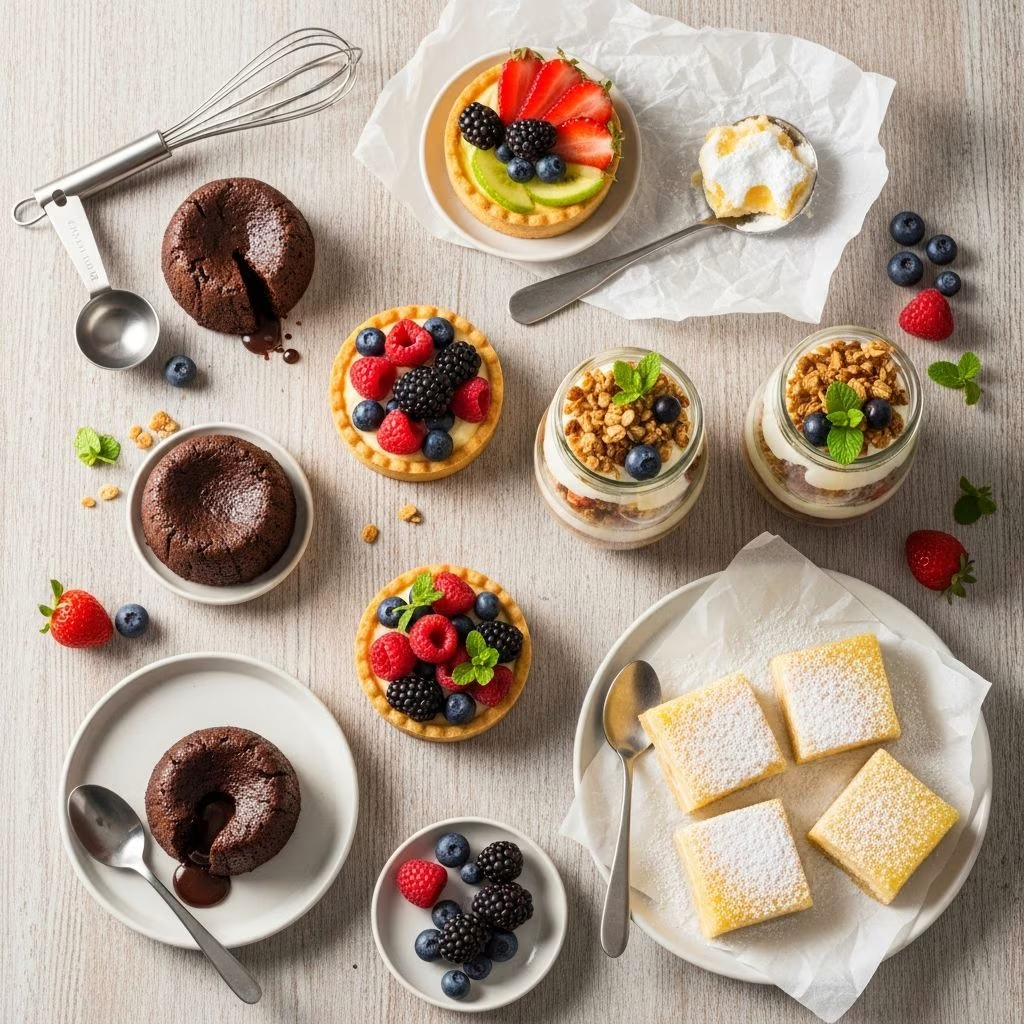
Extend cannoli magic to cakes, cookies, dips, and truffles. Cannoli cake layers ricotta filling between shell-like crisps. Dip combines whipped ricotta with wafers for easy serving. Cookies mimic the filling in soft dough studded with chips. Truffles roll the cream into chocolate shells. These no-fry options suit beginners or crowds.
Common Mistakes and How to Avoid Them
- Soggy shells: Drain ricotta thoroughly and fill last-minute.
- Tough dough: Don’t overknead; use cold ingredients.
- Runny filling: Skip low-fat ricotta; strain longer.
- Oil splatter: Dry shells completely before frying.
Storage and Make-Ahead Strategies
Store unfilled shells in airtight containers for up to a week. Freeze dough for 3 months. Prepare filling a day ahead, storing refrigerated. Assemble fresh for peak texture. Filled cannoli last 1-2 days chilled but soften over time.
Frequently Asked Questions (FAQs)
What if I can’t find Marsala wine?
Substitute white grape juice, apple cider vinegar diluted with water, or vodka for similar tenderness without alcohol.
Can cannoli be baked instead of fried?
Baking yields a cookie-like result but lacks traditional crispness; brush with oil and bake at 400°F for 10-12 minutes.
Is gluten-free possible?
Yes, use 1:1 gluten-free flour blend; add xanthan gum if needed for structure.
How do I prevent leaks while frying?
Seal edges tightly with egg white and ensure tubes are well-greased.
Best oil for frying?
Peanut, canola, or vegetable oil for high smoke points and neutral flavor.
Nutritional Snapshot
Per cannoli (approximate): 150-200 calories, rich in calcium from ricotta, moderate carbs from dough. Enjoy in moderation as a treat.
References
- The Easiest Homemade Cannoli Recipe (Video!) — The Crumby Kitchen. 2023. https://thecrumbykitchen.com/homemade-cannoli-recipe/
- Get Creative: 6 Unique Cannoli Dessert Ideas for Chefs to Try — Paris Gourmet. 2023. https://www.parisgourmet.com/blog/cannoli-dessert-ideas
- Best Homemade Cannoli (Step-by-Step Guide) — Preppy Kitchen. 2023. https://preppykitchen.com/cannoli/
- Homemade Cannoli Recipe — Barley & Sage. 2023. https://www.barleyandsage.com/homemade-cannoli/
- Crispy Blood-Orange Cannoli Recipe — Gusto TV (YouTube). 2023. https://www.youtube.com/watch?v=EZidenuQLyM