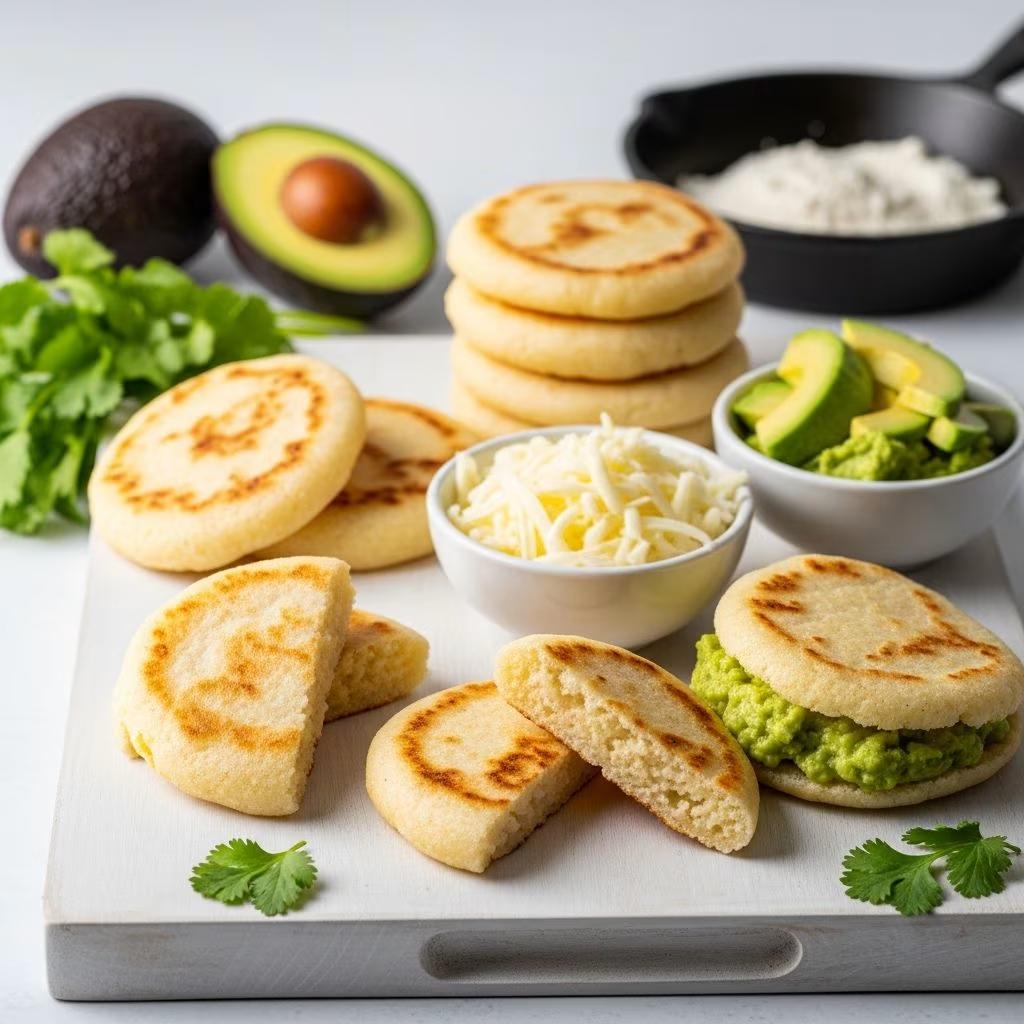
Homemade arepas are versatile corn-based patties that form the backbone of many Latin American meals, offering a crispy exterior and soft, steamy interior perfect for stuffing with endless fillings. These gluten-free delights require minimal ingredients and come together quickly, making them ideal for any meal of the day.
The Rich Heritage of Arepas in Latin American Cuisine
Arepas trace their roots to the indigenous peoples of what is now Colombia and Venezuela, where they were originally made from ground corn and cooked over open fires. Over centuries, this staple evolved with Spanish and African influences, incorporating new flours and fillings while retaining its status as everyday comfort food. Today, arepas symbolize home and hospitality across these regions, enjoyed plain, stuffed, or alongside proteins and salads.
In modern kitchens worldwide, arepas have gained popularity for their simplicity and adaptability. They serve as a neutral base that pairs with savory, sweet, or spicy elements, appealing to diverse palates including vegans and those avoiding gluten. Their preparation highlights the beauty of basic ingredients transformed through technique.
Essential Ingredients for Authentic Arepas
The beauty of arepas lies in their short ingredient list, typically featuring just three core components: precooked corn flour, water, and salt. This minimalist approach yields maximum flavor when executed properly.
- Precooked Corn Flour (Masarepa or Areparina): Not to be confused with regular cornmeal or masa harina, this specially treated flour is key for the right texture. Brands like PAN or Goya offer white or yellow varieties; a mix of both adds visual appeal.
- Warm Water: Lukewarm water hydrates the flour evenly, creating a pliable dough. Amounts vary slightly by recipe, often around 2 cups per 2 cups of flour.
- Salt: A teaspoon enhances natural corn flavors without overpowering.
- Oil or Butter for Cooking: Neutral oils like avocado or coconut prevent sticking and promote browning; vegan butter works for richer taste.
Variations might include cheese for arepas con queso, where shredded varieties are kneaded into the dough for melty pockets.
Step-by-Step Instructions for Flawless Arepas
Preparing arepas is straightforward, taking about 30 minutes total. Follow these steps for consistent results.
- Prepare the Dough: In a large bowl, dissolve salt in warm water. Gradually incorporate corn flour, stirring with hands or a whisk until a soft, moldable dough forms that doesn’t stick to fingers. Knead briefly, then cover and rest for 5 minutes to hydrate fully.
- Shape the Patties: Divide dough into 6-8 portions. Roll each into a ball, then flatten into 1/2-inch thick discs, about 4 inches wide. Wet hands prevent sticking; smooth edges to avoid cracks. If edges split, add a splash more water.
- Cook on the Stovetop: Heat a cast-iron skillet or griddle over medium-high with oil. Fry arepas 4-5 minutes per side until deeply golden and crisp, with slight charring acceptable for flavor.
- Finish in the Oven (Optional): For thicker centers, bake at 350-410°F for 10 minutes post-frying. They should puff slightly and sound hollow when tapped.
| Step | Time | Tip |
|---|---|---|
| Dough Mixing | 5 min | Use warm water for smooth integration. |
| Shaping | 5 min | Damp hands yield even discs. |
| Frying | 10 min | Medium-high heat for crust. |
| Baking | 10 min | Ensures steamy interior. |
Mastering Common Techniques and Troubleshooting
Achieving the ideal balance of crunch outside and tenderness inside requires attention to detail. If dough is crumbly, incorporate more water incrementally. Too sticky? Sprinkle in extra flour. Cooking too fast leads to burnt outsides and raw centers—maintain medium heat and flip only once browned.
For cheese-stuffed versions, enclose fillings during shaping to prevent leaks. Non-stick pans work for oil-free cooking, though a light coat enhances crispiness. Experiment with patty thickness: thinner for crackers, thicker for sandwiches.
Irresistible Fillings to Elevate Your Arepas
Arepas shine when split and stuffed, turning them into handheld meals. Classic options draw from regional traditions.
- Reina Pepiada: Shredded chicken, avocado, and mayo for creamy contrast.
- Black Beans and Cheese: Vegan-friendly with refried beans and plant-based cheese.
- Chorizo and Plantains: Spicy sausage with sweet fried plantains.
- Sweet Corn and Mozzarella: Fresh kernels mixed with melted cheese.
- Breakfast Style: Eggs, avocado, and salsa for morning fuel.
Serve warm to allow steam to soften fillings. Pair with guasacaca (avocado-cilantro sauce) for authentic flair.
Creative Variations for Every Diet and Occasion
Adapt arepas endlessly. For gluten-free sweet arepas, add sugar and cinnamon to the dough, topping with fruit and honey. Vegan versions use aquafaba instead of eggs in fillings.
Colombian Cheese Arepas: Knead in Jarlsberg or mozzarella before shaping for gooey bites. Sweet Potato Arepas: Mash boiled sweet potato into dough for nutty color and moisture. Grill for smoky notes or air-fry for healthier crisping.
Scale for crowds: Double batches freeze well, thawing and reheating directly from frozen.
Nutrition Profile and Health Benefits
Arepas are naturally gluten-free, vegan (base recipe), and nutrient-dense from corn’s fiber, B vitamins, and antioxidants. A standard arepa (2 cups flour yield) provides about 150-200 calories, mostly complex carbs for sustained energy. Fillings can boost protein and veggies.
| Nutrient (per arepa) | Amount | % Daily Value |
|---|---|---|
| Calories | 180 | 9% |
| Carbs | 38g | 14% |
| Fiber | 3g | 11% |
| Protein | 4g | 8% |
Storage, Freezing, and Reheating Tips
Fresh arepas last 2 days at room temp or 5 in the fridge. Freeze uncooked discs between parchment for up to 3 months. Reheat fried arepas in a 350°F oven for 5-10 minutes to restore crispness. Avoid microwaving to prevent sogginess.
Frequently Asked Questions (FAQs)
What is the difference between masarepa and cornmeal?
Masarepa is precooked and finely ground corn treated with lime, yielding softer dough; regular cornmeal is raw and gritty.
Can I make arepas without an oven?
Yes, stovetop frying alone works, though oven finishing ensures even cooking for thicker patties.
Are arepas vegan?
The base is; opt for plant oils and vegan fillings.
How do I prevent cracks in arepas?
Rest dough adequately and use moist hands; add water if needed.
What can I stuff arepas with for breakfast?
Scrambled eggs, cheese, bacon, or avocado and tomato.
This guide equips you to create restaurant-quality arepas at home, fostering culinary confidence and cultural appreciation.
References
- Venezuelan Arepas – Healthier Steps — Healthier Steps. 2023-05-15. https://healthiersteps.com/venezuelan-arepas/
- How to Make Arepas (3 Ingredients!) – Minimalist Baker — Minimalist Baker. 2022-08-10. https://minimalistbaker.com/how-to-make-arepas/
- How to Make Venezuelan Arepas – Familia Kitchen — Familia Kitchen. 2024-01-22. https://familiakitchen.com/how-to-make-arepas/
- Arepas – A Beautiful Mess — A Beautiful Mess. 2023-11-05. https://abeautifulmess.com/arepas/
- How to Make Arepas | Easy and Only Three Ingredients! – YouTube — Preppy Kitchen. 2023-07-12. https://www.youtube.com/watch?v=M1onLM4nJSg
- Authentic Colombian Cheese Arepas recipe — Immigrant’s Table. 2022-09-18. https://immigrantstable.com/authentic-colombian-cheese-arepas/