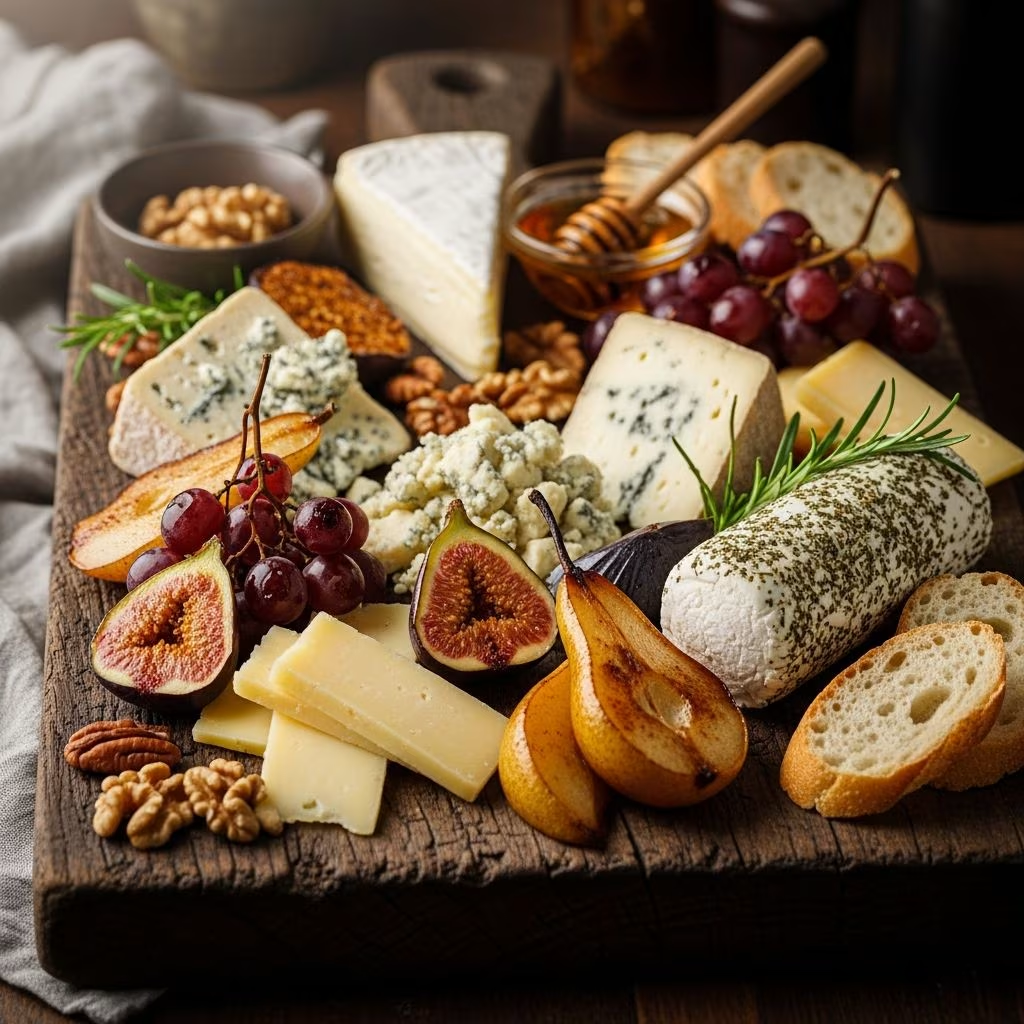
When it comes to entertaining guests or creating an impressive spread for any occasion, few options rival the sophistication and versatility of a well-constructed cheese and fruit board. The combination of carefully selected cheeses, roasted fruits that concentrate natural sweetness, and aromatic nuts creates a sensory experience that appeals to diverse palates. This guide walks you through every step of crafting a board that looks as stunning as it tastes.
Understanding the Foundation: Why Roasted Fruits Elevate Your Presentation
Traditional fruit and cheese boards often feature raw fruit, which certainly has its place. However, introducing roasted fruits takes your board to an entirely different level. When fruits are roasted, their natural sugars caramelize and intensify, creating deeper, more complex flavors that pair exceptionally well with various cheese profiles. The heat also softens the fruit’s structure, making each bite more tender and juicy than its raw counterpart.
Roasting also extends the visual appeal of your board. Caramelized fruits develop rich, burnished exteriors that create striking color contrasts against soft cheeses and golden nuts. The process transforms ordinary ingredients into something that appears professionally prepared, even if you’ve created it in your own kitchen.
Selecting the Perfect Cheese Foundation
The cheese selection forms the backbone of your board and should offer variety in texture, intensity, and origin. Consider including at least four different types to provide an interesting range for your guests.
- Soft and Creamy: Choose options like fresh goat cheese, ricotta, or triple-cream brie. These cheeses provide a neutral canvas that allows roasted fruit flavors to shine. Their smooth texture contrasts beautifully with crispy nuts and caramelized fruit edges.
- Semi-Firm: Aged cheddar, manchego, or gruyère offer more assertive flavors and interesting crystalline textures. These cheeses stand up well to the intensity of roasted fruits and herb-infused nuts.
- Blue or Veined: Including a crumbly blue cheese or gorgonzola adds a bold, peppery element. The sharp notes complement the sweetness of roasted fruit perfectly.
- Specialty or Unique: Feature a washed-rind cheese, smoked variety, or something with added herbs or fruit for visual interest and conversation-starting flavors.
As a general guideline, plan for 1.5 to 2 ounces of cheese per person. Slice some cheeses into uniform pieces, cut others into rustic chunks, and leave a few wedges whole to create visual variety and dimension on your board.
The Art of Roasting Strawberries and Figs
Strawberries and figs are particularly transformative when roasted, as their natural sugars concentrate and their flavors become more pronounced. To prepare roasted strawberries, wash and hull fresh berries, then halve them lengthwise. Toss lightly with a touch of honey or maple syrup and arrange cut-side up on a baking sheet. Roast at 375°F for approximately 12-15 minutes until the edges begin to caramelize and the berries release their juices.
Fresh figs benefit from a similar approach. Cut them in half almost completely through, leaving the two halves still attached at the stem. This creates an attractive presentation while allowing heat to penetrate the fruit’s interior. Drizzle with honey before roasting, which will pool in the fruit’s center and create a beautiful glaze. Roast for about 15 minutes until the fig flesh softens and juices begin to emerge.
Both fruits can be roasted ahead of time and served at room temperature, making them convenient for advance preparation. The roasted fruits can be stored in an airtight container for up to two days before your event.
Creating Savory, Aromatic Nuts
Nuts serve multiple purposes on a cheese board: they provide textural contrast, add nutritional value, and offer savory elements that balance sweet roasted fruits and creamy cheeses. Rather than using plain roasted nuts, elevating them with garlic and herbs transforms them into a sophisticated component worthy of your board’s overall presentation.
To prepare garlic and herb nuts, combine raw or lightly roasted nuts with minced fresh garlic, rosemary, thyme, and a pinch of salt. Toss everything together with a light coating of olive oil. Spread on a baking sheet and roast at 350°F for 8-10 minutes, stirring occasionally, until the nuts are fragrant and the garlic becomes light golden. Be careful not to over-roast, as the nuts can quickly transition from perfectly toasted to burnt.
Excellent nut choices include marcona almonds for their buttery flavor, macadamia nuts for richness, pistachios for color and earthiness, and walnuts or pecans for traditional appeal. Having 2-3 ounce per person ensures your guests have plenty to enjoy without overwhelming the board.
Honey and Citrus: The Perfect Finishing Touches
Honey serves as both a practical and aesthetic element on your cheese board. Placing a small bowl of high-quality honey allows guests to drizzle it over cheese and nuts, creating their own flavor combinations. The honey also contributes visual warmth to your spread with its golden color.
Orange-roasted figs represent an elegant citrus variation worth considering. Zest a fresh orange and combine the zest with honey before drizzling over halved figs. The citrus oil complements the fruit’s natural sweetness while adding brightness and complexity. During roasting, the orange zest caramelizes alongside the figs, creating subtle flavor depth.
Beyond honey, consider including a small vessel of fig jam or orange marmalade. These preserve options add visual interest and provide additional flavor dimensions for cheese pairing.
Assembly and Arrangement Strategy
Begin your assembly with a clean, dry board or platter. Larger boards accommodate more varied ingredients and create a more impressive presentation. Wood, marble, ceramic, and slate all work beautifully, with larger surfaces (at least 18-24 inches) being ideal for adequate ingredient spacing.
Follow this arrangement sequence:
- Position cheese pieces first, arranging them in clusters rather than scattering individual pieces randomly. Create visual interest by including some sliced wedges, some cubed portions, and some larger intact pieces.
- Add your roasted fruits in groupings, creating color blocks rather than intermixing. A cluster of caramelized strawberries reads more impactfully than the same strawberries scattered throughout.
- Place small bowls containing honey, nuts, and any complementary elements like olives or pickles strategically around the board, ideally in a triangular pattern for visual balance.
- Fill remaining gaps with additional nuts, fresh herbs like mint or basil, or smaller berries that weren’t roasted.
- Include crackers and bread arranged in a casual but organized manner, perhaps in bundles or stacks.
Practical Considerations for Success
Timing matters significantly when preparing a cheese board for entertaining. Remove cheeses from refrigeration 30-45 minutes before serving to allow them to reach their optimal flavor and texture. Cold cheese tastes muted and lacks the creaminess that makes it appealing. Roasted fruits and nuts can be prepared several hours ahead, allowing you to focus on final assembly closer to your event start time.
Consider your guests’ dietary preferences and restrictions. If vegetarian guests will be attending, ensure your cheeses are labeled accordingly. Include nut-free alternatives for those with allergies, and have gluten-free crackers available if needed.
Presentation technique impacts perceived quality. Slice hard cheeses with a sharp knife for clean edges, arrange items deliberately rather than haphazardly, and maintain clean sightlines so individual elements remain distinguishable. Small serving utensils for cheese and spreads prevent cross-contamination and maintain hygiene.
Seasonal Variation and Adaptation
While the core concept remains consistent year-round, seasonal adaptations keep your boards fresh and exciting. Spring boards might feature asparagus, peas, and strawberries. Summer boards can incorporate stone fruits like peaches and nectarines alongside traditional berries. Fall brings the opportunity to feature pears, grapes, and roasted nuts. Winter boards work beautifully with dried fruits, pomegranate seeds, and nuts in prominent roles.
Frequently Asked Questions
- How far in advance can I prepare a cheese board?
- You can prepare components several hours ahead. Roast fruits and nuts that morning, arrange the board 1-2 hours before serving, and remove cheeses from refrigeration 30-45 minutes before guests arrive.
- What’s the ideal board size for different group sizes?
- For 4-6 people, an 18-inch board works well. For 8-12 people, opt for a 24-30 inch board. Cramped boards look unappealing, while larger boards accommodate ingredients more attractively.
- Can I use frozen berries for roasting?
- Frozen berries work in a pinch but contain more moisture than fresh fruit. Thaw them completely and pat dry with paper towels before roasting to achieve proper caramelization.
- How do I prevent cheese from drying out during the event?
- Keep unused portions covered with plastic wrap until serving. If your event spans several hours, have a backup portion of soft cheeses refrigerated to replace any that dry out.
- What beverages pair well with a cheese and roasted fruit board?
- Wine works beautifully, particularly crisp whites, light reds, or rosés. Sparkling beverages, craft beers, ciders, and non-alcoholic options like sparkling water with fruit also complement the board’s flavors.
Nutritional Benefits Beyond Appearance
Beyond their aesthetic appeal, the components of a thoughtfully assembled cheese board offer genuine nutritional value. Roasted fruits retain their fiber content and provide natural antioxidants. Cheeses contribute protein and calcium for bone health. Nuts deliver healthy fats, minerals, and additional protein. The combination creates a satisfying spread that nourishes as it delights.
Creating Memorable Entertaining Moments
A well-executed cheese board transcends mere food service—it becomes a centerpiece that facilitates conversation and connection. Guests naturally gather around it, selecting combinations that appeal to their palates and experimenting with different flavor pairings. The activity of choosing and assembling bites becomes part of the entertaining experience itself.
By mastering the fundamentals of cheese selection, fruit roasting, nut preparation, and thoughtful arrangement, you create an offering that appears effortlessly elegant while reflecting genuine care in its construction. Whether you’re hosting an intimate gathering or a larger celebration, a stunning artisan cheese board with roasted fruits and aromatic nuts leaves a lasting impression that far exceeds the time invested in its creation.
References
- Roasted Figs with Honey — Heart and Stroke Foundation of Canada. https://www.heartandstroke.ca/healthy-living/recipes/appetizers/roasted-figs-with-honey
- How to Make a Fresh Fruit Board — Fork in the Kitchen. https://www.forkinthekitchen.com/fruit-charcuterie-board/
- Easy Summer Fruit and Cheese Platter — Simply Delicious Food. https://simply-delicious-food.com/easy-summer-fruit-and-cheese-platter/