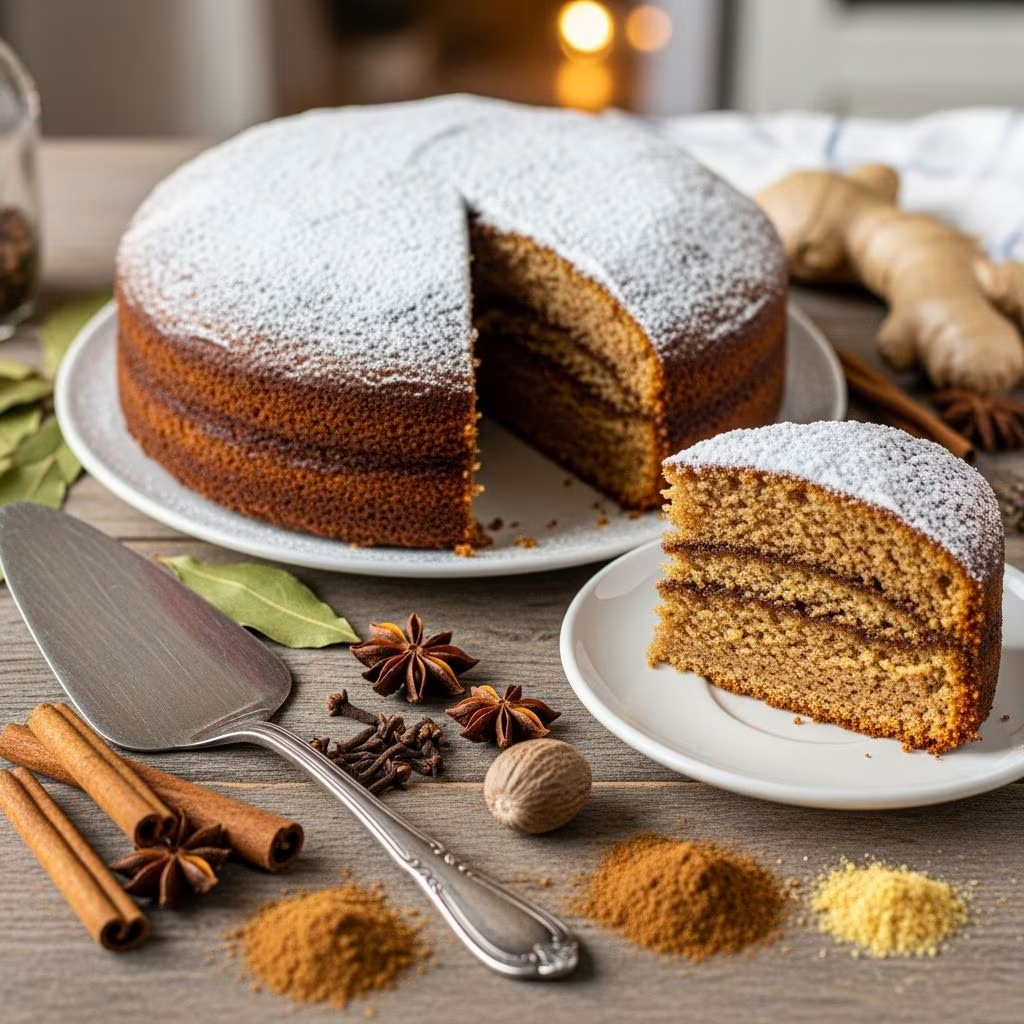
Creating a spice cake that remains moist and tender requires understanding the interplay between ingredients, mixing techniques, and baking fundamentals. Unlike standard vanilla or chocolate cakes, spice cakes benefit from specific moisture-retaining ingredients and careful attention to texture development. This comprehensive guide explores everything you need to know to produce a bakery-quality spice cake at home.
Understanding the Foundation: What Makes Spice Cake Special
Spice cakes occupy a unique category in the dessert world, distinguished by their warm flavor profile and the technical requirements needed to achieve optimal texture. The inclusion of multiple dry spices—cinnamon, ginger, nutmeg, and cloves—creates a complex flavor foundation that pairs exceptionally well with ingredients designed to enhance moisture retention.
The distinctive character of spice cake comes from balancing bold spice flavors with a soft, yielding crumb structure. This balance separates amateur attempts from truly exceptional homemade versions. The cake should feel substantial yet delicate, with enough moisture to remain tender after cooling while maintaining structural integrity for frosting and serving.
Critical Ingredients for Maximum Moisture
Achieving exceptional moisture levels begins with ingredient selection. Traditional spice cakes rely on specific components that work synergistically to prevent dryness:
- Oil over butter: Vegetable or neutral oils create a more tender crumb than butter alone, as oil disperses evenly throughout the batter without creating solid fat pockets.
- Applesauce: This ingredient provides natural moisture and sweetness while reducing the need for additional sugar, creating a denser, more satisfying texture.
- Buttermilk or sour cream: Acidic dairy products tenderize the cake through chemical reactions with baking soda, while adding moisture and subtle tang that complements warm spices.
- Brown sugar: The molasses content in brown sugar adds hygroscopic properties, meaning it naturally absorbs and retains moisture from the environment, keeping the cake fresh longer.
- Eggs: Beyond binding, eggs contribute moisture and emulsifying properties that create a tender, cohesive crumb.
Spice Blending and Flavor Development
The spice combination forms the backbone of this dessert’s identity. Different recipes emphasize varying ratios, but core spices remain consistent:
| Spice | Typical Amount (per cake) | Flavor Profile | Contribution |
|---|---|---|---|
| Ground Cinnamon | 1-1.5 teaspoons | Warm, sweet, slightly woody | Primary warm note; most recognizable flavor |
| Ground Ginger | 0.5-1 teaspoon | Peppery, slightly citrus, warming | Depth and complexity; subtle heat |
| Ground Nutmeg | 0.5 teaspoon | Warm, slightly sweet, earthy | Rounds out spice profile; prevents one-note flavor |
| Ground Cloves | 0.25-0.5 teaspoon | Bold, peppery, aromatic | Creates complexity; must be used judiciously |
Toasting whole spices before grinding yields more vibrant flavor, though pre-ground spices work effectively when fresh. The quality of your spices directly impacts the final taste, as old or improperly stored spices lose aromatic potency.
Dry Ingredients and Leavening Science
The foundation of any successful cake begins with properly measured and combined dry ingredients. This stage determines texture more than many bakers realize:
Flour selection matters: All-purpose flour provides the standard structure for spice cakes. Some recipes incorporate cornstarch, which reduces protein content and creates a more delicate, tender crumb. For every two cups of all-purpose flour, substituting one-quarter cup of cornstarch creates a noticeably softer texture.
Leavening balance: Baking powder and baking soda work together to create lift. Baking powder provides gradual CO2 release throughout baking, while baking soda reacts immediately with acidic ingredients like buttermilk or sour cream. The typical ratio is 1.5 teaspoons baking powder and 0.5 teaspoon baking soda per two cups flour, though this varies with recipe acidity levels.
Sifting dry ingredients ensures even distribution of leavening agents and spices while aerating the flour, which contributes to a lighter final texture. Whisking together dry ingredients achieves similar results without special equipment.
Wet Ingredients and Emulsification
The wet ingredient mixture requires careful attention to achieve proper emulsification, which distributes fat evenly throughout the batter:
When combining oil, sugar, eggs, and dairy products, the oil and liquid components must blend thoroughly. Unlike butter-based batters that cream through mechanical action, oil-based batters depend on proper mixing to distribute fat throughout the wet ingredients before combining with dry components. Under-mixing results in streaky batters that bake unevenly; over-mixing develops gluten, creating dense rather than tender crumbs.
Room temperature ingredients combine more smoothly than cold ingredients. Remove eggs and dairy from refrigeration 30 minutes before baking to ensure complete incorporation without lumps.
The Mixing Method: Achieving Perfect Texture
Technique during mixing profoundly influences final cake texture. The proper approach differs significantly from butter-based cakes:
Step one: Combine wet ingredients thoroughly. Mix oil, brown sugar, eggs, vanilla extract, applesauce, and dairy products until the mixture becomes homogeneous and slightly paler in color. This stage ensures the oil disperses evenly, preventing dense pockets in the finished cake.
Step two: Fold in dry ingredients gently. Once wet ingredients are prepared, add the dry mixture in stages, folding gently with a spatula rather than stirring vigorously. Fold just until dry streaks disappear; small lumps in the batter bake out during cooking. Overmixing at this stage develops gluten, resulting in a tough, dense cake rather than the desired tender crumb.
The batter should appear slightly thick but pourable. If the mixture seems too thick, resist the urge to add liquid, as this often disrupts the carefully balanced moisture content.
Pan Preparation and Baking Temperature
Proper pan preparation prevents sticking while allowing even browning:
- Grease pans thoroughly with nonstick spray, butter, or oil, ensuring all corners receive coverage.
- Line pan bottoms with parchment paper for foolproof release.
- For layer cakes, level pan bottoms to ensure even cake layers.
Oven temperature significantly affects moisture retention. Most spice cakes bake at 350°F (177°C), though some recipes call for lower temperatures around 325-335°F. Lower temperatures allow gentler baking, reducing moisture evaporation and creating more tender crumbs. Conversely, higher temperatures bake the exterior faster, potentially drying out edges before interiors finish cooking.
Position cake pans in the center oven rack, ensuring air circulates evenly around the pan. Avoid opening the oven door during the first 25-30 minutes of baking, as temperature fluctuations can cause uneven rising and cracking.
Testing Doneness Without Overbaking
Determining precisely when your cake finishes baking requires multiple indicators rather than relying on a single test:
The toothpick test: Insert a toothpick into the cake’s center. It should come out clean or with just a few moist crumbs. If batter clings to the pick, the cake needs additional time. A completely clean pick might indicate slight overbaking.
Visual cues: The cake surface should appear set and spring back slightly when gently pressed with a finger. Edges should pull slightly away from the pan sides.
Time guidelines: Most sheet cakes require 35-45 minutes; layer cakes need 30-35 minutes; loaf cakes require 45-55 minutes. These times vary based on oven accuracy and pan materials.
Slightly underbaked cakes continue cooking from residual heat after removal, while overbaked cakes dry out immediately. When uncertain, remove the cake slightly early; it will finish cooking as it cools in the pan.
Cooling and Storage for Sustained Moisture
Cooling technique impacts final texture and moisture retention significantly:
Initial cooling: Allow the cake to cool in its pan for 15-20 minutes. This resting period allows the structure to set while the cake remains warm enough to release easily. The residual heat continues gentle carryover cooking without drying the exterior.
Wire rack cooling: Transfer the cake to a wire cooling rack, allowing air circulation from all sides. This prevents the bottom from becoming soggy while the top remains dry.
Complete cooling: Wait for the cake to cool completely before frosting. Frosting applied to warm cake melts and slides off the sloped surface.
Make-ahead storage: Wrapped tightly in plastic wrap, spice cakes actually improve over 24-48 hours as flavors meld and moisture distributes evenly throughout the crumb. This aging period produces noticeably better texture and flavor than cake served immediately after baking.
Frosting Pairings That Enhance Moisture
Selecting complementary frosting contributes to overall moisture perception and flavor balance:
Brown butter cream cheese frosting pairs exceptionally well with spice cake. The brown butter’s nutty depth complements warm spices, while cream cheese provides slight tanginess that prevents the dessert from becoming cloying. This frosting adheres well to cooled cake and adds richness without overwhelming delicate spice flavors.
Cream cheese frosting alone offers a simpler option, providing moisture and tang while allowing spice flavors to dominate.
Buttercream frosting creates a sweeter option suitable for less spice-forward cakes or when serving to those preferring traditional sweetness.
Avoid thin glazes that don’t contribute meaningful moisture. Substantial frosting layers seal in the cake’s internal moisture while adding moisture of their own.
Troubleshooting Common Issues
Dense texture despite correct ingredients: This typically results from overmixing the batter, causing excess gluten development. Ensure you fold dry ingredients gently, stopping as soon as dry streaks disappear.
Dry cake despite moisture-rich ingredients: Overbaking causes this problem. Use the toothpick test and remove cakes when they still appear slightly underbaked. Alternatively, reduce oven temperature by 25°F and increase baking time slightly.
Sunken center: Oven temperature fluctuations or opening the door too early cause this. Avoid opening the oven during the first 30 minutes, and ensure your oven temperature is accurate using an oven thermometer.
Uneven browning: Rotate the pan halfway through baking if your oven heats unevenly. Some ovens have hot spots requiring this adjustment.
Frequently Asked Questions
Can I substitute oil with applesauce to reduce fat content?
While applesauce can replace some oil, complete substitution typically results in dense, dry cake. Replace no more than half the oil with applesauce to maintain moisture and tender texture while slightly reducing fat content.
What’s the difference between cake flour and all-purpose flour in spice cake?
Cake flour contains less protein, yielding more tender crumbs, while all-purpose flour provides more structure. For tender spice cake, use all-purpose flour and add cornstarch to reduce protein content slightly.
How long does homemade spice cake stay fresh?
Properly wrapped in plastic and stored at room temperature, spice cake remains fresh and moist for 3-4 days. Refrigeration can accelerate staling; avoid unless frosting contains cream cheese requiring refrigeration.
Can frozen spice cake be thawed and re-frosted successfully?
Yes, thoroughly thaw frozen cake at room temperature while still wrapped, then apply frosting. This method prevents condensation from making the cake soggy while maintaining moisture.
Mastering Your Spice Cake Technique
Achieving consistently moist and tender spice cake combines ingredient selection, proper technique, and attention to detail. Focus on using moisture-retaining ingredients, maintaining careful ratios between wet and dry components, and employing gentle folding methods rather than vigorous mixing. Understanding how each component contributes—from the hygroscopic properties of brown sugar to the emulsifying action of eggs—empowers you to troubleshoot issues and adapt recipes confidently.
With practice and attention to these principles, you’ll produce spice cakes that rival professional bakery offerings, with exceptional moisture, tender crumb, and complex spice flavor that improves over time. Whether serving at holiday gatherings or enjoying with afternoon coffee, mastering this technique provides reliable results that impress consistently.
References
- The Science of Baking: Mastering the Art and Craft of the Baker’s Craft — America’s Test Kitchen. 2024. https://www.americastestkitchen.com/
- Food Hydration and Moisture Retention in Baked Goods — Institute of Food Technologists (IFT). 2025. https://www.ift.org/
- Spice Chemistry and Flavor Development in Desserts — The Spruce Eats Editorial Team. 2024. https://www.thespruceeats.com/
- Professional Baking Standards and Techniques — Culinary Institute of America. 2024. https://www.ciachef.edu/
- Emulsification and Binding Properties in Cake Batters — Journal of Food Science and Technology. 2023. https://www.springer.com/journal/13197