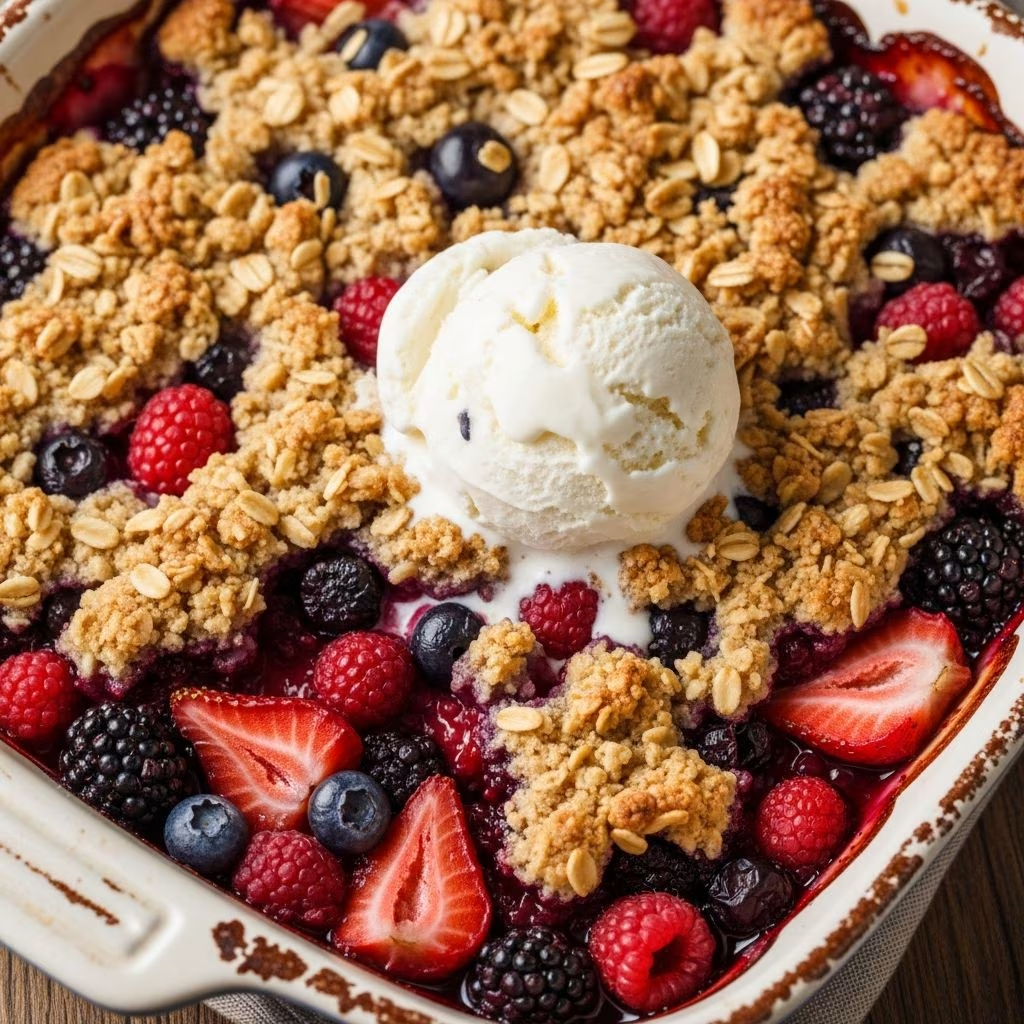
A mixed berry crisp represents one of the most approachable fruit-based desserts available to home cooks. This straightforward yet elegant treat combines the natural tartness of berries with a golden, crunchy topping that delivers satisfying texture contrast. Whether you’re planning a casual weeknight dessert or preparing something special for guests, understanding the fundamentals of creating this dish will set you up for consistent success.
Understanding Your Ingredient Components
The beauty of a mixed berry crisp lies in its simplicity. The dish relies on just two main components: the fruit filling and the crumbly topping. Each element plays a distinct role in creating a balanced, delicious final product.
Selecting Your Berries
The foundation of your crisp begins with choosing the right berries. A traditional approach combines three varieties to create complexity and depth of flavor. Raspberries bring delicate tartness and soft texture, blueberries contribute earthiness and slight resistance when bitten, and blackberries add robust flavor with subtle sweetness. Some variations incorporate strawberries instead, though these larger berries require slicing before use.
Both frozen and fresh berries work exceptionally well. Frozen berries offer convenience and year-round availability, while fresh berries provide a firmer texture and bright flavor intensity. When using frozen berries, there’s no need to thaw them before mixing with other filling ingredients. Fresh berries should be cleaned thoroughly and dried to prevent excess moisture from making the filling too watery.
The Filling Structure
Beyond berries, the filling requires binding agents and flavor enhancers. All-purpose flour serves as the primary binder, absorbing excess moisture released during baking and helping create a cohesive filling rather than a runny sauce. Sugar adds sweetness that complements the natural tartness of berries without overwhelming their flavor. Lemon juice or apple cider vinegar provides acidic balance, preventing the dessert from tasting overly sweet. Vanilla extract deepens overall flavor complexity with its warm, slightly floral notes. A small pinch of salt enhances all other flavors, making them more pronounced.
Creating the Crumble Topping
The topping is where textural magic happens. Old-fashioned rolled oats provide the signature crunch and visual appeal of a crisp. All-purpose flour contributes structure and helps create larger crumbles rather than fine crumbs. Brown sugar offers moisture and molasses undertones that brown slightly during baking, creating caramelized flavor notes. Granulated sugar provides sweetness and aids in the browning process. Butter, melted or cold depending on your technique, creates richness and helps bind all dry ingredients together. Cinnamon adds warmth and subtle spice that complements berry flavors beautifully. Optional additions like chopped nuts (walnuts, pecans, or almonds) introduce additional texture and nutty richness.
Preparation Techniques and Methods
Organizing Your Workspace
Successful crisp preparation begins with proper organization. Gather all ingredients before starting, and measure them into small bowls for easy access. This mise en place approach prevents scrambling mid-preparation and ensures you won’t accidentally omit ingredients.
Building the Filling
Start by combining your berries with flour, sugar, salt, lemon juice, and vanilla extract in a large mixing bowl. Use a gentle hand when tossing these ingredients together, stirring just enough to distribute the binding ingredients evenly without crushing delicate berries. The flour will gradually absorb the natural juices released by the berries, creating a thicker consistency. Allow this mixture to sit while you prepare the topping, giving the flour time to fully hydrate and begin its binding work.
Constructing the Topping
In a separate bowl, combine all dry topping ingredients: oats, flour, sugars, cinnamon, and salt. The method for incorporating butter varies depending on your topping texture preference. If using melted butter, simply drizzle it over the dry mixture and stir until evenly distributed. The resulting topping will have a softer, more paste-like consistency. If using cold, cubed butter, use your fingertips to pinch and rub the butter into the dry ingredients until the mixture resembles coarse breadcrumbs with pea-sized butter pieces throughout. This technique creates a more pronounced crumbly texture after baking.
Assembly and Baking Preparation
Pour the berry filling into your prepared baking dish, spreading it into an even layer. The filling should come about three-quarters of the way up the sides of the dish. Distribute the topping evenly over the berries, gently pressing down slightly but not compacting it fully. The topping should cover all visible berries, though some filling may peek through, and that’s perfectly fine. Place your baking dish on a parchment-lined baking sheet to catch any drips that might escape during baking.
Baking and Temperature Guidelines
Preheat your oven to 350 degrees Fahrenheit before beginning any preparation. This temperature allows the berries to release their juices and soften without the filling overcooking, while the topping bakes to golden-brown crispness. Bake for approximately 45 minutes, until the topping turns light golden-brown and the filling begins bubbling slightly around the edges.
The exact baking time may vary depending on your oven’s characteristics and the size of your baking dish. Watch for visual cues: the topping should be set and dry to the touch, and you should see some filling bubbling up between the topping pieces.
Cooling and Serving Recommendations
Resist the urge to serve the crisp immediately after removing it from the oven. Allow it to cool for at least 10 minutes before serving. This resting period allows the filling to set, making individual portions easier to serve without excessive filling spillage. The topping also continues to firm up during cooling, creating optimal texture.
Serve warm or at room temperature, optionally topped with a generous scoop of vanilla ice cream or a dollop of whipped cream. The cold dairy contrast against warm fruit and crunchy topping creates an exceptional eating experience.
Flavor Variations and Creative Adaptations
Seasonal Fruit Combinations
While mixed berries form the traditional base, numerous variations expand creative possibilities. Strawberry-rhubarb combinations introduce tartness and sophisticated flavor complexity. Apple-berry mixes combine crispness with berry sweetness. Peach and berry unions deliver summery sweetness with stone fruit richness.
Topping Customizations
Nut varieties change the topping’s character entirely. Almonds provide delicate flavor and slight bitterness that balances sweet berry filling. Pecans contribute rich, buttery notes. Walnuts deliver earthiness and slight bitterness. Alternatively, omit nuts entirely for a lighter topping focused purely on oat and butter flavors.
Dietary Accommodations
For gluten-free preparations, substitute all-purpose flour with certified gluten-free flour blends in both filling and topping. Almond flour or almond meal can replace traditional flour in the topping for enhanced nuttiness and grain-free baking. Maple syrup works as an excellent butter substitute for vegan versions, while maintaining the topping’s binding integrity.
Storage and Make-Ahead Strategies
Covered with plastic wrap or foil, leftover crisp keeps refrigerated for up to three days. Reheat gently in a 300-degree oven for 10 to 15 minutes to restore topping crispness. The crisp can also be frozen for up to two months in an airtight container, though the topping’s texture will soften slightly after thawing.
You can prepare the filling and topping separately up to one day in advance, storing each in airtight containers. Final assembly happens immediately before baking, ensuring maximum topping crispness.
Frequently Asked Questions
Can I use fresh berries instead of frozen?
Absolutely. Fresh berries work beautifully, though they may release more juice than frozen varieties. Ensure they’re completely dry before mixing with filling ingredients to minimize excess liquid.
What if my topping isn’t crispy?
Insufficient topping browning usually results from oven temperature issues or insufficient baking time. Ensure your oven is properly preheated and bake for the full recommended time. The topping should turn light golden-brown.
Can I double this recipe?
Yes, you can double ingredients, though you’ll need a larger baking dish or two standard dishes. Baking time may increase slightly when using a larger, deeper dish.
What’s the best serving temperature?
Warm crisp delivers the best experience, especially when topped with ice cream or whipped cream. However, room temperature versions are equally delicious and convenient for advance preparation.
Equipment and Dish Selection
A standard 9×9-inch baking dish works perfectly for most recipes, though 8×8-inch or rectangular 9×13-inch options also produce excellent results. Glass baking dishes allow you to monitor filling bubbling from the bottom, while ceramic or metal options work equally well. Ensure your chosen dish has adequate depth—at least two inches—to contain the berry filling with room for topping coverage.
Troubleshooting Common Issues
If your filling seems too runny after baking, you may have used insufficient flour for your berry quantity or selected berries with particularly high water content. Increasing flour by one or two tablespoons in future batches addresses this issue. If the topping remains pale rather than browning, your oven temperature may run cool; invest in an oven thermometer for accurate calibration.
Excessive filling overflow indicates either overfilling the dish or insufficient binding time before topping application. Allow the filling mixture to sit for five to ten minutes before adding topping, giving flour time to hydrate and thicken the mixture.
References
- Fruit Crisps and Cobblers: Traditional Baking Methods — America’s Test Kitchen. 2024. https://www.americastestkitchen.com
- The Science of Fruit Desserts: Understanding Pectin and Thickening Agents — Journal of Culinary Science & Technology, Michigan State University. 2023. https://www.canr.msu.edu
- Proper Baking Temperatures for Fruit-Based Desserts — USDA Food Safety Guidelines. 2024. https://www.foodsafety.gov