Creating a pie crust that is both flaky and tender can transform any dessert or savory dish into something extraordinary. This guide draws from time-tested recipes passed down through generations, emphasizing simple ingredients like flour, fats, and a few clever additions to ensure success. Whether you’re preparing for a holiday feast or a casual family meal, these methods guarantee consistent, professional-quality results without the frustration of tough or soggy doughs.
Why Homemade Pie Crusts Excel Over Store-Bought
Store-bought crusts often lack the buttery flavor and delicate texture of homemade versions. Fresh dough allows customization for sweetness or savoriness, and controlling ingredients means avoiding preservatives. Recipes using a mix of shortening and butter deliver the flakiness from shortening’s stability and richness from butter’s taste. Key benefits include superior taste, cost savings for multiple pies, and the satisfaction of baking from scratch.
Essential Ingredients for Reliable Dough
The foundation of any great pie crust starts with high-quality basics. All-purpose flour provides structure without heaviness. Cold fats—shortening for tenderness and butter for flavor—are crucial to create steam pockets during baking. Liquids like ice water bind without activating gluten excessively, while acids such as vinegar tenderize.
| Ingredient | Role | Best Practices |
|---|---|---|
| All-Purpose Flour | Structure | Spoon and level; avoid packing |
| Shortening/Butter | Flakiness & Flavor | Chill until firm; cube butter |
| Cold Water | Binder | Use ice water; add gradually |
| Vinegar/Egg | Tenderizer | White vinegar or apple cider; 1 tbsp max |
| Salt/Sugar | Seasoning | Salt enhances flavor; sugar for sweet pies |
Variations exist: some recipes use 4 cups flour with 1¾ cups shortening for five crusts, yielding bulk batches ideal for freezing. Others blend ¾ cup butter and ⅓ cup shortening for a single double-crust pie.
Step-by-Step Guide to Mixing Dough
Begin in a large bowl by whisking dry ingredients: flour, a pinch of sugar, and salt. This ensures even distribution. Cut in cold fats using a pastry blender or fork until the mixture resembles coarse crumbs with pea-sized bits—overworking here leads to toughness.
- Prepare workspace: Chill bowl and tools for 15 minutes.
- Mix dries: 4 cups flour, 1 tbsp sugar, 1 tsp salt.
- Incorporate fats: Add 1¾ cups shortening; cut until crumbly.
- Add liquids: Beat 1 egg, combine with ½ cup water and 1 tbsp vinegar; stir gently with fork until dough forms.
- Divide: Form 5 equal disks, wrap in plastic, chill 15-30 minutes.
For food processor methods, pulse flour and fats briefly, then add ice water through the feed tube until a ball forms. Avoid over-processing to prevent tough results.
Mastering the Roll-Out Technique
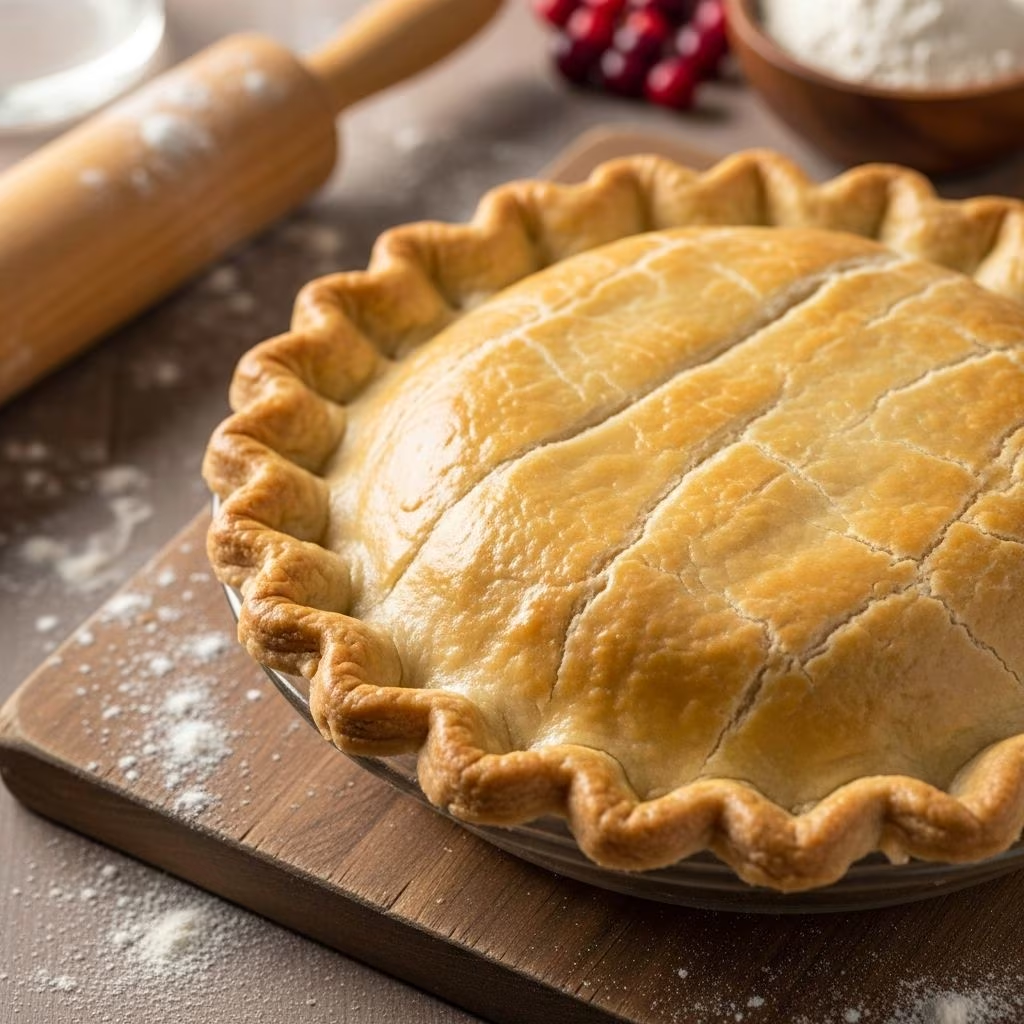
Chilled dough rolls easily without sticking. Flour surface lightly, start from center outward, rotating quarter-turns. Aim for ⅛-inch thickness and 12-14 inches diameter for standard pans. Fold gently over rolling pin for transfer, unfold, and press into pan.
- Pro Tip: Use marble rolling pins chilled in freezer for extra coldness.
- For lattice tops: Roll strips ½-inch wide, weave alternately over filling.
- Crimp edges: Pinch with thumb and forefinger for decorative fluting.
If dough tears, patch with scraps moistened with water. For blind baking, line with foil and weights, bake at 400°F for 14-15 minutes until set.
Perfect Baking Methods for Every Pie Type
Sweet Fruit Pies
Fill bottom crust, dot with butter, top with solid or lattice crust. Brush with egg wash for shine, bake at 425°F first 10 minutes, then 375°F until golden, about 45-60 minutes.
Savory Quiches or Pot Pies
Pre-bake partially to avoid sogginess. Use egg and vinegar recipes for tenderness in meaty fillings.
Blind-Baked Shells
Poke bottom with fork, line with parchment and beans, bake 400°F 15 minutes, remove weights, bake 5-10 more until crisp.
Temperature control prevents shrinkage: High initial heat sets structure, lower maintains even cooking.
Troubleshooting Common Dough Disasters
Even reliable recipes face issues—here’s how to fix them:
- Tough Crust: Overmixed or warm fats; solution: Handle minimally, keep everything ice-cold.
- Soggy Bottom: Excess moisture; pre-bake and use cornstarch in fillings.
- Shrinking: Insufficient chilling; rest dough 30+ minutes.
- Cracks/Splitting: Dry dough; add water 1 tsp at a time.
Storage: Freeze wrapped disks up to 3 months; thaw overnight in fridge before use.
Advanced Variations for Creative Bakers
Elevate basics with add-ins:
- Herbed Crust: 2 tsp dried herbs for savory pies.
- Cheesy: ½ cup grated cheddar for apple pie twist.
- Gluten-Free: Swap flour 1:1 with gluten-free blend, add xanthan gum.
- All-Butter: Replace shortening with butter for richer flavor, though slightly less flaky.
For bulk prepping, the 5-crust recipe shines, perfect for Thanksgiving marathons.
Scaling Recipes for Different Yields
| Yield | Flour | Fat | Liquid |
|---|---|---|---|
| 1 Double Crust | 2¼ cups | 1 cup butter/shortening mix | 6 tbsp ice water |
| 5 Single Crusts | 4 cups | 1¾ cups shortening | 1 egg + ½ cup water + 1 tbsp vinegar |
| Single Crust | ½ cup shortening + 4 tbsp butter | 2¼ cups flour | ½ cup cold water |
Adjust proportionally; test small batches first.
Healthier Twists Without Sacrificing Flakiness
Substitute half shortening with chilled coconut oil or use whole wheat flour blended 50/50 with white for nutty depth. Spectrum shortening offers non-hydrogenated options. These maintain texture while boosting nutrition.
Seasonal Pie Pairings to Showcase Your Crust
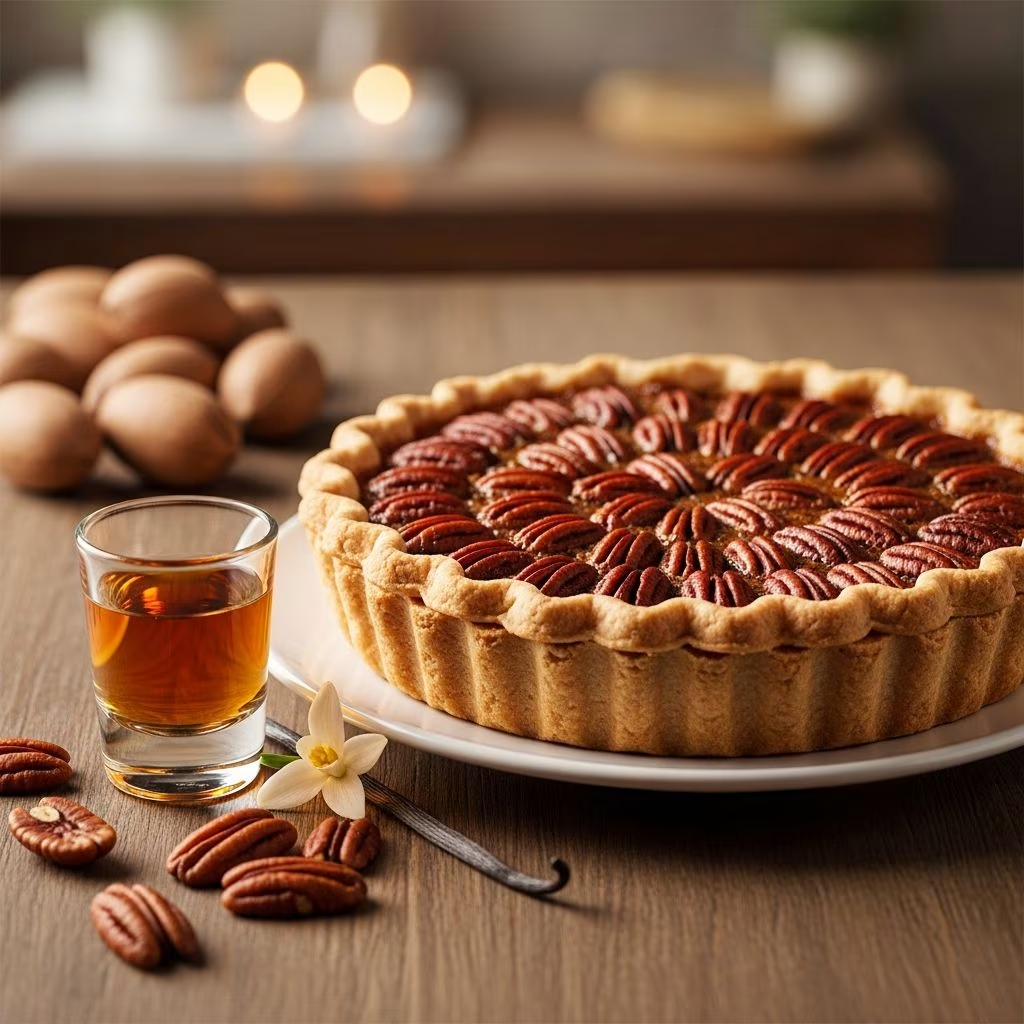
- Fall: Pumpkin or pecan with spiced dough.
- Summer: Berry lattice for juicy shine.
- Winter: Mincemeat or chicken pot pie.
Experiment to match crust personality to filling.
Frequently Asked Questions
Can I make pie dough ahead?
Yes, refrigerate up to 3 days or freeze 3 months. Thaw slowly for best texture.
Butter vs. Shortening: Which is better?
Butter for flavor, shortening for flakiness; a 50/50 blend is ideal for most.
How do I avoid a gummy crust?
Measure flour by spooning, not scooping, and chill fats religiously.
What’s the role of vinegar or egg?
They inhibit gluten for tenderness; subtle flavor impact.
Can this recipe be vegan?
Skip egg, use plant-based shortening and water; add extra tbsp liquid if needed.
Equipment Essentials for Success
Pastry blender for cutting fats, bench scraper for dividing, plastic wrap for chilling. A food scale ensures precision for bulk batches.
With these techniques, pie baking becomes foolproof. Practice yields mastery, turning novices into confident bakers.
References
- No Fail Pie Crust – vintage recipe — Persnickety Plates. 2023. https://www.persnicketyplates.com/no-fail-pie-crust/
- No Fail Homemade Pie Crust from Scratch — Stacy Lyn Harris. 2023. https://stacylynharris.com/no-fail-homemade-pie-crust-from-scratch/
- Easy Flaky Pie Crust Recipe — The Gracious Wife. 2023. https://www.thegraciouswife.com/fail-pie-crust/
- How to Make the Perfect Homemade Pie Crust — Carla Hall. 2023. https://carlahall.com/how-to-make-the-perfect-homemade-pie-crust/
- Never Fail Pie Crust — Gift of Hospitality. 2023. https://www.giftofhospitality.com/never-fail-pie-crust/