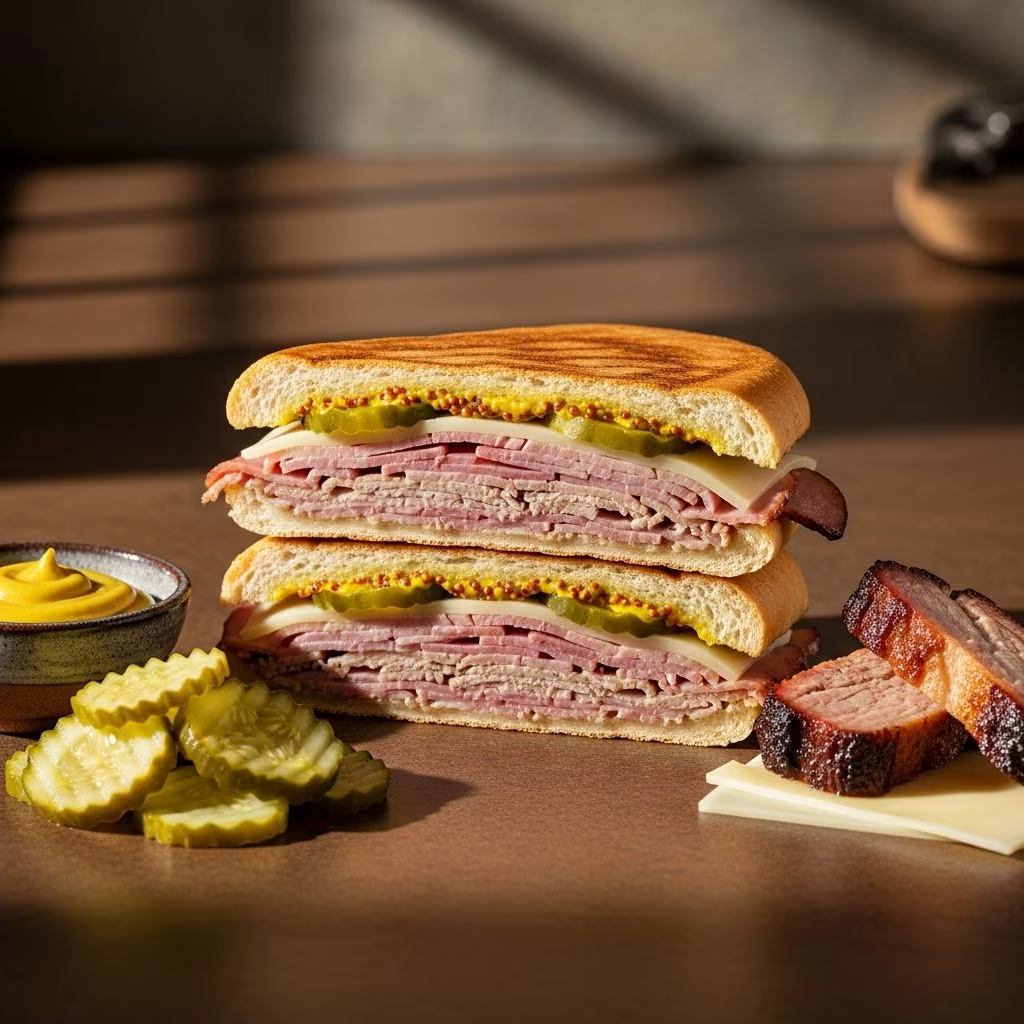
The Cuban sandwich, known locally as a Cubano, represents a perfect marriage of flavors and textures that has captivated food enthusiasts across the globe. This iconic pressed sandwich combines tender pork, cured ham, melted Swiss cheese, and tangy pickles within crusty bread, all bound together with a savory sauce. Whether you’re exploring Latin American cuisine for the first time or seeking to refine your sandwich-making skills, understanding the fundamentals of this classic dish will elevate your culinary repertoire.
The Foundation: Understanding Cuban Sandwich Basics
At its core, the Cuban sandwich celebrates simplicity through quality ingredients and proper technique. Unlike conventional sandwiches that rely on excessive fillings, a Cuban sandwich achieves its distinctive character through the careful balance of complementary flavors and the application of heat that transforms its components into a cohesive whole. The sandwich gained prominence in Florida’s Cuban communities during the early twentieth century, where it became a staple in worker lunches and family meals. Its popularity has since spread throughout North America, with variations appearing in restaurants and home kitchens worldwide.
The essence of a successful Cuban sandwich lies in three critical elements: the quality of individual ingredients, the precision of assembly, and the execution of the pressing and toasting process. Each component must be selected with intention, arranged with care, and treated with respect during the cooking phase to achieve the desired outcome.
Selecting and Preparing Your Ingredients
The Pork Selection
Traditionally, Cuban sandwiches feature roasted pork as their primary protein. The choice between pulled pork and sliced roasted pork significantly influences the sandwich’s texture and eating experience. Pulled pork, which is shredded into smaller pieces, integrates more thoroughly with other ingredients and allows the sauce to permeate the filling more completely. This preparation method also creates a more rustic, home-style presentation compared to uniform slices.
When preparing pork for your sandwich, ensure it reaches the proper temperature before assembly. Cold pork will extend the cooking time required to heat through the entire sandwich, risking overcooking the bread’s exterior before the filling warms adequately. Many home cooks find that preparing pork in advance and reheating it just before sandwich assembly provides the optimal balance of convenience and quality.
Cheese and Ham Components
Swiss cheese serves as the traditional choice for Cuban sandwiches, prized for its mild flavor and excellent melting properties. The cheese should be sliced to approximately one-eighth inch thickness, allowing it to melt evenly throughout the sandwich without overwhelming other flavors. Quality Swiss cheese will contribute a subtle nuttiness that complements rather than dominates the palate.
Ham selection warrants equal consideration. Traditional Cuban ham varieties provide authentic flavor, though quality domestic ham works well for most home applications. The ham should be sliced thin enough to contribute to the overall texture without creating a chewy, difficult-to-bite component. Approximately three slices of ham per sandwich maintains the proper ingredient ratio.
The Pickle Element
Dill pickles contribute essential acidity and crunch to the sandwich structure. Hand-sliced lengthwise pickles integrate more seamlessly than standard pickle chips, allowing better distribution throughout the sandwich. The pickle’s moisture content adds complexity to the flavor profile while preventing the sandwich from becoming overly dry. Approximately three to four pickle slices per sandwich provides sufficient tang without overwhelming the other components.
Bread Selection
Cuban bread forms the structural foundation of the sandwich and deserves careful selection. This specialized bread features a crispy exterior and soft interior that responds beautifully to pressing and toasting. The bread’s characteristic shape and structure differ from standard sandwich bread, contributing to the sandwich’s authentic character. When selecting Cuban bread, choose loaves that feel firm but not rock-hard, indicating freshness without excessive staleness.
The debate between fresh and day-old Cuban bread remains ongoing among enthusiasts. Fresh bread provides superior texture and flavor but can be more challenging to work with during pressing. Day-old bread has already begun drying out slightly, which can actually benefit the sandwich by allowing better heat penetration and crisping during the toasting process.
Crafting the Signature Sauce
The sauce serves as the invisible component that binds the sandwich’s flavors together. This simple yet essential condiment combines equal parts mayonnaise and yellow mustard, finished with a measured pinch of cayenne pepper. The simplicity of this combination belies its importance—the mayonnaise provides richness and binding properties, while the mustard contributes sharpness and complexity. Cayenne adds a subtle heat that awakens the palate without dominating other flavors.
Preparation requires minimal effort but demands attention to balance. Combine your mayonnaise and mustard in equal proportions, then add cayenne incrementally, tasting as you proceed. Personal preference should guide the final cayenne measurement, as some individuals prefer more pronounced heat while others favor subtlety. Mix thoroughly until the color becomes uniformly golden and the texture appears entirely homogeneous.
Assembly Methodology
Bread Preparation
Begin by trimming the ends from your Cuban bread loaf. This step removes any overly crispy sections and creates a cleaner canvas for your sandwich construction. Slice the loaf in half lengthwise, then divide each half to create four pieces—two tops and two bottoms for your completed sandwiches. This approach ensures balanced portions and consistent sandwich sizes.
Spread your prepared sauce generously on both the interior surfaces of each bread piece. The sauce should coat evenly, reaching into the bread’s texture without saturating it to the point of making the bread soggy. Approximately one to two tablespoons per sandwich half provides adequate coverage.
Layering Strategy
Proper layering ensures even distribution of flavors and optimal heating during the pressing process. Begin with cheese as the first layer on the bread’s interior surface, using two slices positioned to cover the bread completely. Follow with ham slices, arranged to distribute evenly across the sandwich’s width. Add your prepared pork next, distributing the pulled pork or slices to achieve consistent coverage. Place pickle slices directly on the pork, then finish with a final layer of two Swiss cheese slices.
This layering sequence serves functional purposes beyond aesthetics. The bottom cheese layer creates a barrier that protects the bread from excessive moisture migration from the ham and pork. The final cheese layer covers the other ingredients, melting to create a sealed interior that maintains heat and moisture distribution during cooking.
Topping Application
Place the bread top firmly but gently onto your assembled filling. Press down with even pressure across the entire sandwich, ensuring the top contacts the filling uniformly. This initial pressure begins the integration of components and prepares the sandwich for the subsequent heating and pressing process.
The Cooking Process: Pressing and Toasting
The cooking method distinguishes Cuban sandwiches from conventional pressed sandwiches. This process requires a heavy skillet—preferably cast iron due to its superior heat distribution and retention properties—and either a panini press or an equivalent heavy implement for pressing the sandwich during cooking.
Heat Application
Melt butter in your heavy skillet over medium heat. Medium heat provides controlled temperature application, allowing the exterior to crisp while the interior heats through adequately. Excessive heat will char the bread’s exterior before the filling reaches proper temperature, while insufficient heat will fail to produce the characteristic crispy texture.
Place your assembled sandwich into the melted butter, then immediately apply downward pressure using your panini press or alternative heavy object. This pressure accomplishes multiple objectives simultaneously: it compresses the filling ingredients into a cohesive unit, increases contact between the bread and the skillet, promotes even heat distribution, and accelerates the melting of the cheese components.
Cooking Duration and Indicators
Toast the sandwich for three to four minutes per side, monitoring the exterior color development continuously. The bread should transition from pale tan to golden brown, developing visible crispy areas without charring. The filling should heat through adequately, with cheese melting completely and all ingredients reaching proper serving temperature.
The most effective indicator of completion is the combination of bread color and interior heat perception. Gently lift the sandwich briefly to check the underside’s color development. If adequate browning has occurred on both sides and the sandwich feels hot throughout when handled with proper care, cooking is complete.
Equipment Considerations
| Equipment Option | Advantages | Considerations |
|---|---|---|
| Cast Iron Skillet with Second Skillet | Superior heat retention; even browning; versatile equipment | Requires careful handling; heat management essential |
| Cast Iron Skillet with Foil-Wrapped Bricks | Consistent pressure application; easily adjustable | Requires attention to safety; brick preparation needed |
| Panini Press | Automated pressure; simplified cooking; adjustable heat | Requires specialized equipment; less traditional approach |
| Griddle with Platen | Large cooking surface; simultaneous sandwich preparation; precise temperature control | Requires substantial kitchen space; significant equipment investment |
Flavor Enhancement Techniques
While the traditional Cuban sandwich recipe requires no additions, several techniques can enhance the experience for personal preference. Lard, traditional in authentic preparations, provides superior flavor compared to butter, though personal dietary considerations may guide ingredient selection. Some variations incorporate mojo-marinated pork, which introduces citrus and garlic elements that modernize the classic profile while maintaining authenticity.
The sauce itself welcomes subtle modifications. Additional mustard varieties, such as whole grain mustard, can introduce texture and complexity. Smoky paprika added to the mayo-mustard mixture provides depth without overwhelming other components. These modifications should remain restrained, allowing the original sandwich character to remain recognizable.
Serving and Accompaniment Suggestions
Cuban sandwiches achieve their full potential when served immediately after cooking, while the bread remains crispy and the filling retains its heat. The sandwich’s rich, substantial nature pairs excellently with lighter accompaniments that provide contrast and balance.
- Fresh citrus-based salads featuring minimal dressing cleanse the palate between bites
- Pickled vegetables introduce additional acidity that complements the sandwich’s richness
- Black beans with rice provide traditional pairing that honors the sandwich’s cultural heritage
- Simple green salads with vinegar-based dressings offer refreshing contrast
- Tropical fruit selections, particularly pineapple or plantain-based preparations, echo Cuban culinary traditions
Nutritional Information
A single Cuban sandwich prepared using standard recipe proportions contains approximately 1,473 calories per serving. Protein comprises approximately 88.2 grams, derived primarily from the pork, ham, and cheese components. Carbohydrates total approximately 85.4 grams, contributed mainly by the bread. Fat content reaches 85.2 grams, sourced from the cheese, pork, ham, and cooking butter. Cholesterol measures approximately 287.1 milligrams, while sodium reaches approximately 4,076.6 milligrams per serving.
These values represent the sandwich alone without accompaniments. Individual sandwiches may vary based on ingredient quality selections, portion adjustments, and specific preparation methods employed.
Troubleshooting Common Issues
Understanding potential challenges enables home cooks to adjust techniques and achieve consistent results:
- Bread that burns before filling heats through indicates excessive heat or inadequate initial pork temperature; reduce heat slightly and ensure pork reaches proper temperature before assembly
- Cheese that fails to melt adequately suggests insufficient cooking time or inadequate pressing pressure; extend cooking duration and increase downward pressure application
- Soggy bread results from excessive sauce application or overly moist filling ingredients; reduce sauce quantity and pat pork dry before assembly
- Filling that separates during cooking indicates insufficient layering coordination; ensure each ingredient layer makes contact with neighboring components
- Uneven browning suggests inconsistent heat distribution or uneven pressing pressure; rotate the sandwich midway through cooking and apply uniform downward pressure throughout
Frequently Asked Questions
Can I prepare Cuban sandwiches in advance? Assemble sandwiches shortly before cooking to prevent bread from absorbing excess moisture. Prepared pork, sauce, and other components can be readied in advance, enabling rapid assembly when cooking begins.
What alternatives work if Cuban bread is unavailable? Thin Italian bread or French baguettes approximate Cuban bread’s characteristics, though they won’t provide identical results. Avoid overly soft sandwich breads that cannot withstand pressing and toasting without falling apart.
How do I modify the recipe for dietary restrictions? Vegetarian versions substitute seasoned pressed vegetables for pork while maintaining other components. Dairy-free alternatives utilize plant-based cheese alternatives, though melting characteristics may differ. Low-sodium preparations reduce both ham and cured pork quantities, compensating with additional fresh herbs and spices.
Should I use fresh or day-old bread? Day-old bread typically produces superior results, as it has begun drying naturally, promoting better crisping during the pressing process. Fresh bread can work but may require slightly shorter cooking times to prevent excessive browning.
Conclusion
Mastering the Cuban sandwich requires understanding the interplay between quality ingredients, precise assembly, and proper cooking technique. By selecting ingredients thoughtfully, preparing components with care, and executing the cooking process with attention to detail, home cooks can create restaurant-quality Cuban sandwiches that honor this culinary tradition while satisfying personal preferences. The sandwich’s enduring popularity stems from its essential simplicity—it proves that exceptional food requires not exotic techniques or elaborate components, but rather respect for traditional methods and commitment to ingredient quality.
References
- Chef John’s Cuban Sandwich Recipe — Food Wishes. Accessed 2026-04-10. https://foodwishes.blogspot.com/2017/01/the-cuban-sandwich-hold-mojo.html
- The Cuban Sandwich – How to Make a Cubano Sandwich — Food Wishes Video Recipes. Accessed 2026-04-10. https://www.youtube.com/watch?v=y1kpQv_m0b0
- Cuban Sandwich Recipe and Cooking Guide — Lunch Recipe. Accessed 2026-04-10. https://lunchrecipe.pages.dev/lunch/chef-johns-cuban-sandwich/