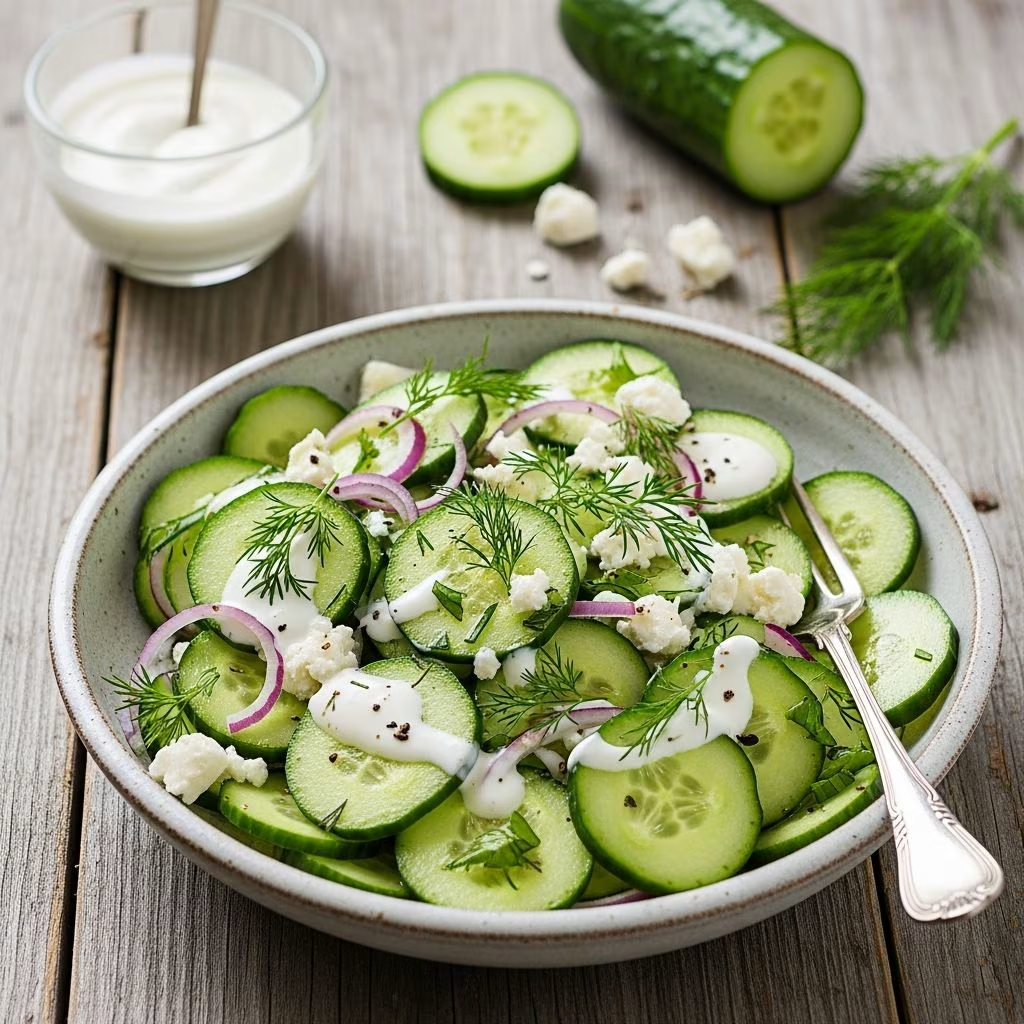
Cucumber salads represent some of the most versatile and refreshing dishes you can prepare in your kitchen. Whether you’re planning a summer gathering, preparing a light lunch, or seeking a palate-cleansing accompaniment to heavier main courses, understanding the fundamentals of creating a well-balanced cucumber salad can elevate your culinary repertoire significantly. The combination of cool, crisp cucumbers with fragrant dill creates a harmonious blend of flavors that appeals to diverse palates and complements countless meal combinations.
Understanding Your Primary Ingredients
The foundation of any exceptional cucumber salad begins with selecting quality produce. Cucumbers vary considerably in water content, thickness of skin, and seed prominence, which directly impacts the final texture of your salad. While many recipes call for standard slicing cucumbers, understanding the differences between cucumber varieties helps you make informed decisions based on your preferences and available options.
English cucumbers, often referred to as hothouse or seedless varieties, contain fewer seeds and possess thinner, more tender skin compared to their field-grown counterparts. This characteristic makes them ideal for applications where you prefer a more delicate texture and minimal preparation. Standard slicing cucumbers, conversely, develop thicker skins and contain more prominent seeds, requiring additional consideration during preparation if you prefer a smoother eating experience.
Fresh dill plays an equally crucial role in defining this dish’s character. This herb belongs to the carrot family and possesses a distinctive anise-like quality with subtle citrus undertones. The feathery fronds of fresh dill contribute both visual appeal and aromatic complexity that dried alternatives cannot adequately replicate. When selecting dill at your market, seek bunches with vibrant green coloring and a pungent, pleasant aroma indicating optimal freshness.
Preparation Techniques for Optimal Texture
Properly preparing your cucumbers determines whether your final salad achieves that coveted crisp texture or becomes disappointingly watery and limp. The approach you select depends on your cucumber variety and personal preference regarding seed inclusion.
Cutting Methods and Their Impact
- Thin slicing: Creates delicate, elegant pieces that absorb dressing efficiently and present beautifully on serving plates. This method works particularly well for presentation-focused gatherings.
- Chunking: Produces heartier pieces that maintain structural integrity longer, making this approach preferable for salads prepared in advance of serving.
- Halving lengthwise: Allows for seed removal while maintaining attractive presentation, particularly suitable when using standard slicing cucumbers with prominent seeds.
- Bias cutting: Creates visually interesting elongated pieces that maximize surface area for dressing absorption while maintaining an aesthetically sophisticated appearance.
Managing Excess Moisture
Cucumbers contain substantial water content that can dilute your dressing and create an undesirably watery salad. Several techniques effectively address this challenge. Salting your cucumber pieces and allowing them to rest for fifteen to thirty minutes encourages moisture release through osmosis, which you can subsequently drain. This process, known as degorging, concentrates the cucumber’s flavor while reducing the dilution effect. Alternatively, you might lightly pat your cut cucumbers with paper towels to remove surface moisture without significantly impacting their structural integrity.
Some practitioners prefer wrapping their cucumber pieces in clean kitchen towels and allowing gravity to assist in moisture removal. This hands-off approach proves particularly effective when preparing larger quantities. The key consideration involves balancing moisture removal with maintaining the appealing crisp texture that makes cucumber salads so satisfying.
Developing Your Dressing Foundation
The dressing transforms simple sliced cucumbers into a cohesive, flavorful dish. A balanced vinaigrette incorporates acidic and oil-based components along with aromatics that complement your primary ingredients.
Essential Dressing Components
| Component | Function | Typical Ratio |
|---|---|---|
| Vinegar (white or rice vinegar) | Provides acidic brightness and preserves crispness | 3-4 tablespoons per 2 pounds cucumbers |
| Oil (neutral or olive) | Carries flavor and adds richness to dressing | 1-2 tablespoons per 3-4 tablespoons vinegar |
| Sweetener (sugar or honey) | Balances acidity and enhances overall flavor profile | 1-2 teaspoons adjusted to taste |
| Aromatics (onions, garlic) | Adds depth and complexity to the dressing base | Optional, 1/4 to 1/2 small onion or 1 clove garlic |
The ratio of vinegar to oil significantly influences the final taste profile. A three-to-one ratio produces a noticeably tangy dressing, while a more balanced one-to-one proportion creates a richer, more subdued vinaigrette. Your personal preference, the specific vinegar you’re using, and the intended role this salad plays in your meal all inform the appropriate proportions for your particular situation.
Vinegar Selection Considerations
Different vinegar varieties impart distinct flavor characteristics that substantially influence the overall eating experience. White vinegar delivers straightforward acidity without pronounced flavor nuances, making it an excellent choice when you want other ingredients to shine. Rice vinegar, commonly used in Asian cuisines, provides mild acidity with subtle sweetness that complements delicate cucumber flavors beautifully. Apple cider vinegar introduces fruity undertones and slightly more aggressive acidity, creating a bolder flavor profile. Red wine vinegar contributes deeper, more complex notes suitable for recipes incorporating heartier complementary ingredients.
Incorporating Dill and Additional Seasonings
Fresh dill requires thoughtful incorporation timing to preserve its delicate aromatic qualities. Adding dill to your dressing immediately upon preparation allows the herb to infuse the liquid with its distinctive flavor, though extended contact can gradually diminish its fresh appearance and vibrancy. Alternatively, reserving a portion of the dill to add immediately before serving maintains maximum visual appeal and ensures the herb’s fresh, bright character remains prominent.
Beyond dill, consider complementary seasonings that enhance rather than overpower the fundamental cucumber character. A modest quantity of salt intensifies natural flavors and draws out the vegetable’s inherent sweetness. Freshly ground black pepper contributes subtle warmth, while a pinch of red pepper flakes introduces gentle heat for those preferring additional complexity. Thinly sliced red onion adds textural contrast and a mild pungent quality that pairs unexpectedly well with cool cucumbers and aromatic dill.
Assembly and Storage Guidelines
Timing your salad preparation influences both texture and flavor development. Combining your prepared cucumbers with dressing immediately before serving preserves maximum crispness and prevents the vegetable from becoming excessively soft. However, if you prefer your salad to marinate and develop more integrated flavors, you can assemble it several hours in advance, though recognize that the cucumbers will gradually release additional moisture and soften somewhat.
Should you need to prepare this salad ahead, consider keeping the dressing separate and combining components only when serving. This approach maintains optimal texture while allowing flavors to develop at their own pace. If advance assembly proves necessary, drain accumulated liquid before serving and consider refreshing the dressing with additional fresh components.
Storage duration depends on your dressing composition and preparation method. Salads kept in the refrigerator maintain acceptable quality for one to two days, though cucumbers progressively soften and the dressing becomes increasingly diluted as the vegetable continues releasing moisture. Salads prepared with minimal oil but maximum vinegar maintain their character longer than those with higher oil content, as the acidic environment better preserves vegetable integrity.
Variations and Complementary Additions
While the cucumber-dill combination represents a classic pairing, numerous variations expand this foundational recipe’s versatility. Consider incorporating thinly sliced red radishes for peppery crunch and visual interest, or adding diced tomatoes for additional freshness and color contrast. Fresh mint introduces another herbaceous dimension that surprisingly complements both cucumber and dill when used judiciously.
For those seeking protein inclusion, crumbled feta cheese adds creamy saltiness and textural complexity. Sliced hard-boiled eggs transform this side dish into a more substantial accompaniment suitable for lunch applications. Toasted seeds such as sunflower or pumpkin contribute satisfying crunch and nutritional substance without overwhelming delicate cucumber flavors.
Expanding your dressing beyond simple vinaigrette opens additional possibilities. A creamy dressing incorporating Greek yogurt or sour cream creates richness while the acidic components maintain brightness. Incorporating mustard introduces sharpness and emulsification properties that enhance dressing cohesion.
Serving Strategies and Occasions
Cucumber and dill salad functions effectively across numerous contexts within your culinary repertoire. As a summer side dish accompanying grilled meats or fish, it provides refreshing contrast to heavier, warmer mains. Offering this salad as part of a vegetable-forward meal emphasizes its nutritional benefits and naturally refreshing qualities. Its light character makes it an appropriate choice for warm-weather entertaining when substantial dishes might feel too heavy.
This salad also serves excellently as a component within composed plates featuring Mediterranean or Eastern European-influenced cuisines, where cucumber and dill hold particularly significant roles. Consider serving it alongside fresh bread and cheese for casual lunch options, or including it within a broader selection of salads for gatherings emphasizing variety and choice.
Frequently Asked Questions
Can I use dried dill instead of fresh?
While dried dill can substitute for fresh in urgent situations, the aromatic intensity differs significantly. Dried dill concentrates in flavor but loses the fresh, bright character that distinguishes this dish. If using dried dill, employ approximately one-third the quantity of fresh dill, as the drying process concentrates flavors substantially.
How can I prevent my salad from becoming watery?
Pre-salting your cucumber pieces and allowing them to drain removes excess moisture before assembly. Additionally, maintaining your dressing separately until just before serving, and draining any accumulated liquid before plating, preserves optimal texture throughout service.
What vinegar works best for this preparation?
White vinegar offers clean acidity allowing other flavors prominence, while rice vinegar provides subtle sweetness. Your choice depends on personal preference and what other dishes accompany your salad. Experiment with different vinegars to discover your preferred balance.
How long can I refrigerate this salad?
Optimal quality persists for one to two days when properly refrigerated. Beyond this timeframe, cucumbers progressively soften and the dressing becomes increasingly diluted. For best results, prepare this salad no more than a few hours before serving.
Can I make this salad without added sugar?
Yes, sugar serves to balance acidity rather than function as a primary ingredient. If you prefer minimal sweetness, reduce or eliminate the sugar and adjust your vinegar quantity downward accordingly to achieve appropriate balance.
References
- Nutrition Information for Cucumbers — United States Department of Agriculture FoodData Central. 2024. https://fdc.nal.usda.gov/
- Guide to Fresh Herbs: Selection, Storage and Use — University of California Agriculture and Natural Resources. 2023. https://ucanr.edu/
- Food Preservation through Fermentation and Vinegar Methods — National Center for Home Food Preservation at University of Georgia. 2024. https://nchfp.uga.edu/
- Vegetable Preparation and Food Safety Guidelines — Centers for Disease Control and Prevention. 2023. https://www.cdc.gov/foodsafety/
- Culinary Chemistry: Understanding Vinegar and Acid Reactions — Institute of Culinary Education research resources. 2024. https://www.iceculinary.com/