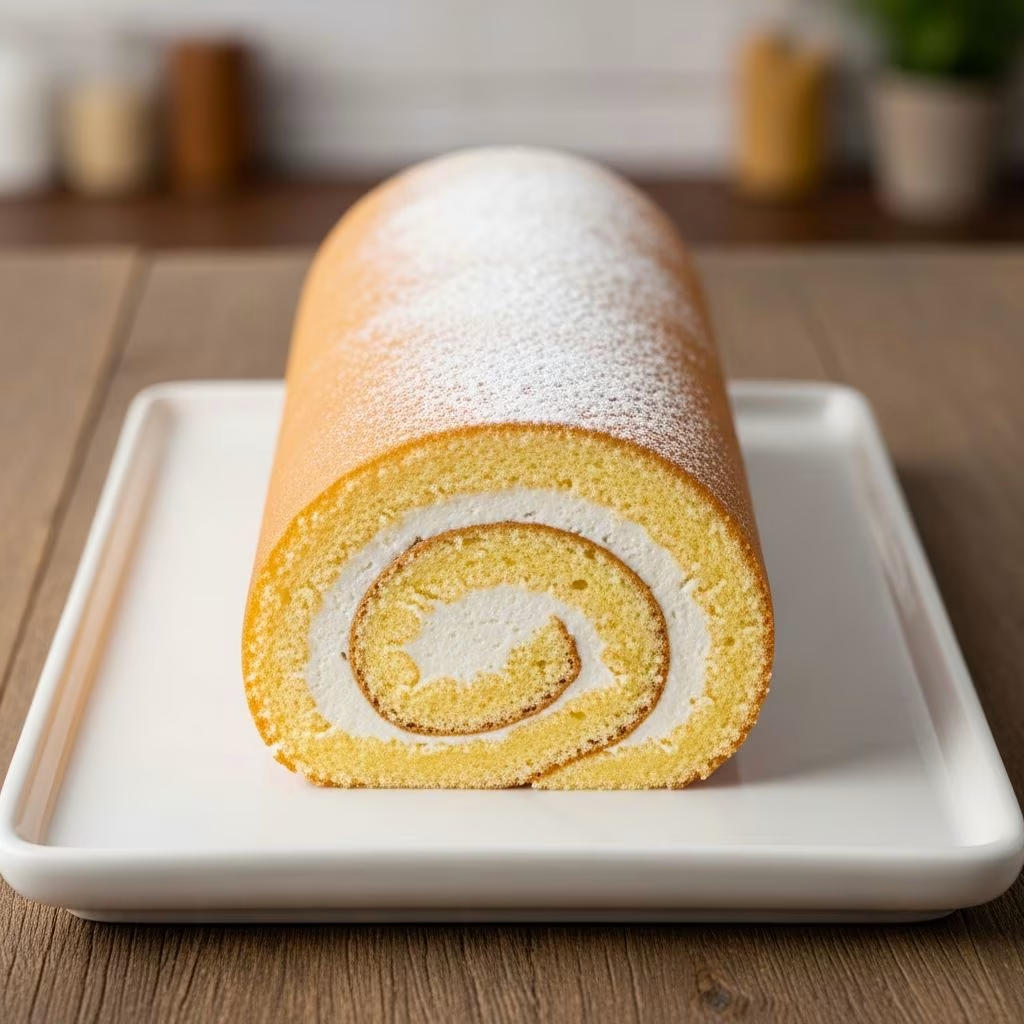
The Swiss roll stands as one of the most elegant yet notoriously challenging desserts to master. The delicate interplay between a tender sponge, creamy filling, and precise rolling technique can intimidate even experienced bakers. However, achieving a flawless, crack-free Swiss roll is entirely within reach once you understand the scientific principles and practical methods that professional pastry chefs employ.
Understanding the Foundation: Why Swiss Rolls Crack
Before diving into solutions, it helps to understand the underlying causes of cracking. A Swiss roll fails for several interconnected reasons: the sponge lacks sufficient flexibility, the filling creates uneven pressure during rolling, or the cooling process stiffens the cake prematurely. Each of these factors contributes to the structural integrity of your final creation.
The traditional approach of rolling a cake while it remains hot stems from the belief that warmth helps it “remember” its cylindrical shape. However, this method presents challenges. Hot cakes are fragile and prone to tearing, and the brief window of workability often results in rushed handling that damages the delicate crumb structure.
Ingredient Selection: The Building Blocks of Success
Choosing the Right Fat
One of the most significant decisions in creating a crack-resistant Swiss roll involves selecting your fat source. While butter delivers superior flavor and richness, it sets firm as temperatures drop, promoting rigidity and encouraging fissures during rolling. Neutral oils maintain the sponge’s plasticity throughout the cooling and rolling process, allowing the cake to bend gracefully without fracturing.
This choice represents a balance between flavor and functionality. Bakers seeking maximum flexibility should consider oil-based formulations, while those prioritizing taste might use a hybrid approach with partial oil substitution.
Egg Preparation and Separation
Proper egg handling forms the technical foundation of an excellent Swiss roll sponge. Separating eggs with meticulous care ensures that whites remain completely free of yolk. Even trace amounts of fat in egg whites sabotage their whipping capacity, reducing the volume and stability essential for an airy, flexible crumb.
Chilling separated egg whites before whipping produces superior results. Cold whites incorporate air more efficiently and achieve greater stability, creating a more robust foam structure that supports the overall cake’s integrity.
Dry Ingredient Precision
Flour quality and measurement accuracy directly influence sponge texture. Sifting flour removes lumps and incorporates air, promoting even distribution throughout the batter. Using weight-based measurements rather than volume-based cups eliminates inconsistencies caused by packing variations.
The Steam-Trapping Cooling Technique
Revolutionizing the Cooling Process
A transformative approach to Swiss roll preparation involves immediately covering the baked cake with foil upon removal from the oven. This technique traps residual steam within the sponge as it cools, maintaining moisture content and preserving flexibility. Unlike conventional cooling methods that allow steam to escape, this sealed approach keeps the cake tender and pliable during the critical rolling phase.
The trapped steam essentially continues a gentle, passive cooking process that conditions the sponge for rolling. This method eliminates the unpredictability of hot-rolling while ensuring optimal consistency when you eventually fill and shape your cake.
Controlling Cooling Temperature
Temperature management during cooling significantly affects rolling success. Room-temperature cooling allows gradual, even cooling without creating stress fractures. Refrigeration or cooling in cold environments causes rapid stiffening, increasing crack risk substantially. The foil-covered cake should cool undisturbed at ambient temperature for approximately one hour before proceeding to the filling and rolling stage.
Constructing the Perfect Sponge
Batter Consistency and Spreading Technique
Creating the ideal batter consistency requires careful balance. The mixture should be thick enough to hold its shape momentarily yet fluid enough to spread evenly across your baking pan. Using a spatula to gently distribute batter ensures uniform thickness, preventing thin spots that might tear during rolling and thick areas that create uneven pressure.
Gentle tapping on the counter helps batter level itself into corners and across the pan bottom without introducing excess air bubbles that could collapse during or after baking.
Baking Time and Temperature Precision
Proper baking temperatures and times establish the foundation for a flexible final product. Most Swiss roll sponges require moderate heat—typically around 150°C (300°F)—applied for approximately 12-14 minutes. The cake should feel set to the touch without leaving fingerprints, indicating complete coagulation of proteins while preserving interior moisture.
Overbaking dries the sponge, promoting cracking during rolling. Underbaking leaves the structure insufficiently set, creating a fragile cake prone to tearing during handling.
Filling Selection and Application Strategies
Optimal Filling Choices
The filling dramatically influences rolling outcomes. Buttercream, ganache, stabilized whipped cream, and chantilly cream all perform excellently. These fillings possess sufficient body to support the sponge without creating excessive pressure that might cause cracking.
Avoid fillings that are either too thick or too thin. Overly stiff fillings require aggressive spreading and rolling, stressing the delicate cake. Overly loose fillings (like unstabilized cream) fail to support the sponge adequately, allowing sagging and potential fracturing.
Strategic Filling Placement
Application technique matters as much as filling choice. Distribute filling evenly across the sponge surface, but concentrate slightly more filling along the edge that will be rolled first. This extra cream prevents gaps from forming, which can cause the sponge to crease and crack as it curls inward.
Even distribution with enhanced edges creates a graduated pressure profile during rolling, supporting the sponge gracefully without creating stress concentration points that lead to fractures.
The Rolling Process: Technique and Execution
Preparing Your Workspace
Begin rolling by positioning the cooled, filled cake with the short edge toward you. This shorter distance requires less rolling motion, reducing the chance of over-manipulation. Dust your work surface lightly with powdered sugar to prevent sticking without adding excess moisture that could compromise the crumb structure.
The Gentle Rolling Motion
Using one hand to lift the parchment paper away from the sponge while your other hand guides and supports the emerging roll creates controlled, deliberate movement. Rather than aggressive rolling, employ slow, steady pressure that allows the filling to distribute evenly without squashing the delicate sponge.
Maintain consistent tension throughout the rolling motion. Uneven pressure creates bulges and weak points. Keep the roll centered on your work surface as you progress, ensuring that filling remains properly distributed rather than accumulating in any single location.
Post-Rolling Stabilization
Once rolled, place the cake seam-side down on your serving plate. This position naturally seals the roll and prevents it from unraveling. For additional stability, wrap the finished roll in plastic wrap while maintaining slight tension, then roll it again on a fresh piece of plastic. This double-wrapping technique creates a uniform cylindrical shape and provides support during any subsequent chilling or storage.
Professional Tips for Exceptional Results
Precision Measurement
Use scales rather than volume measurements. Kitchen scales provide accuracy that cup measurements cannot match, ensuring consistent results across multiple baking attempts. Consistency in ingredient ratios directly translates to consistency in sponge texture and flexibility.
Equipment Preparation
Chill your mixing bowl, beaters, and any cream-based filling ingredients thoroughly. Very cold equipment maintains ingredient temperatures during whipping, producing superior volume and stability in whipped components. On hot days, place your stainless steel bowl over a bed of ice to maintain optimal temperatures throughout the whipping process.
Quality Vanilla and Flavorings
High-quality vanilla extract significantly enhances flavor complexity in the sponge. While a minor ingredient by volume, vanilla contributes substantially to the final cake’s sensory experience.
Troubleshooting Common Issues
| Problem | Likely Cause | Solution |
|---|---|---|
| Cracks along the roll | Sponge too dry or cooled too quickly | Ensure foil covers cake immediately after baking; cool at room temperature |
| Filling oozing out | Excessive or unstabilized filling | Use stabilized cream; apply measured amounts; concentrate filling at edges |
| Roll sagging or flattening | Insufficient filling structure | Stabilize whipped cream; chill filling before use; wrap in plastic for support |
| Dense, dry texture | Overmixing batter or overbaking | Fold ingredients gently; reduce baking time by 1-2 minutes; check cake frequently |
| Uneven rolling | Inconsistent filling distribution or uneven batter | Spread batter and filling carefully; use more cream at the edge to be rolled first |
Frequently Asked Questions
Can I prepare a Swiss roll in advance?
Yes, Swiss rolls actually benefit from several hours of rest. After rolling and wrapping in plastic, refrigerate the completed roll for at least 4 hours. This resting period allows the filling to stabilize and the structure to set, making slicing cleaner and neater. Most Swiss rolls keep refrigerated for up to 3 days.
What’s the difference between using oil versus butter in the sponge?
Oil-based sponges remain softer and more flexible when cool, reducing crack risk significantly. Butter-based sponges deliver richer flavor but set firmer, increasing brittleness during rolling. Many bakers compromise by using primarily oil with a small amount of butter for flavor.
Should I roll the cake while it’s hot?
Modern techniques, particularly the steam-trapping method, produce superior results by cooling the cake first. While some traditional recipes recommend hot-rolling, this approach is more prone to cracking and requires careful timing. Cooling under foil provides better control and more consistent outcomes.
How do I prevent my filling from sliding during rolling?
Ensure your filling has sufficient body by stabilizing whipped cream or using naturally thick options like buttercream. Apply extra filling along the edge to be rolled first, and spread remaining filling evenly. Allow the cake to cool completely so the sponge has sufficient structure to support the filling.
Can I freeze a completed Swiss roll?
Swiss rolls freeze well for up to one month when properly wrapped in plastic and placed in an airtight container. Thaw at room temperature for 2-3 hours before serving. Freezing actually helps stabilize the structure, making the roll easier to slice cleanly.
Conclusion: Achieving Consistent Success
Creating a flawless, crack-free Swiss roll combines scientific understanding with practiced technique. By selecting ingredients that prioritize flexibility, employing the steam-trapping cooling method, and executing a controlled rolling process, you eliminate the unpredictability that frustrates many home bakers. Start with quality ingredients measured precisely by weight, follow the modern cooling technique, and practice the gentle rolling motion until it becomes second nature. With these methods, you’ll produce beautiful, elegant Swiss rolls that impress family and guests while building confidence in your baking abilities.
References
- Bake with Bakabee – Vanilla Swiss Roll Tutorial — Bakabee. Accessed 2026. https://bakabee.com/vanilla-swiss-roll
- How to Avoid Cracks in Your Swiss Roll Cake — The Scran Line. https://thescranline.substack.com/p/how-to-swiss-roll-cake-with-no-cracks
- Easy Vanilla Swiss Roll Cake (No Cracks!) — The Scranline. https://thescranline.com/vanilla-swiss-roll/
- Fancy Pattern Cake Roll Without the Cracks — Indulge With Mimi. https://www.indulgewithmimi.com/fancy-pattern-cake-roll-without-the-cracks/
- Easy Vanilla Swiss Roll Cake (NO Cracks) — Sweetest Menu. https://www.sweetestmenu.com/vanilla-swiss-roll-cake/