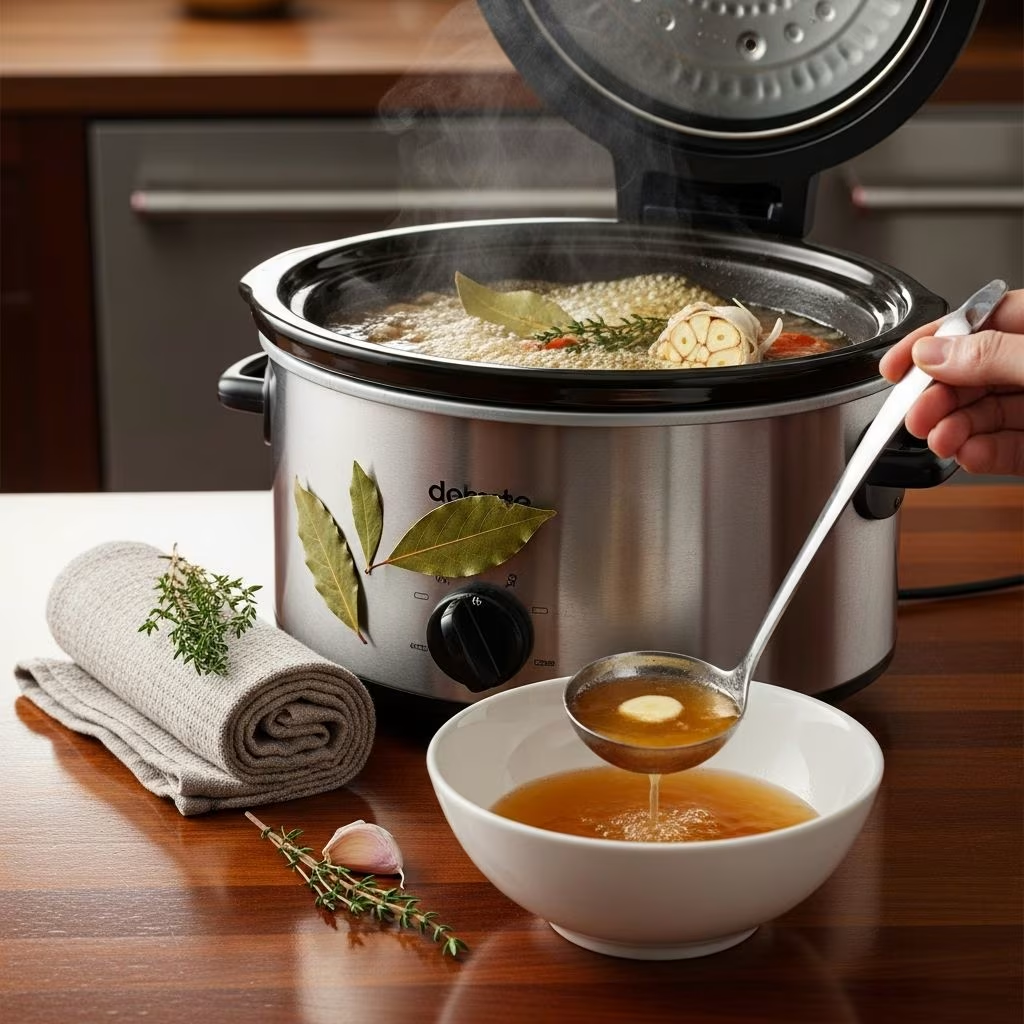
Slow cookers revolutionize home cooking with their set-it-and-forget-it convenience, but one frequent frustration is ending up with a watery mess. Excess liquid dilutes flavors and ruins textures in dishes like roasts, stews, and casseroles. This guide explores the root causes and delivers practical solutions to keep your meals rich and satisfying.
Understanding Why Slow Cookers Generate Extra Moisture
The design of a slow cooker traps steam inside, creating a humid environment that leads to condensation. As food heats, moisture evaporates, hits the lid, and drips back down, accumulating over hours. Unlike stovetop or oven cooking where liquids reduce through evaporation, slow cookers seal everything in, often resulting in soup-like outcomes from recipes not tailored for this method.
Ingredients themselves contribute significantly. Meats release juices during long cooking, vegetables like onions and tomatoes shed water, and frozen items add meltwater. Traditional recipes calling for full liquid volumes overwhelm the low-evaporation setup.
Prevention Strategies: Start with Smarter Recipe Adjustments
The best approach is proactive planning. Halve the liquid in non-slow-cooker-optimized recipes to account for natural moisture release. For roasts or whole birds, skip added liquids entirely—their own juices suffice.
- Measure precisely: Use about half the broth, water, or sauce specified in conventional recipes.
- Pat proteins dry: Remove surface moisture from meats before adding to minimize initial drip.
- Avoid frozen starts: Thaw ingredients to prevent ice melt adding volume.
- Layer wisely: Place denser items like root vegetables at the bottom, meats on top, to control juice flow.
Fill your cooker to no more than two-thirds capacity for even cooking and better heat circulation, as overfilling hinders performance.
Thickening Techniques for Rescue During or After Cooking
If liquid builds up, thickeners save the day without altering taste. These starches absorb excess while enhancing mouthfeel.
| Method | How to Use | Best For | Pros |
|---|---|---|---|
| Minute Tapioca | Sprinkle 1-2 Tbsp per quart of liquid at start | Roasts, stews | Tasteless, activates during cooking |
| Cornstarch Slurry | Mix 1-2 Tbsp with equal water, stir in last 10-30 min on high | Sauces, gravies | Quick, lid-off for evaporation |
| Flour Dredge | Coat meat in flour before adding | Chicken, beef | Builds flavor base |
| Arrowroot | Similar to cornstarch, 1 Tbsp per cup liquid | Clear sauces | Gluten-free option |
Incorporate these mid-cook or at the end. For cornstarch, remove lid after adding to let steam escape and thicken effectively.
Lid Management and Evaporation Hacks
The tight-fitting lid is a double-edged sword. For last-hour evaporation, switch to high heat with lid off or propped. A paper towel layer under the lid absorbs condensation without full removal, ideal for baked goods or tender meats.
- Prop lid slightly with a wooden spoon for controlled venting.
- Monitor if home; last 60 minutes uncovered reduces volume by 20-30%.
- For crispier results, finish under broiler post-cook.
Ingredient Choices That Minimize Moisture
Select low-water produce like carrots over zucchini. Heartier cuts of meat yield less juice than lean ones. Quick-cooking grains absorb surplus nicely.
High-moisture culprits to limit:
- Leafy greens (add last 30 min).
- Frozen veggies (thaw first).
- Canned tomatoes (drain well).
Moisture managers:
- Bone-in meats for flavor without extra liquid.
- Dried herbs over fresh for concentrated taste.
Common Slow Cooker Dishes and Tailored Fixes
Perfectly Juicy Roasts
For beef or pork, no liquid needed. Sear optionally for fond, then cook low with thickener. Shred and mix back into reduced juices.
Chicken Mastery
Dry, flour-dredge, and tapioca ensures fall-off-bone without swimming. Avoid skin-on for less fat release.
Stew and Chili Perfection
Halve broth, add beans or potatoes as absorbers. Cornstarch finish for restaurant-quality gravy.
Baked Desserts
Paper towels under lid prevent soggy cobblers. Reduce milk or fruit juice by half.
Seasoning Secrets for Dilution Defense
Extra liquid mutes flavors—no reduction means bolder starts. Salt midway if possible, taste and adjust end-stage. Acid like vinegar or citrus brightens post-cook.
Troubleshooting Persistent Problems
Still too soupy? Transfer to saucepan, simmer down. Too thick? Blend or stir in stock. Older models may seal tighter; test yours with water-only run.
Altitude affects evaporation—higher spots need less liquid. Experiment per machine.
Advanced Tips from Seasoned Cooks
Layer fats like bacon under proteins for richness. Use liners for easy post-cook defatting. Batch-freeze dredged meats for grab-and-go.
Frequently Asked Questions
Why is my slow cooker meal always watery?
Condensation from sealed cooking plus unadjusted recipes cause this. Cut liquids by half and use thickeners.
Can I cook without any liquid?
Yes, for roasts and poultry—their juices provide enough. Add if needed later.
How do I thicken without cornstarch?
Tapioca, flour roux, or pureed veggies work well.
Does cooker size matter?
Yes—larger ones need proportional thickeners. Fill to 2/3 max.
Is it safe to remove the lid often?
Minimize to retain heat, but last hour is fine on high.
Bonus: Sample Adjusted Recipe – Herb Roast
Ingredients (4 servings): 3 lb chuck roast, 4 carrots, 4 potatoes, 1 onion, 1 Tbsp tapioca, herbs, salt.
- Pat roast dry, season.
- Layer veggies, tapioca, roast on top.
- Low 8 hrs. Crisp optional.
Yield: Tender, gravy-rich meal.
References
- Why is there so much liquid in my slow cooker? — 365 Days of Crockpot. 2016 (evergreen cooking advice). https://www.365daysofcrockpot.com/kitchen-tip-tuesday-solving-watered/
- Don’t Overfill a Slow Cooker | Crock-Pot® — YouTube/Crock-Pot. Accessed 2026. https://www.youtube.com/watch?v=d0O1pYi5I_I