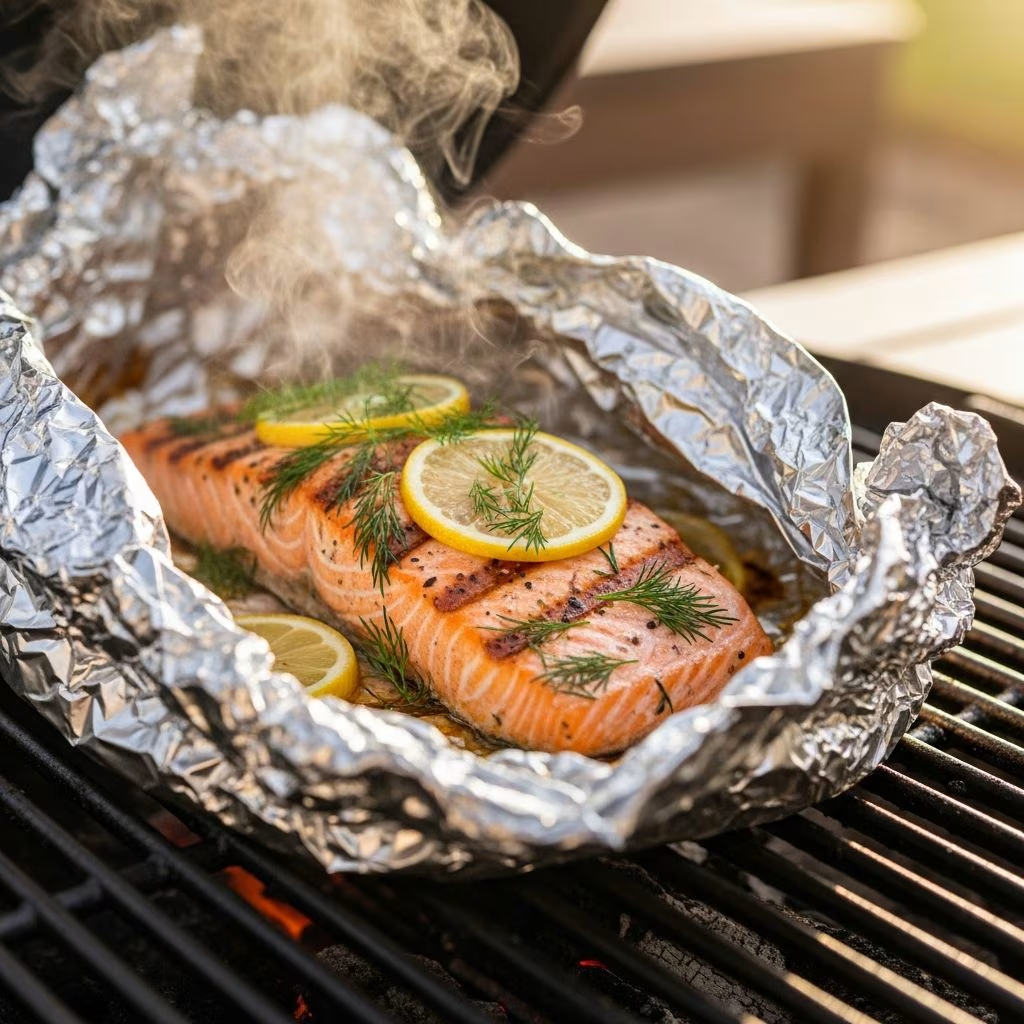
Grilling salmon presents unique challenges that can leave home cooks frustrated. The delicate flesh sticks to grates, falls apart during flipping, and dries out quickly over direct heat. Yet achieving restaurant-quality results at home is entirely possible with one simple technique: the foil-packet method. This approach transforms salmon grilling from intimidating to effortless, delivering consistently moist and flaky fish while minimizing both effort and cleanup.
Why the Foil-Packet Technique Outperforms Traditional Methods
The foil-packet approach addresses fundamental challenges inherent to grilling fish. Aluminum foil creates a sealed microenvironment where the salmon steams gently in its own juices combined with aromatics and fats, eliminating the primary cause of dry fish: direct, unforgiving heat exposure. This enclosed cooking method allows precise temperature management without requiring constant monitoring or flipping, which often results in catastrophic stick-and-tear incidents.
Beyond the quality advantages, practical benefits make this method indispensable for home entertainers. The sealed packet prevents the salmon from adhering to grill surfaces entirely, eliminating one of grilling’s most frustrating scenarios. Cleanup becomes trivial since cooking occurs entirely within disposable foil, leaving the grill grates pristine. When hosting gatherings where multiple dishes demand grill space, foil packets occupy minimal real estate on lower-temperature shelf areas, freeing prime grilling zones for items requiring intense heat.
Essential Preparation: Setting Up for Success
Proper packet construction determines whether your salmon emerges moist and tender or leaks and cooks unevenly. Begin by selecting heavy-duty aluminum foil, as standard-weight varieties tear easily under the pressure of seasoning distributions and steam buildup. Cut a piece substantially larger than your salmon fillet, aiming for dimensions that provide generous overhang on all sides—typically 14 to 16 inches for single fillets.
Spray the foil lightly with cooking spray or brush with oil to prevent sticking, particularly important when using parchment paper as a barrier layer between fish and foil. Position your salmon in the approximate center, leaving at least three inches of foil extending beyond the fish in all directions. This excess material proves critical during the folding process, ensuring secure sealing without punctures.
Many cooks benefit from using a baking sheet as a transport vessel for the foil packet. Assemble everything on the sheet, then carry the entire assembly to the grill. This approach prevents the packet from tearing during handling and makes transferring the finished salmon back to the kitchen equally straightforward.
Flavor Building: Layering Components for Complexity
The sealed foil environment concentrates flavors remarkably, allowing subtle seasonings to develop intensity. Begin with a foundation of thinly sliced vegetables beneath the salmon—asparagus, thin green beans, or julienned carrots add texture and release their own aromatic compounds during cooking. These vegetables also prevent the salmon from sitting directly on foil, improving heat distribution and preventing potential reactions between the fish’s natural acids and aluminum.
Fat becomes your primary flavor vehicle in foil-packet cooking. Whether using compound butter infused with garlic and herbs, olive oil combined with citrus, or Asian-inspired preparations featuring soy and sesame oil, fat carries flavors directly into the fish’s delicate flesh. A tablespoon to two tablespoons of fat per fillet typically suffices, providing richness without overwhelming the salmon’s natural taste.
Aromatic elements—fresh herbs, citrus slices, garlic, and ginger—layer atop the protein, releasing volatile compounds that permeate the packet’s interior. Place softer herbs like dill or parsley closer to serving time, as prolonged heat renders them bitter. Hardy herbs like thyme and rosemary tolerate extended cooking and can be incorporated directly into the fat mixture.
The Folding Technique: Creating an Airtight Seal
Improper folding compromises the entire cooking process, allowing steam and juices to escape. Master the correct sequence to ensure complete sealing. Pull the foil’s bottom edge up and over the salmon’s top surface, creasing firmly where foil meets fish. Fold the top edge downward, overlapping the bottom layer by several inches and pressing the crease firmly.
With the top and bottom sealed, address the sides. Fold one side’s edge toward the packet’s center, pressing firmly to create a crease. Fold the same edge again, this time tighter, pressing until no gaps remain. Repeat this double-fold technique on the remaining side. The result should resemble a sealed envelope with multiple reinforced folds, capable of containing steam at full pressure without leaking.
Some cooks prefer gathering all foil edges upward, then folding and scrunching them together at the packet’s crown, resembling a gathered present. This method works equally well, provided the final seal is genuinely airtight. Test the packet’s integrity by gently attempting to separate the folds—they should resist firmly without any gaps visible.
Grilling Fundamentals: Temperature and Timing
Preheat your grill to medium heat, targeting 350 to 375 degrees Fahrenheit. This moderate temperature allows the salmon to cook through gently without developing an exterior crust—the foil environment handles all cooking requirements. Medium-high heat accelerates cooking but risks drying the outer flesh before the center reaches proper doneness.
Place assembled foil packets directly on the grill grates, positioning them on the primary cooking surface rather than upper shelves or cool zones. Close the grill cover completely, creating an oven-like environment that circulates heat around all packet surfaces. Cooking duration depends on several variables: salmon thickness, whether fillets were chilled or room temperature, and your grill’s specific heat characteristics.
For standard one-inch-thick fillets, expect cooking times between 10 and 16 minutes. Thicker cuts approaching two inches require 20 to 25 minutes. About midway through cooking, rotate the packets 180 degrees to ensure even heat exposure, though this step is optional when using a well-functioning grill with consistent temperature distribution.
Determining doneness without opening the packet requires experience. The most reliable approach uses an instant-read thermometer—carefully open one corner of the foil (mind the steam), insert the thermometer into the thickest point, and verify a reading of 140 degrees Fahrenheit. Alternatively, allow the salmon to rest for five minutes after removing from heat, then carefully open a packet to assess texture. The flesh should flake easily under gentle pressure from a fork but retain slight translucence at the very center, indicating residual carryover cooking will finish the process.
Flavor Profiles: Five Distinct Approaches
| Flavor Profile | Key Components | Best Served With |
|---|---|---|
| Mediterranean | Lemon, olive oil, garlic, oregano, kalamata olives | Greek salad, crusty bread |
| Asian-Inspired | Soy sauce, sesame oil, ginger, garlic, green onions | Jasmine rice, bok choy |
| Herb-Forward | Dill, parsley, butter, lemon zest, fresh thyme | Roasted potatoes, steamed asparagus |
| Citrus-Centric | Lime juice, cilantro, jalapeño, cumin | Black beans, corn, lime crema |
| Cajun-Spiced | Paprika, cayenne, garlic powder, onion powder, butter | Rice pilaf, collard greens |
Incorporating Vegetables: Balanced One-Packet Meals
The foil packet’s sealed environment accommodates vegetable companions, creating complete meals requiring only a grain component. Green beans, asparagus, and thin-sliced zucchini cook perfectly alongside salmon without requiring extended preparation or separate cooking vessels. Distribute vegetables evenly across the foil before placing the salmon atop, ensuring proper heat circulation.
Harder vegetables like potatoes demand pretreatment—cut into thin coins or matchsticks, then parboil for three to five minutes before including in packets. This head start ensures potatoes reach tenderness by the time the salmon finishes cooking. Cherry tomatoes, mushrooms, and summer squash require no preparation beyond rinsing and halving.
The fatty cooking liquid pooling around the salmon naturally glazes vegetables, eliminating the need for separate seasoning or oil. However, tossing vegetables lightly with oil before assembly improves their browning and texture, preventing steaming-only results that can leave them pallid and limp.
Professional Tips for Consistent Excellence
- Remove salmon from refrigeration 10 minutes before grilling. Room-temperature fish cooks more evenly, reaching proper doneness without overcooked exterior layers.
- Double-layer your foil for insurance. Extra thickness prevents punctures during assembly, transport, and grill placement, eliminating the frustration of discovering leaks mid-cooking.
- Never flip the packet. Rotation is acceptable and even beneficial, but flipping risks tearing the foil and compromising the seal entirely.
- Allow steam to escape slowly. When opening finished packets, angle the foil away from your face and hands. The accumulated steam emerges forcefully and can cause burns.
- Rest the salmon briefly before serving. Five minutes of resting allows residual heat to complete cooking while the structure stabilizes, preventing the flaking that occurs when salmon transfers directly from heat to plate.
Frequently Asked Questions
Can I prepare foil packets in advance?
Absolutely. Assemble packets up to four hours ahead, refrigerate them on the baking sheet, and transfer directly to the grill when ready to cook. Add approximately two to three minutes to cooking times for chilled packets.
Is parchment paper necessary?
Parchment creates a barrier preventing direct contact between the salmon and foil, a consideration for those concerned about aluminum interaction with acidic ingredients. It’s optional but recommended for peace of mind. Ensure the parchment remains fully enclosed within the sealed foil.
Can I use this method in the oven?
Yes, this technique translates perfectly indoors. Bake sealed packets at 400 degrees Fahrenheit for approximately 20 to 25 minutes, producing identical results to grill-cooked versions.
What’s the best salmon thickness?
One-inch-thick fillets represent the ideal balance between quick cooking and even heat penetration. Thinner fillets risk overcooking, while very thick pieces may require extended times that can dry the outer portions.
Should I season the foil or the fish?
Season the fish directly—salt and pepper applied to the raw flesh penetrate better than seasonings applied to foil. Add fresh herbs and aromatics to the foil before placing the salmon to maximize flavor diffusion.
References
- How to Grill Salmon in Foil — The Roasted Root. Accessed April 2026. https://www.theroastedroot.net/how-to-grill-salmon-in-foil/
- How to Grill Salmon in Foil — Kevin Is Cooking. Accessed April 2026. https://keviniscooking.com/how-to-grill-salmon-in-foil/
- Grilled Salmon in Foil with Vegetables — Garden in the Kitchen. Accessed April 2026. https://gardeninthekitchen.com/grilled-salmon-in-foil-with-vegetables/
- Easy Grilled Salmon in Foil Recipe — Cookin Canuck. Accessed April 2026. https://www.cookincanuck.com/easy-grilled-salmon-recipe-foil-ginger-soy-sauce/
- Grilled Salmon in Foil — WellPlated.com. Accessed April 2026. https://www.wellplated.com/grilled-salmon-in-foil/