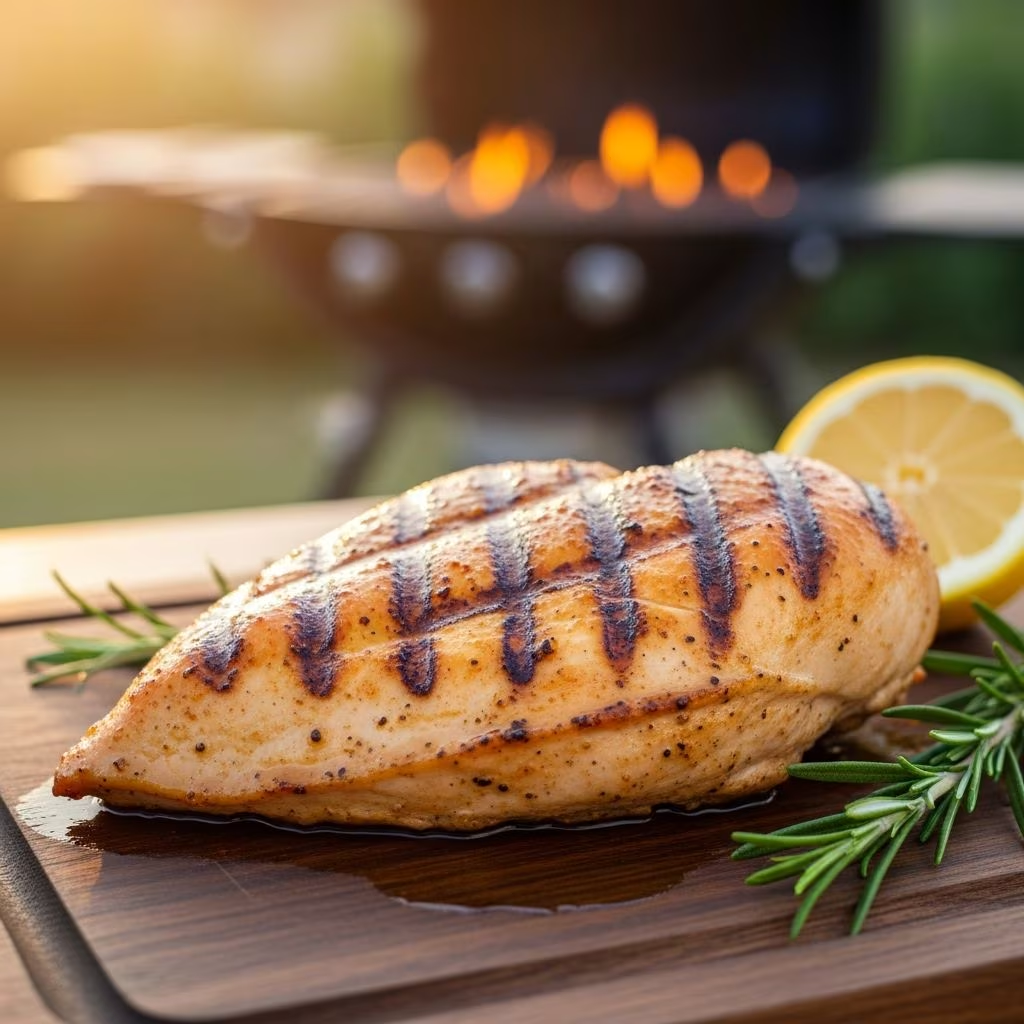
Grilled chicken breasts are a cornerstone of healthy, versatile meals. When done right, they deliver tender, juicy meat with a smoky char that elevates everything from salads to tacos. The challenge lies in avoiding dry, bland results—a common pitfall due to chicken breasts’ lean nature and uneven thickness. This guide equips you with proven strategies to achieve restaurant-quality grilled chicken at home, no matter your grill type or experience level.
Why Chicken Breasts Dry Out and How to Prevent It
Chicken breasts lack the fat marbling found in thighs or drumsticks, making them prone to overcooking. Heat causes proteins to tighten and squeeze out moisture, especially in thicker sections that cook slower than tapered ends. Pounding to uniform thickness helps, but alone it’s not enough. Combining this with brining or marinating locks in juices while seasoning penetrates deeply.
- Key Factors: Lean meat composition, uneven thickness, high cooking temperatures.
- Solutions: Brine for moisture retention, pound evenly, use instant-read thermometer.
Essential Preparation Techniques for Superior Results
Start with quality boneless, skinless chicken breasts (about 6-8 oz each). Look for even shapes or butterfly thicker ones. Preparation is 80% of success—rushed steps lead to disappointment.
Step 1: Pounding for Even Cooking
Place chicken between plastic wrap or in a zip-top bag. Gently pound with a meat mallet or rolling pin to ½-¾ inch thickness. This ensures the entire piece reaches safe internal temperature (165°F) simultaneously, preventing overcooked edges.
Step 2: The Power of Brining
Brining—a saltwater soak—boosts juiciness by 10-15% through osmosis and protein denaturation. For quick results, use a dry brine: sprinkle 1 tsp kosher salt per pound of chicken, refrigerate 30-60 minutes. For wet brine, dissolve ¼ cup salt in 4 cups water, submerge 30 minutes to 2 hours. Rinse and pat dry afterward to avoid excess saltiness.
| Method | Time | Best For | Flavor Impact |
|---|---|---|---|
| Dry Brine | 30-60 min | Quick prep | Concentrated seasoning |
| Wet Brine | 1-4 hours | Maximum moisture | Milder, even distribution |
| No Brine | 0 min | Time-crunched cooks | Risk of dryness |
Step 3: Marinating for Bold Flavors
Marinades add acidity (for tenderizing), oil (for moisture barrier), and aromatics. Limit acidic soaks to 30-60 minutes to prevent mushiness. Examples:
- Herb Citrus: Olive oil, lemon juice, garlic, thyme, salt.
- Soy Ginger: Soy sauce, ginger, sesame oil, honey.
- Yogurt Spice: Greek yogurt, cumin, paprika, garlic (great for overnight).
Grill Setup: Gas, Charcoal, or Indoor Options
Different grills demand tailored approaches. Clean grates thoroughly and preheat 10-15 minutes.
Gas Grill Mastery
Create two-zone heat: high (450-500°F) for searing, medium (350-400°F) for finishing. Oil grates with a paper towel dipped in neutral oil. Sear 3-4 minutes per side over high, then move to medium until 160°F internal (carryover cooking hits 165°F).
Charcoal Grill Techniques
Bank coals to one side for indirect heat. Target 400°F. Add wood chips (hickory, apple) soaked 30 minutes for smoke. Similar two-zone method: sear direct, finish indirect. Vent control is key—half-open top vent, fully open bottom.
Indoor Grill Pan or Broiler
High smoke point oil in cast-iron pan over medium-high. Or broil 6 inches from heat. Flip halfway; use thermometer religiously as visual cues deceive.
Precise Cooking Times and Temperature Guide
Always use an instant-read thermometer inserted into thickest part without touching bone.
| Grill Type | Sear Time/Side | Finish Temp | Total Time (per side) |
|---|---|---|---|
| Gas | 3-4 min high | 350-400°F indirect | 10-12 min total |
| Charcoal | 3 min direct | Indirect until done | 12-15 min total |
| Grill Pan | 4-5 min med-high | N/A | 8-10 min total |
Rest 5 minutes tented with foil post-grill. Juices redistribute for peak tenderness.
Flavor Boosters and Serving Ideas
Elevate beyond basic seasoning:
- Finishing Salts: Smoked sea salt, za’atar.
- Herb Butter: Melt compound butter (butter + chives + lemon zest) on hot chicken.
- Sauces: Chimichurri, yogurt tzatziki, BBQ glaze (add last 2 min).
Meal Ideas:
- Chopped over greens with vinaigrette.
- Sliced in wraps with hummus and veggies.
- Diced into pasta primavera.
- Paired with grilled corn and quinoa salad.
Common Mistakes and Fixes
- Skipping Thermometer: Fix: Invest in a good digital one ($20-30).
- Pressing Chicken: Causes juice loss—hands off!
- Uneven Thickness: Always pound first.
- Over-Marinating: Stick to time limits with acid.
- Not Preheating: Leads to sticking; 10+ minutes essential.
Nutrition and Health Considerations
One 6-oz grilled breast: ~165 calories, 31g protein, 3.6g fat, 0g carbs. Lean protein powerhouse. USDA recommends 165°F for safety against salmonella.1 Brining adds negligible sodium if rinsed.
Advanced Tips for Grill Pros
- Reverse Sear: Low and slow indirect first (to 150°F), then high sear.
- Spatchcock Whole Bird: Similar principles scale up.
- Wood Pairings: Fruitwoods for mild smoke, oak for bold.
FAQ
Can I grill frozen chicken breasts?
Thaw first in fridge for even cooking. Partial freeze aids pounding.
How do I know my grill temperature without a thermometer?
Hand test: Hold 4-5 inches above grate. 2-3 seconds = 400°F; 3-4 = 350°F.
Is brining necessary?
Not always, but transforms dry breasts into juicy ones. Try dry brine for minimal effort.
What if I don’t have a meat mallet?
Use rolling pin, wine bottle, or skillet bottom.
Chicken at 160°F or 165°F?
Pull at 160°F; carryover hits 165°F. Juicier results per food safety experts.2
References
- Chicken and Food Safety — USDA Food Safety and Inspection Service. 2024-05-15. https://www.fsis.usda.gov/food-safety/safe-food-handling-and-preparation/poultry/chicken-and-food-safety
- The Food Lab: Better Home Cooking Through Science — J. Kenji López-Alt. W.W. Norton & Company. 2015-09-21. https://www.seriouseats.com/food-lab-chicken-temperature-guide-article
- Grilling Food Safety — FDA. 2023-06-12. https://www.fda.gov/food/buy-store-serve-safe-food/grilling-foods-safely