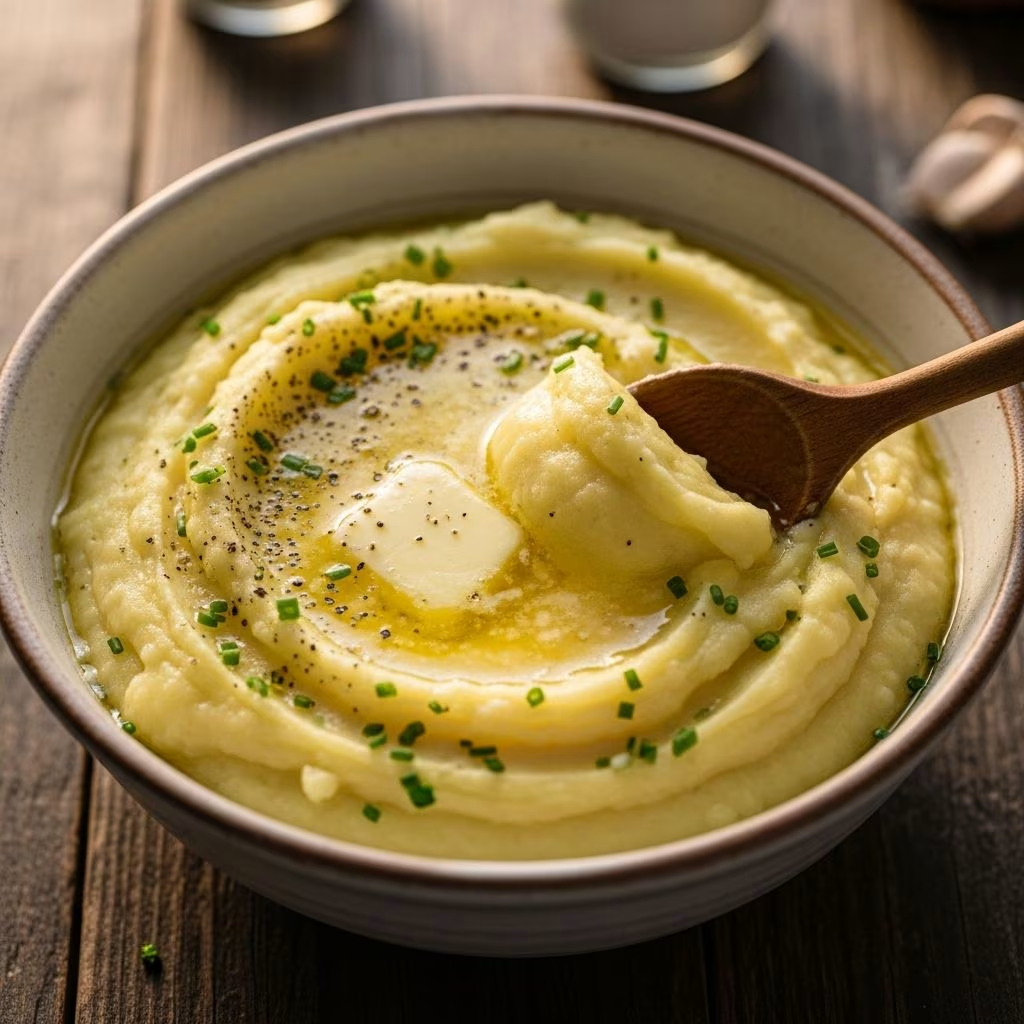
Mashed potatoes are a beloved side dish, but nothing disappoints quite like a watery batch. Whether it’s from over-boiling, too much liquid, or the wrong potato variety, runny results can derail your meal. The good news is you don’t have to toss them out. With simple, reliable methods using everyday ingredients, you can salvage your mash and achieve that fluffy, creamy consistency everyone craves.
Understanding Why Mashed Potatoes Turn Watery
Before diving into solutions, it’s essential to know the culprits behind soggy mashed potatoes. Excess moisture is the primary offender, often stemming from the cooking process or ingredient ratios. When potatoes absorb too much water during boiling—especially if cut into small pieces—they become waterlogged, diluting the natural starches that provide structure.
Another common issue is adding too much milk, cream, or butter before checking the texture. These liquids enhance flavor but can overwhelm the mash if not balanced. Potato type matters too: starchy varieties like Russets or Yukon Golds release more starch for better binding, while waxy types like red potatoes stay firm and lead to gluey or loose results.
Over-mixing after adding liquids can also break down starches excessively, releasing more moisture. By identifying these factors, you can not only fix the current batch but prevent repeats.
Immediate Fixes: Three Reliable Ways to Thicken Your Mash
When time is short, these methods work fast without altering flavor much. Each leverages heat, absorption, or starch to bind excess liquid.
Method 1: Drain and Reduce with Heat
The simplest no-additive approach is to remove water mechanically and evaporate the rest. Transfer your runny mash to a colander lined with cheesecloth or a clean kitchen towel for better straining. Let it sit for 5-10 minutes to drip off liquid, then return to the pot.
Place over low heat, stirring constantly to prevent sticking or scorching. The gentle warmth draws out remaining moisture, thickening the potatoes in 5-15 minutes depending on volume. This method preserves original flavors best, making it ideal for delicate herb-infused mashes.
- Pro Tip: Press gently with a spoon to speed draining without compacting the potatoes.
- Watch For: Bubbles forming—pull off heat just before to avoid gumminess.
Method 2: Incorporate Instant Potato Flakes
Pantry hero instant mashed potato flakes (dehydrated potatoes) absorb liquid effortlessly. Start with 1-2 tablespoons per cup of runny mash, sprinkling gradually while stirring over low heat. The flakes rehydrate and swell, bulking up the mixture seamlessly.
This fix, endorsed by potato experts, blends invisibly if added slowly. Taste as you go, adjusting salt since flakes are often pre-seasoned. It’s perfect for large batches during holidays.
| Amount of Runny Mash | Flakes to Add | Heat Time |
|---|---|---|
| 2 cups | 2-3 tbsp | 3-5 min |
| 4 cups | 4-6 tbsp | 5-8 min |
| 6+ cups | 1/2 cup+ | 8-10 min |
Method 3: Starch Slurry for Rapid Thickening
For a smooth boost, create a slurry with cornstarch, potato starch, or tapioca. Mix 1 tablespoon starch with equal cold water or milk to dissolve lumps, then stir into the warm mash over low heat. Cook 2-4 minutes until it thickens, stirring vigorously.
Cornstarch offers neutral flavor; potato starch mimics fresh potato taste. Avoid flour if possible—it can taste chalky unless cooked thoroughly. This method shines for gluten-free needs with arrowroot or tapioca.
Prevention Strategies: Make Flawless Mashed Potatoes from the Start
Fixes are great, but prevention saves time. Focus on technique for consistently perfect results.
Choose the Right Potatoes
Opt for high-starch potatoes: Russets for fluffiness, Yukon Golds for creaminess. These break down easily, releasing starches that naturally thicken. Avoid waxy reds or new potatoes, which resist mashing and stay watery.
- Russet: Ideal for light, airy mash.
- Yukon Gold: Buttery texture without extra fat.
- Test: High-starch potatoes sink in water; waxy float.
Master the Boiling Process
Boil potatoes whole or in large chunks to minimize water uptake. Start in cold water, bring to a simmer, and cook until fork-tender (15-25 minutes). Drain immediately and let steam dry in the pot for 1-2 minutes—this evaporates surface moisture.
Pro move: Return to low heat post-drain, shaking the pot to fluff without water.
Control Liquids and Mixing
Warm dairy first to prevent clumping, adding gradually after mashing dry potatoes. Use a potato ricer or masher—avoid blenders, which over-process starches. Mix just until smooth; overworking leads to gumminess.
Rule of thumb: Milk/cream at half the potato weight, butter to taste.
Advanced Techniques and Flavor Enhancements
Once thickened, elevate your mash. For baked versions, spread in a shallow dish for even evaporation—thinner layers dry faster. Infuse with roasted garlic, chives, or cheese during reheating.
For low-carb twists, blend in cauliflower but halve liquids due to higher water content. Vegan? Use plant milk and coconut oil.
Frequently Asked Questions (FAQs)
Can I use flour to thicken mashed potatoes?
Yes, but sparingly in a slurry. It may dilute flavor, so season after. Cornstarch is preferable for taste.
What if my potatoes are gluey instead of runny?
Gluey mash means over-whipping. Add potato flakes to absorb excess starch release.
How do I fix watery potatoes the next day?
Reheat gently with a splash of milk and flakes, stirring over low heat.
Are instant flakes healthy?
They’re dehydrated potatoes—nutrient-dense but watch sodium in flavored varieties.
Best tool for mashing?
A ricer yields smoothest texture without overworking.
Conclusion: Perfect Mash Every Time
Runny mashed potatoes no longer spell disaster. With draining, flakes, or slurries, plus smart prevention like starchy potatoes and controlled boiling, you’ll serve crowd-pleasing sides effortlessly. Experiment to find your favorite method—your holiday table (and weeknights) will thank you.
References
- 3 Fast and Easy Ways to Thicken Runny Mashed Potatoes — YouTube. Accessed 2026. https://www.youtube.com/watch?v=ocYhhctmNKg
- How to Thicken Mashed Potatoes (3 Fast Ways!) — What Molly Made. Accessed 2026. https://whatmollymade.com/how-to-thicken-mashed-potatoes/
- Quick Fix For Watery Mashed Potatoes — Idaho Potato Commission. Accessed 2026. https://idahopotato.com/dr-potato/quick-fix-for-watery-mashed-potatoes-1