Boxed cake mixes have become a staple in modern kitchens, offering convenience without sacrificing flavor when executed thoughtfully. Rather than viewing them as inferior to scratch-made cakes, savvy bakers have learned to enhance these versatile bases with strategic ingredient substitutions and creative applications. The key to elevating a boxed mix lies in understanding how simple modifications can dramatically improve texture, moisture, and taste while maintaining the time-saving benefits that make them attractive in the first place.
Moisture-Enhancing Substitution Techniques
The foundation of transforming boxed cake mix involves replacing standard liquid ingredients with enriched alternatives. Conventional recipes typically call for water, but substituting this with buttermilk and sour cream creates a noticeably superior crumb structure. Buttermilk introduces tanginess and activates leavening agents more effectively than plain water, resulting in a lighter, airier cake. Sour cream contributes richness and density that mimics the characteristics of cakes made from scratch, while also extending shelf life and improving moisture retention.
When modifying a standard boxed mix, consider using ¾ cup buttermilk and ⅓ cup sour cream in place of the liquid typically called for in package directions. This combination creates a more sophisticated flavor profile while maintaining the convenience factor. Additionally, incorporating vegetable oil instead of melted butter can yield a more tender crumb, though using softened butter produces richer flavor when texture permits.
Room temperature eggs are equally important to this transformation process. Cold eggs don’t incorporate smoothly into batter, potentially creating dense pockets within the finished cake. Allowing eggs to reach room temperature ensures even distribution throughout the mixture and promotes proper emulsification, resulting in a uniform, delicate crumb.
Creative Flavor Layering and Infusions
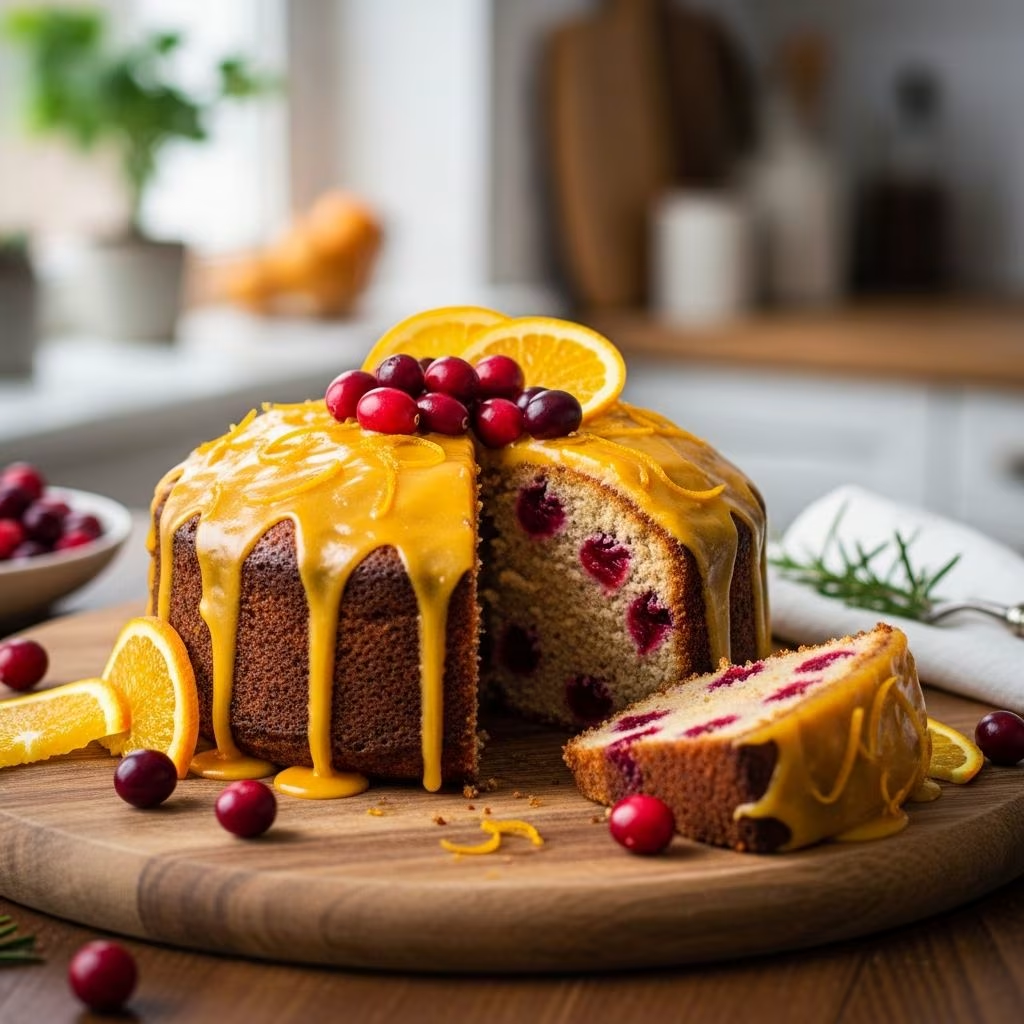
One of the most effective approaches to upgrading boxed mixes involves layering complementary flavors that work synergistically. Consider incorporating citrus elements through juice and zest—orange juice combined with orange zest creates brightness and complexity that standard vanilla cake lacks. This technique can be adapted for lime, lemon, or other citrus varieties depending on desired flavor profiles.
For those seeking warmth and sophistication, spice additions deserve attention. Cardamom brings sophisticated floral notes, while cinnamon and nutmeg provide familiar warmth. These spices should be whisked directly into the dry cake mix before combining wet ingredients to ensure even distribution.
Bourbon, liqueurs, and other spirits elevate frosting applications particularly well. A bourbon-enhanced frosting with Angostura bitters and orange zest transforms a simple frosting into something worthy of specialty bakeries. Even non-alcoholic additions like maple syrup, honey, or coconut milk can substantially modify the cake’s flavor character when incorporated thoughtfully.
Structural Variations: Beyond Traditional Layer Cakes
Boxed cake mixes offer remarkable versatility for applications beyond standard layer cakes. Their consistent chemistry makes them ideal for experimental formats that might intimidate home bakers working from scratch recipes.
Coffee Cake Configuration
Transforming cake mix into coffee cake involves strategic layering with a homemade crumb topping. Begin by setting aside approximately ⅔ cup of the dry mix and combining it with melted butter, light brown sugar, and chopped nuts—typically pecans or walnuts. Prepare the remaining cake mix according to modified directions using sour cream instead of water for enhanced moisture. Pour half the batter into a prepared baking dish, distribute half the crumb mixture, add remaining batter, then finish with the reserved crumble. This method creates textural contrast and appeals to breakfast and coffee service occasions.
Quick Bread Applications
Cake mix functions remarkably well in quick bread formats when adjusted properly. Combining yellow cake mix with all-purpose flour, coconut milk, and lime juice creates a tropical quick bread that suits afternoon tea or casual entertaining. Reducing liquid content slightly and adding structure through baking powder ensures these breads achieve appropriate density without becoming gummy.
Muffin and Mini-Cake Formats
Muffin tins and individual ramekins accommodate cake mix-based batters wonderfully. Greek yogurt additions increase protein content and create tender crumbs while reducing the need for additional fat. Maple syrup contributes moisture and subtle sweetness beyond standard cake mix flavoring. Pistachios with cardamom and lemon zest create an elegant variation suitable for brunch entertaining or morning indulgences.
Dump Cake Methodology and Variations
Perhaps the most effortless elevation technique involves dump cakes, where frozen fruit, cake mix, and butter layers create caramelized, gooey desserts requiring minimal preparation. Triple berry combinations work exceptionally well, combining blueberries, raspberries, and strawberries in a single preparation. The dry cake mix absorbs fruit juices during baking, creating a texture somewhere between traditional cake and cobbler.
This method’s beauty lies in its flexibility. Tropical variations using pineapple and coconut milk create different flavor experiences, while stone fruit combinations appeal to summer entertaining. Spice additions like cinnamon or cardamom can be mixed into the dry cake mix before distributing over fruit layers.
Cookie and Bar Integration
Cake mix adapts surprisingly well to cookie and bar applications. Combining cake mix with softened butter, eggs, and mix-in ingredients like chocolate chips, butterscotch pieces, and pecans creates rich, tender cookies with distinctive flavor profiles. The cake mix provides structure while contributing subtle vanilla notes that complement chocolate and butterscotch particularly well.
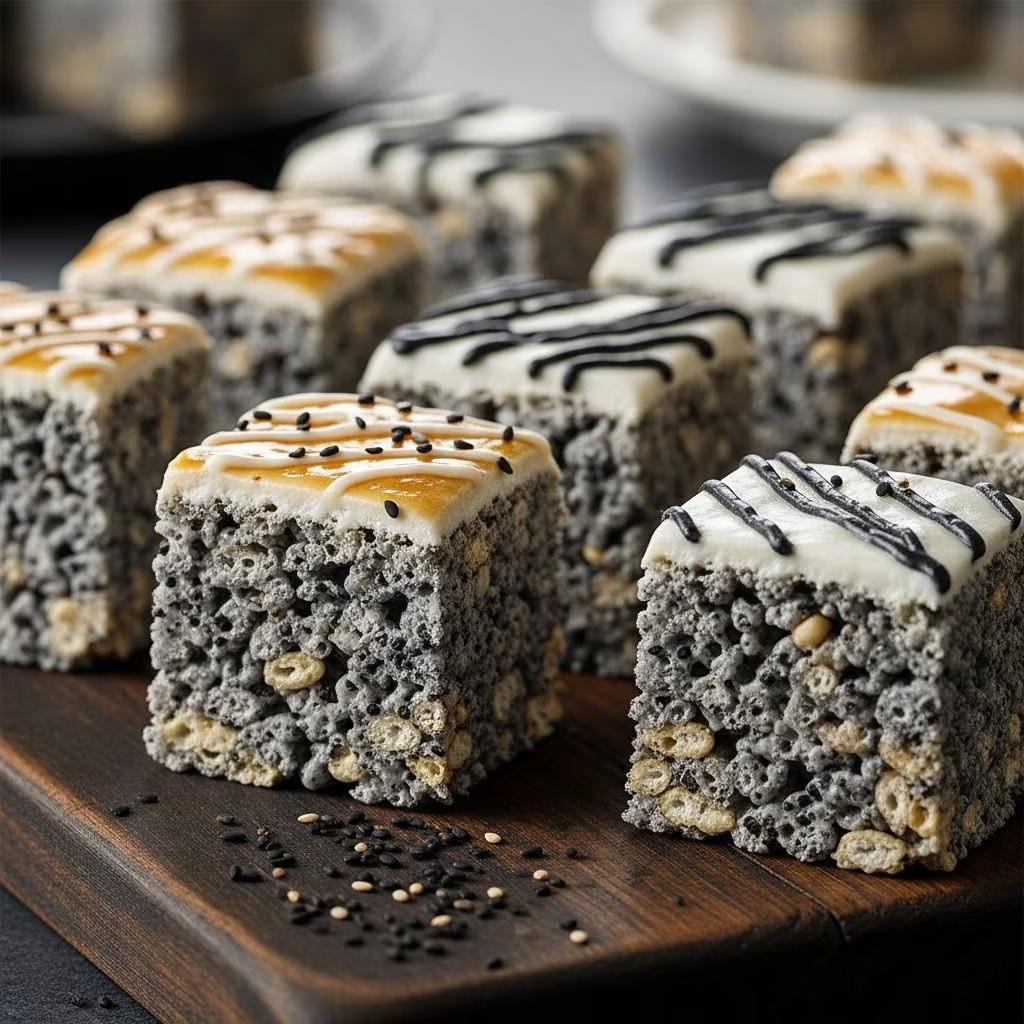
Bar applications benefit similarly from cake mix incorporation. White chocolate chip variations with Oreo cookie pieces create indulgent treats, while careful measurement ensures proper texture development. These applications prove particularly valuable for batch baking situations requiring consistent results across multiple servings.
Frosting and Topping Considerations
Even when the cake base remains relatively simple, frosting choices dramatically impact final presentation and flavor. Buttercream frosting enhanced with bourbon, bitters, and citrus zest elevates appearance and taste substantially. These frostings work particularly well with cakes containing complementary flavor notes—orange cake paired with bourbon frosting creates sophisticated desserts suitable for adult entertaining.
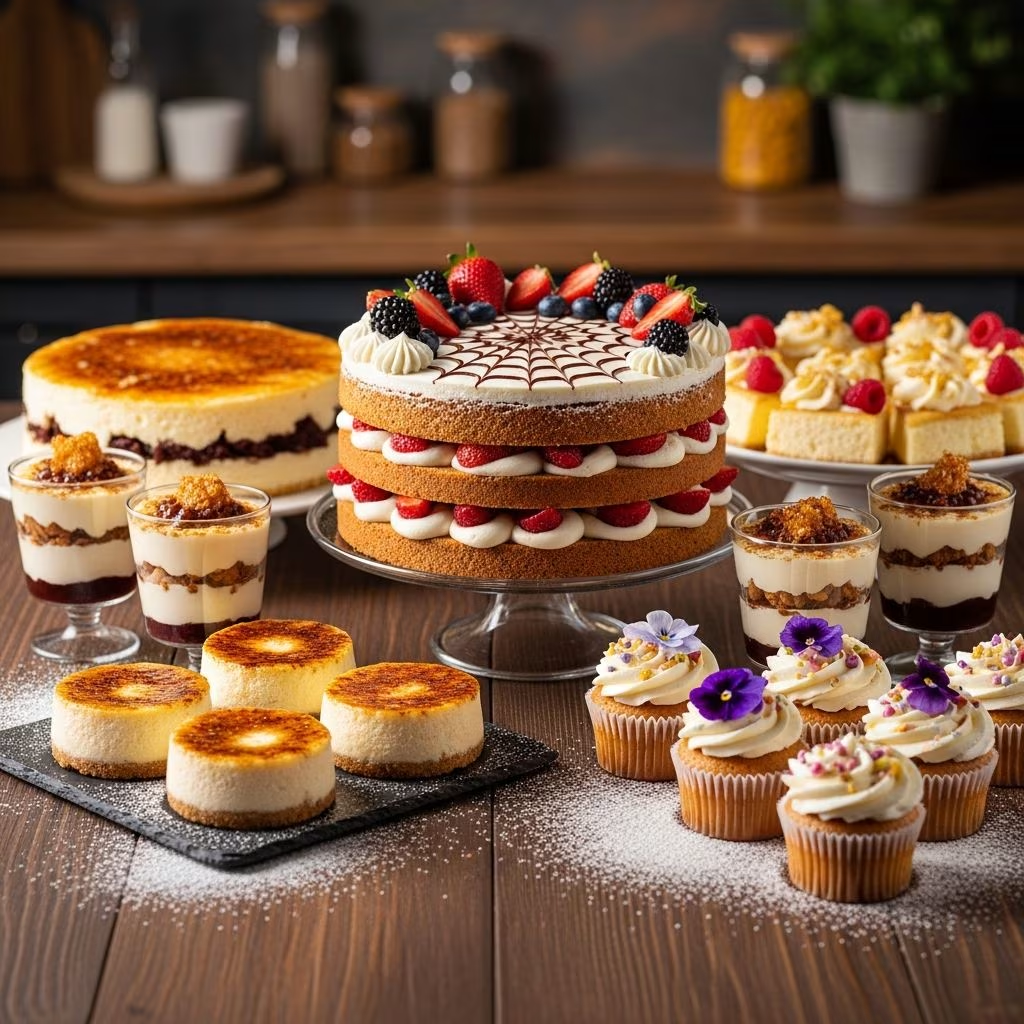
Simpler finishing options include whipped cream with honey, dusted powdered sugar, or toasted coconut garnishes. Mint leaves and fresh berries provide visual appeal and flavor freshness that contrasts nicely with rich cake components.
Professional Ingredient Selection
Cake mix brand selection matters more than many home bakers recognize. Duncan Hines, Betty Crocker, and King Arthur varieties all perform well with enhancement techniques, though results may vary slightly based on their specific formulations. Testing one brand thoroughly before committing to large-scale baking ensures consistent outcomes.
One notable limitation involves gluten-free cake mixes, which don’t respond identically to moisture-enhancement techniques. Their different starch ratios and binder systems require adjusted liquid proportions and may benefit from additional binding agents like xanthan gum or psyllium husk.
Frequently Asked Questions
Can I use oil instead of butter in enhanced cake mix recipes?
Yes, vegetable oil produces tender, moist cakes when substituted at equal ratios. However, butter provides richer flavor, so the choice depends on desired taste profile. Neutral oils like canola work well, while coconut oil imparts subtle flavor.
Why does room temperature matter for eggs?
Cold eggs don’t incorporate smoothly into batter, potentially creating uneven texture. Room temperature eggs emulsify more effectively, distributing evenly throughout the mixture and promoting uniform crumb development.
Should I follow package directions exactly?
Package directions provide baseline guidance, but enhancement techniques require intentional modifications. Using buttermilk, sour cream, and room temperature eggs improves results beyond standard directions regardless of brand.
How do I prevent dry cake when using enhancements?
Incorporating sour cream, reducing baking temperature slightly (to 325°F instead of 350°F when appropriate), and checking doneness with toothpicks ensures moisture retention. Overbaking is the primary cause of dryness regardless of enhancement strategies.
Can these techniques apply to other cake mix flavors?
Absolutely. While yellow cake mixes serve as primary examples, these enhancement techniques work across chocolate, white, and specialty mixes with appropriate flavor combinations.
Planning Your Enhancement Strategy
Successful cake mix enhancement requires thoughtful ingredient pairing and technique execution. Begin with established modifications like buttermilk and sour cream substitution, then experiment gradually with additional elements. Keep detailed notes about modifications, baking times, and results to refine techniques over multiple attempts.
Consider the occasion when selecting enhancement strategies. Coffee cake applications suit informal gatherings, while sophisticated frosting and flavor combinations work for more formal entertaining. Individual format variations like muffins prove convenient for meal prep and portion control.
Ultimately, boxed cake mixes represent valuable tools rather than inferior shortcuts when approached with intentionality and creativity. Through strategic enhancement techniques, these convenient bases transform into desserts that rival scratch-made offerings while maintaining their inherent time-saving advantages. Whether preparing casual family desserts or impressive entertaining centerpieces, mastering cake mix elevation expands baking capabilities and builds confidence in the kitchen.
References
- Doctored Yellow Cake Mix Recipe — Confessions of a Baking Queen. 2024. https://confessionsofabakingqueen.com/doctored-yellow-cake-mix/
- 9 Delicious Cake Mix Recipes — Fed & Fit. 2024. https://fedandfit.com/9-recipes-using-yellow-cake-mix/
- Yellow Cake Mix Coffee Cake — The Oven Light. 2019. https://www.theovenlight.net/2019/08/yellow-cake-mix-coffee-cake/
- 10 Brilliant Ways to Transform a Box of Yellow Cake Mix — Betty Crocker. 2026. https://www.bettycrocker.com/menus-holidays-parties/mhplibrary/recipes/10-brilliant-ways-to-transform-a-box-of-yellow-cake-mix
- The 35 Best Recipes Using Yellow Cake Mix — Practically Homemade. 2024. https://practicallyhomemade.com/35-best-recipes-using-yellow-cake-mix/