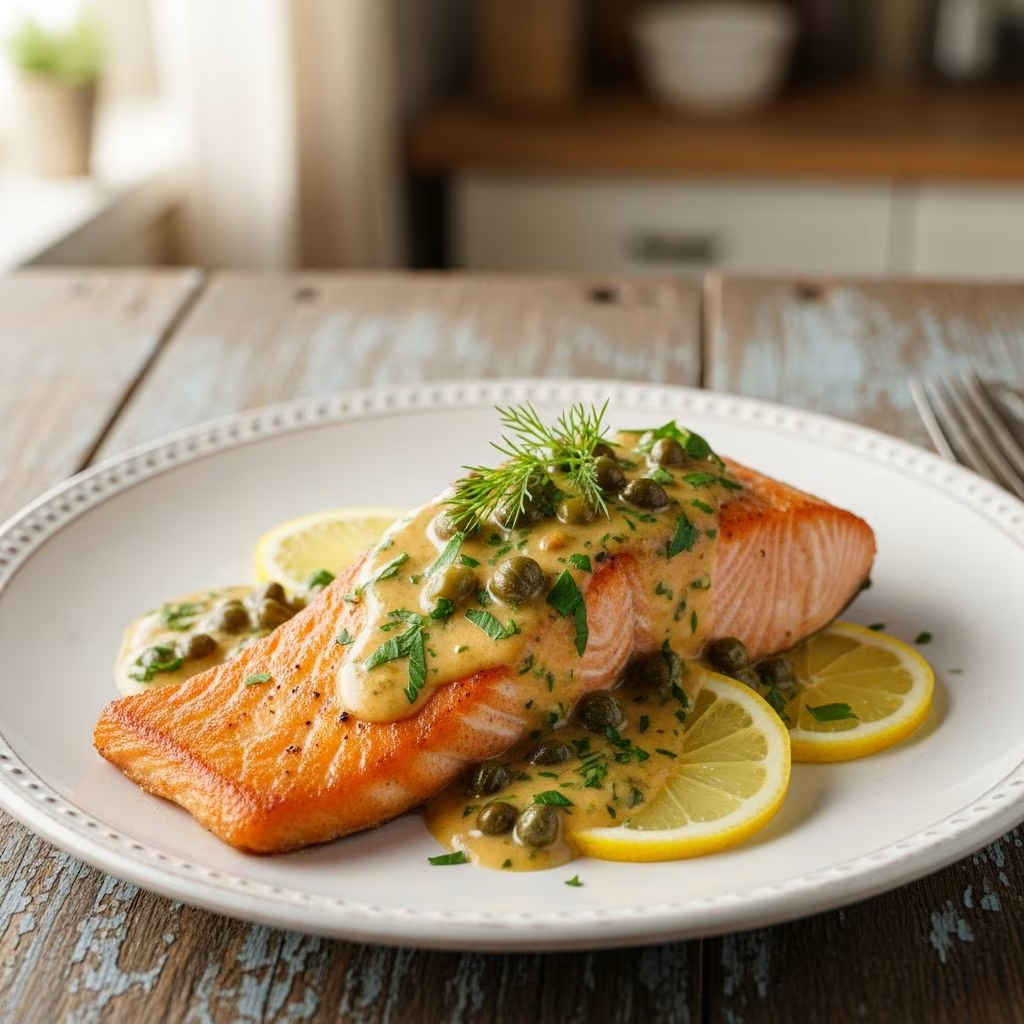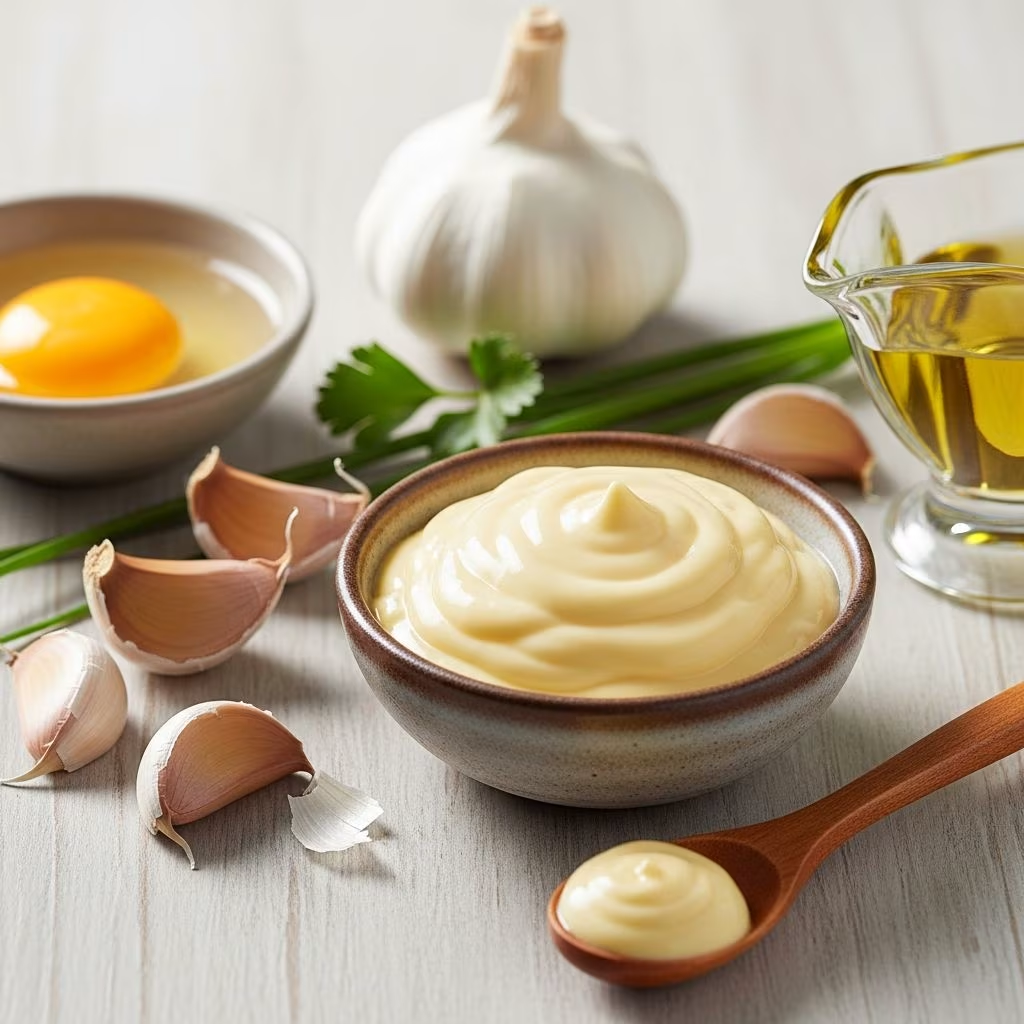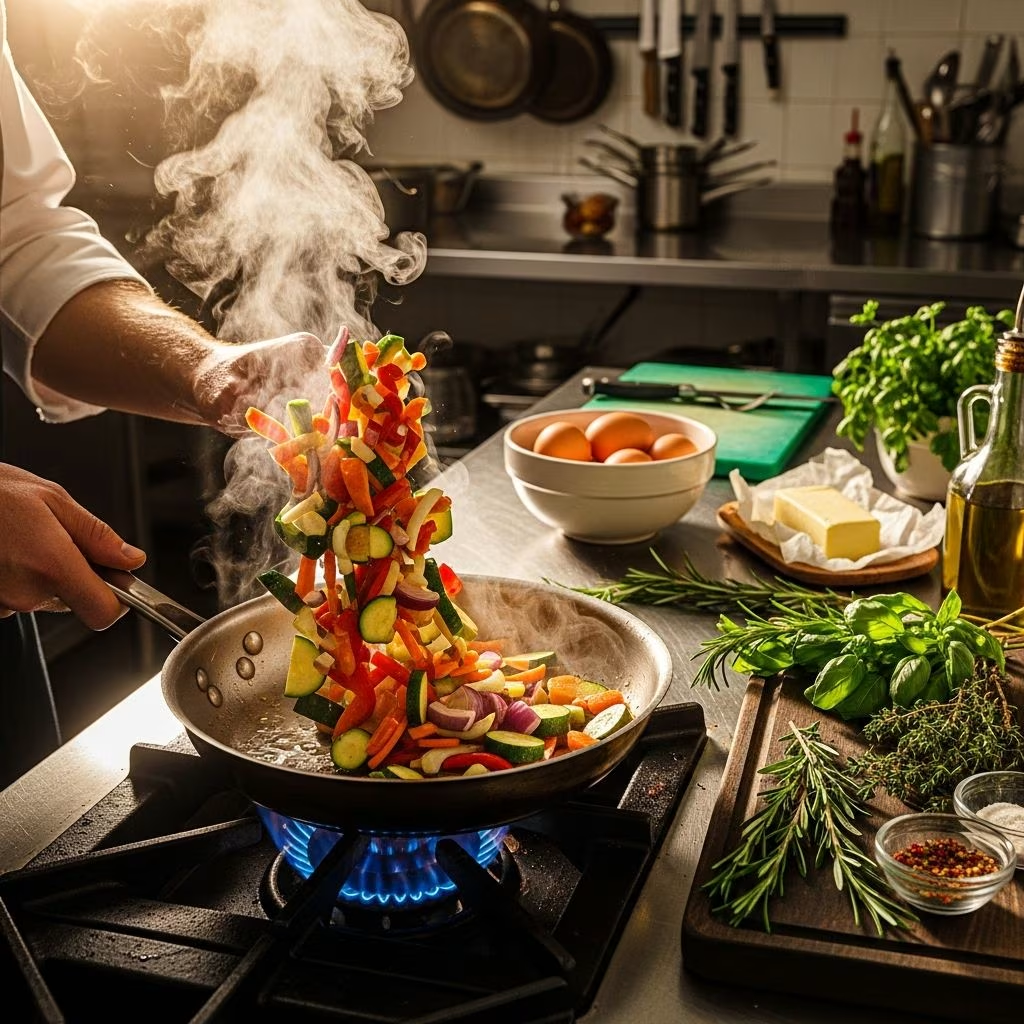
The ability to prepare meals without consulting a recipe represents a fundamental shift in how home cooks relate to food preparation. Rather than viewing recipes as rigid instruction sets, intuitive cooking empowers you to understand the underlying principles that govern flavor development, texture creation, and ingredient compatibility. This approach transforms cooking from a task of following directions into a creative and adaptable skill that grows stronger with practice and intentional learning.
Understanding the Foundation of Recipe-Free Cooking
Cooking without recipes begins with recognizing that most meals follow predictable patterns and structures. Rather than memorizing countless specific recipes, you develop the ability to identify these patterns and apply them flexibly based on available ingredients and personal preferences. This methodology requires building foundational knowledge in several interconnected areas: cooking techniques, flavor development, ingredient properties, and meal construction principles.
The transition from recipe-dependent cooking to intuitive meal preparation is not instantaneous. Instead, it evolves gradually as you accumulate practical experience and deepen your understanding of how different cooking methods interact with various ingredients. Many home cooks find this progression liberating, as it reduces the anxiety of not having the exact ingredients called for and instead encourages creative problem-solving and experimentation.
Essential Cooking Methods You Must Master
Several core cooking techniques form the backbone of recipe-free cooking. These methods are versatile enough to prepare vegetables, proteins, grains, and legumes in countless combinations. Understanding when and how to apply each technique is crucial for developing cooking intuition.
- Sautéing: This high-heat, quick-cooking method involves cooking ingredients in a small amount of fat in a shallow pan. Sautéing develops flavor through browning and creates texture variations depending on the ingredients and cooking duration. This technique works excellently for vegetables, proteins, and aromatics that form the flavor base of many dishes.
- Roasting: Using dry heat in an oven, roasting concentrates flavors and creates caramelization on the exterior of ingredients. This method applies well to vegetables, meats, and seafood, producing complex flavors through the Maillard reaction—the chemical process that creates browning and depth of taste.
- Braising: This combination technique begins with browning ingredients in fat, then finishing with moist heat by partially covering them with liquid. Braising transforms tougher cuts and hardy vegetables into tender, flavorful components while creating savory cooking liquid that enhances the dish.
- Simmering: Maintaining a gentle boil allows ingredients to cook slowly while flavors meld and develop. This technique is essential for soups, stews, sauces, and legumes that benefit from extended cooking time without vigorous agitation.
- Poaching: Cooking ingredients gently in simmering liquid preserves delicate textures and creates opportunities for subtle flavor infusion. This technique is particularly valuable for proteins like chicken and eggs, where maintaining tenderness is important.
Developing proficiency with these techniques provides you with multiple pathways to prepare any ingredient. Once you understand how each method affects different foods, you can select the most appropriate technique based on your ingredient selection and desired outcome.
Building Your Flavor Development Intuition
Understanding how flavors interact and build upon each other represents a critical component of recipe-free cooking. Rather than following prescribed seasoning amounts, intuitive cooks develop the ability to taste, assess, and adjust flavors throughout the cooking process.
The Flavor Foundation: Aromatics and Base Building
Most savory dishes benefit from beginning with aromatic vegetables—typically onions, garlic, and celery—cooked in fat to create a flavorful foundation. This practice, known as building the base, creates a flavor platform upon which other ingredients rest. The early application of heat to these aromatics releases their essential oils and develops their complex tastes beyond their raw state.
Layering and Complexity
Professional cooks layer flavors throughout the cooking process rather than adding all seasonings at once. This layering approach might involve adding fresh herbs early for certain flavor contributions, then finishing with additional fresh herbs to preserve bright, volatile compounds. Similarly, acid from citrus or vinegar added at different points creates varying taste impacts, while salt at various stages seasons ingredients differently than salt added at the end.
Balancing the Five Taste Elements
Most successful dishes balance five fundamental taste components: salty, sweet, sour, bitter, and umami. Developing intuition involves recognizing when a dish needs more of any element and knowing which ingredients provide that quality. Salt enhances other flavors; sweetness balances heat and acidity; sourness brightens heavy flavors; bitterness adds complexity; and umami provides savory depth and satisfaction. This framework guides your adjustments without requiring recipe guidance.
Selecting and Substituting Ingredients Strategically
Recipe-free cooking requires understanding ingredient categories and recognizing which ingredients serve similar functions. This knowledge allows you to adapt dishes based on what you have available rather than viewing missing ingredients as obstacles.
| Ingredient Category | Examples | Function in Dishes |
|---|---|---|
| Aromatics | Onions, garlic, celery, leeks, shallots | Flavor base and seasoning foundation |
| Proteins | Chicken, beef, fish, eggs, legumes, tofu | Satiety and main dish structure |
| Vegetables | Carrots, broccoli, spinach, peppers, zucchini | Texture, nutrition, and bulk |
| Grains | Rice, pasta, quinoa, oats, bread | Base and satiety provider |
| Legumes | Beans, lentils, chickpeas | Protein, texture, and structure |
| Fats | Olive oil, butter, coconut oil, sesame oil | Cooking medium and flavor carrier |
| Acids | Lemon, vinegar, lime, tomato | Brightness and flavor enhancement |
Understanding these categories helps you make substitutions confidently. If a recipe calls for spinach but you have kale, you can make the adjustment knowing both are leafy greens that function similarly, though cooking times and flavor profiles differ slightly. This categorical thinking prevents decision paralysis and encourages creative meal construction.
Dishes That Welcome Recipe-Free Preparation
Certain meal types lend themselves particularly well to intuitive cooking because they have flexible structures and fewer precise requirements. Starting with these forgiving formats helps build confidence before attempting more technically demanding preparations.
Salads and Bowls: These formats accept almost any combination of vegetables, proteins, grains, and dressings. The structure provides natural organization without requiring precise measurements or cooking techniques. You develop intuition by learning which flavor combinations harmonize and which components provide necessary contrast.
Soups and Stews: These one-pot meals benefit from flexible ingredient lists and extended cooking times that allow flavors to marry. The liquid component provides both cooking medium and finished sauce, simplifying the process while creating built-in error correction—you can adjust seasoning and consistency throughout cooking.
Omelets and Scrambles: These egg-based dishes cook quickly and accommodate various fillings and mix-ins. They teach fundamental heat management and technique while remaining forgiving if your timing isn’t perfect. The quick cooking time encourages intuitive decision-making about when components are ready.
Rice and Noodle Dishes: These grain-based meals provide structure while accepting diverse proteins and vegetables. Understanding basic grain ratios and cooking times gives you scaffolding for endless variations.
Sandwiches and Wraps: These assembled meals don’t require cooking technique but teach complementary ingredient pairing. They’re ideal for developing flavor intuition and exploring texture combinations.
Developing Your Personal Cooking System
Successful intuitive cooks develop personal systems that streamline decision-making and reduce cognitive load. Rather than reinventing meals each time you cook, you establish reliable patterns that you customize based on available ingredients and current preferences.
Creating Your Ingredient Inventory System
Understanding what you typically have on hand allows you to plan meals mentally without consulting recipes. Many intuitive cooks mentally categorize their regular pantry items, refrigerated staples, and freezer backups. This familiarity enables rapid meal planning based on what needs using and what sounds appealing.
Mastering Ratio-Based Cooking
Replacing exact measurements with ratios provides flexibility while maintaining consistency. For example, understanding that risotto typically uses a 3:1 liquid-to-rice ratio allows you to scale recipes up or down and adjust for ingredient variations. Similarly, knowing that most vegetables lose about half their volume when cooked helps you estimate quantities without weighing ingredients.
Building Your Flavor Profile Library
Intuitive cooks develop mental libraries of flavor combinations that work well together. Rather than searching for recipes, they recall combinations from previous meals and previous experiences. Over time, you develop reliable go-to combinations while gradually expanding your repertoire through intentional experimentation.
Practical Techniques for Taste and Adjustment
Recipe-free cooking requires developing confidence in tasting during preparation and making real-time adjustments. This practice involves several actionable strategies that professional cooks use regularly.
Taste Frequently During Cooking: Regular tasting throughout the cooking process allows you to track flavor development and make adjustments before the dish is complete. Small, sequential additions of salt, acid, or other seasonings beat large corrections at the end.
Understand Salt’s Multiple Roles: Salt doesn’t just create saltiness—it enhances other flavors, brightens dulled tastes, and suppresses bitterness. Understanding these functions helps you use salt strategically rather than as a simple seasoning.
Recognize Acid as a Finishing Tool: A squeeze of fresh lemon juice or splash of vinegar added at the end can brighten and elevate a dish that seems flat or heavy. This technique rescues dishes that would otherwise require significant reworking.
Manage Heat Levels Effectively: Understanding that high heat develops flavors through browning while moderate heat allows flavors to meld helps you choose cooking temperatures strategically. Rushing dishes with excessive heat versus allowing adequate time for flavor development significantly impacts results.
Common Challenges and Solutions
Challenge: Overcooked Vegetables
Solution: Learn the visual and tactile cues for doneness in different vegetables. High-heat, quick cooking methods like sautéing and roasting produce better results than lengthy low-heat cooking for vegetables you want to remain tender-crisp.
Challenge: Bland or Unbalanced Flavors
Solution: Systematically address each taste component—add salt for enhancement, acid for brightness, sweetness to balance heat, herbs for freshness. Don’t randomly add ingredients; diagnose what the dish needs.
Challenge: Inconsistent Results
Solution: Cook the same basic dishes repeatedly, making one variable change at a time. This systematic approach teaches you how different variables affect outcomes rather than changing everything simultaneously.
Challenge: Decision Paralysis with Available Ingredients
Solution: Practice categorical thinking—recognize what role each ingredient plays and what other ingredients could fill that role. This mental framework transforms ingredient availability into opportunity rather than constraint.
Progressive Skill Development Pathway
Rather than attempting complex recipe-free cooking immediately, develop your skills progressively. Begin by mastering two or three simple, forgiving dishes until you can prepare them without consulting recipes. Practice each cooking technique in isolation before combining multiple techniques in single dishes. Once you’ve developed foundational confidence, gradually expand your repertoire and experiment with more complex flavor combinations.
This incremental approach builds genuine competence and confidence rather than attempting shortcuts that leave gaps in your understanding. Each skill becomes foundation for subsequent learning, creating increasingly sophisticated cooking abilities.
Frequently Asked Questions
How long does it take to become confident cooking without recipes?
Most home cooks develop basic confidence within 4-6 weeks of consistent practice, though continued skill development continues for years. The progression depends on cooking frequency and intentional practice rather than calendar time alone.
Should I completely abandon recipes?
No. Recipes remain valuable learning tools and reference points, even for experienced intuitive cooks. The goal is developing the ability to cook without recipes, not never consulting them. Many intuitive cooks use recipes as inspiration rather than instruction.
What if I make mistakes while learning?
Mistakes provide valuable learning opportunities that recipes cannot replicate. Small failures teach you cause-and-effect relationships in cooking far better than perfect successes. Embrace the learning process rather than viewing mistakes as failures.
Can I learn these skills in a kitchen with limited equipment?
Yes. While specialized equipment can enhance your cooking, the fundamental techniques require minimal tools. A good knife, a few pans, and basic implements suffice for developing core cooking skills. Focus on technique mastery before investing in equipment.
How do I know when a dish is properly seasoned?
Properly seasoned food tastes like itself, but more so. You should recognize the ingredients rather than tasting salt or other seasonings as dominant notes. If you’re unsure, taste before adding more salt, remembering that salt is easier to add than remove.
References
- How to Cook Without Recipes — Zero Waste Chef. https://zerowastechef.substack.com/p/how-to-cook-without-recipes
- Cook Without Recipes Academy — Adventure Kitchen. https://www.adventurekitchen.com/cook-without-recipes
- Learn to Cook Without Recipes in 30 Days — Foodist Kitchen. https://foodistkitchen.com
- The Magic of No-Recipe Cooking — Plan to Eat. https://www.plantoeat.com/blog/2022/09/the-magic-of-no-recipe-cooking/
- How to Cook Without a Recipe (Yes, You Can!) — It Is a Keeper Recipes. https://www.youtube.com/watch?v=YQTTaXNJsYU
- How To Cook Without A Recipe — Mountain Cravings. https://mountaincravings.com/cook-without-recipes/